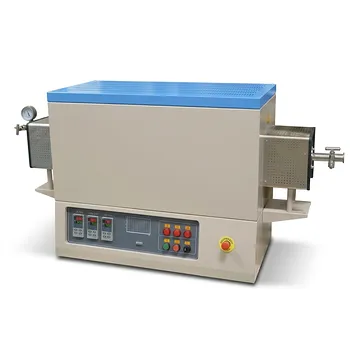
Why is a high-purity alumina crucible required for the dual-molten salt etching of MXene-based catalysts? Key Reasons
Updated 3 months ago
High-purity alumina crucibles are the indispensable standard for dual-molten salt etching because they provide a chemically inert and thermally stable environment against aggressive chloride melts. At the required synthesis temperature of 750 °C, these crucibles prevent destructive side reactions between the container wall and the molten salt mixture (containing CoCl₂, FeCl₂, NaCl, and KCl). This containment strategy ensures that no external impurities leach into the reaction, preserving the precise compositional purity and microscopic structure of the resulting MXene-based catalysts.
Core Takeaway: High-purity alumina acts as a "non-reactive stage" that withstands the highly corrosive nature of molten chlorides at elevated temperatures. Its use is critical to prevent environmental contamination, ensuring the synthesized MXene-based catalysts maintain their intended chemical integrity and catalytic performance.
The Corrosive Nature of the Dual-Molten Salt System
High-Temperature Chloride Aggression
The dual-molten salt process involves handling a combination of metal chlorides (such as CoCl₂ and FeCl₂) and alkali chlorides (NaCl and KCl) at 750 °C. At these temperatures, molten salts become extremely aggressive, capable of dissolving or reacting with most standard laboratory containers.
Chemical Inertness Under Stress
High-purity alumina (Al₂O₃) is selected specifically for its exceptional chemical inertia in the presence of these salts. Unlike lower-grade ceramics or metals, it does not participate in the exchange of ions with the melt, which is vital for the successful etching of MXene-based materials.
Ensuring Compositional Purity and Catalyst Integrity
Prevention of Impurity Leaching
The primary goal of using a high-purity crucible is to prevent the introduction of "tramp elements" into the catalyst. Even trace amounts of aluminum, silicon, or other metals leaching from a container can poison the catalyst or alter the specific ratio of the MXene@Co₀.₇Fe₀.₃ composite.
Avoiding Undesired Side Reactions
If a reactive container were used, the molten chlorides could facilitate side reactions that consume the precursors or create unintended secondary phases. High-purity alumina ensures that the chemical energy of the system is focused entirely on the etching and synthesis of the 2D nanocomposite.
Preservation of Microscopic Structure
MXenes rely on specific surface chemistries and morphology for their catalytic activity. By maintaining a clean and controlled atmosphere, high-purity alumina crucibles help preserve the delicate microscopic structure and surface functional groups that are often lost in contaminated environments.
Physical Stability and Thermal Endurance
Resistance to Thermal Shock
The etching process often involves rapid heating or cooling cycles to control the crystal growth of the catalyst. High-purity alumina possesses the thermal shock resistance necessary to withstand these temperature fluctuations without cracking or shedding particles into the melt.
Integrity at Extreme Temperatures
While the primary process occurs at 750 °C, alumina remains stable far beyond this range, often up to 1700 K. This overhead provides a significant safety margin, ensuring the crucible does not soften or deform during the calcination or pre-melting phases of the procedure.
Understanding the Trade-offs
Material Cost vs. Purity
High-purity alumina crucibles (typically >99% Al₂O₃) are significantly more expensive than standard ceramic or quartz options. However, using lower-purity alumina can introduce silica (SiO₂) or other oxides that react more readily with molten salts, potentially ruining the entire batch of catalyst.
Fragility and Handling
Despite their chemical robustness, high-purity alumina is a brittle ceramic. It is susceptible to mechanical failure if handled roughly or if subjected to extreme, non-uniform heating, which can lead to costly losses of specialized precursor materials.
Making the Right Choice for Your Goal
To ensure the success of your MXene-based catalyst synthesis, your choice of containment should align with your specific purity requirements and thermal profiles.
- If your primary focus is electrochemical performance: You must use high-purity alumina to prevent trace metal contamination that can provide false-positive catalytic results or degrade the single-crystal integrity.
- If your primary focus is process scalability and cost: While alumina is the gold standard, you may investigate lower-cost high-alumina crucibles, provided they are pre-tested for leaching in your specific chloride salt mix.
- If your primary focus is high-temperature stability (above 1000°C): Ensure your alumina is of the highest density (low porosity) to prevent the molten salts from infiltrating the crucible walls via capillary action.
The selection of a high-purity alumina crucible is not merely a preference, but a technical requirement for achieving the chemical precision necessary in advanced MXene catalyst synthesis.
Summary Table:
| Feature | Benefit for MXene Synthesis |
|---|---|
| Chemical Inertness | Prevents reactions with aggressive chloride melts (CoCl₂, FeCl₂). |
| High-Purity (>99% Al₂O₃) | Eliminates impurity leaching that could poison the catalyst. |
| Thermal Stability | Withstands constant temperatures of 750°C and above without deformation. |
| Thermal Shock Resistance | Prevents cracking during the rapid heating/cooling cycles of etching. |
| Structure Preservation | Protects the delicate 2D morphology and surface functional groups. |
Elevate Your Material Research with THERMUNITS
Precision in high-temperature synthesis starts with the right equipment. As a leading manufacturer of high-purity thermal solutions, THERMUNITS provides the reliability needed for advanced material science and industrial R&D.
Whether you are performing dual-molten salt etching or complex CVD/PECVD processes, our comprehensive range of equipment—including Muffle, Vacuum, Atmosphere, Tube, and Rotary Furnaces, as well as High-Purity Alumina Crucibles and thermal elements—is engineered to prevent contamination and ensure repeatable results.
Ready to optimize your lab’s efficiency? Contact our experts today to find the perfect thermal processing solution for your MXene research and high-temperature applications.
References
- Zuliang Zhang, Xiaojun Zeng. Synergistically coupling CoS/FeS<sub>2</sub> heterojunction nanosheets on a MXene <i>via</i> a dual molten salt etching strategy for efficient oxygen evolution reaction. DOI: 10.1039/d4ta01999g
Mentioned Products
- Compact 1100C Muffle Furnace with Programmable Temperature Control and High Purity Alumina Insulation for Material Research
- 600°C Vertical Crucible Furnace with SS316 Alloy Reactor and 6 Port Vacuum Flange
- 1100C High Temperature Vacuum Crucible Furnace with Quartz Chamber for Thermal Processing and Sintering
- Vertical Crucible Furnace 1000C High Temperature Laboratory Equipment 4.7 Inch Diameter Chamber SS316 Anti Corrosive Enclosure
- High Temperature Vertical Crucible Furnace with 22L Heating Chamber and 1200C Maximum Temperature
People Also Ask
- Why is 1100°C in situ annealing required after LZO and DTO deposition? Achieve High-Quality Thin Film Synthesis
- What are the advantages of using high-purity alumina boats in 1100 °C carbonization? Ensure Purity and Stability.
- What technical capabilities must a high-temperature furnace possess for 1100°C HEA annealing? Precision & Stability.
- Why are high-purity alumina (Al2O3) substrates selected as carriers? Optimal Stability for Vanadium Oxide Reduction
- Why are high-purity alumina crucibles preferred as sample containers in high-temperature sintering experiments? Key Facts

Tech Team · ThermUnits
Last updated on Jun 02, 2026
Related Products
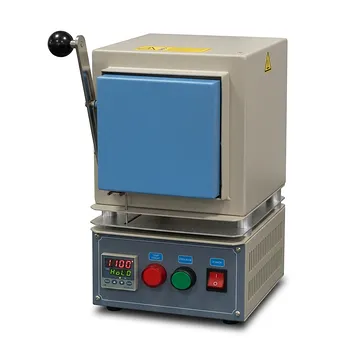
Compact 1100C Muffle Furnace with Programmable Temperature Control and High Purity Alumina Insulation for Material Research
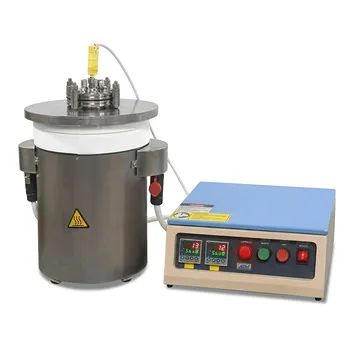
600°C Vertical Crucible Furnace with SS316 Alloy Reactor and 6 Port Vacuum Flange
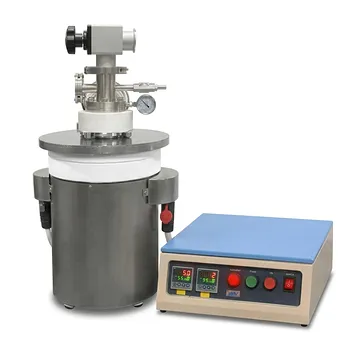
1100C High Temperature Vacuum Crucible Furnace with Quartz Chamber for Thermal Processing and Sintering
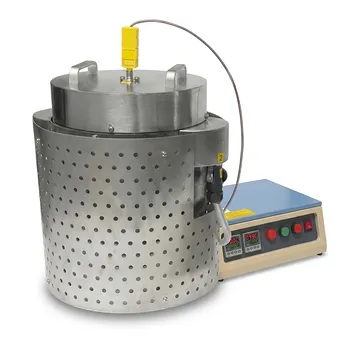
Vertical Crucible Furnace 1000C High Temperature Laboratory Equipment 4.7 Inch Diameter Chamber SS316 Anti Corrosive Enclosure
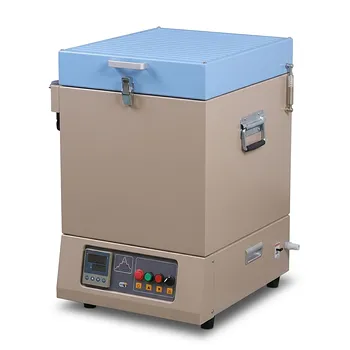
High Temperature Vertical Crucible Furnace with 22L Heating Chamber and 1200C Maximum Temperature
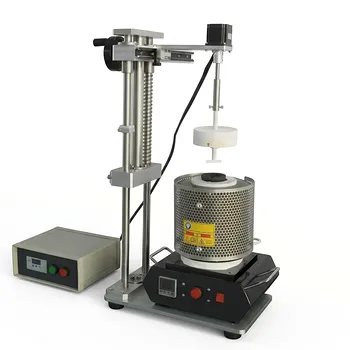
1100C Crucible Melting Furnace with Stirring Function for Glovebox and Air Sensitive Alloy Research
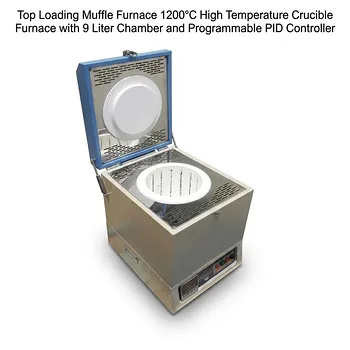
Top Loading Muffle Furnace 1200°C High Temperature Crucible Furnace with 9 Liter Chamber and Programmable PID Controller
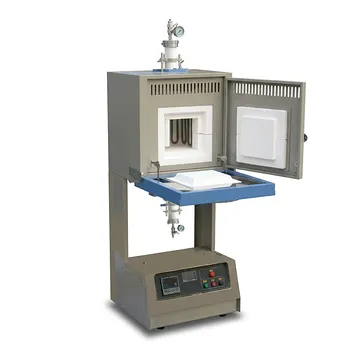
Vertical Hybrid High Temperature Furnace 1500C Alumina Tube SOFC Fuel Cell Testing Laboratory Heat Treatment Research Equipment
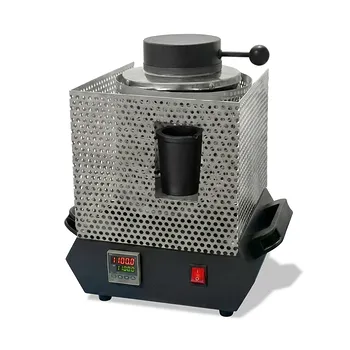
Compact Crucible Melting Furnace 1100C Programmable Temperature Controller Metal Sintering Equipment
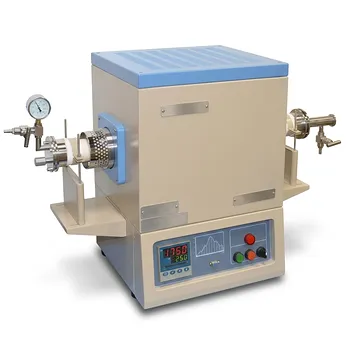
High Temperature Compact Vacuum Tube Furnace 1750C Max 60mm OD Alumina Tube
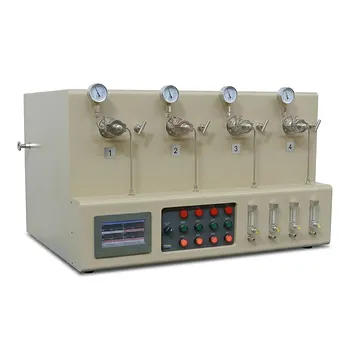
High Temperature 1700C 4 Channel Tube Furnace 1 Inch Alumina Tube for Hi-Throughput Annealing
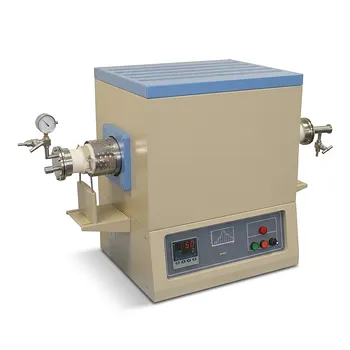
1700C High Temperature Alumina Tube Furnace with 18 Inch Heated Zone and Vacuum Sealing Flanges
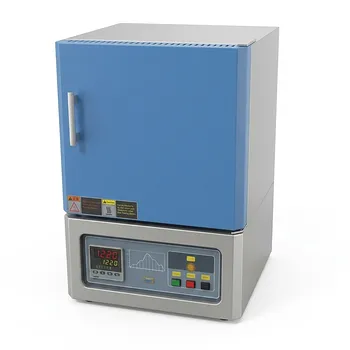
High Temperature Benchtop Muffle Furnace 1700C 10L Chamber Alumina Fiber Insulation MoSi2 Heating Elements

1750°C High Temperature Benchtop Vacuum Atmosphere Tube Furnace with Kanthal Super 1800 Heating Elements and 60mm Alumina Processing Tube

1800C High Temperature Compact Vacuum Tube Furnace with 60mm OD Alumina Tube and Kanthal MoSi2 Heating Elements
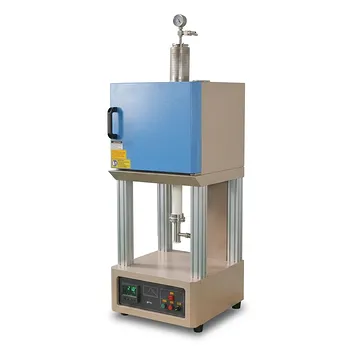
Hybrid High Temperature Tube and Box Furnace 1700C with 2 Inch Alumina Tube for Material Research
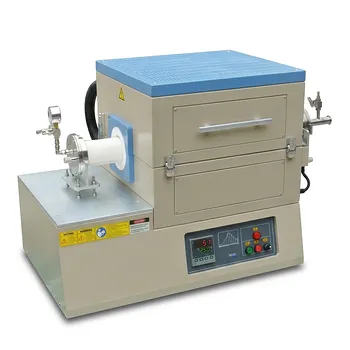
High Temperature 1700C Split Tube Furnace with Vacuum Flanges Valves and 60mm Alumina Tube
High Temperature 1800C Compact Muffle Furnace with Kanthal Super 1900 Heating Elements and 1.7L Alumina Chamber
1800C Bench Top Muffle Furnace with Kanthal Super 1900 Heating Elements and 3.6L Alumina Fiber Chamber