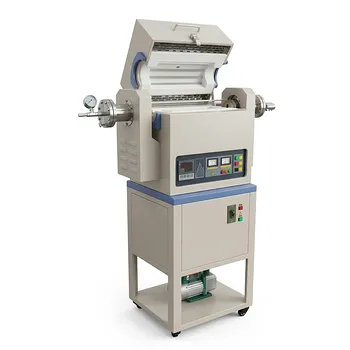
Why is a high-purity nitrogen system necessary for carbonization? Optimize Your Activated Carbon Pore Structure
Updated 3 months ago
Atmospheric control is the fundamental requirement for successful carbonization. A high-purity nitrogen system prevents the organic precursor from combusting into ash by displacing oxygen and creating a strictly anaerobic environment. Simultaneously, the controlled flow of gas acts as a transport medium to remove volatile by-products that would otherwise deposit back into the material and obstruct the development of the internal pore structure.
Core Takeaway: High-purity nitrogen serves the dual purpose of shielding carbon materials from oxidative destruction and actively purging gaseous by-products. This ensures the structural integrity of the carbon framework and maximizes the surface area necessary for high-performance adsorption.
The Role of Oxygen Exclusion in Material Preservation
Preventing Oxidative Combustion
At the high temperatures required for carbonization, organic materials will naturally burn if oxygen is present. High-purity nitrogen (typically 99.99%) displaces air within the furnace tube, ensuring the material undergoes pyrolysis—the thermal decomposition of organic matter in the absence of oxygen—rather than simple combustion.
Maximizing Carbon Yield
Without a protective inert atmosphere, the biomass precursor or resulting carbonized product would undergo ashing, where carbon is lost to the atmosphere as CO2. By maintaining an oxygen-free environment, the system ensures that the organic matter is converted into a carbon-rich biochar structure, maximizing the final yield of the process.
Preserving the Carbon Framework
The structural reconstruction of the carbon framework depends on a stable, inert environment. If oxygen enters the system, it causes non-selective oxidation, which can degrade the walls of the microscopic pores and compromise the mechanical strength of the activated carbon.
Pore Development and By-product Management
Flushing Volatile Impurities
As the material heats up, it releases various gaseous by-products, including carbon monoxide (CO), carbon dioxide (CO2), and water vapor. The continuous nitrogen flow flushes these volatiles out of the furnace, preventing them from interfering with the activation reactions.
Preventing Secondary Deposition
If gaseous by-products are not removed, they can undergo secondary deposition, where they condense or react back onto the carbon surface. This process clogs the newly formed pores, significantly reducing the adsorption performance and cleanliness of the final product.
Maintaining Chemical Equilibrium
A steady flow rate, such as 500 mL/min, helps maintain a stable chemical equilibrium within the furnace tube. By constantly removing reaction products, the nitrogen stream ensures that the activator and the carbon substrate react efficiently at the target temperature to form microporous and mesoporous structures.
Understanding the Trade-offs and Technical Limits
Flow Rate Sensitivity
While a high flow rate ensures effective flushing, an excessive flow can cause thermal gradients within the tube, cooling the sample and leading to uneven carbonization. Conversely, a flow rate that is too low may fail to fully displace oxygen or remove volatiles, leading to sample contamination.
Purity vs. Cost
Utilizing ultra-high-purity nitrogen increases operational costs but is essential for high-end research. Lower purity grades may contain trace oxygen or moisture, which can cause localized oxidation and diminish the quality of the pore-forming process over long heating cycles.
Equipment Protection
While nitrogen protects the sample, the gaseous by-products being flushed out—such as hydrogen and CO—can be corrosive or hazardous. The nitrogen system must be integrated with proper ventilation or scrubbing systems to protect the internal furnace components and the laboratory environment from corrosion.
How to Optimize Your Gas System for Your Project
Recommendations Based on Your Research Goals
- If your primary focus is maximizing adsorption capacity: Maintain a high-purity nitrogen flow (99.99%) at a consistent rate to ensure all volatile impurities are removed from the developing micropores.
- If your primary focus is high-volume yield: Focus on the integrity of the furnace seals and a slightly lower flow rate to minimize heat loss while strictly maintaining an anaerobic environment.
- If your primary focus is structural analysis of biochar: Use a precise mass flow controller to ensure the atmospheric conditions are perfectly repeatable across different heating profiles.
By viewing the nitrogen system as an active participant in the chemical reaction rather than a passive shield, you ensure the production of high-quality, high-surface-area activated carbon.
Summary Table:
| Feature | Function | Impact on Quality |
|---|---|---|
| Oxygen Exclusion | Displaces air (99.99% Purity) | Prevents oxidative combustion and maximizes carbon yield |
| Flow Control | Flushes volatile by-products | Prevents pore clogging and secondary deposition |
| Atmosphere Stability | Maintains anaerobic environment | Preserves mechanical strength and internal pore framework |
| Thermal Regulation | Optimized flow (e.g., 500 mL/min) | Ensures uniform heating and stable chemical equilibrium |
Elevate Your Carbonization Research with THERMUNITS
Achieving the perfect pore structure for activated carbon requires more than just heat—it requires precise atmospheric control. THERMUNITS is a leading manufacturer of high-temperature laboratory equipment for material science and industrial R&D. We offer a comprehensive range of thermal processing solutions, including Tube, Vacuum, Atmosphere, and Rotary furnaces, specifically designed to handle high-purity gas integration and precise flow management.
Whether you are focusing on biomass pyrolysis or high-performance adsorbent development, our expert-engineered CVD/PECVD systems and thermal elements provide the stability and repeatability your project demands. Optimize your material performance—contact our technical team today to find the ideal furnace solution for your lab!
References
- Pawan Kumar Mishra, Deval Prasad Bhattarai. Enhanced Energy Storage: Electrochemical Performance of ZnCl<sub>2</sub>-Activated Carbon Derived from Acacia catechu Bark. DOI: 10.5564/mjc.v25i52.3501
Mentioned Products
- High Temperature 1500C Benchtop Muffle Furnace 3.6L Alumina Fiber Chamber Programmable Controller Sintering Annealing Carbonization Thermal Processing System
- High Temperature 1700C Vertical Tube Furnace for Powder Spherification and Material Sintering
- Compact Vertical Split Quartz Tube Furnace with Stainless Steel Vacuum Flanges for Rapid Thermal Quenching and Controlled Atmosphere Material Processing
- 900°C Max Rotary Tube Furnace with 8 Inch 310S Alloy Tube and Optional Multi Zone Heating for Industrial Material Calcination
- 5 Inch Three Zone Rotary Tube Furnace with Integrated Gas Delivery System and 1200C Capability for Advanced Material CVD Processing
People Also Ask
- Why is annealing in a high-temperature muffle furnace necessary for SiO2/Si substrate pretreatment before monolayer WS2 synthesis?
- What is the purpose of using muffle or tube furnaces in glass synthesis? Achieve Precise Melt-Quenching & Homogeneity
- What is the role of a high-temperature muffle furnace in the synthesis of graphitic carbon nitride (g-C3N4)? - Guide
- What is the necessity of 950 °C muffle furnace for aluminate spinel supports? Achieve Phase Purity & Lattice Integration
- What is the function of a high-temp muffle furnace in Ni-V oxide synthesis? Optimize your material's performance.

Tech Team · ThermUnits
Last updated on Jun 03, 2026
Related Products
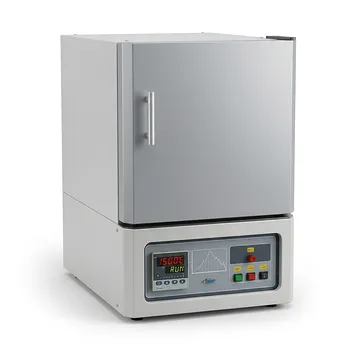
High Temperature 1500C Benchtop Muffle Furnace 3.6L Alumina Fiber Chamber Programmable Controller Sintering Annealing Carbonization Thermal Processing System

High Temperature 1700C Vertical Tube Furnace for Powder Spherification and Material Sintering

Compact Vertical Split Quartz Tube Furnace with Stainless Steel Vacuum Flanges for Rapid Thermal Quenching and Controlled Atmosphere Material Processing
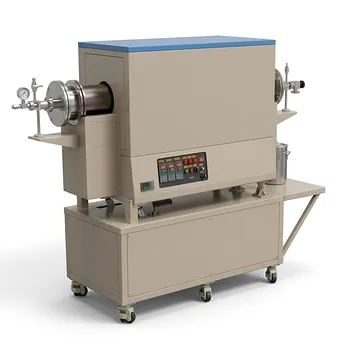
900°C Max Rotary Tube Furnace with 8 Inch 310S Alloy Tube and Optional Multi Zone Heating for Industrial Material Calcination
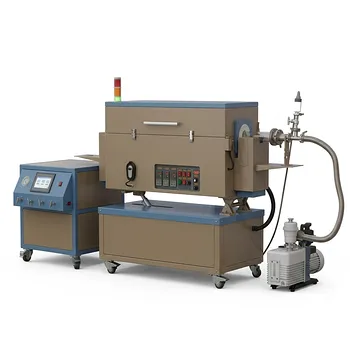
5 Inch Three Zone Rotary Tube Furnace with Integrated Gas Delivery System and 1200C Capability for Advanced Material CVD Processing
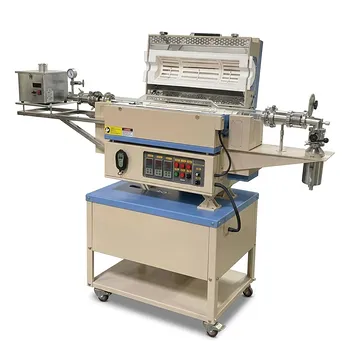
5 Inch Rotary Tube Furnace with Automatic Feeding and Receiving System 1200C Three Zone CVD Powder Processing

Compact High Temperature 1600C Tube Furnace with 50mm Alumina Tube and Vacuum Flanges for Material Sintering
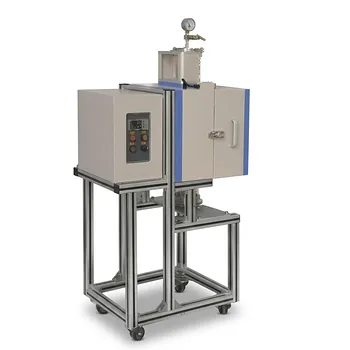
1200°C 5 Inch Vertical Quartz Tube Furnace with Stainless Steel Vacuum Flanges
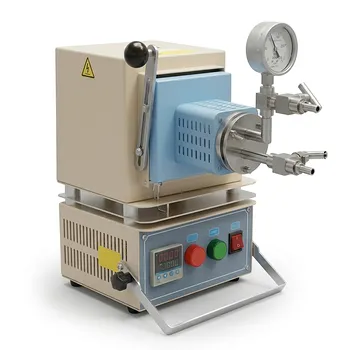
Compact Hybrid Muffle and Tube Furnace for 1000C Controlled Atmosphere Laboratory Material Sintering

High Temperature 1700C Benchtop Tube Furnace with 5 Inch Heating Zone High Purity Alumina Tube and Vacuum Sealing Flanges
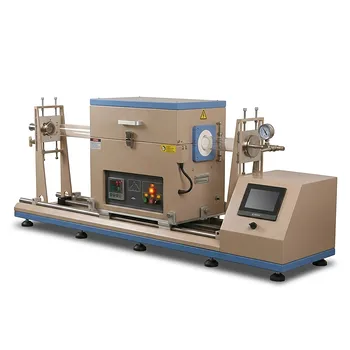
1200C Sliding Tube Furnace for Rapid Thermal Processing and CVD Graphene Growth with 100mm OD Capacity

Vertical 1700C Vacuum and Atmosphere Tube Furnace with 80mm Alumina Tube

1800C High Temperature Compact Vacuum Tube Furnace with 60mm OD Alumina Tube and Kanthal MoSi2 Heating Elements
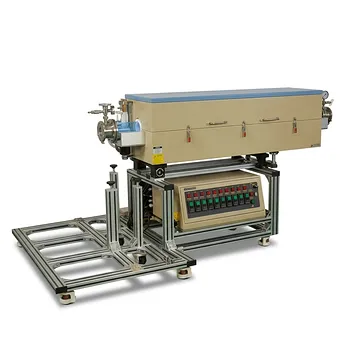
Ten Zone Multi Orientation Laboratory Tube Furnace for 1200C High Temperature Gradient Thermal Processing
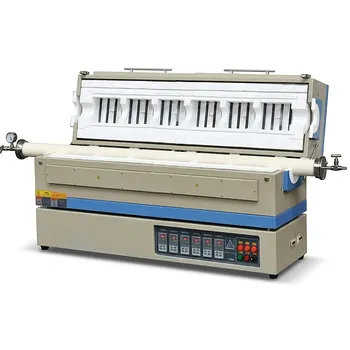
High Temperature 1700C Six Zone Split Tube Furnace with Alumina Tube and Water Cooled Flanges
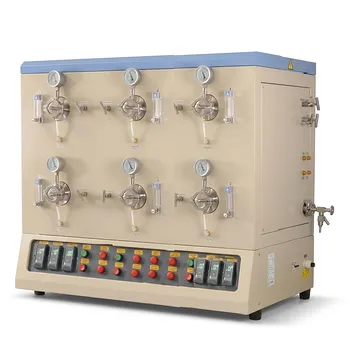
1200C High Throughput Multi Channel Tube Furnace with 50mm Quartz Tubes for Annealing and Material Phase Diagram Research
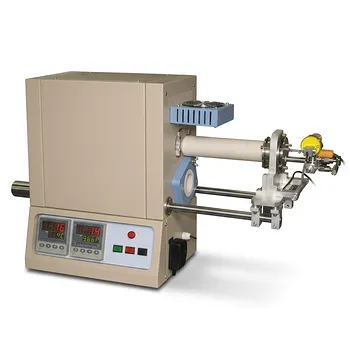
High Temperature Tube Furnace 1500C with Sliding Flanges and 50mm OD for Rapid Thermal Processing Fast Heating and Cooling

High Temperature Automated 5 Inch Tube Furnace for Autonomous Material Research and Advanced Laboratory R&D

High Temperature 1700C Tube Furnace with High Vacuum Turbomolecular Pump System and Multi Channel Mass Flow Controller Gas Mixer