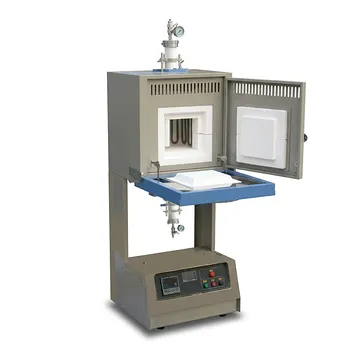
Why is a high-temperature atmosphere furnace and argon needed for Mo–Si–B alloys? Ensure Precision & Purity.
Updated 3 months ago
Achieving structural integrity in Mo–9.0Si–8.0B alloys requires a high-temperature atmosphere furnace and high-purity argon to reach 1600°C while preventing catastrophic material degradation. This specific setup ensures a stable isothermal environment necessary to eliminate residual stresses and chemical inhomogeneities leftover from the sintering process. Without the high-purity argon (typically 99.998%), the molybdenum-based alloy would undergo severe oxidation and volatilization losses, compromising its structural stability.
To successfully homogenize Mo–9.0Si–8.0B alloys, you must provide a 1600°C environment that is strictly isolated from oxygen. High-purity argon acts as a critical protective shield that maintains chemical composition and prevents the formation of deleterious phases that would otherwise inhibit material densification.
Achieving Structural and Chemical Uniformity
Reaching the 1600°C Isothermal Threshold
Mo–9.0Si–8.0B alloys require extreme temperatures for effective homogenization. A specialized atmosphere furnace is necessary to maintain a stable 1600°C isothermal environment for extended periods.
This high thermal energy is the driving force behind the diffusion of alloying elements. It allows the material to overcome the internal barriers created during initial processing.
Eliminating Residual Stresses and Inhomogeneities
The sintering process often leaves the alloy with residual stresses and uneven chemical distributions. Homogenization at 1600°C facilitates a more uniform microstructure by allowing elements to redistribute evenly throughout the matrix.
By removing these internal gradients, the furnace treatment establishes a stable microstructural foundation. This is essential for the material to perform reliably in high-stress applications.
The Critical Role of High-Purity Argon
Preventing Oxidation and Volatilization
Molybdenum and its alloys are highly susceptible to oxidation and volatilization when exposed to oxygen at elevated temperatures. At 1600°C, even trace amounts of oxygen can lead to significant mass loss and surface degradation.
Using high-purity argon (99.998%) creates a chemically inert environment. This isolates the alloy from oxygen interference, preserving the bulk chemical composition and structural integrity of the material.
Protecting Reactive Alloying Elements
The silicon (Si) and boron (B) components within the alloy are extremely reactive. In the presence of oxygen, these elements can form oxides rather than the intended intermetallic phases.
Specifically, argon prevents the formation of a B2O3 glass phase. This glass phase is detrimental because it can coat particles and inhibit the densification of the material during heat treatment.
Guiding Thermodynamic Pathways
Maintaining an inert atmosphere ensures that chemical reactions follow the intended thermodynamic pathways. This facilitates the formation of strengthening phases like TiB2 or SiC if additives are present.
An oxygen-free environment prevents the ablation of secondary phases and the formation of oxide scales. This ensures that the final product meets the precise purity requirements of high-performance engineering.
Understanding the Trade-offs and Risks
The Cost of Ultra-High Purity
Maintaining a 99.998% argon environment is significantly more expensive than using standard industrial-grade gases. However, using lower-purity gas at 1600°C introduces the risk of interstitial contamination, which can embrittle the molybdenum matrix.
Equipment Complexity at 1600°C
Operating a furnace consistently at 1600°C requires specialized heating elements and high-grade refractory materials. Any failure in the atmosphere control system during the cycle can result in the immediate and total loss of the alloy batch due to rapid oxidation.
Long Duration Requirements
Homogenization is rarely a quick process; it often requires hours or even days to achieve true chemical uniformity. The primary challenge is maintaining the seal integrity of the furnace over these long durations to prevent atmospheric leaching.
How to Apply This to Your Project
Recommendations for Material Processing
- If your primary focus is maximum material density: Ensure the argon purity remains at or above 99.998% to prevent the formation of B2O3 glass phases that stop densification.
- If your primary focus is microstructural precision: Utilize a continuous-flow argon system rather than a static charge to ensure any outgassed impurities are purged from the furnace.
- If your primary focus is cost-efficiency: Invest in high-quality furnace seals and vacuum purging cycles before heating to reduce the volume of high-purity argon required during the soak.
The synthesis of a high-temperature isothermal environment and a strictly inert argon atmosphere is the only way to transform a raw Mo–Si–B sinter into a homogenized, high-performance alloy.
Summary Table:
| Requirement | Technical Purpose |
|---|---|
| 1600°C Isothermal Heat | Drives element diffusion and eliminates residual stresses |
| 99.998% High-Purity Argon | Prevents molybdenum oxidation and material volatilization |
| Inert Atmosphere Shield | Protects Si and B elements from forming deleterious phases |
| Atmosphere Control | Inhibits B2O3 glass phases to facilitate full densification |
Elevate Your Material Research with THERMUNITS
Precision is non-negotiable for high-performance alloys like Mo–Si–B. As a leading manufacturer of high-temperature laboratory equipment, THERMUNITS provides the advanced thermal processing solutions required for complex industrial R&D. From Atmosphere and Vacuum Furnaces to Muffle, Tube, and Hot Press systems, our equipment ensures the strict 1600°C isothermal stability and gas purity your projects demand.
Contact our experts today to optimize your heat treatment workflow.
References
- Katharina Beck, Mathias C. Galetz. Hot corrosion behavior of Mo–9.0Si–8.0B. DOI: 10.1002/maco.202414347
Mentioned Products
- High Temperature Economic Hydrogen Gas Box Furnace 1600C Atmosphere Controlled Thermal Processing System 65L Capacity
- High Temperature Horizontal Electrical Assisted Sintering Furnace with 3KW Programmable Power Source for Advanced Ceramic Materials
- 1650C High Temperature Atmosphere Controlled Box Furnace with 65L Chamber for Advanced Material Sintering and Industrial Heat Treatment
- Hybrid High Temperature Tube and Box Furnace 1700C with 2 Inch Alumina Tube for Material Research
- High Temperature Benchtop Muffle Furnace 1700C 10L Chamber Alumina Fiber Insulation MoSi2 Heating Elements
People Also Ask
- What is the role of a high-temperature box furnace in the solid-state synthesis of Europium-doped M3MgSi2O8 phosphors?
- What is the role of a high-temperature box furnace in Na3MnZr(PO4)3 synthesis? Engineering High-Performance NASICON.
- What role does an industrial-grade high-temperature furnace play in C2F sintering? Achieve Pure Phase and High Strength
- How does a high-temp box furnace aid rare-earth oxysulfide phosphor synthesis? Enhance Purity & Luminescence
- Why is a high-temperature box furnace required for 1250°C ferrite calcination? Ensure Precise Phase Transformation.

Tech Team · ThermUnits
Last updated on Jun 02, 2026
Related Products
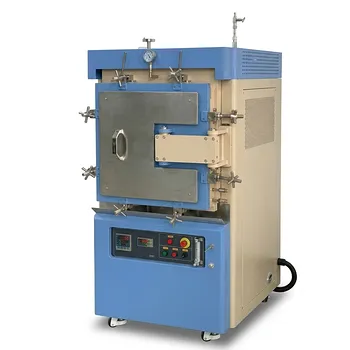
High Temperature Economic Hydrogen Gas Box Furnace 1600C Atmosphere Controlled Thermal Processing System 65L Capacity
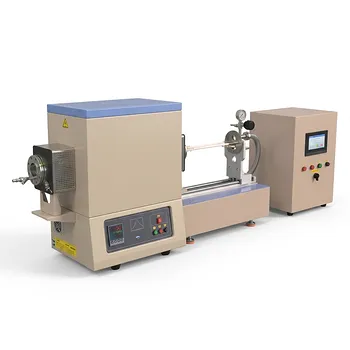
High Temperature Horizontal Electrical Assisted Sintering Furnace with 3KW Programmable Power Source for Advanced Ceramic Materials
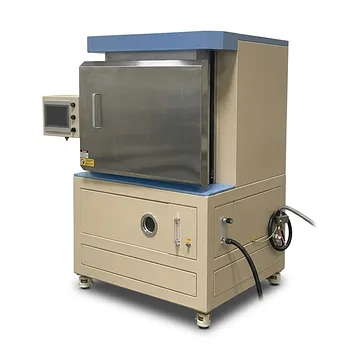
1650C High Temperature Atmosphere Controlled Box Furnace with 65L Chamber for Advanced Material Sintering and Industrial Heat Treatment
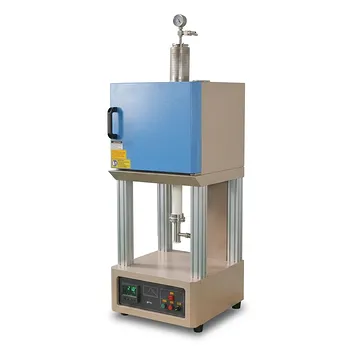
Hybrid High Temperature Tube and Box Furnace 1700C with 2 Inch Alumina Tube for Material Research
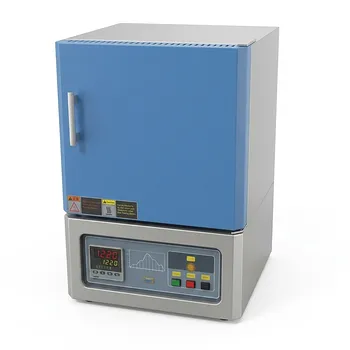
High Temperature Benchtop Muffle Furnace 1700C 10L Chamber Alumina Fiber Insulation MoSi2 Heating Elements
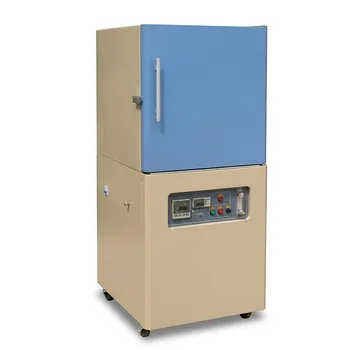
High Temperature Muffle Furnace with Dual Controllers and 36L Large Chamber 1700C Max
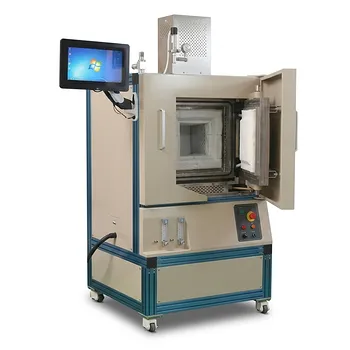
High Temperature Oxygen and Inert Atmosphere Controlled Furnace 8 Liter 1700C Sintering System for Advanced Materials RD
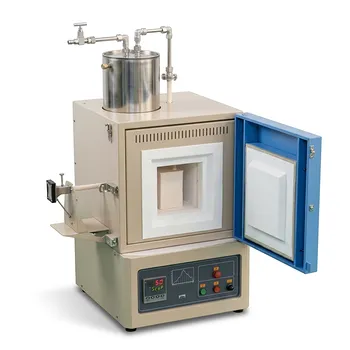
High Temperature Bench Top Muffle Furnace 1700C with Integrated Evaporating Particle Collection and 8x8x8 Alumina Fiber Chamber
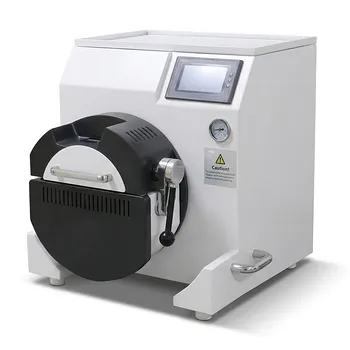
Desktop Induction Melting Furnace with Automatic Rotary Casting Function up to 1700C for Advanced Metal Alloy Research
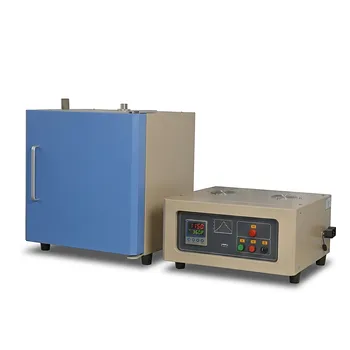
High Temperature Muffle Furnace with Alloy Chamber for Debinding and Sintering Applications
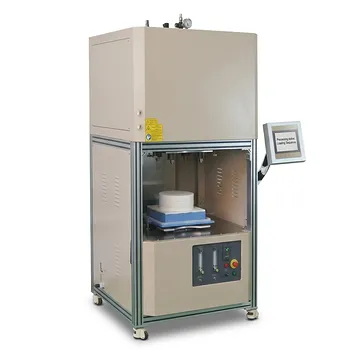
High Temperature Vertical Atmosphere Controlled Furnace with Automatic Bottom Loading and 1700°C Capacity for Advanced Material Research
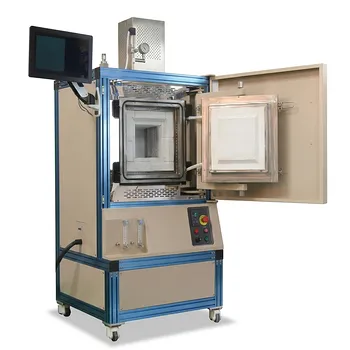
High Temperature Hydrogen Atmosphere Box Furnace 1650C Max Reducing Environment Material Synthesis System 8x8x8 Chamber

High Temperature 1700C Vertical Tube Furnace for Powder Spherification and Material Sintering
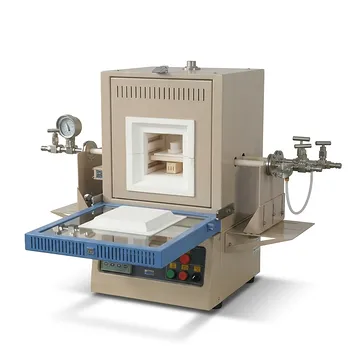
1700C Compact Hybrid Furnace with Dual Layer Box Sintering and Controlled Atmosphere Alumina Tubes
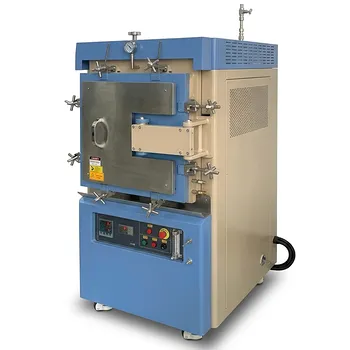
Atmosphere Controlled Muffle Furnace 1700C Maximum Temperature 80L High Capacity Vacuum Inert Gas Box Furnace
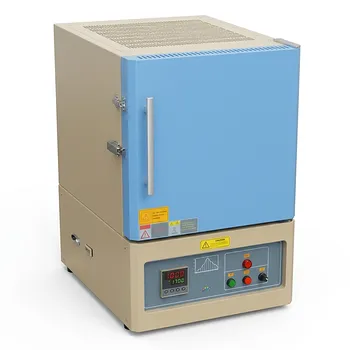
Large Bench Top 1700C High Temperature Muffle Furnace with 19L Chamber for Advanced Material Sintering and Annealing
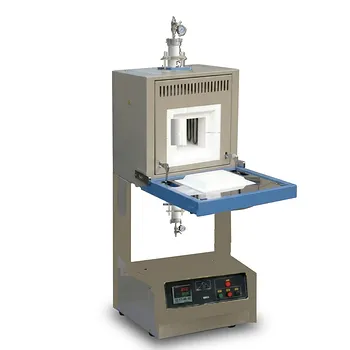
High Temperature Vertical Hybrid Furnace with Alumina Tube and SiC Heating for SOFC Coin Cell Testing and Atmosphere Processing
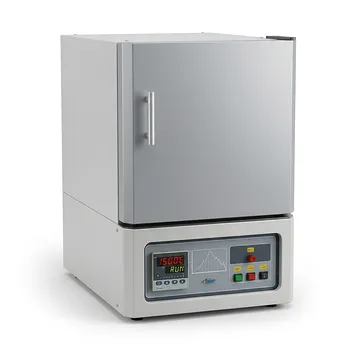
High Temperature 1500C Benchtop Muffle Furnace 3.6L Alumina Fiber Chamber Programmable Controller Sintering Annealing Carbonization Thermal Processing System
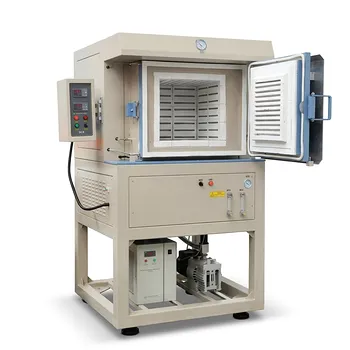
1200°C Five Side Heating Atmosphere Controlled Muffle Furnace 64 Liter High Uniformity Box Furnace for Material Synthesis