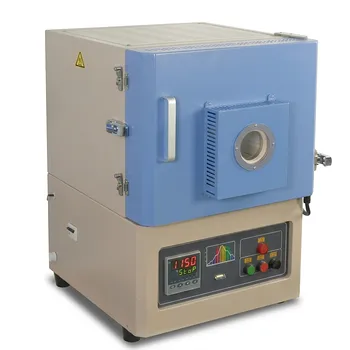
Why is a high-temperature box-type resistance furnace required for MnNi2O4 nanofibers? Master Calcination Precision.
Updated 3 months ago
A high-temperature box-type resistance furnace is the fundamental tool for converting electrospun precursor membranes into functional MnNi₂O₄ nanofibers. This specific equipment provides the uniform thermal field necessary to oxidize the polymer matrix (such as PAN or PVP) while simultaneously driving the solid-phase reaction of metal salts into a precise crystalline structure. By strictly controlling the thermal environment, the furnace ensures that nanoparticles self-assemble into a one-dimensional nanofiber morphology rather than collapsing into bulk powder.
Core Takeaway: The box-type furnace acts as a controlled reactor that balances the simultaneous removal of organic templates and the crystallization of metal oxides. Its primary value lies in its ability to maintain a stable, uniform atmosphere and precise heating rates, which are critical for achieving the specific phase purity and 1D structural integrity of MnNi₂O₄.
The Role of Oxidative Decomposition and Template Removal
Eliminating the Polymer Matrix
The synthesis of nanofibers via electrospinning requires a polymer carrier, such as PAN, to provide the initial mechanical structure. The box furnace, operating in an air atmosphere, facilitates the oxidative decomposition of this polymer, turning it into gaseous byproducts like CO₂.
Facilitating the Solid-Phase Reaction
As the polymer decomposes, the metal salt precursors are brought into close contact at high temperatures. The furnace provides the thermal energy required for these salts to undergo a solid-phase reaction, allowing manganese and nickel ions to rearrange into the MnNi₂O₄ lattice.
Managing Gas Evolution in Air
Unlike inert environments, the air atmosphere in a box furnace allows oxygen to participate in the reaction. This presence of oxygen is vital for ensuring the transition of metal precursors into their highest stable oxidation states and maintaining the correct stoichiometry of the oxide.
Precision Control of Crystallinity and Morphology
Guiding Self-Assembly into 1D Structures
The transition from a precursor "mat" to distinct nanofibers depends on the orderly self-assembly of nanoparticles. A high-temperature box furnace allows for a steady thermal environment where nanoparticles can align along the original fiber axis before the structure can collapse.
Achieving Phase Purity and Lattice Development
High-precision furnaces can reach and maintain specific temperatures, such as 850°C, which are necessary for inducing the transformation into stable crystalline phases. This stable heat ensures sufficient lattice development, which minimizes internal stress and maximizes the material's electrochemical reversibility.
Influence of Heating Rates on Grain Growth
The furnace’s ability to control the heating rate (e.g., 2°C/min) is a critical variable. A controlled ramp-up prevents a "thermal shock" that could cause the fibers to break or the pores to close prematurely, ensuring a high specific surface area.
Understanding the Trade-offs and Constraints
Atmosphere Sensitivity
While an air atmosphere is required for MnNi₂O₄ to oxidize the precursors, it can be a limitation for other materials. If the temperature is too high or the air flow is insufficient, residual carbon might remain trapped, or the material may over-oxidize, altering its intended electronic properties.
Thermal Gradients within the Box
Despite being designed for uniformity, larger box furnaces can experience thermal gradients where the center is hotter than the edges. This can lead to non-uniform crystallization across a large batch of electrospun membranes, resulting in inconsistent electrochemical performance.
Energy and Time Intensity
High-temperature calcination is energy-intensive and requires long isothermal holding times to ensure the complete removal of structural water and organic impurities. This slow process is necessary for quality but limits high-throughput manufacturing.
Applying This Knowledge to Your Synthesis
Making the Right Choice for Your Goal
- If your primary focus is maximizing electrochemical surface area: Utilize a slow heating rate (1-2°C/min) to allow the polymer to decompose slowly, preventing the collapse of the nanofiber's internal pore structure.
- If your primary focus is achieving high phase purity: Ensure the furnace is calibrated for high-temperature stability (above 800°C) and maintain a longer holding time to allow for complete lattice perfection.
- If your primary focus is preventing structural fragility: Use a box furnace with programmable cooling stages to eliminate internal stresses that occur during the contraction of the fiber as it cools from calcination temperatures.
The precision of the thermal field within the furnace is the deciding factor between a disorganized mass of nanoparticles and a high-performance 1D nanofiber framework.
Summary Table:
| Process Phase | Furnace Role | Impact on MnNi2O4 Nanofibers |
|---|---|---|
| Template Removal | Oxidative decomposition | Eliminates polymer matrix (PAN/PVP) via air atmosphere. |
| Phase Transition | Solid-phase reaction thermal energy | Drives metal salt rearrangement into precise MnNi2O4 lattice. |
| Morphology Control | Uniform thermal field | Guiding nanoparticle self-assembly into 1D fiber structures. |
| Crystal Growth | Controlled heating rates | Prevents thermal shock and maintains high specific surface area. |
Elevate Your Advanced Material Research with THERMUNITS
Achieving the perfect 1D morphology and phase purity in nanofibers requires more than just heat—it requires total thermal control. THERMUNITS is a leading manufacturer of high-temperature laboratory equipment, providing the precision and stability essential for material science and industrial R&D.
From calcining MnNi₂O₄ nanofibers to advanced metal casting, our comprehensive range of thermal solutions includes:
- High-Temperature Furnaces: Muffle, Vacuum, Atmosphere, Tube, Rotary, and Hot Press systems.
- Specialized Systems: CVD/PECVD units, Vacuum Induction Melting (VIM) furnaces, and Electric Rotary Kilns.
- R&D Essentials: Dental Furnaces, high-quality Thermal Elements, and custom heat treatment equipment.
Don't let thermal gradients compromise your synthesis results. Ensure peak performance for your materials with our industry-leading technology.
Contact Our Engineering Team for a Solution
References
- Bin Yang, Mingyi Zhang. NiS2/NiS/Mn2O3 Nanofibers with Enhanced Oxygen Evolution Reaction Activity. DOI: 10.3390/molecules29163892
Mentioned Products
- High Temperature 1700℃ Eight Chamber Box Furnace with Automatic Doors for Autonomous Material Research and High Throughput Heat Treatment
- 1650C High Temperature Atmosphere Controlled Box Furnace with 65L Chamber for Advanced Material Sintering and Industrial Heat Treatment
- High Temperature Four Chamber Box Furnace for High Throughput Materials Research and Space Saving Thermal Processing
- Automated 1700C High Temperature Bottom Loading Box Furnace with PC Software Control and Robotic Integration Capability
- Hybrid High Temperature Tube and Box Furnace 1700C with 2 Inch Alumina Tube for Material Research
People Also Ask
- What is the role of a high-temperature box furnace in the solid-state synthesis of Europium-doped M3MgSi2O8 phosphors?
- What is the role of a high-temperature box furnace in Na3MnZr(PO4)3 synthesis? Engineering High-Performance NASICON.
- Why is a high-temperature box furnace required for 1250°C ferrite calcination? Ensure Precise Phase Transformation.
- How does a high-temp box furnace aid rare-earth oxysulfide phosphor synthesis? Enhance Purity & Luminescence
- What role does an industrial-grade high-temperature furnace play in C2F sintering? Achieve Pure Phase and High Strength

Tech Team · ThermUnits
Last updated on Jun 03, 2026
Related Products
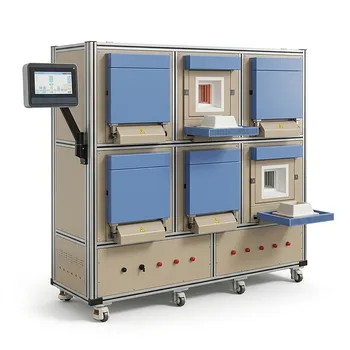
High Temperature 1700℃ Eight Chamber Box Furnace with Automatic Doors for Autonomous Material Research and High Throughput Heat Treatment
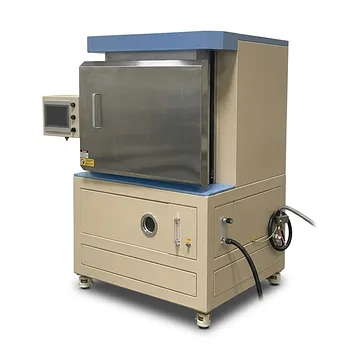
1650C High Temperature Atmosphere Controlled Box Furnace with 65L Chamber for Advanced Material Sintering and Industrial Heat Treatment
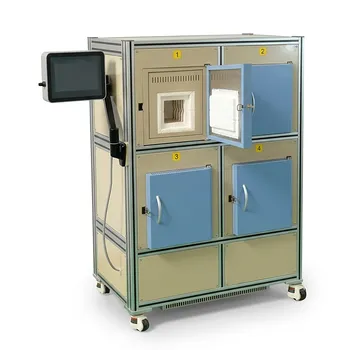
High Temperature Four Chamber Box Furnace for High Throughput Materials Research and Space Saving Thermal Processing
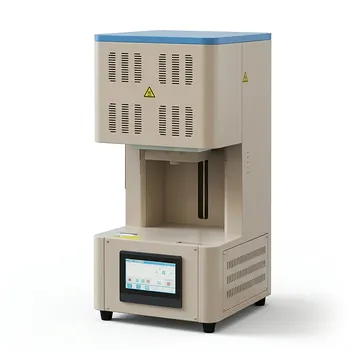
Automated 1700C High Temperature Bottom Loading Box Furnace with PC Software Control and Robotic Integration Capability
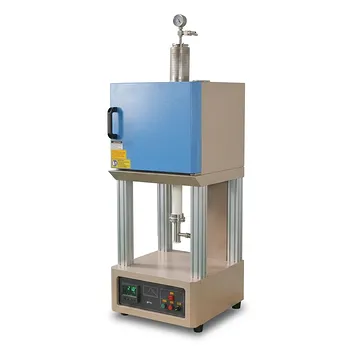
Hybrid High Temperature Tube and Box Furnace 1700C with 2 Inch Alumina Tube for Material Research
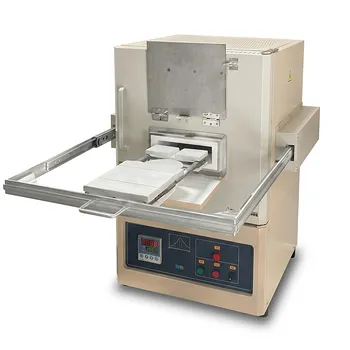
1700C Box Furnace with Sliding Platform for Rapid Heating and Cooling High Temperature Thermal Processing System
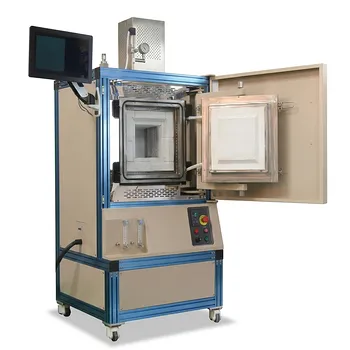
High Temperature Hydrogen Atmosphere Box Furnace 1650C Max Reducing Environment Material Synthesis System 8x8x8 Chamber
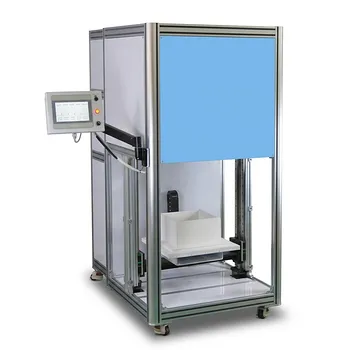
High Temperature 1600°C Three Zone Heated Bottom Loading Box Furnace with Rapid Thermal Processing Chamber 72L Volume
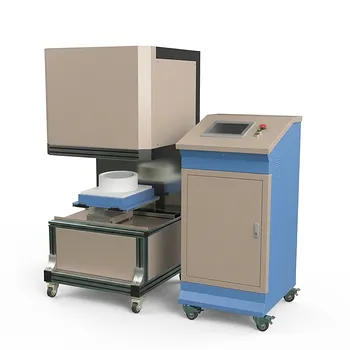
High Temperature Bottom Loading Box Furnace for Rapid Thermal Processing 1700C 40L Capacity
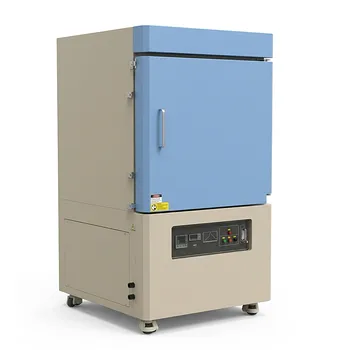
Industrial Large Box Furnace 1700C 216L High Temp Muffle Sintering System
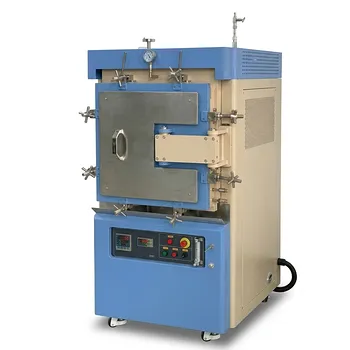
High Temperature Economic Hydrogen Gas Box Furnace 1600C Atmosphere Controlled Thermal Processing System 65L Capacity
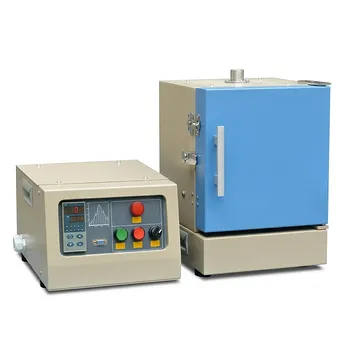
1200C Small Box Muffle Furnace with Separated Programmable Controller and 4.2L Alumina Fiber Chamber
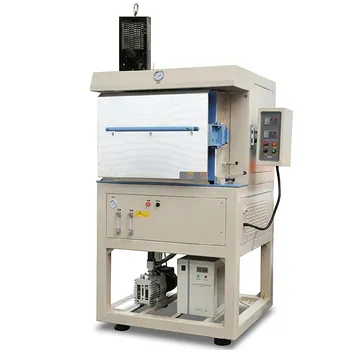
1200C Hydrogen Atmosphere Box Furnace with 5 Heated Sides and 64L Chamber
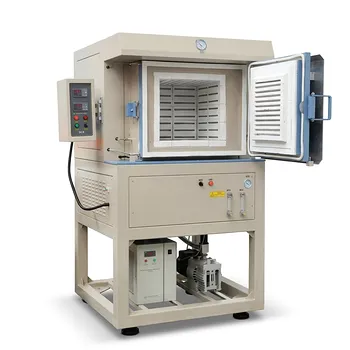
1200°C Five Side Heating Atmosphere Controlled Muffle Furnace 64 Liter High Uniformity Box Furnace for Material Synthesis
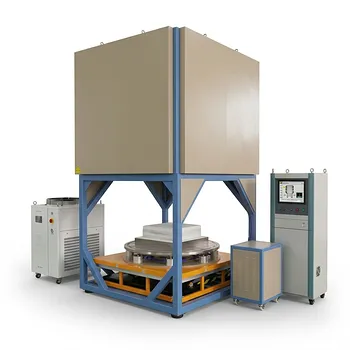
Bottom Loaded Inert Gas Atmosphere Box Furnace 1700C 1300C 216L Large Capacity Industrial Thermal Processing System
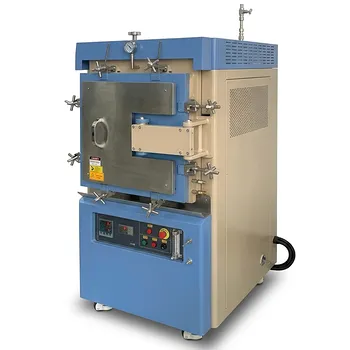
Atmosphere Controlled Muffle Furnace 1700C Maximum Temperature 80L High Capacity Vacuum Inert Gas Box Furnace
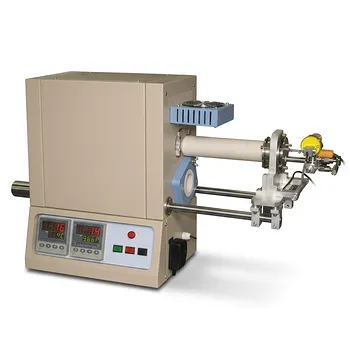
High Temperature Tube Furnace 1500C with Sliding Flanges and 50mm OD for Rapid Thermal Processing Fast Heating and Cooling

High Temperature 1700C Tube Furnace with High Vacuum Turbomolecular Pump System and Multi Channel Mass Flow Controller Gas Mixer
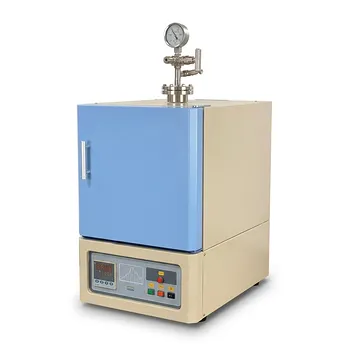
Hybrid High Temperature Muffle and Tube Furnace with 1500C Capability and Vacuum Flange Assembly