Why is a high-temperature tube furnace utilized for the 400°C calcination of TiO2 nanotubes? Enhance Anatase Phase & UV Response
Updated 3 months ago
The utilization of a high-temperature tube furnace for the 400°C calcination of Titanium Dioxide (TiO2) nanotubes is driven by the need for precise phase transformation and electronic optimization. This specific thermal process transitions the material from an unstable amorphous state into a photoelectrically active anatase phase. Furthermore, the furnace's controlled environment reduces exciton-like traps and oxygen vacancies, which are critical for maximizing the efficiency of ultraviolet (UV) photodetectors.
Core Takeaway: A high-temperature tube furnace is the definitive tool for TiO2 nanotube processing because it provides the precise thermal and atmospheric control necessary to achieve high crystallinity, remove organic impurities, and optimize charge carrier mobility for advanced electronic applications.
Achieving Phase Transformation and Crystallinity
Transition from Amorphous to Anatase
At 400°C, the primary objective is to induce a structural shift. The tube furnace provides the steady thermal energy required to rearrange the amorphous titanium precursor into a highly organized anatase crystalline phase.
Enhancing Photoelectric Activity
The anatase phase is specifically targeted because it is significantly more photoelectrically active than its amorphous counterpart. This transformation is vital for the material’s performance in applications such as photocatalysis and solar energy conversion.
Grain Size and Structural Stability
Precise temperature regulation allows for the adjustment of grain size and specific surface area. By maintaining a constant environment, the furnace ensures the nanotubes stabilize without losing their unique architectural integrity.
Electronic Optimization and Trap Reduction
Controlling Oxygen Vacancies
The tube furnace allows for calcination within an oxygen-containing environment. This specific atmosphere is essential for reducing oxygen vacancy concentrations within the TiO2 lattice.
Eliminating Exciton-like Traps
Continuous, uniform heating effectively minimizes exciton-like traps that hinder performance. This reduction is a prerequisite for enhancing charge carrier mobility, which allows electrons to move more freely through the nanotubes.
Improving UV Response Efficiency
By optimizing the internal electronic structure, the furnace directly improves the response efficiency of UV photodetectors. The resulting material exhibits faster reaction times and higher sensitivity to ultraviolet light.
Purification and Structural Integrity
Removal of Organic Impurities
During the synthesis of nanotubes, organic surfactants and residual solvents are often present. The 400°C environment facilitates the pyrolysis and removal of these impurities, ensuring the final product reaches high purity levels.
Preventing Shell Collapse
A key advantage of the tube furnace is its ability to follow precise heating rates (e.g., 5°C per minute). This gradual ramp-up prevents the rapid gas evolution that leads to shell collapse or cracking in delicate nanotube structures.
Achieving Chemical Homogeneity
The enclosed nature of the tube ensures that the thermal gradient remains consistent across the entire sample. This results in chemical homogeneity, meaning every nanotube in the batch undergoes the same quality of transformation.
Understanding the Trade-offs
Thermal Overshoot Risks
If the furnace is not properly calibrated, a temperature overshoot can occur. Exceeding 400°C significantly may trigger an unwanted transition from the anatase phase to the rutile phase, which typically has lower photocatalytic activity.
Atmosphere Sensitivity
The performance gains are highly dependent on the gas composition inside the tube. If the seal is compromised and oxygen levels fluctuate, the reduction of oxygen vacancies will be inconsistent, leading to variable electronic performance.
Throughput vs. Precision
While tube furnaces offer superior control, they often have smaller batch capacities compared to large muffle furnaces. This necessitates a balance between the high precision required for research and the volume needs of industrial production.
How to Apply This to Your Project
Recommendations for Implementation
- If your primary focus is UV Photodetection: Prioritize a tube furnace with integrated oxygen flow controllers to aggressively minimize exciton-like traps.
- If your primary focus is Structural Integrity: Utilize a programmable controller to set a slow heating ramp (3-5°C/min) to prevent the nanotubes from cracking during surfactant removal.
- If your primary focus is Photocatalytic Purity: Ensure the calcination period is maintained for at least 2 to 5 hours at 400°C to guarantee the total elimination of residual organic xerogels.
By masterfully controlling the thermal and atmospheric variables within a tube furnace, you can unlock the full photoelectric potential of TiO2 nanotubes while maintaining their delicate structural morphology.
Summary Table:
| Feature | Impact on TiO2 Nanotubes | Why It Matters |
|---|---|---|
| Phase Control | Amorphous to Anatase transition | Maximizes photoelectric activity |
| Atmosphere Control | Reduces oxygen vacancies | Improves UV detector sensitivity |
| Thermal Stability | Minimizes exciton-like traps | Enhances charge carrier mobility |
| Precision Ramping | Prevents shell collapse/cracking | Maintains structural integrity |
| Purification | Pyrolysis of organic surfactants | Ensures high chemical homogeneity |
Elevate Your Material Research with THERMUNITS Precision
At THERMUNITS, we understand that achieving the perfect anatase phase in TiO2 nanotubes requires uncompromising thermal and atmospheric control. As a leading manufacturer of high-temperature laboratory equipment, we provide the specialized tools necessary for advanced material science and industrial R&D.
Our comprehensive range of solutions includes:
- Tube & Atmosphere Furnaces: Perfect for the precise calcination and gas-sensitive processing of nanotubes.
- CVD/PECVD Systems: For advanced thin-film and nanostructure synthesis.
- Comprehensive Thermal Range: Including Muffle, Vacuum, Rotary, and Hot Press furnaces, as well as Vacuum Induction Melting (VIM) and Thermal Elements.
Whether you are optimizing UV photodetectors or developing next-generation photocatalysts, THERMUNITS delivers the reliability and accuracy your research demands.
Ready to optimize your thermal processing? Contact our technical experts today to find the ideal furnace solution for your laboratory.
References
- Khaled M. Chahrour. Fast Response UV Photodetector Based on Aligned Arrays of Anodic Anatase TiO2 Nanotubes. DOI: 10.34248/bsengineering.1469538
Mentioned Products
- Dual Zone Rotary Tube Furnace for Uniform Powder Calcination 1000C 2 Inch Quartz Tube
- 900°C Max Rotary Tube Furnace with 8 Inch 310S Alloy Tube and Optional Multi Zone Heating for Industrial Material Calcination
- Automated 1200 C Tube Furnace for AI Material Research with 6 Inch OD and Sliding Flange
- Multi Position Tube Furnace 1100C for Laboratory Material Research and Advanced Industrial Thermal Processing
- Compact High Temperature 1600C Tube Furnace with 50mm Alumina Tube and Vacuum Flanges for Material Sintering
People Also Ask
- How does a high-precision dual-zone furnace control the structure of nickel-telluride nanoparticles during VS reactions?
- How do internal alternating plates guide particle movement in a rotary furnace? Optimize Heat Exchange & Flow Control
- How does rotational angular velocity impact rotary furnace performance? Optimize Throughput and Thermal Accuracy
- How does the baffle angle affect particle flow in a rotary calcination furnace? Master Flow & Heat Efficiency
- What is the primary function and operating principle of a rotary furnace? Maximize Thermal Processing Efficiency

Tech Team · ThermUnits
Last updated on Jun 03, 2026
Related Products
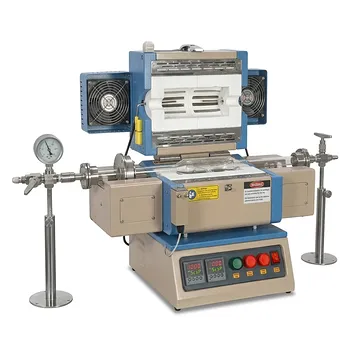
Dual Zone Rotary Tube Furnace for Uniform Powder Calcination 1000C 2 Inch Quartz Tube
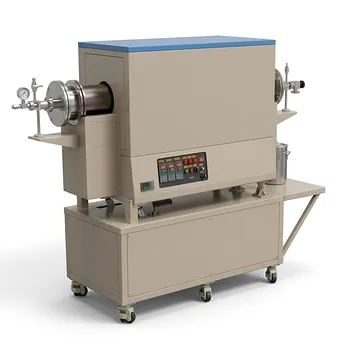
900°C Max Rotary Tube Furnace with 8 Inch 310S Alloy Tube and Optional Multi Zone Heating for Industrial Material Calcination
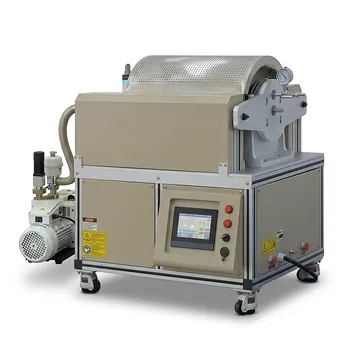
Automated 1200 C Tube Furnace for AI Material Research with 6 Inch OD and Sliding Flange
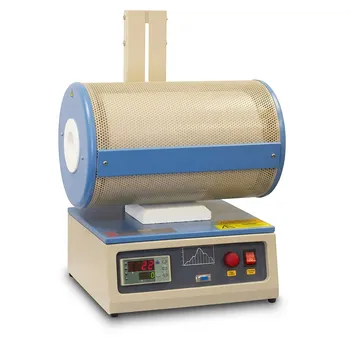
Multi Position Tube Furnace 1100C for Laboratory Material Research and Advanced Industrial Thermal Processing

Compact High Temperature 1600C Tube Furnace with 50mm Alumina Tube and Vacuum Flanges for Material Sintering

Compact Vertical Split Quartz Tube Furnace with Stainless Steel Vacuum Flanges for Rapid Thermal Quenching and Controlled Atmosphere Material Processing
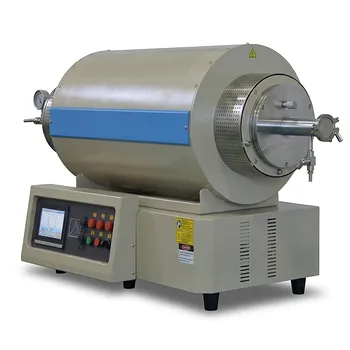
1200C Max Three Zone Tube Furnace 6 Inch OD Max with Tube and Flange

Vertical 1700C Vacuum and Atmosphere Tube Furnace with 80mm Alumina Tube

1800C High Temperature Compact Vacuum Tube Furnace with 60mm OD Alumina Tube and Kanthal MoSi2 Heating Elements
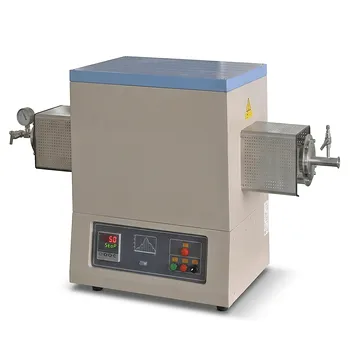
High Temperature 1700C Tube Furnace with 4 Inch OD Alumina Tube and Vacuum Sealing Flanges

High Temperature Automated 5 Inch Tube Furnace for Autonomous Material Research and Advanced Laboratory R&D
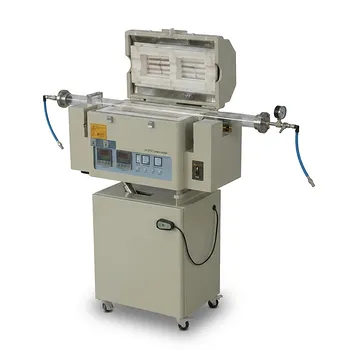
Double Temperature Revolving Tube Furnace with Precision Rotation and Adjustable Inclination for Advanced Material Research
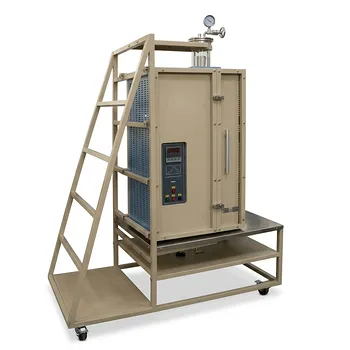
Split Vertical Tube Furnace with 1200C Quartz Tube and Stainless Steel Vacuum Flanges for Rapid Thermal Processing
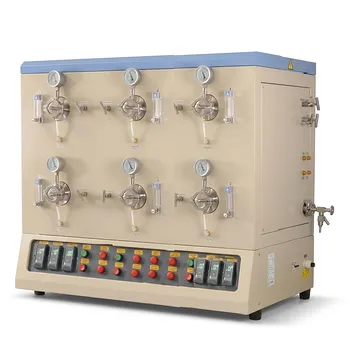
1200C High Throughput Multi Channel Tube Furnace with 50mm Quartz Tubes for Annealing and Material Phase Diagram Research
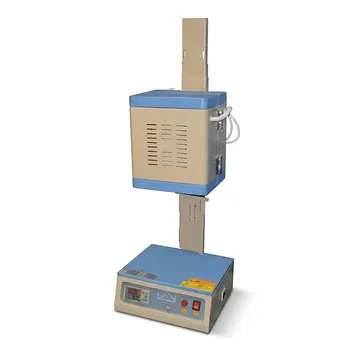
High Temperature Vertical Split Tube Furnace with PID Temperature Controller for 1 and 2 Inch Processing Tubes

1200°C 5 Inch Vertical Quartz Tube Furnace with Stainless Steel Vacuum Flanges
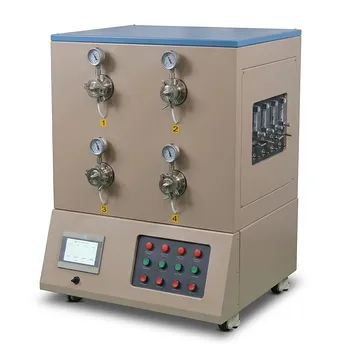
High Throughput 1200C Four Channel Tube Furnace with 3 Inch Quartz Tubes for Multi Zone Annealing and Material Research

High Temperature 1700C Benchtop Tube Furnace with 5 Inch Heating Zone High Purity Alumina Tube and Vacuum Sealing Flanges
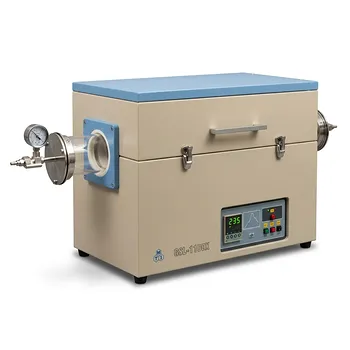
Single Zone Tube Furnace 5 Inch Quartz Tube 36 Inch Heating Zone Vacuum Flanges
