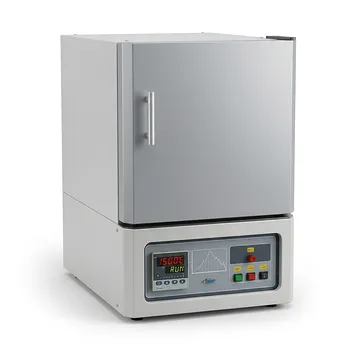
Why is a laboratory oven required during the preparation of Li3V2(PO4)3 gel precursors? Ensure Stoichiometric Precision
Updated 3 months ago
The laboratory oven is a critical tool for achieving stoichiometric precision and material stability. During the preparation of $Li_3V_2(PO_4)_3$ (LVP) gel precursors, the oven is used to dry the hydrothermal product to a constant weight, ensuring the total removal of residual solvents. This controlled evaporation prevents physical splashing and chemical imbalances that would otherwise occur during subsequent high-temperature calcination stages.
Controlled drying in a laboratory oven transforms a volatile gel into a stable powder precursor, protecting the chemical integrity and structural framework of the material before it undergoes high-heat treatment. This step is essential for maintaining the precise atomic ratios required for high-performance battery materials.
Ensuring Stoichiometric and Physical Stability
Preventing Material Splashing and Loss
During the transition from a gel to a solid, residual solvents can become trapped within the material's matrix. If these solvents are subjected to rapid heating in a high-temperature furnace, they can vaporize violently, causing the precursor to splash out of the crucible. This physical loss of material directly leads to stoichiometric imbalances, ruining the precise ratio of Lithium, Vanadium, and Phosphate needed for the final crystal structure.
Achieving Constant Weight for Precise Processing
By heating the gel until it reaches a constant weight, researchers ensure that all volatile components have been eliminated. This creates a predictable, stable dry powder that is essential for accurate ball milling and subsequent thermal processing. Without this baseline stability, it is impossible to control the concentration of active components during the final synthesis steps.
Protecting the Material's Structural Framework
Preventing Internal Stresses and Pore Collapse
Drawing from principles used in zeolite and MOF synthesis, controlled drying prevents the internal stresses caused by rapid moisture exit. If water or ethanol evaporates too quickly, the resulting vapor pressure can collapse the microporous structure or damage the newly formed crystal morphology. A laboratory oven provides the gentle thermal environment necessary to evacuate these solvents without compromising the structural "skeleton" of the precursor.
Minimizing Oxidative Degradation and Carbonization
In many phosphate-based precursors, the presence of residual organic solvents during high-heat stages can lead to unwanted carbonization residues or oxidative degradation. By using an oven—specifically a vacuum oven in some cases—to remove solvents like NMP or ethanol at lower temperatures (80°C to 120°C), the material is "pre-cleaned." This ensures that the final product is free from bubbles, cracks, or impurities that would degrade its electrochemical performance.
Understanding the Trade-offs
Temperature vs. Time
While higher temperatures speed up the drying process, they increase the risk of surface crusting, where the outer layer dries and traps moisture inside. Drying at a lower temperature for a longer duration (e.g., 24 hours) is often safer but significantly slows down the laboratory workflow.
Atmospheric vs. Vacuum Drying
Standard laboratory ovens are effective for aqueous-based gels, but vacuum ovens are superior for sensitive materials or high-boiling-point solvents. Vacuum drying allows for solvent removal at much lower temperatures, which is critical for preventing the oxidative degradation of sensitive active materials like Vanadium or Iron-based phosphates.
How to Apply This to Your Project
Recommendations Based on Material Goals
- If your primary focus is stoichiometric precision: Ensure the precursor is dried to a constant weight in a stable thermal environment (typically 110°C–120°C) before any high-temperature calcination.
- If your primary focus is preserving a delicate porous structure: Utilize a slow ramp-up in temperature to prevent internal vapor pressure from causing structural collapse or morphology damage.
- If your primary focus is preventing oxidation or carbon residues: Consider using a vacuum oven to lower the boiling point of solvents, allowing for complete removal at temperatures below the threshold for chemical degradation.
Properly executed laboratory oven drying serves as the bridge between a raw chemical mixture and a high-performance, structurally sound crystalline material.
Summary Table:
| Process Phase | Function of Laboratory Oven | Key Benefit for LVP Precursor |
|---|---|---|
| Solvent Removal | Drying gel to a constant weight | Ensures stoichiometric precision and atomic ratios |
| Thermal Control | Preventing rapid vaporization | Avoids material splashing and physical loss |
| Structural Stabilization | Gentle moisture evacuation | Prevents internal stresses and pore collapse |
| Quality Control | Pre-calcination "cleaning" | Minimizes oxidative degradation and carbon residues |
Optimize Your Battery Material Synthesis with THERMUNITS
Precise heat treatment is the cornerstone of high-performance material science. THERMUNITS is a leading manufacturer of advanced laboratory equipment, providing the specialized thermal solutions needed for critical steps like gel precursor drying and high-temperature calcination.
Our comprehensive range includes:
- Vacuum & Atmosphere Ovens: For oxygen-sensitive drying and solvent removal.
- Muffle & Tube Furnaces: For precise calcination of Li3V2(PO4)3 and other phosphates.
- CVD/PECVD & Hot Press Systems: For advanced thin-film and dense material R&D.
- Specialized Equipment: Including Dental Furnaces, Rotary Kilns, and Vacuum Induction Melting (VIM) systems.
Whether you are refining battery precursors or developing new industrial ceramics, our equipment ensures the stoichiometric precision and structural integrity your research demands.
Contact our experts today to find the perfect thermal solution for your lab
References
- Т. П. Гаврилова, S. M. Khantimerov. Li3V2(PO4)3 Cathode Material: Synthesis Method, High Lithium Diffusion Coefficient and Magnetic Inhomogeneity. DOI: 10.3390/ijms25052884
Mentioned Products
- Multi Position Tube Furnace 1100C for Laboratory Material Research and Advanced Industrial Thermal Processing
- Compact High Temperature Bottom Loading Furnace 1700C Rapid Heating Cooling System Small Sample Thermal Cycling Equipment
- 1100°C Vertical Laboratory Furnace for DIY Tubular Reactors with PID Temperature Controller
- High Temperature Mini Induction Heating Furnace 1600C Laboratory Material Melting System
- Three Temperature Zone Fast Heating Furnace 1500C Laboratory High Precision Thermal Processing System
People Also Ask
- Why use a tube furnace for oxygen annealing LaCrO3/LaMnO3? Optimize Phase Transition & Magnetic Performance.
- What key role does a laboratory high-temperature tube furnace play in the production of carbon nanofibers? Guide
- How is a laboratory high-temperature tube furnace utilized to research the products of aluminothermic reduction? Advanced Metallurgical Solutions
- What is the role of a laboratory tube furnace in the carbonization process of porous carbon foam (PCF)? Master 3D Synthesis
- What role does a laboratory tube furnace play in the pyrolysis and carbonization of biomass? Optimize Thermal Research.

Tech Team · ThermUnits
Last updated on Jun 02, 2026
Related Products
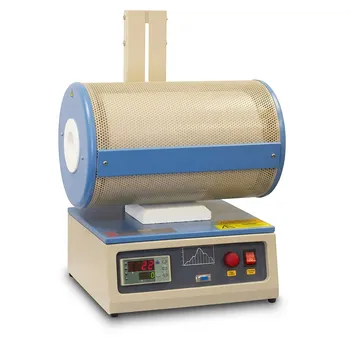
Multi Position Tube Furnace 1100C for Laboratory Material Research and Advanced Industrial Thermal Processing
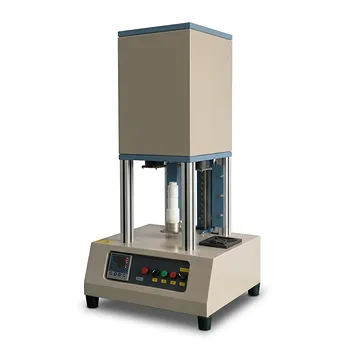
Compact High Temperature Bottom Loading Furnace 1700C Rapid Heating Cooling System Small Sample Thermal Cycling Equipment
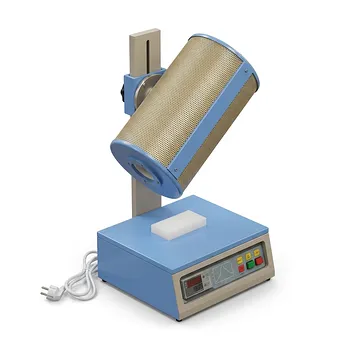
1100°C Vertical Laboratory Furnace for DIY Tubular Reactors with PID Temperature Controller
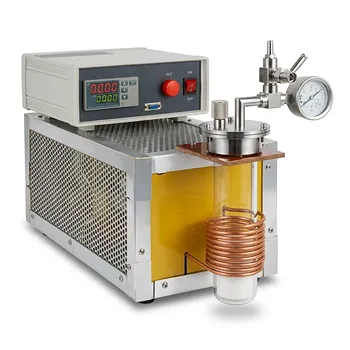
High Temperature Mini Induction Heating Furnace 1600C Laboratory Material Melting System
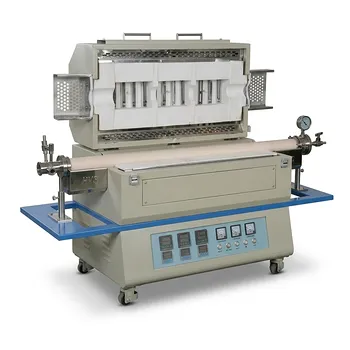
Three Temperature Zone Fast Heating Furnace 1500C Laboratory High Precision Thermal Processing System
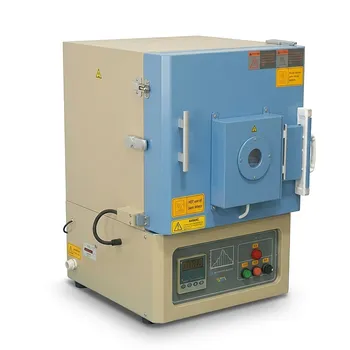
High Temperature Benchtop Muffle Furnace 1500C with 3.6L Chamber and Quartz Observation Window
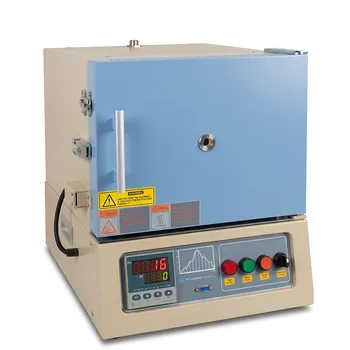
1200C Muffle Furnace 12x8x5 7.2L Heating Chamber with Quartz Observation Window and Vent Port
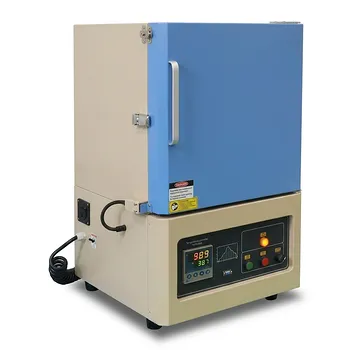
1200°C High Temperature Muffle Furnace 19L Chamber with 50 Segment Programmable Controller
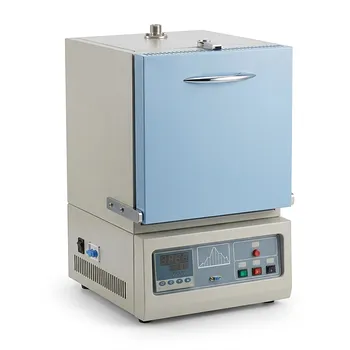
1750C Compact Muffle Furnace 1.7L Ultra High Temperature Laboratory Sintering System for Advanced Ceramics and Material Science Research
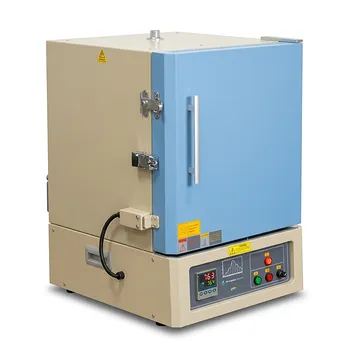
Large Capacity 1200C Muffle Furnace 64 Liter Chamber with Digital PID Controller and Built In Venting Port
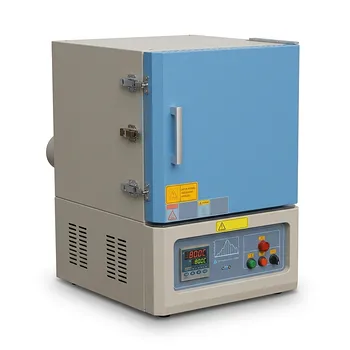
1800C Bench Top Muffle Furnace 18 Liters with Kanthal Super 1900 Heating Elements for High Purity Ceramic Sintering and Material Research
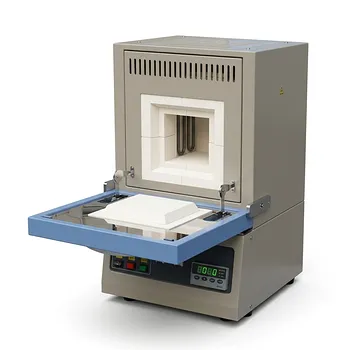
Five Sided Heating Muffle Furnace High Uniformity 1200C Lab Box Furnace 27L Alumina Fiber Chamber
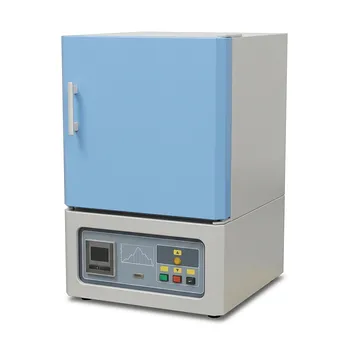
1800C Bench Top Muffle Furnace with Kanthal Super 1900 Heating Elements and 3.6L Alumina Fiber Chamber
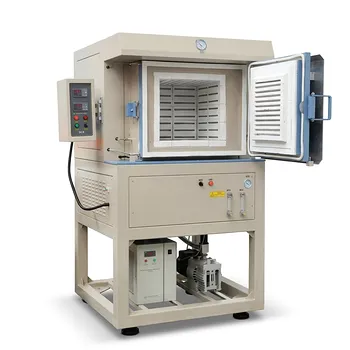
1200°C Five Side Heating Atmosphere Controlled Muffle Furnace 64 Liter High Uniformity Box Furnace for Material Synthesis
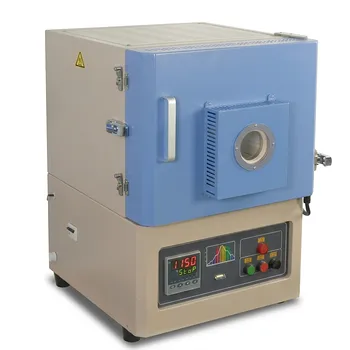
High Temperature Benchtop Muffle Furnace with Quartz Observation Window for Thermal Imaging and Material Analysis
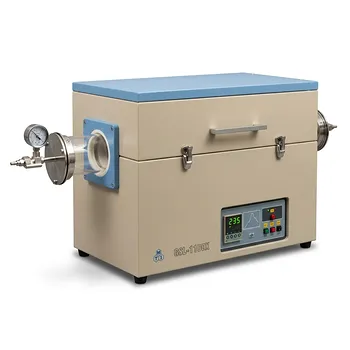
Single Zone Tube Furnace 5 Inch Quartz Tube 36 Inch Heating Zone Vacuum Flanges
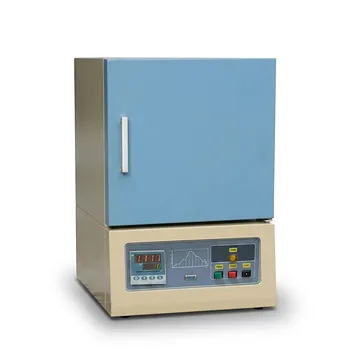
Ultra High Temperature Bench Top Muffle Furnace 1750C Sintering System with Kanthal Super Heating Elements and Precision Digital Control
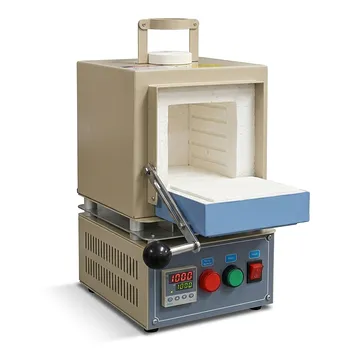
Compact 1000C Muffle Furnace with Programmable Controller and 2 Inch Top Port for Vacuum and Atmosphere Material Research
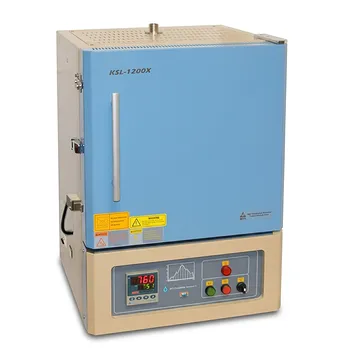
High Temperature 1200C Muffle Furnace 27L Volume 12x12x12 Chamber with Programmable PID Controller for Laboratory Material Science