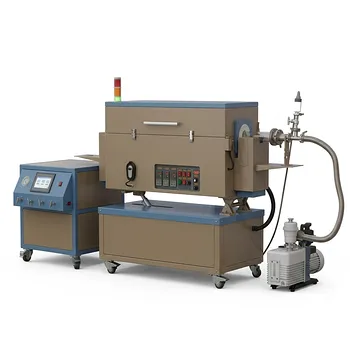
Why is a tube furnace with argon protection required for HsGDY? Prevent oxidation and optimize sulfur-trapping.
Updated 3 months ago
The necessity of a tube furnace with argon protection stems from the dual requirement of oxygen exclusion and precise structural manipulation of the carbon framework. This controlled environment prevents the Hydrogen-substituted Graphdiyne (HsGDY) from undergoing oxidative combustion at temperatures as low as 155°C. By displacing oxygen and moisture, the argon atmosphere ensures that any mass loss or structural collapse is an intrinsic thermal process designed to mechanically trap sulfur, rather than a result of external chemical degradation.
Core Takeaway: Argon protection transforms the tube furnace into an inert reactor that prevents the carbon-rich HsGDY from burning away. This allows the material to reach its thermal instability point safely, triggering a structural collapse that locks molten sulfur within its pores to improve battery performance.
Preventing Oxidative Degradation
Displacing Oxygen and Moisture
A tube furnace provides a sealed environment where high-purity argon can be introduced to purge the chamber of reactive gases. This anaerobic environment is essential because even trace amounts of oxygen or moisture can react with specialized carbon structures at high temperatures.
Preserving the Carbon Framework
Hydrogen-substituted Graphdiyne (HsGDY) is highly susceptible to oxidative loss or combustion when heated. Without the inert argon shield, the framework would be consumed by oxygen before it could complete the necessary structural transitions required for composite formation.
Ensuring Intrinsic Thermal Reactions
The use of argon ensures that any recorded changes in the material—such as mass loss or structural shrinkage—are driven solely by the intrinsic thermal instability of the HsGDY. This allows researchers to precisely control the material's properties without interference from external atmospheric contaminants.
Facilitating the Sulfur-Trapping Mechanism
Capillary Action and Pore Penetration
Thermal treatment in the furnace serves to melt elemental sulfur into a liquid state. Once molten, the sulfur utilizes capillary action to penetrate deep into the complex pore network of the HsGDY aerogel.
Induced Structural Collapse
As the temperature rises, the HsGDY framework reaches a point of thermal instability, causing the structure to shrink or collapse. Because this happens while the sulfur is liquid and inside the pores, the collapsing framework acts as a mechanical trap.
Suppressing Polysulfide Loss
This "trap" is a critical design feature for battery applications. By locking the sulfur within the carbon matrix, the material effectively suppresses the loss of polysulfides during subsequent battery cycling, leading to better capacity retention and stability.
Engineering Material Performance
Promoting Graphitization Over Combustion
In an inert environment, organic components undergo in-situ graphitization rather than burning. This process is vital for converting the material from an insulator into a conductive carbon layer, which is necessary for high-performance electronic applications.
Managing Oxygen Vacancies
The oxygen-deficient environment provided by argon can induce the formation of oxygen vacancies in associated lattice structures. This shift optimizes electrical transport performance and can significantly lower the material's bandgap, increasing its overall electronic conductivity.
Understanding the Trade-offs and Risks
Consequences of Atmospheric Leaks
The primary risk in this process is a failure of the vacuum seal or an interruption in argon flow. If oxygen enters the system at high temperatures, the HsGDY framework will likely undergo irreversible combustion, destroying the sample and potentially damaging the furnace internals.
Balancing Stability and Instability
There is a narrow window between achieving the necessary thermal instability for sulfur trapping and causing total structural failure. Precise temperature control is required, as excessive heat can lead to a complete collapse that excludes sulfur rather than encapsulating it.
Purity Requirements
The effectiveness of the protection is highly dependent on the purity of the argon gas. Trace contaminants in low-grade argon can still cause surface oxidation or embrittlement in sensitive materials like titanium alloys or carbon frameworks, undermining the integrity of the final composite.
How to Apply This to Your Project
Recommendations Based on Your Goal
- If your primary focus is preventing material loss: Ensure a continuous, high-purity argon flow and a verified vacuum seal to prevent the carbon framework from oxidizing at low temperatures.
- If your primary focus is improving battery cycling: Focus on the precise temperature ramp-rate that triggers the structural collapse of HsGDY only after the sulfur has fully melted and infused the pores.
- If your primary focus is enhancing electrical conductivity: Utilize the inert environment to facilitate in-situ graphitization and the formation of oxygen vacancies to lower the material's resistivity.
Mastering the inert thermal environment is the foundational step in evolving fragile carbon frameworks into high-performance, sulfur-retaining composites.
Summary Table:
| Feature/Requirement | Primary Function | Scientific Benefit |
|---|---|---|
| Oxygen Exclusion | Purges O2 and moisture | Prevents oxidative combustion at temperatures as low as 155°C |
| Argon Environment | Creates an inert reactor | Ensures mass loss is due to intrinsic thermal processes, not degradation |
| Precise Heat Control | Melts sulfur and triggers collapse | Facilitates capillary action to mechanically trap sulfur within pores |
| In-situ Graphitization | Enhances carbon conductivity | Converts organic components into conductive layers for electronic use |
| Vacuum Integrity | Maintains anaerobic seal | Prevents irreversible sample destruction and furnace damage |
Elevate Your Material Research with THERMUNITS
As a leading manufacturer of high-temperature laboratory equipment, THERMUNITS provides the precision tools required for advanced material science and industrial R&D. Whether you are working on HsGDY sulfur-trapping or complex graphitization, our range of thermal solutions—including Tube, Vacuum, Atmosphere, Muffle, Rotary, and Hot Press furnaces, as well as CVD/PECVD systems—ensures the stable, oxygen-free environments critical for your success.
Why Partner with THERMUNITS?
- Precision Engineering: Advanced temperature management to trigger critical structural transitions without failure.
- Versatile Solutions: From Dental Furnaces and Electric Rotary Kilns to Vacuum Induction Melting (VIM) and specialized Thermal Elements, we offer a comprehensive heat treatment catalog.
- Expert Support: We help researchers optimize ramp-rates and gas purity to maximize battery capacity retention and material conductivity.
Ready to enhance your lab's performance and ensure your material integrity?
Contact THERMUNITS Experts Today
References
- Karam Eeso, Nian Liu. The thermal instability of hydrogen-substituted graphdiyne and its role in lithium–sulfur batteries. DOI: 10.1039/d4cc04459b
Mentioned Products
- High Temperature Dual Zone Vacuum Tube Furnace for Material Research and CVD Processing
- 1700C Hydrogen Gas Tube Furnace with 60mm Alumina Process Tube and Integrated Hydrogen Safety Detector
- 1100C Tube Furnace with Vacuum Flange and Programmable Temperature Controller for Material Science and Industrial Heat Treatment
- 1100C Hydrogen Gas Atmosphere Tube Furnace with 5 Inch Fused Quartz Tube and Integrated Safety Monitoring System
- Ultra High Temperature 2300C Induction Heated Graphite Tube Furnace with Infrared Control
People Also Ask
- What are the primary technical advantages of using a dual-zone tube furnace for MoS2? Optimize CVD Precision & Yield
- What is the primary function of an industrial-grade dual-zone tube furnace? Mastering CuInP2S6 CVT Crystal Growth
- What are the advantages of using a dual-zone tube furnace for MoS2 CVD? Optimize Precursor Control and Material Quality
- Purpose of the reverse gradient step in CVT growth? Master Crystal Purity with Dual-Zone Furnaces
- What are the technical advantages of using a dual-zone tube furnace for growing large PdCoO2 crystals via CVT? Expert Tips

Tech Team · ThermUnits
Last updated on Jun 03, 2026
Related Products
High Temperature Dual Zone Vacuum Tube Furnace for Material Research and CVD Processing
1700C Hydrogen Gas Tube Furnace with 60mm Alumina Process Tube and Integrated Hydrogen Safety Detector
1100C Tube Furnace with Vacuum Flange and Programmable Temperature Controller for Material Science and Industrial Heat Treatment
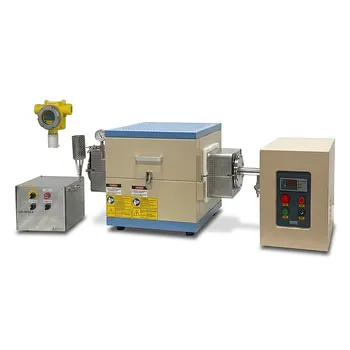
1100C Hydrogen Gas Atmosphere Tube Furnace with 5 Inch Fused Quartz Tube and Integrated Safety Monitoring System
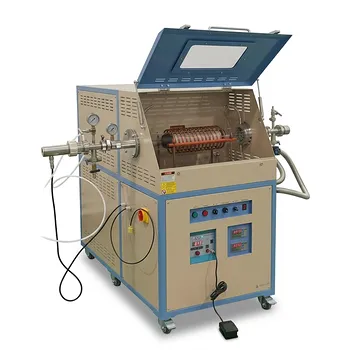
Ultra High Temperature 2300C Induction Heated Graphite Tube Furnace with Infrared Control
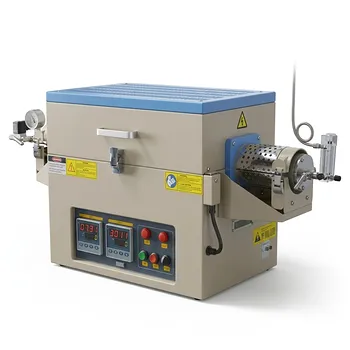
1100C Dual Zone Hydrogen Gas Tube Furnace with Quartz Tube and Integrated H2 Leak Detection System
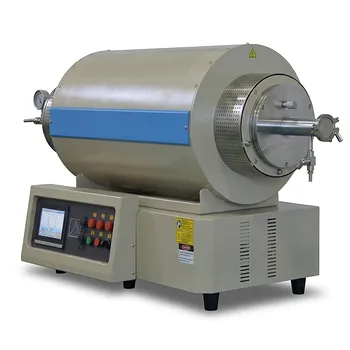
1200C Max Three Zone Tube Furnace 6 Inch OD Max with Tube and Flange
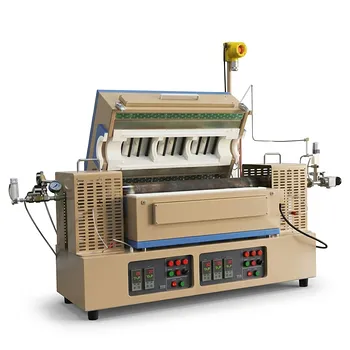
Three Zone Hydrogen Gas Tube Furnace with 82mm Superalloy Tube and Dual Hydrogen Detectors 1200C High Temperature Material Processing System
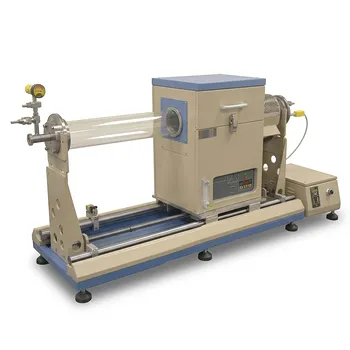
Rapid Thermal Processing Sliding Tube Furnace with 4 Inch OD Quartz Tube and 900C IR Heating
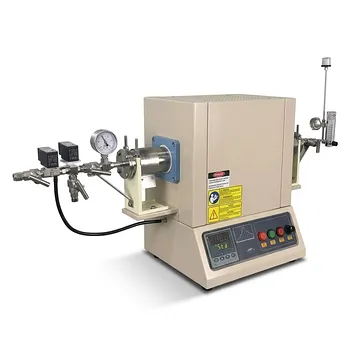
1500C Compact Hydrogen Gas Tube Furnace with 2 Inch Alumina Tube and Hydrogen Detector
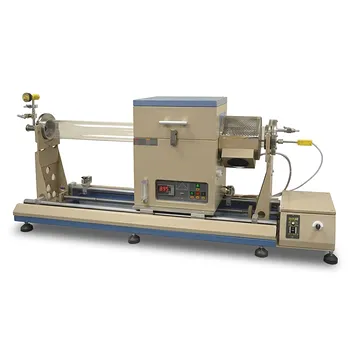
900 ºC Max Sliding RTP Tube Furnace with Rapid IR Heating and 4 Inch OD Quartz Tube

1800C High Temperature Compact Vacuum Tube Furnace with 60mm OD Alumina Tube and Kanthal MoSi2 Heating Elements
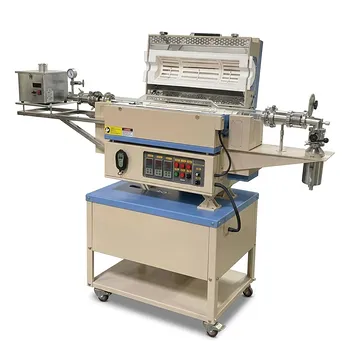
5 Inch Rotary Tube Furnace with Automatic Feeding and Receiving System 1200C Three Zone CVD Powder Processing
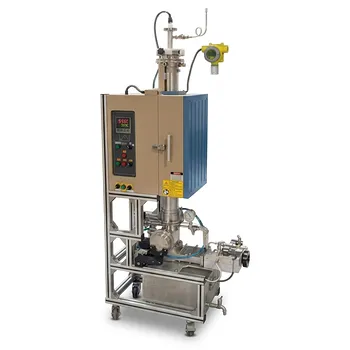
High Temperature 1000C Hydrogen Vertical Quenching Furnace with 4 Inch Stainless Steel Tube

High Temperature Automated 5 Inch Tube Furnace for Autonomous Material Research and Advanced Laboratory R&D

Vertical 1700C Vacuum and Atmosphere Tube Furnace with 80mm Alumina Tube

High Temperature 1700C Benchtop Tube Furnace with 5 Inch Heating Zone High Purity Alumina Tube and Vacuum Sealing Flanges
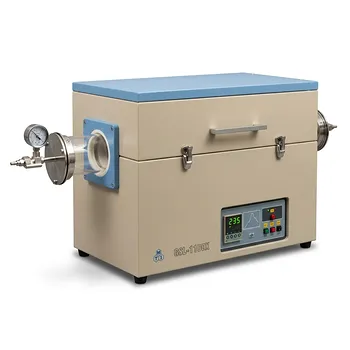
Single Zone Tube Furnace 5 Inch Quartz Tube 36 Inch Heating Zone Vacuum Flanges
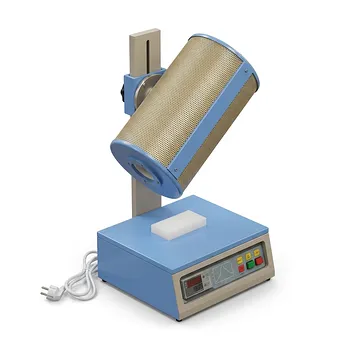
1100°C Vertical Laboratory Furnace for DIY Tubular Reactors with PID Temperature Controller