How do vacuum furnaces facilitate high purity in the electronics and semiconductor industry? Elevate Material Standards
Updated 5 months ago
Vacuum furnaces achieve high purity by operating at ultra-low pressures—down to $10^{-6}$ Torr or lower—to physically eliminate atmospheric contaminants. This vacuum environment removes oxygen, carbon, nitrogen, and hydrogen, preventing oxidation and ensuring the integrity of electrical conductivity. By stripping away these impurities, the furnace creates the sterile, controlled conditions necessary for sensitive processes like wafer annealing and single-crystal growth.
Core Takeaway: Vacuum furnaces facilitate high purity by creating a low-pressure environment that aggressively removes reactive gases and dissolved impurities. This process is essential for maintaining the precise chemical composition and microstructural density required for semiconductor-grade materials.
The Mechanics of Contaminant Removal
Achieving Ultra-Low Pressure Environments
To meet semiconductor standards, vacuum furnaces must reach pressures as low as $10^{-6}$ Torr. At these levels, the density of gas molecules is so low that the risk of surface contamination during heating is effectively neutralized.
Eliminating Gaseous Impurities
The vacuum process specifically targets oxygen and carbon, which are the primary culprits in degrading electrical conductivity. By evacuating the chamber, the furnace prevents these elements from reacting with the heated substrate.
Degassing Dissolved Elements
Beyond the surface, vacuum conditions pull dissolved gases such as nitrogen and hydrogen out of the raw materials. This deep decontamination is vital for ensuring that the final electronic components do not suffer from internal embrittlement or "outgassing" later in their lifecycle.
Specialized Heating and Material Refinement
The Role of Vacuum Induction Melting (VIM)
Vacuum Induction Melting (VIM) uses alternating electromagnetic fields to generate heat directly within the material. This method allows for rapid melting and precise temperature control, which is critical for maintaining the purity of specialized alloys.
Inhibiting Volatile Impurities
Under vacuum, volatile impurities are inhibited or vaporized away from the melt more efficiently than at atmospheric pressure. This refinement process results in a material with significantly higher chemical homogeneity.
Enhancing Microstructural Density
By removing gas bubbles and inclusions during the liquid phase, vacuum furnaces produce materials with superior microstructural density. This density is a prerequisite for the high-performance demands of modern microelectronics.
Critical Applications in Electronics
Annealing and Crystal Growth
Vacuum furnaces provide the stable environment required for annealing semiconductor wafers and supporting vapor-phase reactions. These conditions are necessary for growing high-quality single crystals, which form the foundation of integrated circuits.
Processing Tantalum Capacitors
The production of tantalum capacitors relies on vacuum environments to prevent the tantalum from absorbing oxygen. Even trace amounts of oxygen can significantly reduce the efficiency and lifespan of these energy-storage components.
Supporting Controlled Vapor-Phase Reactions
For advanced thin-film applications, vacuum furnaces enable controlled vapor-phase reactions. This allows engineers to deposit precise layers of material without interference from unwanted atmospheric particles.
Understanding the Trade-offs
The Cost of Ultra-High Vacuum
Achieving and maintaining $10^{-6}$ Torr requires sophisticated pumping systems and high energy consumption. The technical complexity of these systems often results in higher capital and operational costs compared to atmosphere-controlled furnaces.
Throughput and Cycle Times
The time required to evacuate the chamber and cool the load under vacuum can be significantly longer than in standard environments. This can create a bottleneck in high-volume manufacturing environments if not managed correctly.
Material Volatility Risks
In a high vacuum, certain desired elements within an alloy may evaporate prematurely if their vapor pressure is too high. Engineers must carefully balance vacuum levels with temperature to ensure they don't accidentally strip away necessary components of the material.
Making the Right Choice for Your Goal
When integrating vacuum furnace technology into your workflow, consider the specific purity requirements of your end product:
- If your primary focus is maximizing electrical conductivity: Prioritize furnaces capable of reaching $10^{-6}$ Torr to ensure total removal of oxygen and carbon contaminants.
- If your primary focus is material density and homogeneity: Utilize Vacuum Induction Melting (VIM) to aggressively degas the melt and eliminate internal inclusions.
- If your primary focus is high-volume semiconductor processing: Invest in multi-chamber vacuum systems that allow for "load-locking," which minimizes the time spent pumping down the main heating zone.
By mastering the vacuum environment, manufacturers ensure that the atomic-level purity of their materials meets the uncompromising standards of the modern semiconductor industry.
Summary Table:
| Mechanism | Impurities Targeted | Impact on Electronics |
|---|---|---|
| Ultra-Low Pressure | Oxygen, Carbon, Nitrogen | Prevents oxidation; ensures peak electrical conductivity. |
| Deep Degassing | Dissolved Hydrogen, Nitrogen | Eliminates internal embrittlement and future outgassing. |
| Vacuum Induction (VIM) | Volatile Impurities | Achieves high chemical homogeneity and alloy purity. |
| Controlled Vapor-Phase | Atmospheric Particles | Enables precise thin-film deposition and crystal growth. |
Optimize Your Semiconductor R&D with THERMUNITS
Achieving the uncompromising purity required for modern electronics demands precision thermal equipment. THERMUNITS is a leading manufacturer specializing in high-purity heat treatment solutions for material science and industrial R&D.
Whether you require specialized Vacuum Induction Melting (VIM) furnaces for alloy refinement, CVD/PECVD systems for thin-film applications, or Muffle, Tube, and Atmosphere furnaces for essential heat treatment, we deliver the reliability and control your lab needs. We also provide Hot Press furnaces, Rotary kilns, and high-quality Thermal Elements tailored to your specific research goals.
Ready to enhance your material integrity?
Contact our expert team today to find the perfect thermal processing solution for your high-performance application.
Mentioned Products
- Ultra High Temperature Induction Heated Vacuum Furnace with Molten Salt Electrolysis Capability and 3000 Degree Precision Control
- High Temperature 1000C Vacuum Furnace with 8 Inch ID Chamber for Material Sintering and Research Annealing
- 1200°C Bottom Loading Vacuum Furnace with Rapid Gas Cooling and 8.6 Inch Diameter Quartz Chamber
- High Pressure 600T Vacuum Induction Hot Press Furnace for Advanced Material Heat Treatment and Sintering
- High Temperature Vacuum Lamination Hot Press Furnace Machine for Semiconductor Wafer Bonding and Advanced Composite Thermal Processing
People Also Ask
- What roles do an induction furnace and a graphite crucible play in the slag pre-melting process? Optimize Slag Prep.
- What is the function of high-vacuum furnaces in (Mo2/3V1/3)n+1AlCn MAX phase synthesis? Ensure Purity & Diffusion.
- What is the typical operating temperature range for vacuum furnaces? Expert Guide to High-Precision Heat Treatment
- How do vacuum furnaces compare to atmosphere or salt-bath furnaces in terms of material properties? Gain Peak Purity
- What are the technical advantages of using a vacuum furnace over a traditional atmosphere furnace? Maximize Purity

Tech Team · ThermUnits
Last updated on Apr 14, 2026
Related Products
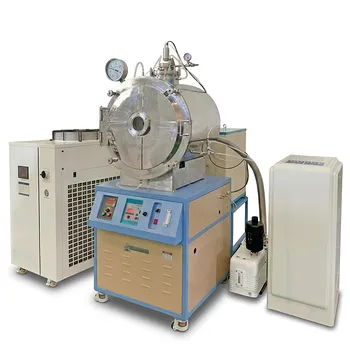
Ultra High Temperature Induction Heated Vacuum Furnace with Molten Salt Electrolysis Capability and 3000 Degree Precision Control
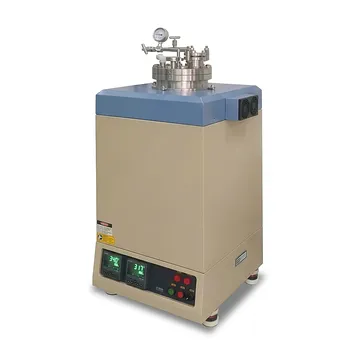
High Temperature 1000C Vacuum Furnace with 8 Inch ID Chamber for Material Sintering and Research Annealing
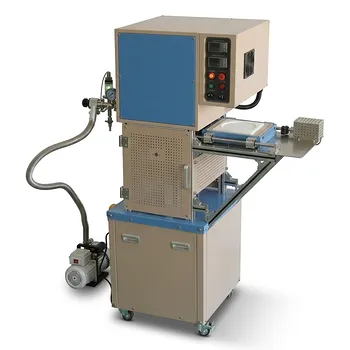
1200°C Bottom Loading Vacuum Furnace with Rapid Gas Cooling and 8.6 Inch Diameter Quartz Chamber
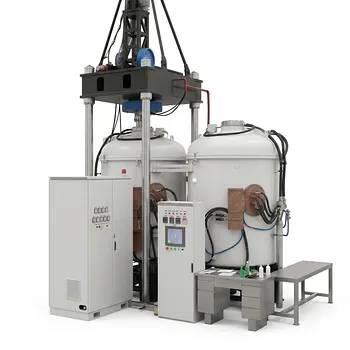
High Pressure 600T Vacuum Induction Hot Press Furnace for Advanced Material Heat Treatment and Sintering
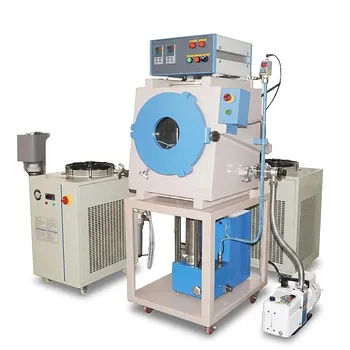
High Temperature Vacuum Lamination Hot Press Furnace Machine for Semiconductor Wafer Bonding and Advanced Composite Thermal Processing
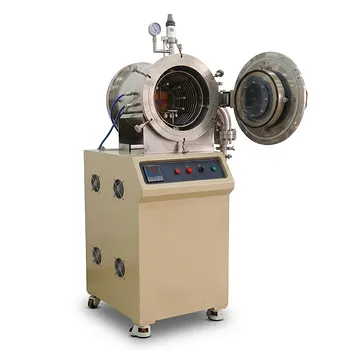
High Temperature Cold Wall High Vacuum Chamber Furnace 1400C for Advanced Material Processing

High Vacuum Compact Tube Furnace 1200C with Integrated Turbo Pump System and 8 Inch Heating Zone
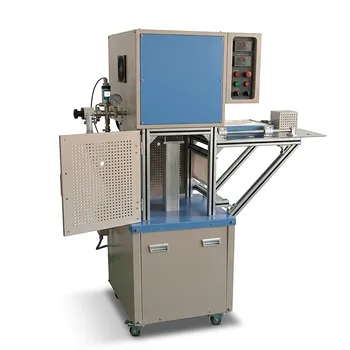
Bottom Loading Vacuum Furnace 1200C Rapid Cooling Atmosphere Control Quartz Chamber
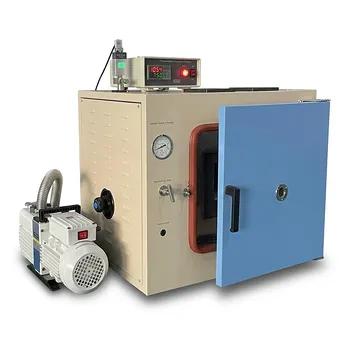
Compact High Vacuum Box Furnace 1050C Max 6.2L Ceramic Chamber Stainless Steel Shell Programmable Temperature Controller for Material Science Research
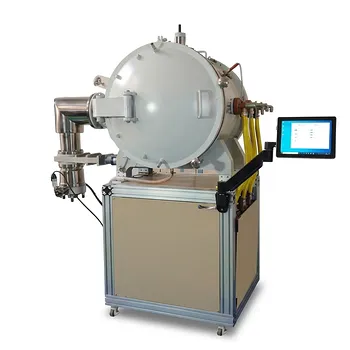
High Temperature Cold Wall Vacuum Furnace for Advanced Material Sintering and Annealing 1600C Heating Area 200x200x300mm
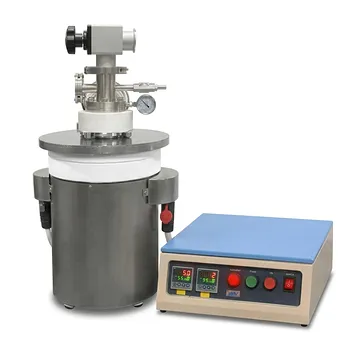
1100C High Temperature Vacuum Crucible Furnace with Quartz Chamber for Thermal Processing and Sintering
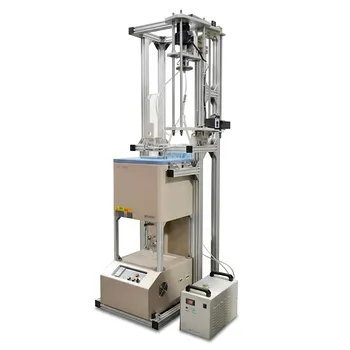
500C Vacuum Vertical Tube Furnace 84mm OD Sample Rotation Lifting System
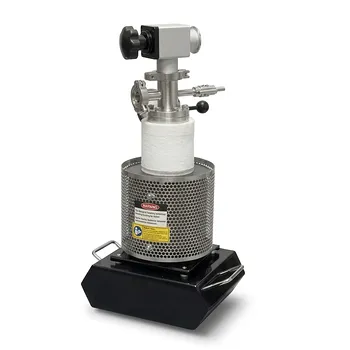
High Temperature 1100C Compact Top Loading Vertical Vacuum Tube Furnace for High Vacuum Noble Metal Melting and Material Research

1800C High Temperature Compact Vacuum Tube Furnace with 60mm OD Alumina Tube and Kanthal MoSi2 Heating Elements
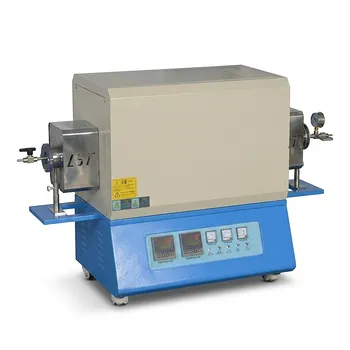
High Temperature Dual Zone Vacuum Tube Furnace for Material Research and CVD Processing
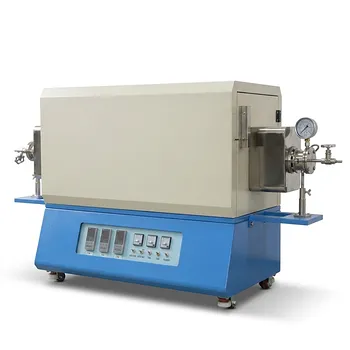
Three Temperature Zone High Temperature Vacuum Tube Furnace for CVD and Material Sintering
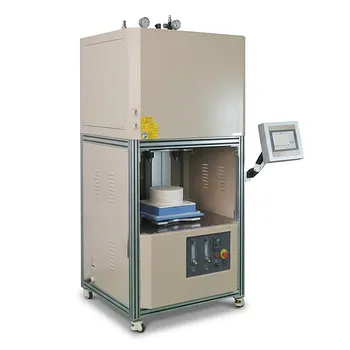
High Temperature Vertical Atmosphere Controlled Furnace 1700C Automatic Bottom Loading 13 Liter Vacuum Thermal System
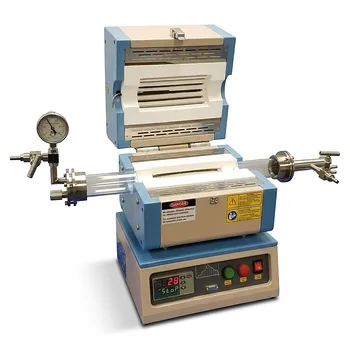
Compact Split Tube Furnace with Integrated Vacuum System and Precision Temperature Calibrator

Compact Vertical Split Quartz Tube Furnace with Stainless Steel Vacuum Flanges for Rapid Thermal Quenching and Controlled Atmosphere Material Processing
