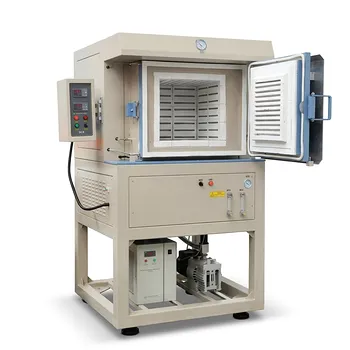
Why use high-temp box furnaces for SiOC thermal stability? Ensuring structural color durability in extreme heat.
Updated 3 months ago
Validating material durability in extreme conditions is the primary reason for using this equipment.
An industrial-grade high-temperature box resistance furnace is employed to simulate the harsh service environments that Silicon Oxycarbide (SiOC) coatings must endure. By subjecting the material to temperatures between 800°C and 1200°C in an air atmosphere for extended periods—up to 100 hours—researchers can verify the morphology retention of its nanoporous structure. This rigorous testing proves the material's practical value as a high-temperature resistant structural color coating by ensuring it maintains its optical and structural integrity under high-temperature oxidation.
Core Takeaway: The furnace serves as a critical diagnostic tool to ensure SiOC structural colors do not degrade, oxidize, or lose their nanoporous architecture when exposed to the extreme thermal and chemical stresses found in industrial applications.
Simulating Real-World Extreme Environments
Mimicking Long-Term Thermal Stress
Industrial applications often require materials to function at peak performance for hundreds of hours. The box resistance furnace allows for static thermal shock experiments that replicate these "service environments" under controlled conditions. By maintaining temperatures up to 1200°C, the furnace tests whether the SiOC ceramic can withstand prolonged heat without structural failure.
The Role of Oxidative Atmospheres
Unlike vacuum furnaces, a box resistance furnace typically operates in an air atmosphere. This is essential for SiOC testing because it introduces oxygen into the thermal equation, simulating real-world oxidation. Evaluation in this environment confirms if the SiOC nanoporous structure can resist oxygen penetration and subsequent chemical degradation.
Validating Nanostructural Integrity
Preserving Nanoporous Morphology
The vibrant hues of structural color are entirely dependent on the material's microscopic nanoporous architecture. If these pores collapse or fuse due to heat, the color disappears. The furnace allows researchers to observe "morphology retention capability," ensuring the physical skeleton of the ceramic remains intact.
Establishing Phase Stability
High temperatures can trigger unwanted phase transitions or grain growth that might compromise a coating. Similar to how furnaces are used to achieve material densification in other ceramics, testing SiOC ensures that its specific chemical phase remains stable. This stability is what allows the coating to maintain its intended aesthetic and protective properties over time.
Understanding the Trade-offs and Pitfalls
Static vs. Dynamic Thermal Loading
While a box furnace is excellent for static thermal stability, it may not perfectly replicate "dynamic" thermal shocks, such as rapid quenching in water or air. Some supplementary tests involve moving samples from 1300°C directly into ambient air to calculate residual strength. Relying solely on a static furnace test might overlook cracks that form during the rapid startup or shutdown cycles of an industrial kiln.
Risks of Material Attenuation
At extreme temperatures, even high-performance materials like SiOC can experience strength attenuation or "damage patterns." While the furnace validates the color's stability, it is also important to monitor for micro-cracks or adhesion loss between the coating and the substrate. Without precise control over heating rates, the test itself could induce artificial stresses that wouldn't occur in a standard operating environment.
How to Apply These Findings to Your Project
The use of a high-temperature box resistance furnace is vital for any project involving advanced ceramic coatings or structural colors.
- If your primary focus is long-term durability: Prioritize extended "soak times" (100+ hours) at the maximum expected operating temperature to ensure the nanoporous structure does not collapse.
- If your primary focus is aesthetic consistency: Use the furnace to perform "thermal etching" or oxidation tests to see if the structural color shifts or fades under high-temperature air exposure.
- If your primary focus is mechanical integrity: Supplement static furnace testing with rapid thermal cycling to evaluate the coating’s adhesion and resistance to cracking during temperature fluctuations.
By rigorously simulating the service environment, you transform a laboratory material into a proven industrial solution ready for the most demanding thermal challenges.
Summary Table:
| Evaluation Criteria | Role of Box Resistance Furnace | Key Testing Parameter |
|---|---|---|
| Thermal Simulation | Mimics harsh industrial service environments | 800°C – 1200°C |
| Oxidative Resistance | Tests stability in air atmospheres (not vacuum) | Ambient air exposure |
| Structural Integrity | Validates retention of nanoporous morphology | 100+ hours soak time |
| Phase Stability | Ensures chemical phases remain stable under heat | High-temp static loading |
Elevate Your R&D with THERMUNITS Precision Thermal Solutions
At THERMUNITS, we understand that material breakthroughs in SiOC structural colors and advanced ceramics require uncompromising thermal precision. As a leading manufacturer of high-temperature laboratory equipment for material science and industrial R&D, we provide the tools you need to simulate extreme environments with confidence.
Our comprehensive range includes:
- Muffle, Vacuum, and Atmosphere Furnaces
- Tube, Rotary, and Hot Press Furnaces
- CVD/PECVD Systems and Electric Rotary Kilns
- Vacuum Induction Melting (VIM) and Dental Furnaces
- High-Quality Thermal Elements
Ensure your high-performance coatings withstand the test of time. Contact THERMUNITS today to discuss your heat treatment requirements and discover how our expert solutions can accelerate your research and development!
References
- Benedikt F. Winhard, Kaline P. Furlan. Achieving High-Temperature Stable Structural Color through Nanostructuring in Polymer-Derived Ceramics. DOI: 10.1021/acsami.4c01047
Mentioned Products
- 1400C Bottom Loaded Inert Gas Atmosphere Box Furnace with 125L Capacity and Precision Hydraulic Lift
- 1250 C Compact Vertical Box Furnace for Glovebox Material Research Air Sensitive Samples
- High Throughput Four Channel Box Furnace 1500C Max Independent Temperature Control Material Research Sintering System
- 1200C Hydrogen Atmosphere Box Furnace with 5 Heated Sides and 64L Chamber
- Bottom Loaded Inert Gas Atmosphere Box Furnace 1400C Maximum Temperature 125L High Capacity Laboratory Heat Treatment System
People Also Ask
- How does a box atmosphere furnace contribute to the pre-oxidation of MS-SOECs? Enhance Durability & Efficiency.
- How does a programmable Box Furnace facilitate the curing of silver inks? Expert Thermal Control for Silicon Substrates
- How does a box furnace facilitate the conversion of precursors in catalyst impregnation processes? Master Calcination
- How are electric heating elements designed to operate within carburizing atmospheres? Top Design Strategies Revealed
- What types of sealing systems are employed in atmosphere furnaces to ensure atmosphere integrity? Top Sealing Solutions

Tech Team · ThermUnits
Last updated on Jun 02, 2026
Related Products
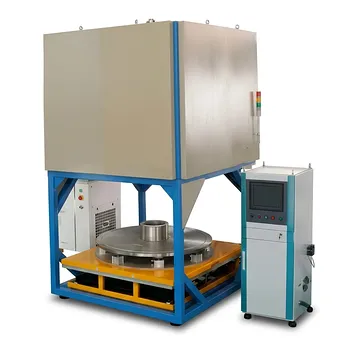
1400C Bottom Loaded Inert Gas Atmosphere Box Furnace with 125L Capacity and Precision Hydraulic Lift
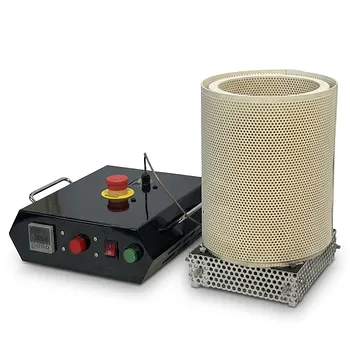
1250 C Compact Vertical Box Furnace for Glovebox Material Research Air Sensitive Samples
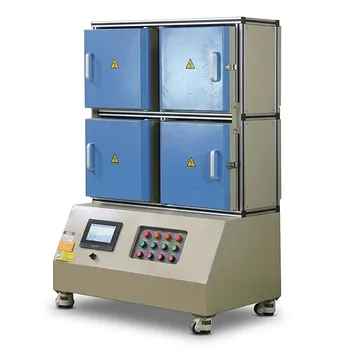
High Throughput Four Channel Box Furnace 1500C Max Independent Temperature Control Material Research Sintering System
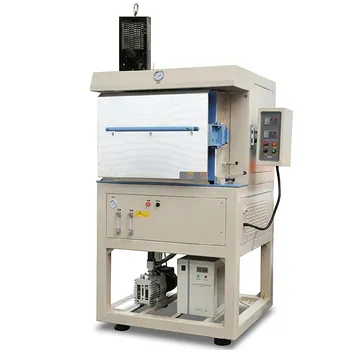
1200C Hydrogen Atmosphere Box Furnace with 5 Heated Sides and 64L Chamber
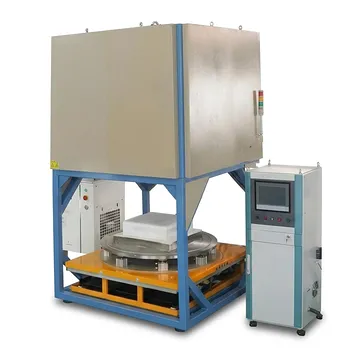
Bottom Loaded Inert Gas Atmosphere Box Furnace 1400C Maximum Temperature 125L High Capacity Laboratory Heat Treatment System
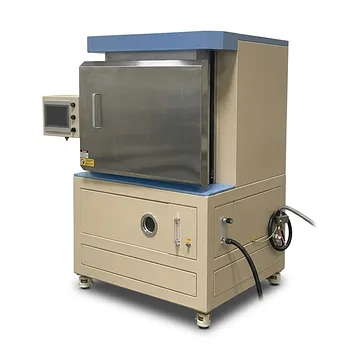
1650C High Temperature Atmosphere Controlled Box Furnace with 65L Chamber for Advanced Material Sintering and Industrial Heat Treatment
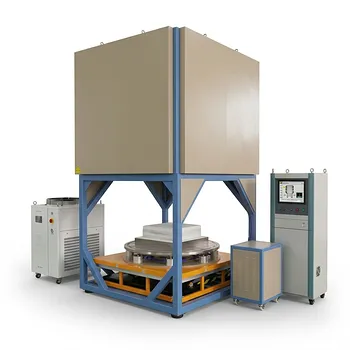
Bottom Loaded Inert Gas Atmosphere Box Furnace 1700C 1300C 216L Large Capacity Industrial Thermal Processing System
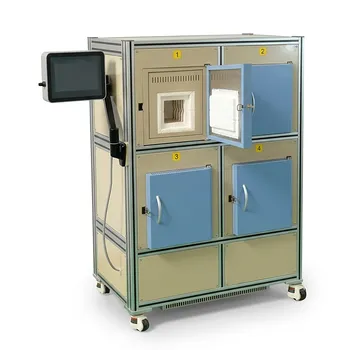
High Temperature Four Chamber Box Furnace for High Throughput Materials Research and Space Saving Thermal Processing
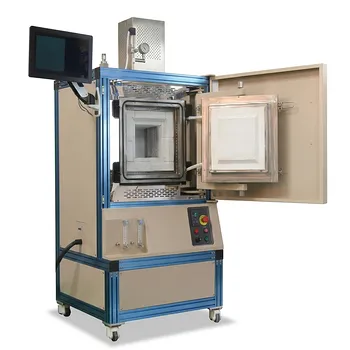
High Temperature Hydrogen Atmosphere Box Furnace 1650C Max Reducing Environment Material Synthesis System 8x8x8 Chamber
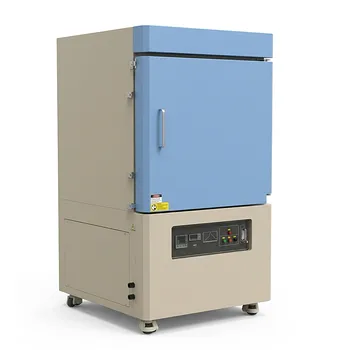
Industrial Large Box Furnace 1700C 216L High Temp Muffle Sintering System
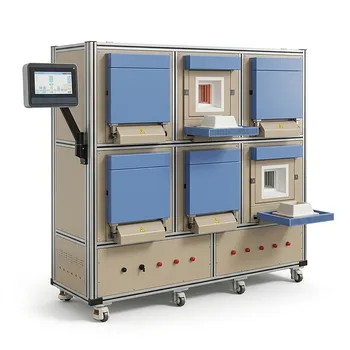
High Temperature 1700℃ Eight Chamber Box Furnace with Automatic Doors for Autonomous Material Research and High Throughput Heat Treatment
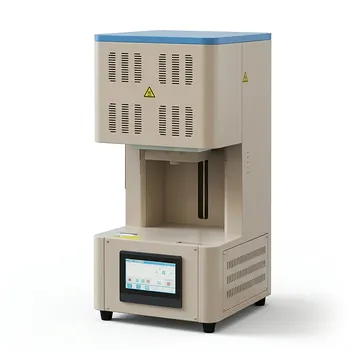
Automated 1700C High Temperature Bottom Loading Box Furnace with PC Software Control and Robotic Integration Capability
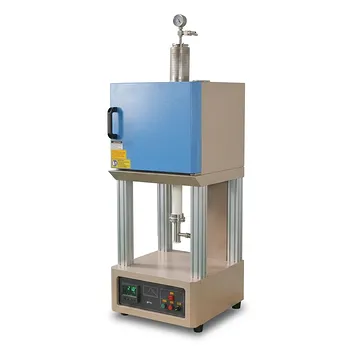
Hybrid High Temperature Tube and Box Furnace 1700C with 2 Inch Alumina Tube for Material Research
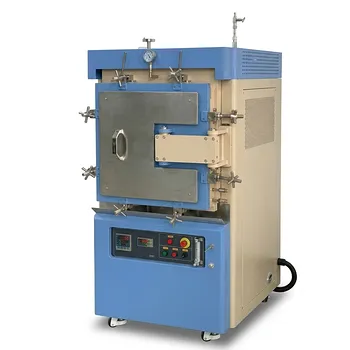
High Temperature Economic Hydrogen Gas Box Furnace 1600C Atmosphere Controlled Thermal Processing System 65L Capacity
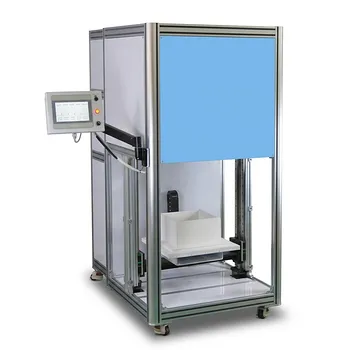
High Temperature 1600°C Three Zone Heated Bottom Loading Box Furnace with Rapid Thermal Processing Chamber 72L Volume
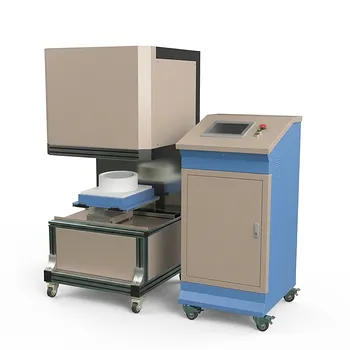
High Temperature Bottom Loading Box Furnace for Rapid Thermal Processing 1700C 40L Capacity
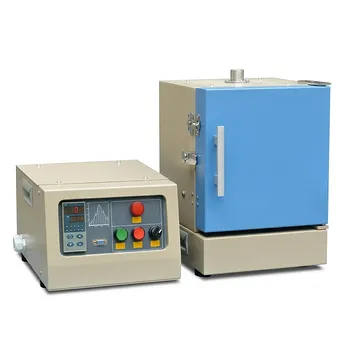
1200C Small Box Muffle Furnace with Separated Programmable Controller and 4.2L Alumina Fiber Chamber
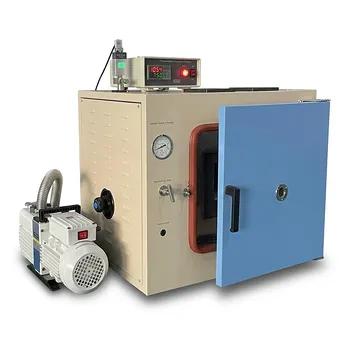
Compact High Vacuum Box Furnace 1050C Max 6.2L Ceramic Chamber Stainless Steel Shell Programmable Temperature Controller for Material Science Research
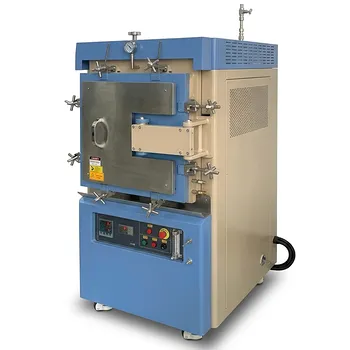
Atmosphere Controlled Muffle Furnace 1700C Maximum Temperature 80L High Capacity Vacuum Inert Gas Box Furnace