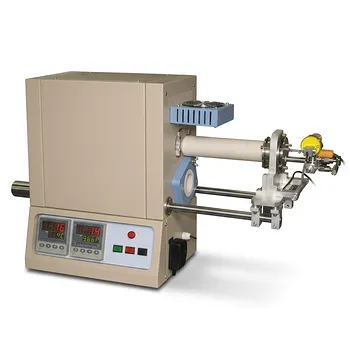
Why is an inert atmosphere required when using a laboratory tube furnace for the carbonization of Coal Tar Pitch (CTP)?
Updated 3 months ago
Maintaining an inert atmosphere is the critical safeguard against total material loss. During the high-temperature carbonization of Coal Tar Pitch (CTP), an inert gas such as nitrogen or argon must displace oxygen within the furnace chamber to prevent oxidative combustion. This oxygen-free environment ensures that the CTP undergoes a controlled chemical transformation into crystalline carbon structures rather than simply burning away as ash or CO2.
An inert atmosphere shifts the thermal process from destructive combustion to constructive pyrolysis, protecting the material skeleton. This allows for the precise execution of dehydrogenation and polycondensation reactions necessary to form conductive, graphitized carbon layers.
The Chemical Necessity of Oxygen Displacement
Shifting from Combustion to Pyrolysis
At high temperatures, carbon-rich precursors like Coal Tar Pitch react violently with oxygen, leading to oxidative combustion. An inert atmosphere eliminates this risk, forcing the material into pyrolysis, which is the thermal decomposition of organic matter in the absence of oxygen.
Facilitating Molecular Restructuring
For Coal Tar Pitch to become a functional carbon material, it must undergo specific chemical sequences: dehydrogenation and polycondensation. The absence of oxygen ensures these reactions focus on building a stable carbon skeleton rather than forming volatile oxides.
Development of Crystalline Structures
The controlled environment is essential for the formation of specific crystalline structures and graphitized layers. Oxygen interference during the heating phase can disrupt the alignment of carbon atoms, resulting in a compromised, non-conductive final product.
Protecting the Structural Integrity of the Carbon Matrix
Preventing Material "Burn-off"
Without an inert gas flow, the carbonized material is susceptible to burn-off, where the carbon surface is consumed by residual oxygen. This is particularly critical when processing materials like CTP to ensure the yield and density of the final carbon product remain high.
Preserving Surface and Pore Morphologies
In applications where CTP is used as a binder or coating, protecting the pore structure and surface area is vital. An inert atmosphere prevents "pitting" or uncontrolled etching of the carbon surface, maintaining the integrity of the carbon skeleton and any embedded templates.
Preventing Degradation of Reinforcements
If the CTP is part of a composite (such as carbon fiber processing), an inert environment prevents the oxidative degradation of the fibers themselves. This ensures that only the intended sizing agents or binders are thermally modified, leaving the structural reinforcements intact.
Understanding the Trade-offs and Limitations
Gas Selection and Purity
While nitrogen is often used for its cost-effectiveness, it can become reactive at extremely high temperatures or with certain metal catalysts. Argon is a superior, though more expensive, choice for reactions requiring absolute chemical neutrality, especially when working with sensitive nitrogen-doped precursors.
Flow Rate and Pressure Management
Maintaining a positive pressure of inert gas is necessary to prevent oxygen from leaking back into the tube furnace. However, an excessively high flow rate can lead to temperature gradients within the furnace, potentially resulting in non-uniform carbonization across the sample.
Cooling Phase Vulnerability
The need for an inert atmosphere does not end when the furnace shuts off. The carbonized material must remain under inert gas flow during the cooling phase until it reaches a low enough temperature to prevent immediate oxidation upon exposure to air.
Strategic Recommendations for Carbonization Projects
How to Apply This to Your Project
To achieve the best results when carbonizing Coal Tar Pitch or similar precursors, tailor your atmosphere control to your specific end-goal:
- If your primary focus is high electrical conductivity: Use high-purity argon to facilitate a cleaner graphitization process and prevent oxygen-based defects in the carbon lattice.
- If your primary focus is producing porous activated carbon: Ensure a steady, low-velocity flow of nitrogen to protect the developing pore network from premature oxidation and "burn-off."
- If your primary focus is cost-efficient batch processing: Utilize nitrogen as the inert medium, but implement a pre-purge cycle to ensure all residual oxygen is displaced before the heating elements are engaged.
The precise control of an oxygen-free environment is the fundamental difference between simply burning coal and engineering a high-performance carbon material.
Summary Table:
| Feature | With Inert Atmosphere (Pyrolysis) | With Oxygen (Combustion) |
|---|---|---|
| Chemical Process | Controlled dehydrogenation & polycondensation | Oxidative combustion (burning) |
| Material Yield | High yield; preserves carbon skeleton | Low yield; material turns to ash/CO2 |
| Final Product | Conductive, graphitized carbon layers | Brittle, non-conductive, or fully lost |
| Surface Integrity | Preserves pore morphology and density | Surface pitting and material "burn-off" |
| Cooling Phase | Protected from oxidation until stable | Immediate degradation upon air exposure |
Advance Your Material Research with THERMUNITS High-Performance Furnaces
Precision is paramount in carbonization and thermal processing. As a leading manufacturer of high-temperature laboratory equipment, THERMUNITS provides researchers and industrial R&D teams with advanced solutions designed for absolute atmosphere control.
Our comprehensive range includes Tube Furnaces, Atmosphere and Vacuum Furnaces, CVD/PECVD systems, and Rotary Kilns, all engineered to ensure the oxygen-free environments required for superior material integrity. Whether you are developing conductive carbon layers or specialized composites, our equipment delivers the uniform heating and gas management necessary for success.
Don't let oxidation compromise your material yield. Contact us today to find the perfect thermal processing solution for your laboratory and experience the THERMUNITS advantage in material science.
References
- Sang-Hye Lee, Jae‐Seung Roh. Changes in Functional Groups and Crystal Structure of Coal Tar Pitch with Respect to Carbonization Temperature. DOI: 10.3390/cryst14020122
Mentioned Products
- Compact Hybrid Muffle and Tube Furnace for 1000C Controlled Atmosphere Laboratory Material Sintering
- High Temperature 1500C Benchtop Muffle Furnace 3.6L Alumina Fiber Chamber Programmable Controller Sintering Annealing Carbonization Thermal Processing System
- 1100°C Vertical Laboratory Furnace for DIY Tubular Reactors with PID Temperature Controller
- High Temperature Automated 5 Inch Tube Furnace for Autonomous Material Research and Advanced Laboratory R&D
- High Temperature 1700C Tube Furnace with 4 Inch OD Alumina Tube and Vacuum Sealing Flanges
People Also Ask
- Why is an atmosphere-controlled tube furnace required for the pre-sulfidation of NiMo/gamma-Al2O3 catalysts?
- Why is an atmosphere-controlled tube furnace required for 800 °C CNF annealing? Essential for Oxidative Protection.
- Why is an atmosphere-controlled tube furnace required for [email protected]/C preparation? Key for Purity & Structure
- Why is an atmosphere-controlled tube furnace required for single-atom sensor calcination? Ensure Atomic Dispersion.
- What is the function of a controlled atmosphere tube furnace in LiGa alloying? Achieving High-Purity Thermal Synthesis

Tech Team · ThermUnits
Last updated on Jun 02, 2026
Related Products
Compact Hybrid Muffle and Tube Furnace for 1000C Controlled Atmosphere Laboratory Material Sintering
High Temperature 1500C Benchtop Muffle Furnace 3.6L Alumina Fiber Chamber Programmable Controller Sintering Annealing Carbonization Thermal Processing System
1100°C Vertical Laboratory Furnace for DIY Tubular Reactors with PID Temperature Controller

High Temperature Automated 5 Inch Tube Furnace for Autonomous Material Research and Advanced Laboratory R&D
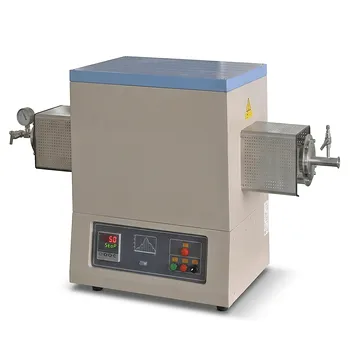
High Temperature 1700C Tube Furnace with 4 Inch OD Alumina Tube and Vacuum Sealing Flanges

1800C High Temperature Compact Vacuum Tube Furnace with 60mm OD Alumina Tube and Kanthal MoSi2 Heating Elements
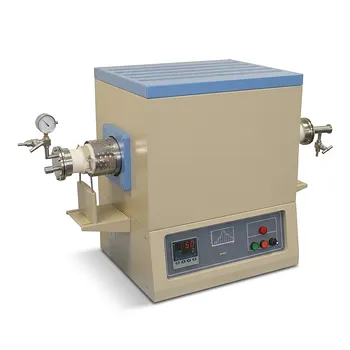
1700C High Temperature Alumina Tube Furnace with 18 Inch Heated Zone and Vacuum Sealing Flanges

High Temperature 1700C Vertical Tube Furnace for Powder Spherification and Material Sintering

Compact High Temperature 1600C Tube Furnace with 50mm Alumina Tube and Vacuum Flanges for Material Sintering
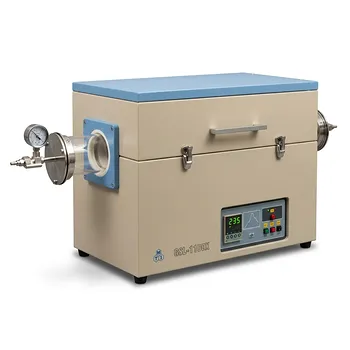
Single Zone Tube Furnace 5 Inch Quartz Tube 36 Inch Heating Zone Vacuum Flanges
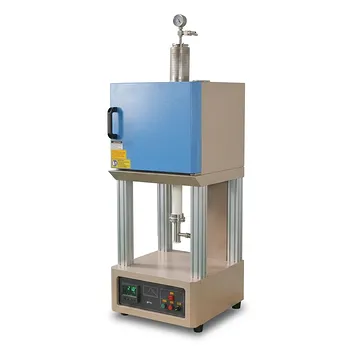
Hybrid High Temperature Tube and Box Furnace 1700C with 2 Inch Alumina Tube for Material Research
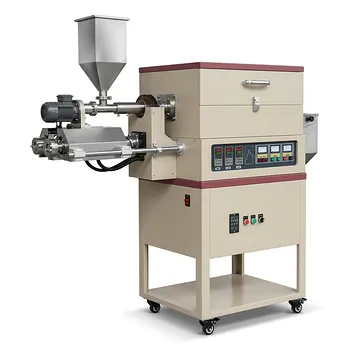
Laboratory Tilting Rotary Tubular Furnaces for Material Science and Industrial Heat Treatment
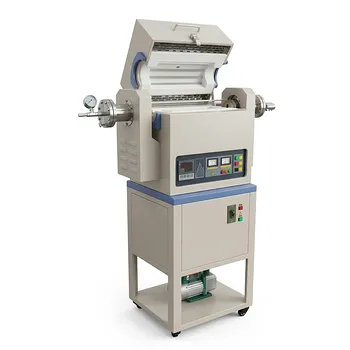
High Temperature Rotary Tilt Tubular Furnaces for Advanced Powder Sintering and Material Processing
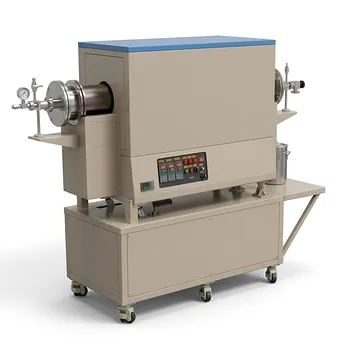
900°C Max Rotary Tube Furnace with 8 Inch 310S Alloy Tube and Optional Multi Zone Heating for Industrial Material Calcination
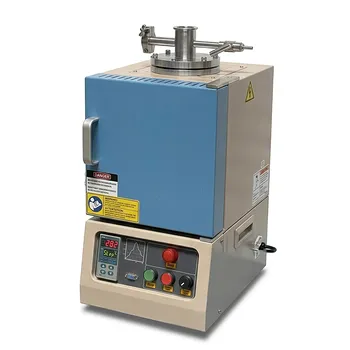
High Temperature Hybrid Muffle and Tube Furnace with Vacuum Capability and PID Control
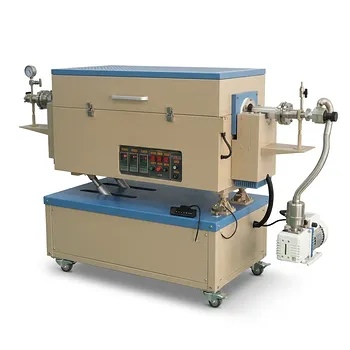
Three Zone Rotary Tube Furnace for High Temperature Powder Processing and Material Research
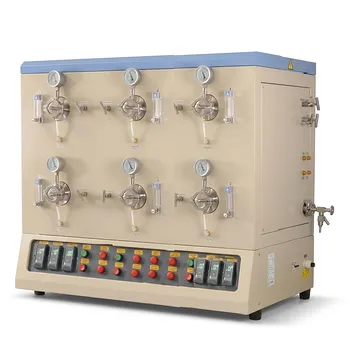
1200C High Throughput Multi Channel Tube Furnace with 50mm Quartz Tubes for Annealing and Material Phase Diagram Research
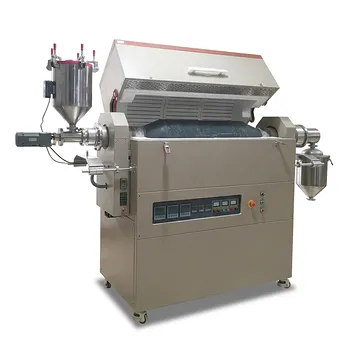
High Temperature Tilting Rotary Tubular Furnace for Continuous Powder Thermal Processing and Controlled Atmosphere Sintering
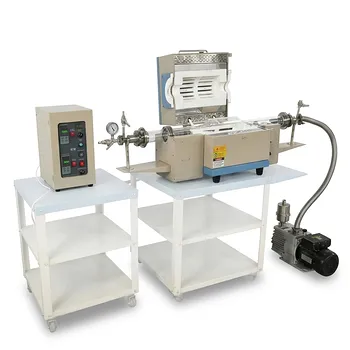
Two Zone Rotary Tube Furnace for Powder CVD Coating and Core Shell Material Synthesis 1100C