Why is High-Activity Graphite Felt used within Radiation-Assisted Sintering (RAS)? Optimize Your Thermal Efficiency
Updated 3 months ago
High-Activity Graphite Felt is the primary thermal management tool in Radiation-Assisted Sintering (RAS) configurations. It functions as a high-efficiency insulator that traps thermal energy within the reaction zone by minimizing radiant heat loss. This localization of heat allows the system to reach extreme temperatures rapidly while maintaining the structural integrity and uniformity of the sintered material.
High-Activity Graphite Felt acts as a thermal barrier that converts a volatile heating process into a controlled, efficient environment. Its integration is essential for achieving the rapid heating rates and temperature stability required for advanced material synthesis.
The Mechanics of Thermal Localization
Superior Insulating Properties
High-Activity Graphite Felt is selected specifically for its extremely low thermal conductivity. This characteristic ensures that heat generated within the system remains concentrated on the sample rather than dissipating into the surrounding atmosphere or furnace walls.
Reducing Radiant Heat Loss
In an RAS setup, the felt is typically wrapped around the graphite crucible. By creating this physical shroud, the material reflects radiant energy back toward the sintering zone, significantly reducing the power required to maintain high temperatures.
Concentrating Heat in the Sintering Zone
By acting as a "thermal sponge," the felt ensures the sintering zone remains the hottest part of the apparatus. This concentration of energy is vital for driving the diffusion processes necessary for successful powder densification.
Impact on Sintering Dynamics
Supporting Rapid Heating Cycles
RAS experimental configurations often require aggressive heating rates, sometimes reaching 200 °C/min. Graphite felt provides the thermal inertia and containment necessary to sustain these speeds without overwhelming the system’s power supply.
Ensuring Temperature Uniformity
Maintaining a consistent temperature across the entire sample is a common challenge in high-speed sintering. The felt creates a homogenous thermal envelope around the crucible, which prevents cold spots and ensures the final product has a uniform microstructure.
Improving Energy Efficiency
Because the felt prevents heat from escaping, the system can achieve target temperatures using significantly less energy. This efficiency not only reduces operational costs but also protects sensitive auxiliary components from heat damage.
Understanding the Trade-offs
Sensitivity to Oxidation
Graphite felt is highly effective but must be used in vacuum or inert gas environments. If exposed to oxygen at high temperatures, the felt will oxidize and degrade, losing its insulating properties and potentially contaminating the experiment.
Potential for Carbon Vapor Transport
At extreme temperatures, there is a slight risk of carbon vapor transport from the felt to the sample. While usually mitigated by the crucible, researchers must account for this when working with materials that are highly sensitive to carbon levels.
Compression and Performance
The insulating performance of the felt can change if it is overly compressed. Tight wrapping is necessary for stability, but excessive pressure can increase the material's thermal conductivity, slightly reducing its effectiveness as a barrier.
How to Apply This to Your Project
Optimizing Your RAS Configuration
When integrating High-Activity Graphite Felt into your sintering workflow, consider the specific thermal requirements of your material and the limitations of your furnace environment.
- If your primary focus is Maximum Heating Speed: Wrap the crucible in multiple thin layers of felt to maximize heat retention and reach 200 °C/min with minimal power draw.
- If your primary focus is Material Homogeneity: Ensure the felt coverage is perfectly symmetrical around the crucible to prevent thermal gradients that could cause uneven densification.
- If your primary focus is Component Longevity: Operate strictly within high-vacuum or argon environments to prevent the oxidative breakdown of the graphite fibers.
By strategically utilizing graphite felt, you ensure that your RAS configuration operates at the highest possible level of thermal precision and efficiency.
Summary Table:
| Key Feature | Role in RAS Configuration | Performance Benefit |
|---|---|---|
| Thermal Insulation | Low thermal conductivity traps heat in the zone. | Reaches extreme temperatures rapidly. |
| Radiation Shield | Reflects radiant energy back to the crucible. | Minimizes power draw & heat loss. |
| Thermal Envelope | Creates a homogenous heat field around samples. | Ensures microstructure uniformity. |
| Heating Stability | Provides necessary thermal inertia for high speeds. | Supports heating rates up to 200°C/min. |
Elevate Your R&D Precision with THERMUNITS
Achieving the perfect sintering environment requires more than just high temperatures—it requires expert thermal management. THERMUNITS is a leading manufacturer of high-temperature laboratory equipment, providing the precision tools needed for advanced material science and industrial R&D.
From high-activity graphite felt to advanced thermal systems, we offer a comprehensive range of solutions, including:
- Furnaces: Muffle, Vacuum, Atmosphere, Tube, Rotary, and Hot Press.
- Specialized Systems: CVD/PECVD setups, Dental Furnaces, and Vacuum Induction Melting (VIM) furnaces.
- Components: Electric rotary kilns, premium Thermal Elements, and custom laboratory heat treatment equipment.
Whether you are optimizing a Radiation-Assisted Sintering (RAS) setup or developing new materials, our technical team is ready to provide the high-performance equipment your project demands.
Ready to enhance your lab's efficiency? Contact THERMUNITS today to discuss your requirements.
References
- Tomaž Tomše, Kristina Žužek. A Rapid Thermal‐Radiation‐Assisted Sintering Strategy for Nd–Fe–B‐Type Magnets. DOI: 10.1002/adem.202401404
Mentioned Products
- High Temperature Horizontal Electrical Assisted Sintering Furnace with 3KW Programmable Power Source for Advanced Ceramic Materials
- High Temperature Ultrafast Heating Pressing Furnace 2900C Max 100kgf Rapid Thermal Processing System
- Roller Table Atmosphere Furnace 1500C High Temperature Battery Material Sintering System 112L Capacity
- 1500°C Atmosphere Controlled Rapid Heating Furnace for Material Science and Battery Powder Sintering
- Induction Heating System with Temperature Control for High Temperature Vacuum Sintering and Melting
People Also Ask
- How does the temperature control precision of a high-temperature sintering furnace affect Na1+xLa1-xZr2O6-δ ceramics?
- How does a high-temperature sintering furnace environment enhance NdFeB magnets? Achieve 98%+ density with precision.
- Why is a high-temperature sintering furnace required for the preparation of Li(Nb,Ta)O3 precursors? Essential Insights
- How does a high-temperature sintering furnace contribute to the interfacial strengthening of SS316L and zirconia?
- What role does a sintering furnace play with silver paste? Essential Thermal Management for Power Device Packaging

Tech Team · ThermUnits
Last updated on Jun 03, 2026
Related Products
High Temperature Horizontal Electrical Assisted Sintering Furnace with 3KW Programmable Power Source for Advanced Ceramic Materials
High Temperature Ultrafast Heating Pressing Furnace 2900C Max 100kgf Rapid Thermal Processing System
Roller Table Atmosphere Furnace 1500C High Temperature Battery Material Sintering System 112L Capacity
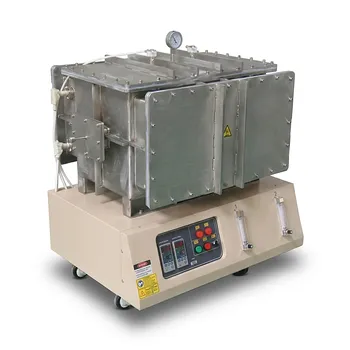
1500°C Atmosphere Controlled Rapid Heating Furnace for Material Science and Battery Powder Sintering
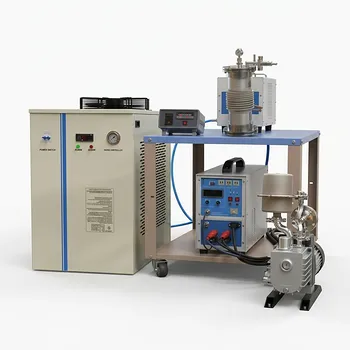
Induction Heating System with Temperature Control for High Temperature Vacuum Sintering and Melting
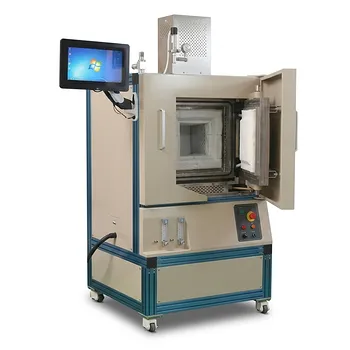
High Temperature Oxygen and Inert Atmosphere Controlled Furnace 8 Liter 1700C Sintering System for Advanced Materials RD
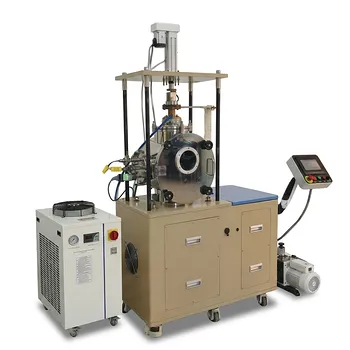
Compact Spark Plasma Sintering SPS Furnace 1200 C Max 100 MPa Pressure High Speed Sintering System for Material Research
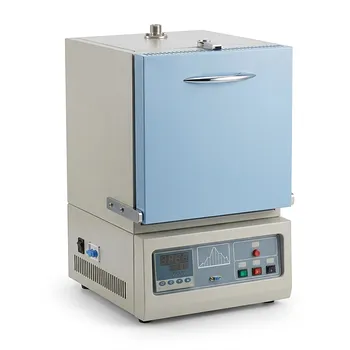
1750C Compact Muffle Furnace 1.7L Ultra High Temperature Laboratory Sintering System for Advanced Ceramics and Material Science Research
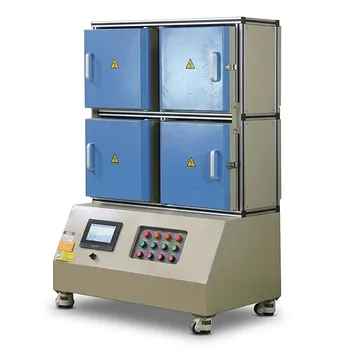
High Throughput Four Channel Box Furnace 1500C Max Independent Temperature Control Material Research Sintering System
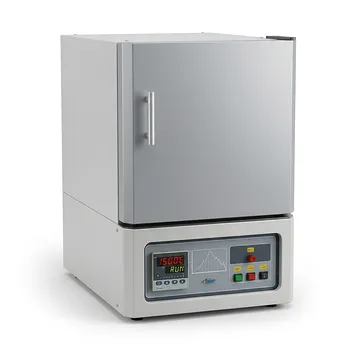
High Temperature 1500C Benchtop Muffle Furnace 3.6L Alumina Fiber Chamber Programmable Controller Sintering Annealing Carbonization Thermal Processing System
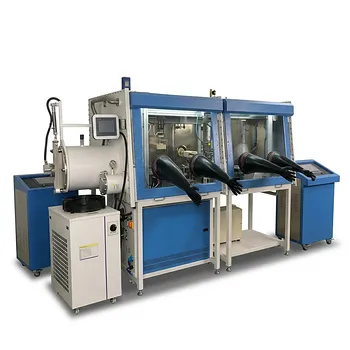
Automatic 10 Crucible Induction Melting and Casting System with Stirring Function and Glovebox Integration 2000C
Rapid Thermal Processing Furnace 1100C Atmosphere Controlled Bottom Loading RTP System for Wafer Annealing and Catalysis Research
High Temperature Rotary Tilt Tubular Furnaces for Advanced Powder Sintering and Material Processing
High Temperature Induction Melting System with Integrated Ultra High Purity Glove Box for Metallic Alloy Processing
15KW Induction Melting System with Top Suction Casting for Thin Rod Production Up to 1200°C
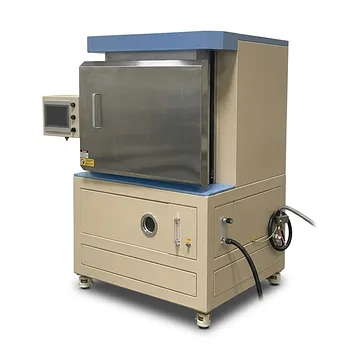
1650C High Temperature Atmosphere Controlled Box Furnace with 65L Chamber for Advanced Material Sintering and Industrial Heat Treatment
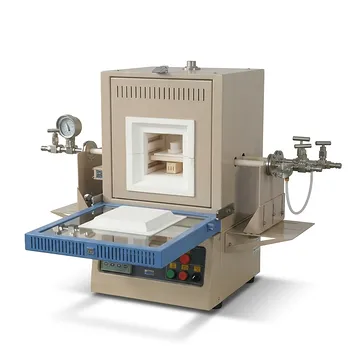
1700C Compact Hybrid Furnace with Dual Layer Box Sintering and Controlled Atmosphere Alumina Tubes
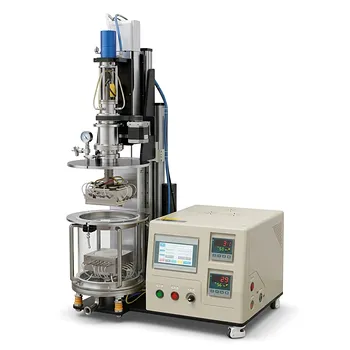
High Temperature 800C Rapid Thermal Processing Furnace with Rotating Sample Holder for Close Spaced Sublimation and Thin Film Solar Cell Research

High Temperature 1700C Vertical Tube Furnace for Powder Spherification and Material Sintering