Why is high-precision heating necessary for cellulose-based carbon aerogel precursors? Ensure Structural Integrity
Updated 3 months ago
High-precision constant temperature heating is the fundamental requirement for ensuring the structural integrity and chemical uniformity of cellulose-based carbon aerogel precursors. This equipment maintains a stable 80°C environment for the necessary two-hour duration, allowing cellulose chains to undergo a complete and uniform cross-linking reaction with agents like MBA and enhancers like sepiolite. By eliminating temperature fluctuations, the equipment ensures a controlled gelation rate, which is the only way to achieve a homogeneous three-dimensional network structure.
The necessity for high-precision heating stems from the need to synchronize chemical cross-linking and physical gelation across the entire material volume. Maintaining a stable thermal environment prevents localized reaction variances that would otherwise lead to structural defects or non-uniform density in the final aerogel.
Optimizing the Chemical Environment for Cross-Linking
Achieving Uniform Molecular Bonding
For cellulose-based precursors, the cross-linking reaction between cellulose chains, MBA (N,N'-Methylenebisacrylamide), and sepiolite is highly sensitive to thermal energy. High-precision equipment ensures that every part of the mixture receives the exact same caloric input, leading to a fully integrated molecular network.
Controlling the Gelation Kinetics
The transition from a liquid solution to a solid hydrogel—known as gelation—must occur at a predictable, steady rate. A stable temperature gradient allows for a controlled gelation process, which is essential for forming a homogeneous three-dimensional network rather than a disorganized or clumped structure.
Enhancer Integration and Distribution
The inclusion of enhancers like sepiolite requires a consistent thermal environment to ensure they are properly locked into the cellulose matrix. Precise heating prevents localized "hot spots" that could cause uneven distribution of these enhancers, which would ultimately weaken the precursor’s mechanical properties.
Ensuring Structural Integrity and Precursor Quality
Preventing Structural Collapse
Refining the thermal environment is critical for removing moisture and volatile components without damaging the delicate 3D framework. High-precision heating, often seen in drying stages, ensures that physical and crystalline water are removed gradually, preventing the structural collapse or non-uniformity that occurs when moisture evaporates too violently.
Eliminating Localized Overheating
Just as in high-end metallurgy, where precise heating prevents grain boundary melting, precision in aerogel preparation prevents localized degradation of the cellulose chains. Staying strictly at the 80 °C threshold ensures the material achieves its maximum cross-linking density without reaching temperatures that might trigger premature carbonization or thermal decomposition.
Consistency for High-Temperature Annealing
The hydrogel formed at 80 °C serves as the foundation for the final carbon aerogel produced during high-temperature annealing. If the initial precursor is not perfectly uniform due to temperature fluctuations, the subsequent carbonization will amplify those defects, resulting in a fragile or ineffective final product.
Understanding the Trade-offs
Equipment Cost vs. Material Yield
High-precision heating units represent a significantly higher upfront capital investment compared to standard industrial ovens. However, using lower-grade equipment often results in higher "scrap rates" and inconsistent batches, making precision equipment more cost-effective for long-term production.
Throughput and Cycle Times
Maintaining extreme precision often requires longer stabilization periods to ensure the entire chamber reaches a uniform temperature. While this may slightly increase the total processing time, it is a necessary trade-off to ensure the chemical reactions reach completion throughout the material's core.
Calibration and Maintenance Complexity
The more precise the equipment, the more sensitive it is to environmental factors and sensor drift. These units require regular, professional calibration to maintain their accuracy, which adds a layer of operational complexity to the laboratory or production facility.
How to Apply This to Your Project
Making the Right Choice for Your Goal
- If your primary focus is structural strength: Invest in high-precision equipment to ensure the 3D network is perfectly uniform and free of localized weak points caused by uneven cross-linking.
- If your primary focus is high-volume production: Use precision ovens with advanced airflow and internal sensors to maintain a stable thermal gradient across large batches, preventing moisture-induced collapse.
- If your primary focus is experimental repeatability: Prioritize equipment with digital PID control and minimal temperature fluctuation (±0.1°C) to ensure that every batch of precursor is chemically identical.
Ultimately, high-precision heating is not a luxury, but a technical prerequisite for transforming delicate cellulose chains into robust, high-performance carbon aerogel structures.
Summary Table:
| Parameter | High-Precision Heating (80°C) | Standard/Fluctuating Heating |
|---|---|---|
| Cross-linking | Uniform molecular bonding (MBA/Sepiolite) | Localized variances & defects |
| Gelation Rate | Controlled & steady kinetics | Unpredictable; clumped structures |
| 3D Structure | Homogeneous three-dimensional network | Non-uniform density; structural collapse |
| Mechanicals | Maximum precursor quality & strength | Brittle or fragile final carbon aerogel |
| Yield Rate | High; consistent repeatable batches | Low; high scrap rate due to defects |
Elevate Your Material Research with THERMUNITS
Precise thermal control is the difference between a robust 3D aerogel network and a collapsed framework. As a leading manufacturer of high-temperature laboratory equipment, THERMUNITS provides the precision and stability required for the most sensitive R&D processes.
From high-precision ovens to advanced Muffle, Vacuum, Atmosphere, and Tube furnaces, our equipment is engineered to ensure experimental repeatability and uniform material properties. Whether you are working on CVD/PECVD systems, vacuum induction melting (VIM), or industrial rotary kilns, we offer the thermal processing expertise to advance your material science goals.
Ready to optimize your lab’s efficiency and product quality?
Contact our technical team today to find the perfect thermal solution for your project!
References
- Fangqin Liu, Jinyang Chen. One-Pot Synthesis of Cellulose-Based Carbon Aerogel Loaded with TiO2 and g-C3N4 and Its Photocatalytic Degradation of Rhodamine B. DOI: 10.3390/nano14131141
Mentioned Products
- Induction Heating System with Temperature Control for High Temperature Vacuum Sintering and Melting
- 15KW Induction Heating System with 5 Inch Quartz Tube and 2200C Temperature Controller
- 1200C Five Side Heating Muffle Furnace with Sliding Door 125L Volume High Temperature Heat Treatment System for Large Scale Sintering and Annealing
- Three Temperature Zone Fast Heating Furnace 1500C Laboratory High Precision Thermal Processing System
- 15KW 1700C Max Induction Heater 6 Inch Tube with Dose Feeding and Melt Stirring Function
People Also Ask
- What is the role of a vacuum induction melting furnace combined with a water-cooled copper mold? Mastering RHEA Purity
- Explain the physical principle behind heat generation in a Vacuum Induction Melting (VIM) furnace: A Technical Guide
- Why is a VIM furnace essential for high-purity alloys? Achieve unmatched metal purity and structural integrity.
- Why is Vacuum Induction Melting preferred for manufacturing corrosion-resistant alloys? Ensure Ultra-High Purity
- How does Vacuum Induction Melting mitigate hydrogen embrittlement? Ensure Structural Integrity for Critical Alloys

Tech Team · ThermUnits
Last updated on Jun 02, 2026
Related Products
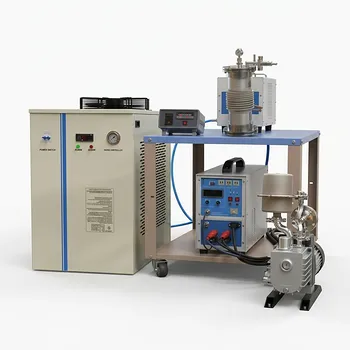
Induction Heating System with Temperature Control for High Temperature Vacuum Sintering and Melting
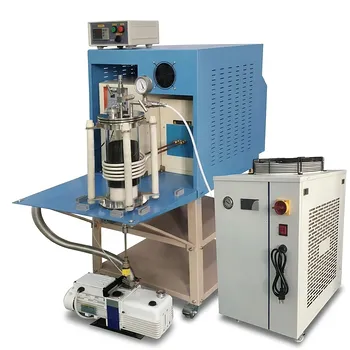
15KW Induction Heating System with 5 Inch Quartz Tube and 2200C Temperature Controller
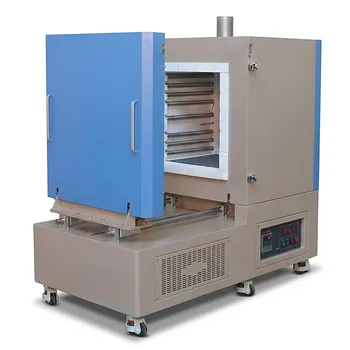
1200C Five Side Heating Muffle Furnace with Sliding Door 125L Volume High Temperature Heat Treatment System for Large Scale Sintering and Annealing
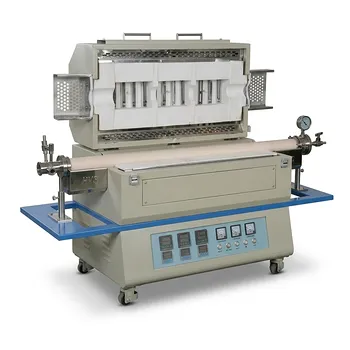
Three Temperature Zone Fast Heating Furnace 1500C Laboratory High Precision Thermal Processing System
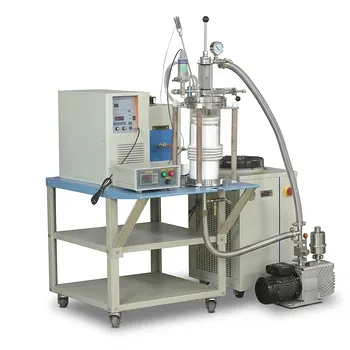
15KW 1700C Max Induction Heater 6 Inch Tube with Dose Feeding and Melt Stirring Function
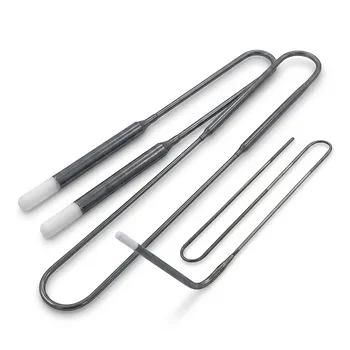
Molybdenum Disilicide MoSi2 Thermal Elements Electric Furnace Heating Element High Temperature Resistance
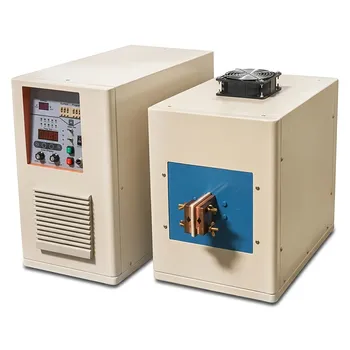
High Frequency Desktop Induction Heater 35KW 30-80 KHz with Precision Timer Control for Industrial Material Research and Metal Processing

High Temperature Tube Furnace 1500C with Sliding Flanges and 50mm OD for Rapid Thermal Processing Fast Heating and Cooling
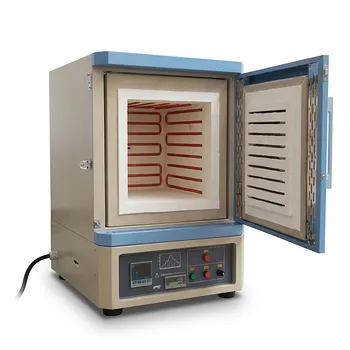
Five Side Heating Muffle Furnace 1200C High Uniformity 64L Chamber 16x16x16 Inch Industrial Heat Treatment
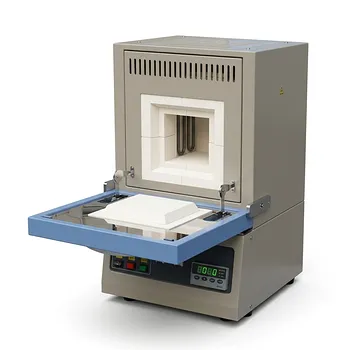
Five Sided Heating Muffle Furnace High Uniformity 1200C Lab Box Furnace 27L Alumina Fiber Chamber
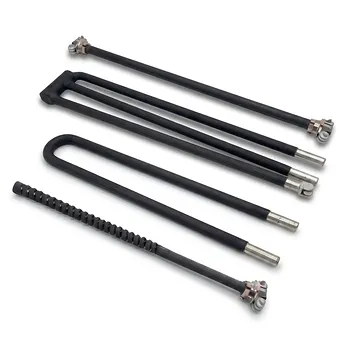
Silicon Carbide SiC Thermal Heating Elements for Industrial Electric Furnaces

High Temperature 1700C Benchtop Tube Furnace with 5 Inch Heating Zone High Purity Alumina Tube and Vacuum Sealing Flanges
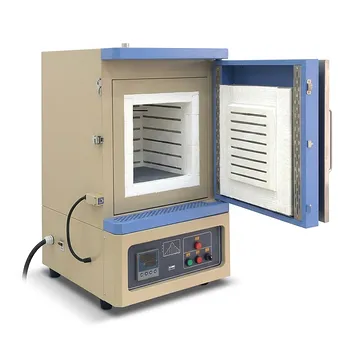
Five Side Heating Muffle Furnace High Purity Alumina Fiber 27L Chamber 1200C High Temperature Thermal Processing System for Sintering Annealing and Materials Research
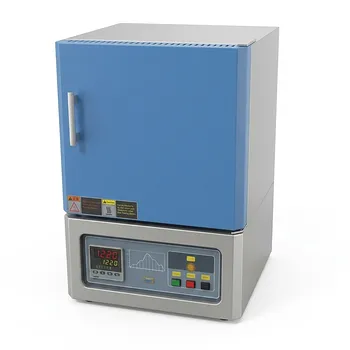
High Temperature Benchtop Muffle Furnace 1700C 10L Chamber Alumina Fiber Insulation MoSi2 Heating Elements
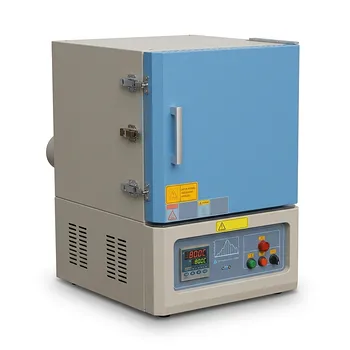
1800C Bench Top Muffle Furnace 18 Liters with Kanthal Super 1900 Heating Elements for High Purity Ceramic Sintering and Material Research
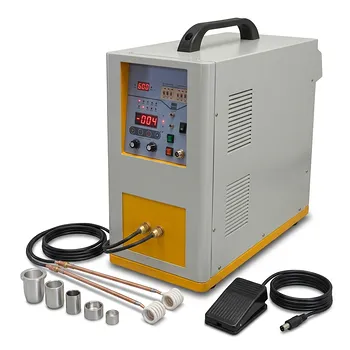
Desktop High Frequency Induction Heater 6KW 100-500kHz for Precision Metal Melting and Heat Treatment
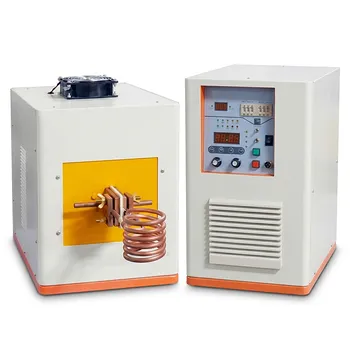
30KW High Frequency Induction Heater for Metal Melting and Industrial Heat Treatment 80-200kHz
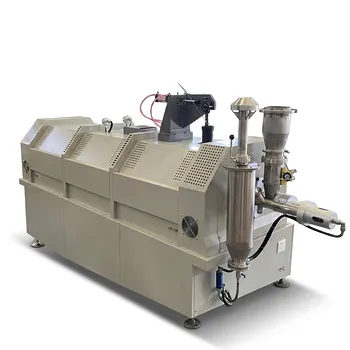
Electric Rotary Kiln Continuous Working Small Rotary Furnace Heating Pyrolysis Plant
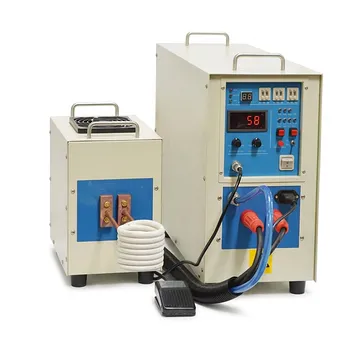
High Frequency Desktop Induction Heater 15 KVA Induction Heating System with Automatic Timer Control for Material Research and Metal Melting