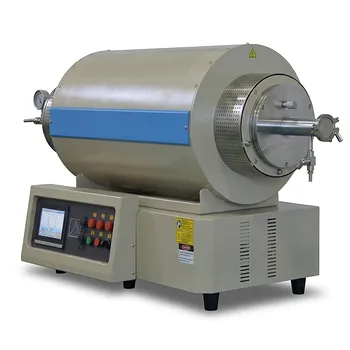
Why is high-purity inert gas essential for cathode synthesis? Achieve Superior Purity in Atmosphere Tube Furnaces
Updated 3 months ago
High-purity inert gases like argon are critical for cathode synthesis because they create a chemically inactive environment that prevents unwanted oxidation and contamination. In an atmosphere tube furnace, these gases displace oxygen and moisture, ensuring that active metal components maintain their intended valence states and structural integrity. Furthermore, a constant flow of high-purity gas actively removes gaseous byproducts, driving the chemical reaction toward the desired high-performance phase.
High-purity argon serves as both a protective shield against oxidative degradation and a kinetic driver for the synthesis of advanced materials. By maintaining a strictly controlled atmosphere, it ensures the phase purity, electrical conductivity, and structural stability required for high-performance battery components.
Preventing Oxidative Degradation and Phase Impurity
Maintaining Low Oxygen Partial Pressure
The initial purity of the carrier gas dictates the minimum oxygen partial pressure achievable within the furnace. Even when using secondary purification methods like copper foil oxygen traps, starting with high-purity gas reduces the load on these traps and ensures the environment remains truly neutral.
Protecting Active Metal Valence States
High-performance cathodes often rely on specific metal valence states that are highly sensitive to oxygen. High-purity argon prevents active metals, such as iron or ruthenium, from undergoing uncontrolled oxidation or forming brittle oxide films that would degrade electrochemical performance.
Preserving Carbon-Based Architectures
Many modern cathode materials incorporate carbon skeletons or nitrogen-doped substrates to enhance conductivity. Without a pure inert atmosphere, these carbon components would undergo oxidative combustion or ablation at high sintering temperatures, destroying the material's conductive framework.
Driving Reaction Kinetics and Purity
Efficient Byproduct Removal
A stable flow of argon, typically around 50 mL per minute, is essential for carrying away gaseous byproducts like carbon dioxide (CO2) or volatile organic compounds. Removing these byproducts prevents them from re-reacting with the material or condensing and contaminating the furnace tube.
Promoting Solid-State Reactions
By continuously removing generated gases, the argon flow helps shift the equilibrium of the solid-state reaction toward the desired product. This ensures a higher yield and prevents the formation of secondary phases that could impede lithium-ion transport.
Controlling Micro-morphology and Porosity
Inert atmospheres allow for the precise control of nanotube coatings and pore structures by preventing secondary oxidation reactions. This is vital for maintaining the intended surface area and micro-morphology, which directly impact the rate capability of the cathode.
Understanding the Trade-offs and Limitations
The Cost of Ultra-High Purity
While high-purity gas is essential, it comes with increased operational costs compared to standard industrial grades. Users must balance the necessity of 99.999% purity against the specific sensitivity of their precursor materials to avoid unnecessary expenses.
Flow Rate Balancing
Maintaining an optimal flow rate is a delicate balance; too low a flow fails to remove byproducts effectively, while excessive flow rates can cause temperature gradients within the tube. These gradients can lead to non-uniform sintering and inconsistent material performance across the batch.
Trap Saturation Risks
Relying solely on gas purity without monitoring oxygen traps can be a critical failure point. Even high-purity gas contains trace contaminants that will eventually saturate traps, leading to a silent drift in the atmosphere quality and "batch-to-batch" variability.
How to Apply This to Your Synthesis Project
When setting up your atmosphere tube furnace for cathode synthesis, your gas strategy should align with your specific material requirements:
- If your primary focus is maximizing conductivity: Invest in the highest purity argon available and maintain a steady flow to prevent any oxidative damage to the carbon conductive network.
- If your primary focus is precise phase composition: Use high-purity gas in conjunction with oxygen traps and flow meters to ensure the oxygen partial pressure remains below the threshold for secondary phase formation.
- If your primary focus is scalability and cost-efficiency: Determine the "tipping point" purity level where material performance plateaus to avoid over-spending on gas grades that do not provide measurable benefits.
Investing in high-purity inert gas is not merely a safety precaution, but a fundamental requirement for achieving the chemical precision and structural integrity demanded by high-performance energy storage materials.
Summary Table:
| Key Function | Impact on Material | Primary Benefit |
|---|---|---|
| Oxygen Displacement | Prevents unwanted oxidation | Maintains target metal valence states |
| Byproduct Removal | Eliminates CO2/volatile gases | Prevents re-reaction and drives kinetics |
| Conductivity Protection | Preserves carbon skeletons | Ensures high electrical performance |
| Atmosphere Stability | Maintains low partial pressure | Guarantees phase purity and morphology |
Optimize Your Material Synthesis with THERMUNITS Precision
In the world of battery research, the difference between a high-performance cathode and a failed batch lies in atmospheric precision. THERMUNITS is a leading manufacturer of high-temperature laboratory equipment designed specifically for material science and industrial R&D.
We provide a comprehensive range of thermal processing solutions tailored to ensure your synthesis remains uncontaminated and efficient:
- Atmosphere & Tube Furnaces: Specifically engineered for precise inert gas control.
- Vacuum, Muffle, and Rotary Furnaces: For versatile heat treatment applications.
- CVD/PECVD Systems: Advanced solutions for nanotube and thin-film coatings.
- Hot Press & Vacuum Induction Melting (VIM) Furnaces: For high-density material processing.
Whether you are scaling production or refining a laboratory experiment, THERMUNITS delivers the reliability and technical support your project demands.
Contact our experts today to find the perfect thermal solution for your lab!
References
- Itsuki Konuma, Naoaki Yabuuchi. A methodology to synthesize easily oxidized materials containing Li ions in an inert atmosphere. DOI: 10.1039/d4ya00089g
Mentioned Products
- Vertical 1700C Vacuum and Atmosphere Tube Furnace with 80mm Alumina Tube
- 1200C Hybrid Muffle and Tube Furnace for Material Research with Dual Atmosphere Control Quartz Tubes
- 1200°C Atmosphere Controlled Automatic Bottom Loading Furnace with 6 Inch Quartz Tube
- Compact Hybrid Muffle and Tube Furnace for 1000C Controlled Atmosphere Laboratory Material Sintering
- Compact Vertical Split Quartz Tube Furnace with Stainless Steel Vacuum Flanges for Rapid Thermal Quenching and Controlled Atmosphere Material Processing
People Also Ask
- How is an industrial-grade vertical tube furnace utilized in smelting leaching residues? Enhance Metal Recovery Efficiency
- What is the function of a laboratory-grade vertical tube furnace in fast pyrolysis? Optimize Composite Research.
- How does a vertical tube furnace facilitate thermoelectric alloy melting? Precision synthesis for material homogeneity.
- Why is a thermocouple sensor indispensable for monitoring the vertical tube furnace during gallium oxide nanowire production? Optimize VLS Growth
- What are the advantages of using a vertical tube furnace for crucible experiments simulating steel-slag interactions?

Tech Team · ThermUnits
Last updated on Jun 02, 2026
Related Products
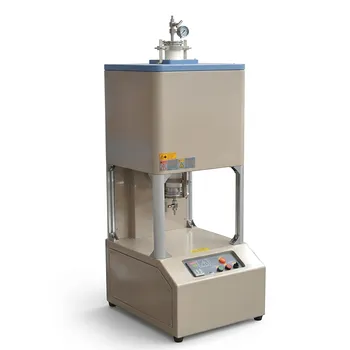
Vertical 1700C Vacuum and Atmosphere Tube Furnace with 80mm Alumina Tube
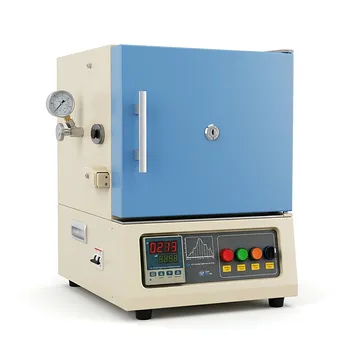
1200C Hybrid Muffle and Tube Furnace for Material Research with Dual Atmosphere Control Quartz Tubes
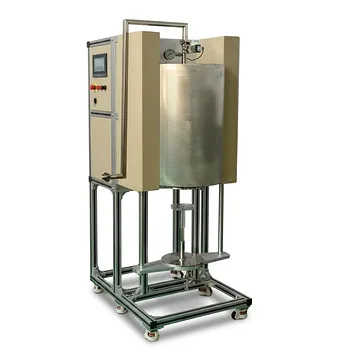
1200°C Atmosphere Controlled Automatic Bottom Loading Furnace with 6 Inch Quartz Tube
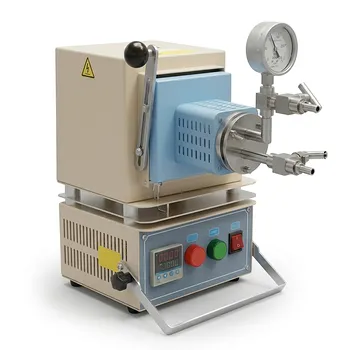
Compact Hybrid Muffle and Tube Furnace for 1000C Controlled Atmosphere Laboratory Material Sintering
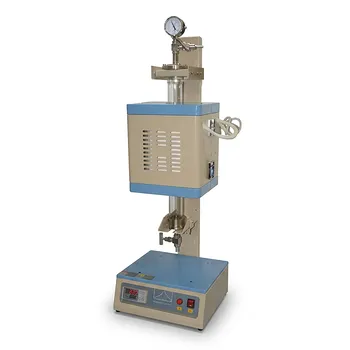
Compact Vertical Split Quartz Tube Furnace with Stainless Steel Vacuum Flanges for Rapid Thermal Quenching and Controlled Atmosphere Material Processing
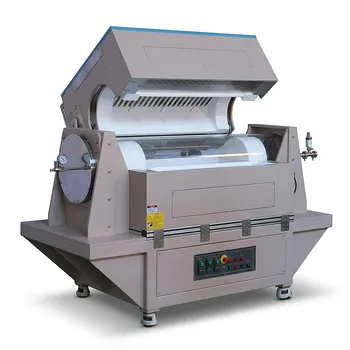
Three Zone Tube Furnace with 11 Inch or 15 Inch Quartz Tube and Hinged Flanges for Vacuum Atmosphere Heat Treatment
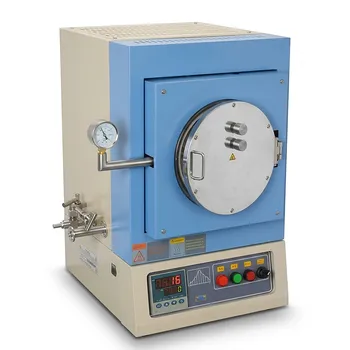
1100°C High Temperature Quartz Chamber Furnace 8 Inch OD with 7.6 Liter Capacity and Vacuum Atmosphere Capability
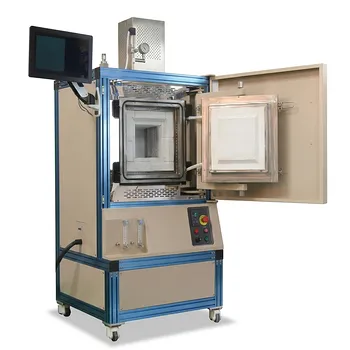
High Temperature Hydrogen Atmosphere Box Furnace 1650C Max Reducing Environment Material Synthesis System 8x8x8 Chamber

High Temperature 1700C Vertical Tube Furnace for Powder Spherification and Material Sintering

Compact High Temperature 1600C Tube Furnace with 50mm Alumina Tube and Vacuum Flanges for Material Sintering

High Temperature 1700C Tube Furnace with High Vacuum Turbomolecular Pump System and Multi Channel Mass Flow Controller Gas Mixer
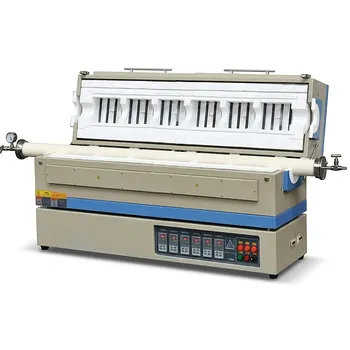
High Temperature 1700C Six Zone Split Tube Furnace with Alumina Tube and Water Cooled Flanges

1800C High Temperature Compact Vacuum Tube Furnace with 60mm OD Alumina Tube and Kanthal MoSi2 Heating Elements
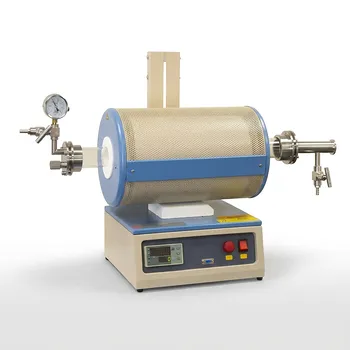
1100C Tube Furnace with Vacuum Flange and Programmable Temperature Controller for Material Science and Industrial Heat Treatment
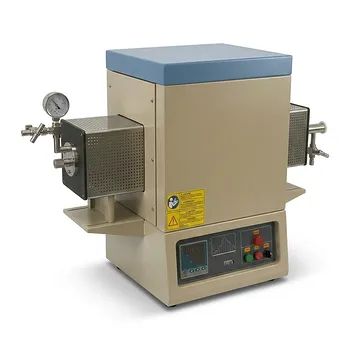
High Temperature 1700C Benchtop Tube Furnace with 5 Inch Heating Zone High Purity Alumina Tube and Vacuum Sealing Flanges
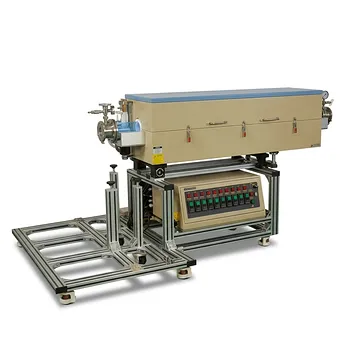
Ten Zone Multi Orientation Laboratory Tube Furnace for 1200C High Temperature Gradient Thermal Processing
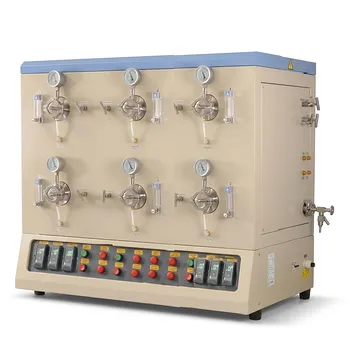
1200C High Throughput Multi Channel Tube Furnace with 50mm Quartz Tubes for Annealing and Material Phase Diagram Research

High Temperature Automated 5 Inch Tube Furnace for Autonomous Material Research and Advanced Laboratory R&D
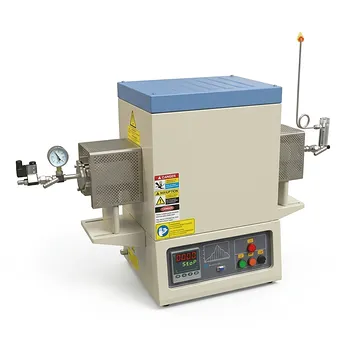
1700C Hydrogen Gas Tube Furnace with 60mm Alumina Process Tube and Integrated Hydrogen Safety Detector