Why is precise temperature gradient control essential in high-temperature pyrolysis? Optimize Yield and Longevity
Updated 3 months ago
Precise temperature gradient control is the primary determinant of product selectivity and reactor longevity in propane and butane pyrolysis. In these strongly endothermic reactions, maintaining a strict window between 780°C and 820°C is essential to maximize ethylene yield while preventing the formation of low-value byproducts and destructive carbon deposits.
Core Takeaway: Effective thermal management in pyrolysis balances the high energy requirements of endothermic cracking against the narrow kinetic window of target chemical species. Failure to maintain this precise gradient results in inefficient conversion, rapid equipment degradation, or the "over-cracking" of valuable hydrocarbons into light gases.
The Chemical Imperative: Selectivity and Yield
Optimizing Ethylene Production
Propane and butane pyrolysis is highly sensitive to even minor thermal fluctuations. Within the 780°C to 820°C range, the reaction kinetics favor the formation of ethylene, the most valuable output.
Avoiding Over-Cracking
If temperatures exceed the ideal threshold, the reaction progresses into "over-cracking." This process breaks down target olefins into low-value light gases like methane and hydrogen, significantly reducing the economic viability of the process.
Minimizing Heavy Byproducts
Conversely, if the temperature drops below the optimal gradient, conversion rates plummet. This leads to an increase in heavier hydrocarbons and liquid byproducts that complicate downstream separation and reduce overall efficiency.
Physical and Structural Management
Preventing Severe Coking
Precise control is the first line of defense against coking, the accumulation of solid carbon on reactor walls. Fluctuations or "hot spots" accelerate the formation of coke, which insulates the reactor, forces higher energy consumption, and eventually necessitates a full system shutdown for cleaning.
Managing Endothermic Heat Demand
Because these reactions are strongly endothermic, they consume massive amounts of heat rapidly. Multi-zone heating furnaces are required to provide a precise thermal gradient that compensates for the heat absorbed by the cracking molecules as they move through the reactor.
Maintaining Structural Integrity
Rapid or uneven heating can cause structural collapse or stress in the reactor materials. Utilizing controlled heating rates ensures that the microscopic structure of the reaction environment—and any catalysts involved—remains stable, preventing the sintering or deactivation of active surfaces.
Understanding the Trade-offs
Yield vs. Maintenance Frequency
Operating at the higher end of the temperature range increases ethylene yield but exponentially accelerates coke formation. Operators must balance the immediate gain in product value against the long-term cost of frequent maintenance and decoking cycles.
Heating Rate vs. Throughput
While rapid heating increases throughput, it introduces the risk of thermal gradients that are too steep to control. A slower, more precise heating rate (such as 2°C to 15°C per minute) is often necessary to ensure uniform decomposition and prevent the formation of silicate coatings or other mineral obstructions.
Energy Input vs. Catalyst Stability
High-temperature environments (up to 1000°C) are often required for specific transformations, such as the vaporization of templates or anchoring of atoms. However, excessive heat can lead to the agglomeration of nanoparticles, reducing the effective surface area and catalytic activity of the system.
How to Apply This to Your Process
Recommendations for Implementation
- If your primary focus is maximizing ethylene selectivity: Use multi-zone furnaces to lock the reaction environment strictly between 780°C and 820°C.
- If your primary focus is extending reactor lifespan: Prioritize precise heating rates and gradient stability to minimize coking and thermal stress on the alumina or metal matrix.
- If your primary focus is kinetic research: Implement programmed temperature control with multiple linear slopes (e.g., 5, 10, 15 °C/min) to accurately calculate activation energies and identify critical phase transitions.
Mastering the thermal gradient transforms pyrolysis from a volatile, high-maintenance reaction into a precise, high-yield industrial asset.
Summary Table:
| Parameter | Optimal Range/Condition | Critical Impact on Pyrolysis |
|---|---|---|
| Target Temperature | 780°C – 820°C | Maximizes ethylene selectivity and yield |
| Heating Rate | 2°C – 15°C / minute | Ensures uniform decomposition; prevents blockages |
| Coking Risk | High at > 820°C | Causes insulation, energy loss, and system shutdowns |
| Over-cracking | Excessive Heat | Converts olefins into low-value methane/hydrogen |
| Equipment Need | Multi-zone Control | Compensates for intense endothermic heat demand |
Maximize Your Pyrolysis Yield with THERMUNITS Precision
At THERMUNITS, we specialize in the thermal stability required for complex R&D and industrial processes. As a leading manufacturer of high-temperature laboratory equipment, we offer advanced Tube Furnaces, CVD/PECVD systems, and Multi-zone Atmosphere Furnaces specifically engineered to maintain the strict 780°C–820°C windows essential for hydrocarbon cracking.
Whether you are scaling up ethylene production or conducting kinetic research, our solutions—ranging from Vacuum and Rotary kilns to Hot Press and Dental furnaces—ensure uniform heat distribution and precise gradient management to prevent coking and equipment degradation.
Ready to optimize your material science workflows? Contact our engineering team today for a tailored heat treatment solution that drives results.
References
- Sanjar H. Saidqulov. STUDY OF THE KINETICS OF THE PROPANE-BUTANE FRACTION PYROLYSIS PROCESS. DOI: 10.37547/tajet/volume06issue12-21
Mentioned Products
- Gas Pre-Heating Tube Furnace for High Temperature Pyrolysis Reactors and Material Science Research
- 1500C Three Zone Vertical Pyrolysis Furnace for Nanoparticle Synthesis and Advanced Oxide Coating
- 1200C Three Zone Vertical Fixed Fluidized Bed Furnace for Methane Reforming and Fischer Tropsch Reactions
- Multi Position Tube Furnace 1100C for Laboratory Material Research and Advanced Industrial Thermal Processing
- Electric Rotary Kiln Small Rotary Furnace Biomass Pyrolysis Plant
People Also Ask
- What is the function of a preheated high-temperature tube furnace in the rapid pyrolysis synthesis of carbon nitride films?
- What is the role of a high-temperature tube furnace in coal powder pyrolysis benchmarking? Achieve Precise Baselines.
- Why is high-precision temperature control essential in a pyrolysis furnace? Master Pd NPs/NO-C Catalyst Synthesis
- How does a high-temperature tube furnace facilitate the pyrolysis of PR-ZS hybrid aerogels into carbon aerogels?
- How is a laboratory tube heating furnace applied during the evaluation of denitration catalysts? Essential Guide

Tech Team · ThermUnits
Last updated on Jun 03, 2026
Related Products
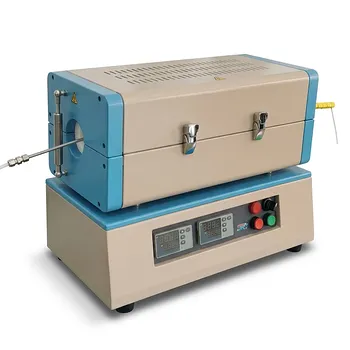
Gas Pre-Heating Tube Furnace for High Temperature Pyrolysis Reactors and Material Science Research
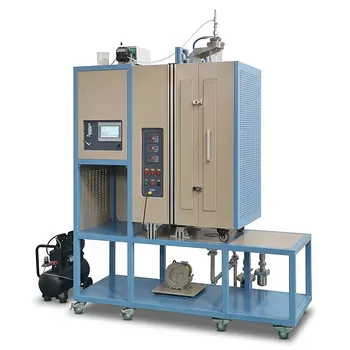
1500C Three Zone Vertical Pyrolysis Furnace for Nanoparticle Synthesis and Advanced Oxide Coating
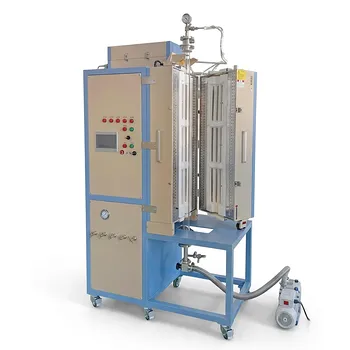
1200C Three Zone Vertical Fixed Fluidized Bed Furnace for Methane Reforming and Fischer Tropsch Reactions
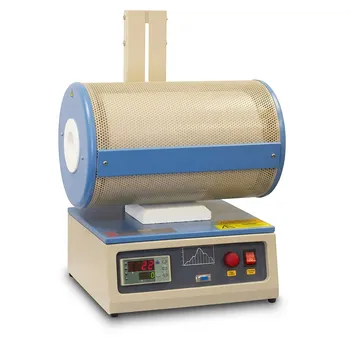
Multi Position Tube Furnace 1100C for Laboratory Material Research and Advanced Industrial Thermal Processing
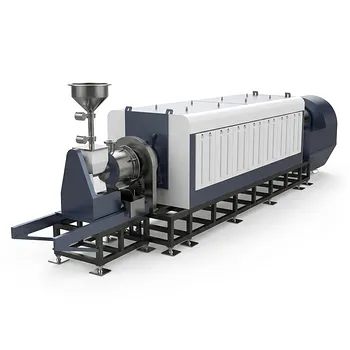
Electric Rotary Kiln Small Rotary Furnace Biomass Pyrolysis Plant

High Temperature 1700C Vertical Tube Furnace for Powder Spherification and Material Sintering
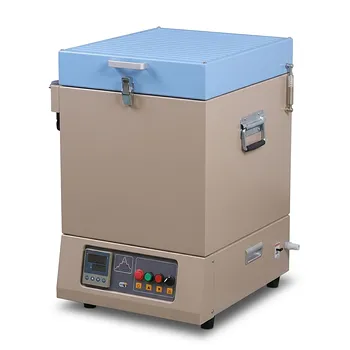
High Temperature Vertical Crucible Furnace with 22L Heating Chamber and 1200C Maximum Temperature
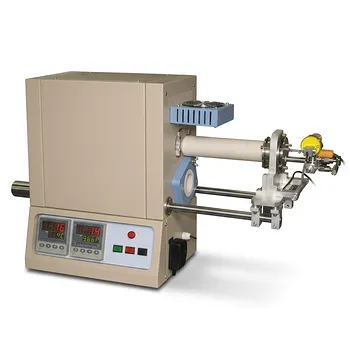
High Temperature Tube Furnace 1500C with Sliding Flanges and 50mm OD for Rapid Thermal Processing Fast Heating and Cooling
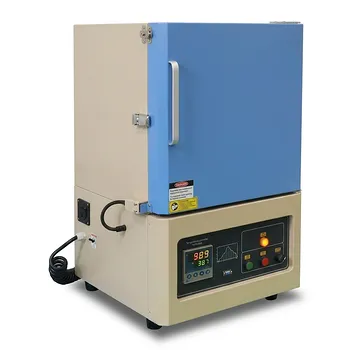
1200°C High Temperature Muffle Furnace 19L Chamber with 50 Segment Programmable Controller
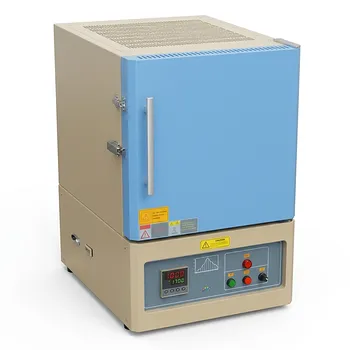
Large Bench Top 1700C High Temperature Muffle Furnace with 19L Chamber for Advanced Material Sintering and Annealing
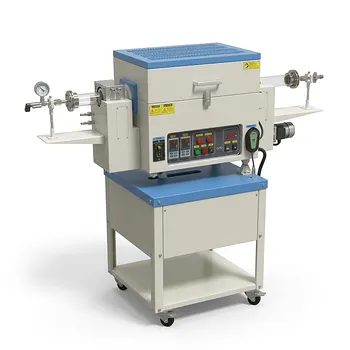
4 Inch Two Zone Rotary CVD Tube Furnace for High Temperature Battery Material Synthesis and Advanced Material Calcination
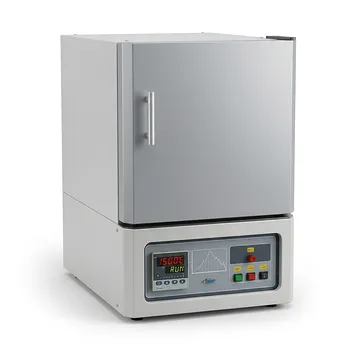
High Temperature 1500C Benchtop Muffle Furnace 3.6L Alumina Fiber Chamber Programmable Controller Sintering Annealing Carbonization Thermal Processing System
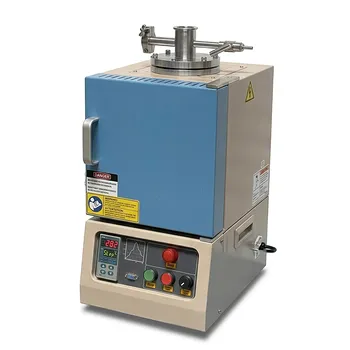
High Temperature Hybrid Muffle and Tube Furnace with Vacuum Capability and PID Control
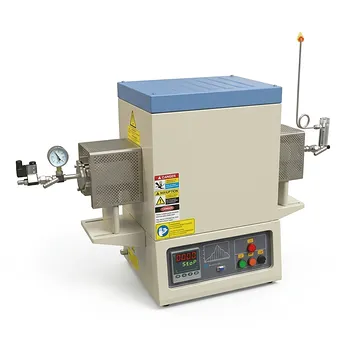
1700C Hydrogen Gas Tube Furnace with 60mm Alumina Process Tube and Integrated Hydrogen Safety Detector
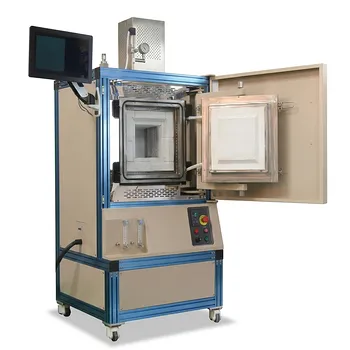
High Temperature Hydrogen Atmosphere Box Furnace 1650C Max Reducing Environment Material Synthesis System 8x8x8 Chamber
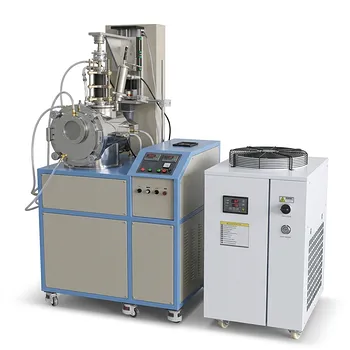
High Temperature Ultrafast Heating Pressing Furnace 2900C Max 100kgf Rapid Thermal Processing System

High Temperature 1700C Tube Furnace with High Vacuum Turbomolecular Pump System and Multi Channel Mass Flow Controller Gas Mixer
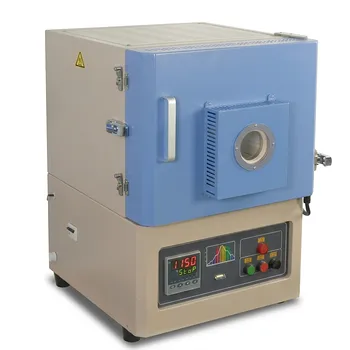
High Temperature Benchtop Muffle Furnace with Quartz Observation Window for Thermal Imaging and Material Analysis
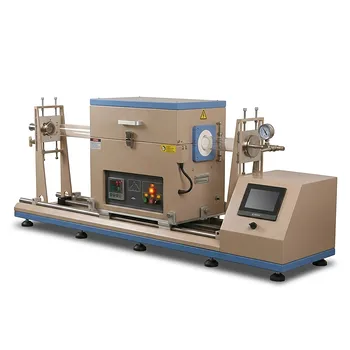
1200C Sliding Tube Furnace for Rapid Thermal Processing and CVD Graphene Growth with 100mm OD Capacity