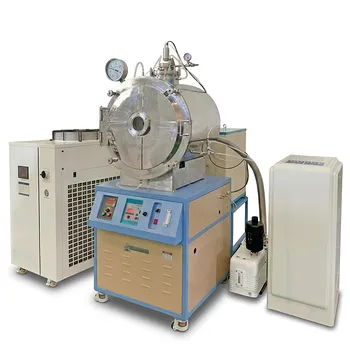
Why is vacuum heating equipment required for drying Na3V2(PO4)3/C (NVP/C) precursor gels? Ensure Battery Material Integrity.
Updated 3 months ago
Vacuum drying is essential for Na3V2(PO4)3/C (NVP/C) synthesis because it facilitates the removal of moisture at significantly lower temperatures by reducing the boiling point of water. This specialized approach prevents the precursor gel from undergoing severe physical shrinkage and maintains the precise chemical stoichiometry required for high-performance battery materials. By operating in a reduced-pressure environment, the process protects the sensitive structure of the gel from the damaging effects of conventional high-heat dehydration.
Vacuum heating equipment preserves the structural and chemical integrity of NVP/C precursor gels by enabling rapid evaporation without the thermal stress of atmospheric drying. This ensures a porous, chemically uniform powder that is critical for successful subsequent calcination and electrochemical performance.
The Mechanics of Reduced-Pressure Dehydration
Accelerating Evaporation at Low Temperatures
Vacuum equipment creates a low-pressure environment that fundamentally changes the thermodynamics of moisture removal. By lowering the boiling point of water and residual solvents, the equipment allows for deep drying to occur between 60°C and 120°C.
Preventing Structural Shrinkage
Conventional drying often subjects gels to intense capillary forces as water evaporates, leading to severe shrinkage and densification. Vacuum drying mitigates these forces, allowing the precursor to retain its intended volume and shape during the transition from a wet gel to a dry solid.
Maintaining Porous Morphology
The gentle removal of moisture is vital for preserving the internal microporous structure of the precursor. A porous morphology ensures that the final powder has a high surface area, which is necessary for efficient ion transport in the finished battery material.
Protecting Chemical Integrity and Stoichiometry
Avoiding Oxidative Degradation
Exposure to oxygen at elevated temperatures during conventional drying can lead to the unintended oxidation of metal ions. A vacuum environment effectively eliminates this risk, ensuring the vanadium and carbon components remain in their desired chemical states.
Ensuring Uniform Component Distribution
Rapid, low-temperature drying prevents "component segregation," where different chemical elements might separate or settle unevenly as the solvent evaporates. This results in a precursor powder with high chemical uniformity, ensuring that every part of the material has the correct stoichiometric ratio.
Preventing Stoichiometric Imbalances
Complete removal of residual solvents like water or NMP is necessary to reach a "constant weight" before high-temperature treatment. If moisture remains, it can cause material "splashing" or chemical imbalances during subsequent calcination, leading to poor crystal formation.
Understanding the Trade-offs
Equipment and Operational Costs
The primary disadvantage of vacuum heating is the higher capital expenditure compared to standard convection ovens. Vacuum systems require specialized seals, robust chambers, and maintenance-intensive pumps to maintain the necessary pressure levels.
Batch Processing Limitations
Vacuum drying is typically a batch process rather than a continuous one, which can limit throughput in large-scale manufacturing. The need to seal the chamber and reach the target vacuum level adds "dead time" to the production cycle that conventional atmospheric ovens do not face.
Potential for Volatile Loss
While vacuum drying is excellent for removing water, it can sometimes remove intended volatile organic additives if the pressure and temperature are not precisely controlled. This requires a careful balance to ensure only the unwanted solvents are evaporated.
How to Apply This to Your Project
Recommendations Based on Production Goals
The choice of drying equipment should align with your specific material requirements and the scale of your synthesis.
- If your primary focus is crystal purity: Use vacuum drying to prevent the oxidation of metal ions, as even trace amounts of oxygen at high heat can degrade the NVP/C structure.
- If your primary focus is high-rate performance: Prioritize vacuum drying to preserve the porous morphology of the gel, which is essential for rapid sodium-ion diffusion.
- If your primary focus is stoichiometric precision: Utilize a vacuum oven to reach a constant weight at lower temperatures, ensuring no residual solvents interfere with the final high-temperature calcination.
By carefully controlling the dehydration environment through vacuum technology, you ensure that the NVP/C precursor maintains the structural and chemical characteristics necessary for high-capacity energy storage.
Summary Table:
| Feature | Vacuum Drying (Recommended) | Conventional Drying |
|---|---|---|
| Temperature | Low (60°C - 120°C); preserves structure | High; may cause thermal stress |
| Morphology | Preserves porosity & surface area | Leads to shrinkage & densification |
| Oxidation Risk | Near zero; protects sensitive components | High; oxygen exposure at heat |
| Chemical Purity | Maintains precise stoichiometry | Potential for component segregation |
Elevate Your Material Research with THERMUNITS Precision Heating
To achieve the high-performance results required in battery material R&D, precise thermal control is non-negotiable. THERMUNITS is a leading manufacturer of high-temperature laboratory equipment, specializing in solutions that protect the chemical and structural integrity of your samples.
Our comprehensive range of thermal processing solutions includes:
- Vacuum & Atmosphere Furnaces for sensitive precursor drying.
- Tube & Rotary Furnaces for uniform material processing.
- CVD/PECVD Systems and Vacuum Induction Melting (VIM) for advanced material synthesis.
- Muffle, Hot Press, and Dental Furnaces tailored for material science and industrial R&D.
Whether you are synthesizing NVP/C or developing next-generation ceramics, our equipment ensures consistent stoichiometry and prevents oxidative degradation. Contact THERMUNITS today to find the perfect thermal solution for your laboratory’s needs.
References
- Madhav Sharma, R. S. Dhaka. Understanding the Electrochemical Performance and Diffusion Kinetics of HC||Na3V2(PO4)3/C Full Cell Battery for Energy Storage Applications. DOI: 10.56042/ijpap.v62i2.7371
Mentioned Products
- High Temperature Vacuum Lamination Hot Press Furnace Machine for Semiconductor Wafer Bonding and Advanced Composite Thermal Processing
- High Pressure 600T Vacuum Induction Hot Press Furnace for Advanced Material Heat Treatment and Sintering
- 2500C High Vacuum Ultrafast Heating Pellet Press with Automated 8 Sample Loading System
- Industrial High Temperature Vacuum Hot Press Furnace and Heated Vacuum Press Machine for Material Science Sintering
- Industrial Vacuum Hot Press Furnace Machine and High Temperature Heated Vacuum Press for Advanced Material Sintering
People Also Ask
- What types of heating systems and insulation are used in Vacuum Hot Press Furnaces? Optimize Your Thermal Processing
- What is a Vacuum Hot Press Furnace and what are its primary industrial applications? Achieve Maximum Material Density
- What are the structural features of the furnace body and chamber in a Vacuum Hot Press Furnace? Master Material Density
- Why is graphite the preferred material for dies and heating elements in Vacuum Hot Press Furnaces? High-Temp Solutions
- What are the primary operational components and mechanisms of a vacuum hot press furnace? A Technical Breakdown

Tech Team · ThermUnits
Last updated on Jun 03, 2026
Related Products
High Temperature Vacuum Lamination Hot Press Furnace Machine for Semiconductor Wafer Bonding and Advanced Composite Thermal Processing
High Pressure 600T Vacuum Induction Hot Press Furnace for Advanced Material Heat Treatment and Sintering
2500C High Vacuum Ultrafast Heating Pellet Press with Automated 8 Sample Loading System
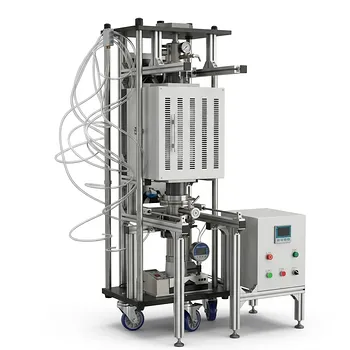
Industrial High Temperature Vacuum Hot Press Furnace and Heated Vacuum Press Machine for Material Science Sintering
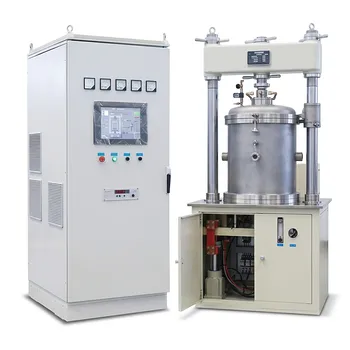
Industrial Vacuum Hot Press Furnace Machine and High Temperature Heated Vacuum Press for Advanced Material Sintering
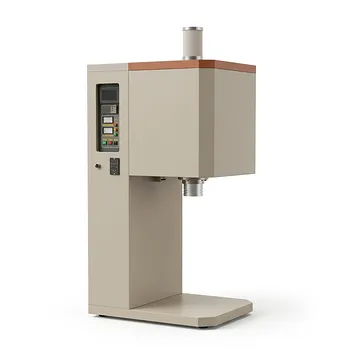
Vertical Openable Tube Furnace 0-1700c High Temperature Laboratory System for CVD and Vacuum Heat Treatment
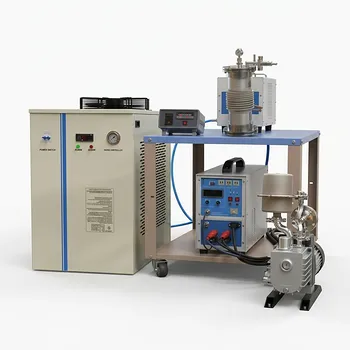
Induction Heating System with Temperature Control for High Temperature Vacuum Sintering and Melting
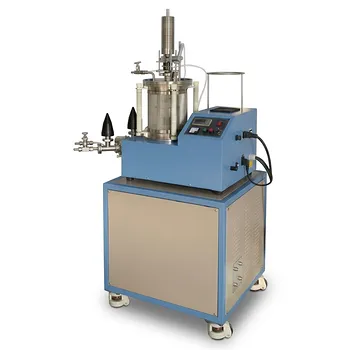
Ultrafast Thermal Pressing Furnace 2900C Max Temperature 200K per Second Heating Rate Vacuum Atmosphere Rapid Processing System
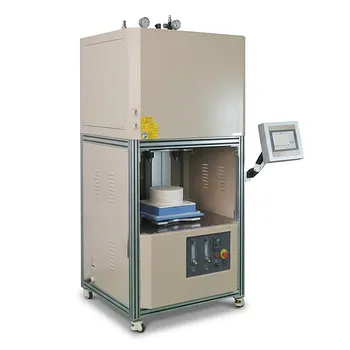
High Temperature Vertical Atmosphere Controlled Furnace 1700C Automatic Bottom Loading 13 Liter Vacuum Thermal System
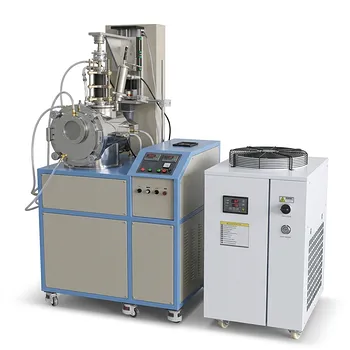
High Temperature Ultrafast Heating Pressing Furnace 2900C Max 100kgf Rapid Thermal Processing System
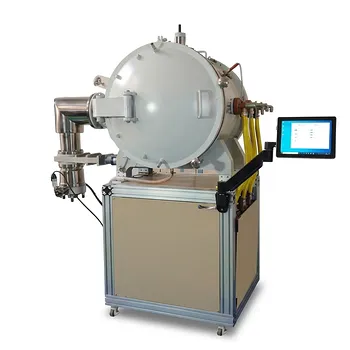
High Temperature Cold Wall Vacuum Furnace for Advanced Material Sintering and Annealing 1600C Heating Area 200x200x300mm