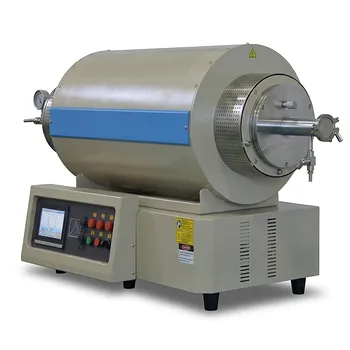
Why must a tube furnace have precise nitrogen atmosphere control during the carbonization of Clignin@H-TiO2? Max Yield
Updated 3 months ago
Precise nitrogen atmosphere control is the fundamental requirement for transforming lignin into a functional carbon framework without catastrophic oxidative loss. In a tube furnace, this control ensures that Clignin@H-TiO2 undergoes controlled pyrolysis rather than combustion, facilitating the essential carbon-doping of the titanium dioxide lattice to enhance visible light absorption and charge separation efficiency.
Nitrogen atmosphere control prevents the oxidative burnout of lignin and protects the material's structural architecture, enabling the precise chemical transformations required for effective carbon doping and high-yield photocatalyst production.
Preventing Oxidative Combustion and Material Loss
Displacing Oxygen at Elevated Temperatures
During the carbonization process, temperatures typically range from 400°C to 1000°C, levels at which lignin and carbon materials become highly reactive with oxygen. By continuously flowing high-purity nitrogen, the furnace displaces ambient air, creating an oxygen-deficient environment that prevents the lignin from undergoing total combustion.
Safeguarding Structural Integrity
The protective inert atmosphere is critical for preserving delicate morphologies, such as one-dimensional hollow tubes or two-dimensional nanosheets. Without precise control, thermal erosion from oxidation would destroy these nanostructures, rendering the final material ineffective for its intended application.
Ensuring Carbon Yield
Maintaining a strict nitrogen environment ensures that the biomass precursor is converted into a uniformly distributed carbon framework rather than being lost as CO2. This "carbon yield" is essential for establishing the density of active sites required for the material's performance.
Facilitating the Doping and Pyrolysis Mechanism
Enabling Controlled Pyrolysis
In the absence of oxygen, lignin undergoes controlled pyrolysis, a thermal decomposition process that rearranges atoms into a stable, conductive structure. This process allows for the graphitization of the carbon, which significantly enhances the electrical conductivity of the final composite.
Effective Carbon Doping of the TiO2 Lattice
The nitrogen atmosphere provides the stable environment necessary for in-situ carbon doping into the titanium dioxide lattice. This specific chemical integration is what allows the Clignin@H-TiO2 to absorb visible light more effectively, moving beyond the standard UV-only absorption of pure TiO2.
Optimization of Charge Separation
The resulting carbon framework acts as a conduit for electrons, improving charge separation efficiency. By controlling the atmosphere, researchers ensure the carbon is positioned correctly within the lattice to prevent electron-hole recombination, which is the primary bottleneck in photocatalytic reactions.
Maintaining a Stable Chemical Environment
Removal of Volatile Byproducts
As lignin carbonizes, it releases volatile products such as H2O, CO, CH4, and CO2. A precise nitrogen flow acts as a carrier gas, effectively sweeping these byproducts away from the material surface to prevent unwanted secondary reactions.
Establishing Chemical Potential Stability
Consistent gas flow maintains a stable chemical potential environment within the furnace tube. This stability is required for gas-phase exfoliation and nitrogen doping reactions to occur predictably, ensuring the final product has a consistent pore structure and defect density.
Understanding the Trade-offs and Constraints
Gas Flow Rate Sensitivity
Selecting the correct flow rate (e.g., 200 mL/min) involves a delicate balance. If the flow is too low, byproduct gases may linger and cause unintended surface modifications; if the flow is too high, it may cause thermal gradients or physical displacement of the fine powder sample.
Nitrogen Purity Requirements
The use of standard-grade nitrogen may introduce trace oxygen or moisture, leading to partial oxidation. For high-performance photocatalysts, high-purity nitrogen (99.999%) is often required to ensure that the "inert" environment does not inadvertently introduce active defects that degrade performance.
How to Apply This to Your Project
Optimizing Your Atmosphere Control Strategy
Depending on your specific research goals, your approach to atmosphere control should vary:
- If your primary focus is Maximum Carbon Yield: Maintain a higher nitrogen overpressure and a steady, moderate flow rate to ensure no oxygen ingress occurs during the cooling phase.
- If your primary focus is Precise Lattice Doping: Prioritize high-purity nitrogen (99.999%) and ensure the furnace tube is vacuum-purged at least three times before heating begins.
- If your primary focus is Pore Structure Development: Monitor the exit gas flow to ensure volatile pyrolysis byproducts are being removed efficiently without creating backpressure.
Mastering nitrogen atmosphere control transforms the tube furnace from a simple heater into a precision chemical reactor, ensuring the successful synthesis of advanced Clignin@H-TiO2 composites.
Summary Table:
| Process Function | Impact on Material | Key Benefit |
|---|---|---|
| Oxygen Displacement | Prevents oxidative burnout | Maximizes carbon yield |
| Controlled Pyrolysis | atomic rearrangement | Enhanced conductivity |
| Lattice Doping | Carbon integration | Visible light absorption |
| Volatile Removal | Sweeps away H2O, CO2, etc. | Consistent pore structure |
Elevate Your Material Research with THERMUNITS Precision Furnaces
As a leading manufacturer of high-temperature laboratory equipment for material science and industrial R&D, THERMUNITS provides the advanced Tube and Atmosphere Furnaces required for delicate processes like the carbonization of Clignin@H-TiO2.
Our comprehensive range of thermal processing solutions—including Muffle, Vacuum, Tube, Rotary, and Hot Press furnaces, CVD/PECVD systems, and Vacuum Induction Melting (VIM) furnaces—ensures the precise atmosphere control and temperature uniformity essential for high-yield heat treatment.
Contact our experts today to discuss your specific project needs and discover how our high-performance equipment can accelerate your innovations in material science.
References
- Wan Zhang, Susie Y. Dai. 3D structure-functional design of a biomass-derived photocatalyst for antimicrobial efficacy and chemical degradation under ambient conditions. DOI: 10.1039/d4gc01246a
Mentioned Products
- High Temperature 1700C Vertical Tube Furnace for Powder Spherification and Material Sintering
- 1200C Max Dual Sliding Tube Furnace with 50 mm Tube Flanges for CVD
- Multi Position Tube Furnace 1100C for Laboratory Material Research and Advanced Industrial Thermal Processing
- Automated 1200 C Tube Furnace for AI Material Research with 6 Inch OD and Sliding Flange
- 5 Inch Three Zone Rotary Tube Furnace with Integrated Gas Delivery System and 1200C Capability for Advanced Material CVD Processing
People Also Ask
- What role does a high-temperature vertical tube furnace play in simulating high-carbon ferromanganese slag formation?
- What functions does a vertical high-temperature tube furnace perform? Master Industrial Sintering & R&D Simulation
- What is the primary function of a high-temperature tube furnace in Cu1-N-C synthesis? Precision Thermal Control.
- High-Temp Tube Furnace Role in Converting Microbial Proteins to Iron Single-Atom Sites: Expert Synthesis Guide
- What impact does the heating rate of a tube furnace have on biochar microstructure? Optimize Your Material R&D.

Tech Team · ThermUnits
Last updated on Jun 02, 2026
Related Products

High Temperature 1700C Vertical Tube Furnace for Powder Spherification and Material Sintering
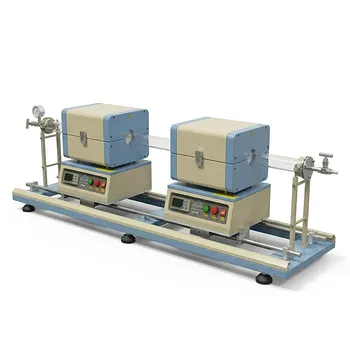
1200C Max Dual Sliding Tube Furnace with 50 mm Tube Flanges for CVD
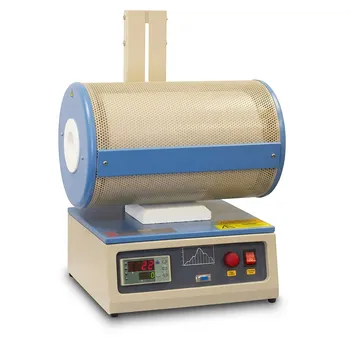
Multi Position Tube Furnace 1100C for Laboratory Material Research and Advanced Industrial Thermal Processing
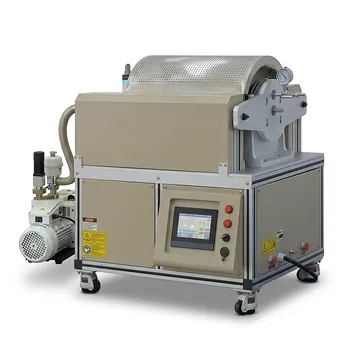
Automated 1200 C Tube Furnace for AI Material Research with 6 Inch OD and Sliding Flange
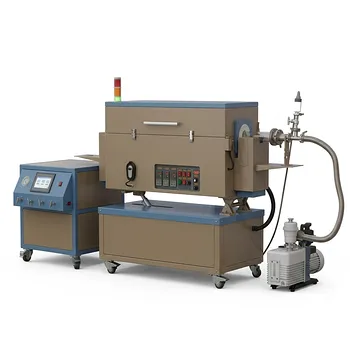
5 Inch Three Zone Rotary Tube Furnace with Integrated Gas Delivery System and 1200C Capability for Advanced Material CVD Processing

Compact High Temperature 1600C Tube Furnace with 50mm Alumina Tube and Vacuum Flanges for Material Sintering
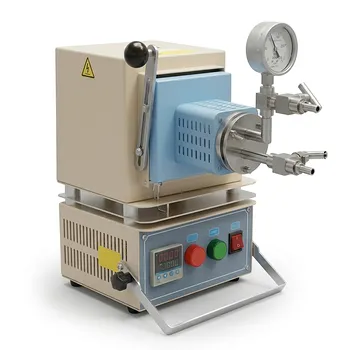
Compact Hybrid Muffle and Tube Furnace for 1000C Controlled Atmosphere Laboratory Material Sintering
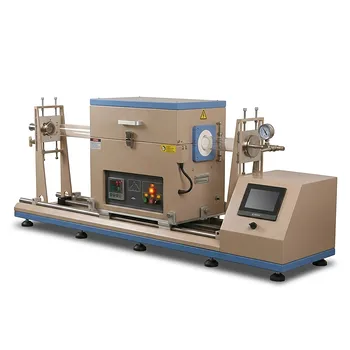
1200C Sliding Tube Furnace for Rapid Thermal Processing and CVD Graphene Growth with 100mm OD Capacity
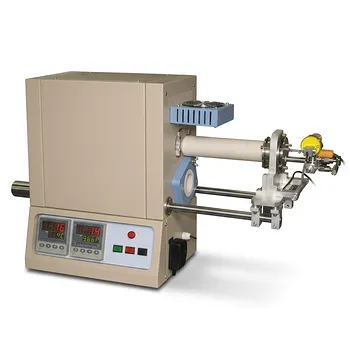
High Temperature Tube Furnace 1500C with Sliding Flanges and 50mm OD for Rapid Thermal Processing Fast Heating and Cooling

High Temperature Automated 5 Inch Tube Furnace for Autonomous Material Research and Advanced Laboratory R&D
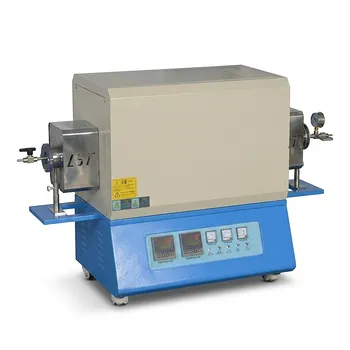
High Temperature Dual Zone Vacuum Tube Furnace for Material Research and CVD Processing
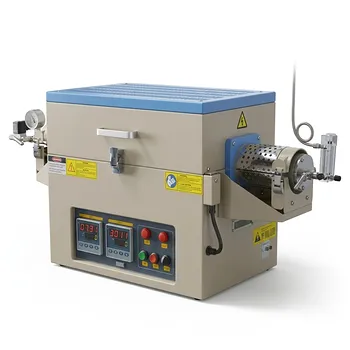
1100C Dual Zone Hydrogen Gas Tube Furnace with Quartz Tube and Integrated H2 Leak Detection System
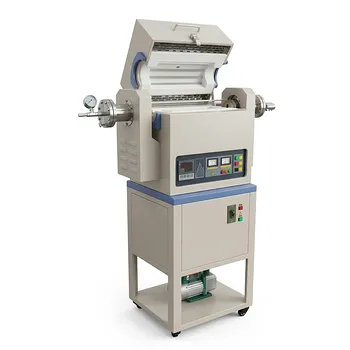
High Temperature Rotary Tilt Tubular Furnaces for Advanced Powder Sintering and Material Processing
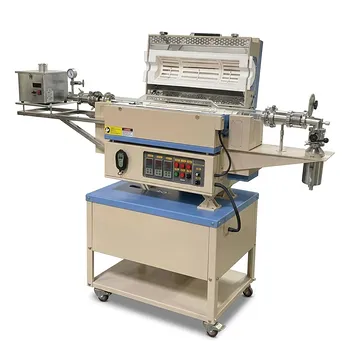
5 Inch Rotary Tube Furnace with Automatic Feeding and Receiving System 1200C Three Zone CVD Powder Processing
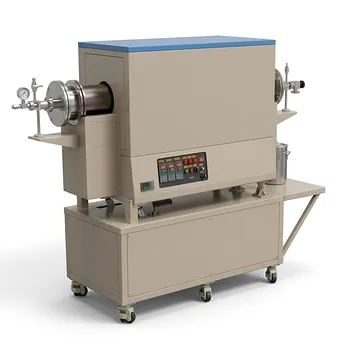
900°C Max Rotary Tube Furnace with 8 Inch 310S Alloy Tube and Optional Multi Zone Heating for Industrial Material Calcination
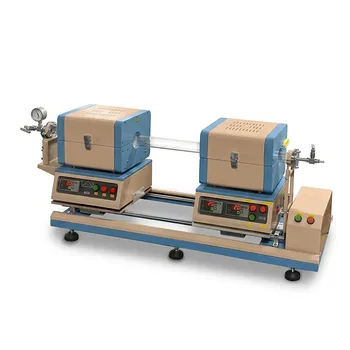
High Temperature 1200C Automatic Sliding Dual Zone Tube Furnace for 2D Transition Metal Dichalcogenides Growth and Material Sublimation Research
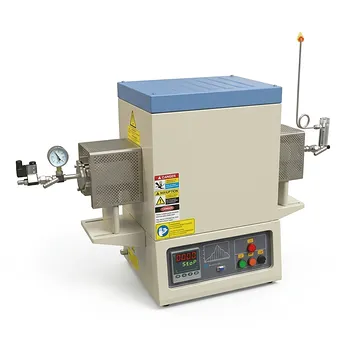
1700C Hydrogen Gas Tube Furnace with 60mm Alumina Process Tube and Integrated Hydrogen Safety Detector
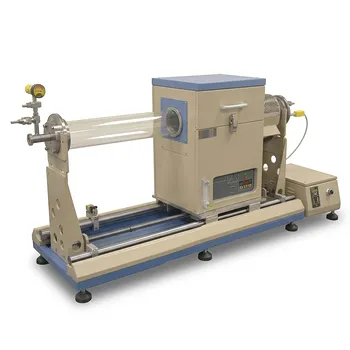
Rapid Thermal Processing Sliding Tube Furnace with 4 Inch OD Quartz Tube and 900C IR Heating
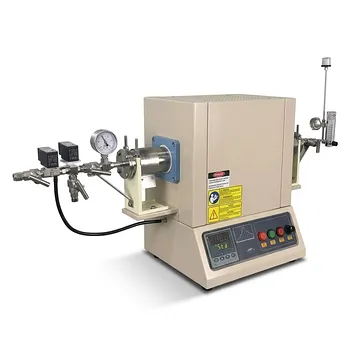
1500C Compact Hydrogen Gas Tube Furnace with 2 Inch Alumina Tube and Hydrogen Detector