Why must high-purity argon gas be used as a protective atmosphere during high-temperature reduction smelting experiments?
Updated 3 months ago
High-purity argon gas is the industry standard for reduction smelting because it creates a strictly inert environment that excludes atmospheric oxygen and nitrogen. At temperatures often exceeding 1350°C, this protective shield prevents the secondary oxidation of newly reduced metals and ensures that chemical reactions follow preset thermodynamic pathways rather than being compromised by environmental interference.
Core Takeaway: High-purity argon serves as a chemical "buffer" that isolates the smelting process from the atmosphere. By eliminating external oxygen, it ensures that the resulting metal recovery rates and material properties are a true reflection of the experimental parameters.
Prevention of Secondary Oxidation and Product Degradation
Safeguarding the Reduced Metal Phase
In reduction smelting, the goal is to extract pure metals or alloys from oxides. Without an argon shield, reduced metals like iron, cobalt, nickel, and vanadium would immediately react with atmospheric oxygen at high temperatures, reverting back into oxides.
Protecting High-Activity Elements
Elements such as aluminum, titanium, and chromium are highly susceptible to oxidative loss when molten. Argon prevents these high-activity components from burning off, which is critical for maintaining the chemical stoichiometry and configurational entropy of complex materials like High-Entropy Alloys (HEAs).
Preservation of Carbon-Based Carriers
Many modern smelting experiments utilize Graphite Oxide or Carbon Nanoboxes as structural supports or reducing agents. High-purity argon prevents these carbon carriers from being eroded or incinerated by oxygen, allowing them to participate correctly in the intended reaction.
Ensuring Precise Chemical Equilibrium and Data Accuracy
Isolating the Slag-Metal Interface
To understand the reaction mechanism between slag and metal, researchers must ensure that any oxidation is caused exclusively by the slag components. Argon flushes the chamber to remove "noise" from the air, providing a clear view of the chemical exchange occurring at the interface.
Controlling the Reduction Pathway
By establishing a pure reducing atmosphere, argon ensures that the reaction follows the intended thermodynamic equilibrium. This allows scientists to accurately assess how variables like reduction time and temperature specifically impact metal recovery rates without outside contamination.
Managing Product Gas and Partial Pressure
Argon often serves as a carrier gas, transporting generated product gases to analytical systems for real-time monitoring. It also acts as a diluent, allowing researchers to precisely control the partial pressure of reducing agents within the furnace.
Understanding the Trade-offs and Technical Pitfalls
The Criticality of Gas Purity
Standard argon is often insufficient for high-temperature smelting; high-purity (99.999%) argon is required because even trace amounts of moisture or oxygen can trigger the formation of unwanted phases. For example, trace oxygen can lead to the formation of a B2O3 glass phase in boron carbide experiments, which inhibits material densification.
Balancing Flow Rates and Cooling
While a high flow rate is necessary to purge residual oxygen during the heating phase, excessive flow during the reaction can cause localized cooling. This thermal gradient may disrupt the temperature uniformity required for a stable smelting environment.
Cost vs. Experimental Integrity
Argon is more expensive than nitrogen, which is also an inert gas. However, nitrogen can react with certain metals at high temperatures to form nitrides, making argon the only viable choice for maintaining a truly non-reactive environment across all metallic species.
How to Apply This to Your Project
To ensure the success of high-temperature reduction smelting, your atmospheric strategy should align with your specific research goals:
- If your primary focus is measuring metal recovery rates: Maintain a constant argon purge to prevent any secondary oxidation of the matte or alloy phase, ensuring your mass balance calculations remain accurate.
- If your primary focus is synthesizing reactive alloys (like HEAs): Use ultra-high-purity argon and verify the furnace seal integrity to prevent the oxidative loss of aluminum or chromium, which would shift the designed stoichiometry.
- If your primary focus is studying reaction kinetics: Utilize argon as a carrier gas at a stabilized flow rate to transport byproduct gases to a mass spectrometer for precise temporal analysis of the reaction.
Utilizing high-purity argon transforms the furnace from a simple heating element into a precision-controlled chemical reactor where the atmosphere is no longer a variable, but a constant.
Summary Table:
| Key Reason | Mechanism of Action | Experimental Benefit |
|---|---|---|
| Oxidation Prevention | Excludes atmospheric O2 and N2 | Prevents metals from reverting to oxides |
| Elemental Integrity | Safeguards Al, Ti, and Cr | Maintains precise chemical stoichiometry |
| Data Accuracy | Isolates slag-metal interface | Clearer view of chemical exchange kinetics |
| Atmospheric Purity | Removes moisture/trace oxygen | Eliminates formation of unwanted phases |
| Gas Management | Acts as a carrier/diluent gas | Real-time monitoring of reaction products |
Elevate Your Material Science Research with THERMUNITS
Precision in high-temperature reduction smelting requires more than just high-purity gas; it demands a perfectly controlled thermal environment. THERMUNITS is a leading manufacturer of high-performance laboratory equipment designed for material science and industrial R&D.
We offer a comprehensive range of thermal processing solutions, including Vacuum, Atmosphere, Tube, Rotary, and Muffle Furnaces, as well as CVD/PECVD systems, Vacuum Induction Melting (VIM) furnaces, and Electric Rotary Kilns. Our equipment is engineered to provide the atmospheric stability and temperature uniformity necessary to prevent secondary oxidation and ensure the integrity of your experimental data.
Don't let atmospheric interference compromise your results. Contact our experts today to find the ideal furnace solution for your high-temperature heat treatment needs!
References
- Lassi Klemettinen, Ari Jokilaakso. Roasting-Water Leaching-Slag Cleaning Process for Recovery of Valuable Metals from Li-ion Battery Scrap. DOI: 10.1007/s40831-024-00988-y
Mentioned Products
- High Temperature Induction Melting System with Integrated Ultra High Purity Glove Box for Metallic Alloy Processing
- Automatic 10 Crucible Induction Melting and Casting System with Stirring Function and Glovebox Integration 2000C
- Induction Heating System with Temperature Control for High Temperature Vacuum Sintering and Melting
- High Throughput Induction Melting and Casting Furnace for Superalloy Research 1700C Atmosphere Controlled Multi Sample System
- High Temperature Mini Induction Heating Furnace 1600C Laboratory Material Melting System
People Also Ask
- What are the key structural components that make up a Vacuum Induction Melting (VIM) furnace system? Full Guide
- How does the skin effect influence VIM frequency selection? Optimize Heat Penetration & Stirring Efficiency
- What technical advantages does Vacuum Induction Melting offer regarding alloy homogeneity and purity? Enhance Performance
- Why is a VIM furnace utilized for high-performance metals? Achieve Superior Material Purity and Integrity
- Explain the physical principle behind heat generation in a Vacuum Induction Melting (VIM) furnace: A Technical Guide

Tech Team · ThermUnits
Last updated on Jun 02, 2026
Related Products
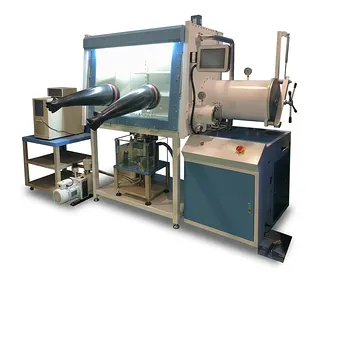
High Temperature Induction Melting System with Integrated Ultra High Purity Glove Box for Metallic Alloy Processing
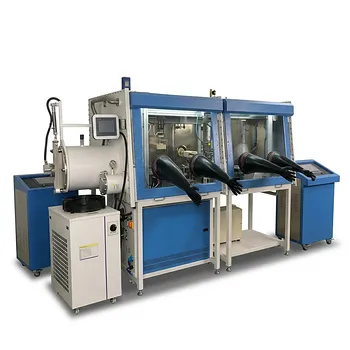
Automatic 10 Crucible Induction Melting and Casting System with Stirring Function and Glovebox Integration 2000C
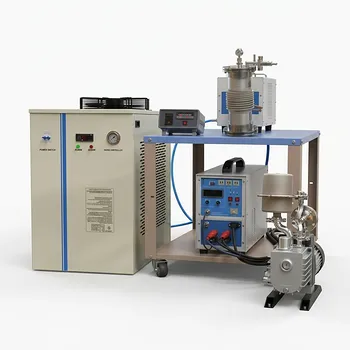
Induction Heating System with Temperature Control for High Temperature Vacuum Sintering and Melting
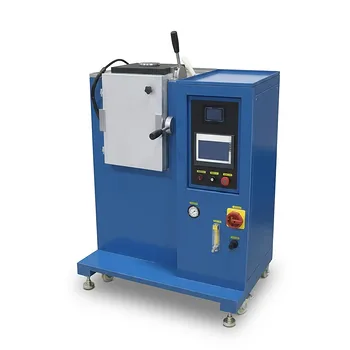
High Throughput Induction Melting and Casting Furnace for Superalloy Research 1700C Atmosphere Controlled Multi Sample System
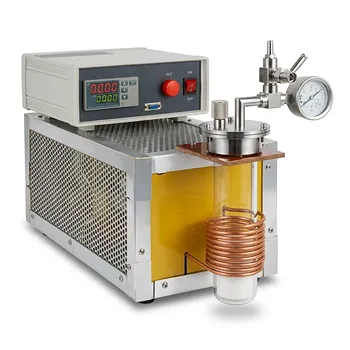
High Temperature Mini Induction Heating Furnace 1600C Laboratory Material Melting System
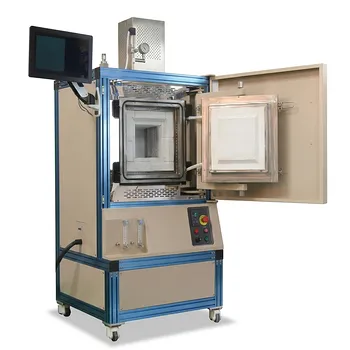
High Temperature Hydrogen Atmosphere Box Furnace 1650C Max Reducing Environment Material Synthesis System 8x8x8 Chamber
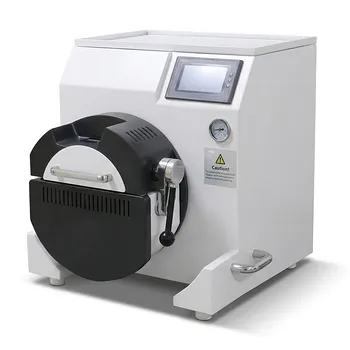
Desktop Induction Melting Furnace with Automatic Rotary Casting Function up to 1700C for Advanced Metal Alloy Research
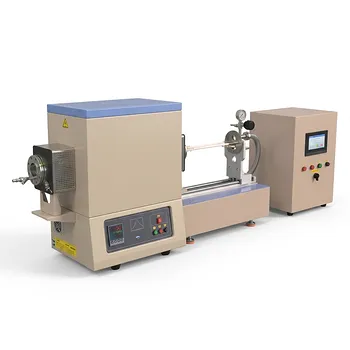
High Temperature Horizontal Electrical Assisted Sintering Furnace with 3KW Programmable Power Source for Advanced Ceramic Materials
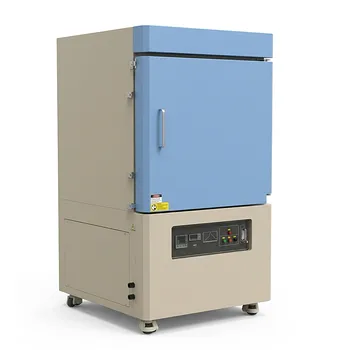
Industrial Large Box Furnace 1700C 216L High Temp Muffle Sintering System
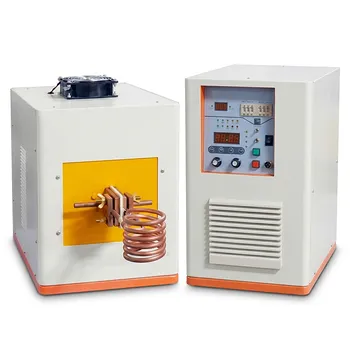
30KW High Frequency Induction Heater for Metal Melting and Industrial Heat Treatment 80-200kHz
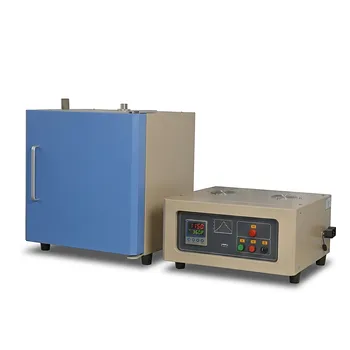
High Temperature Muffle Furnace with Alloy Chamber for Debinding and Sintering Applications
Ultra High Temperature Bench Top Muffle Furnace 1750C Sintering System with Kanthal Super Heating Elements and Precision Digital Control
1200C Five Side Heating Muffle Furnace with Sliding Door 125L Volume High Temperature Heat Treatment System for Large Scale Sintering and Annealing
High Temperature Bottom Loading Vertical Furnace 1700C Dual Stage Sample Processing System 18L Large Capacity Thermal Treatment Equipment
High Temperature 1500C Benchtop Muffle Furnace 3.6L Alumina Fiber Chamber Programmable Controller Sintering Annealing Carbonization Thermal Processing System
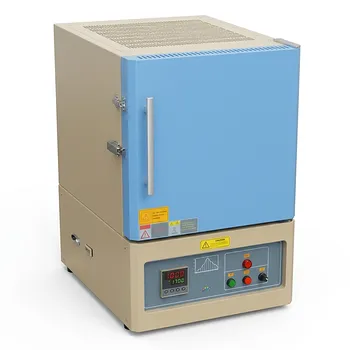
Large Bench Top 1700C High Temperature Muffle Furnace with 19L Chamber for Advanced Material Sintering and Annealing
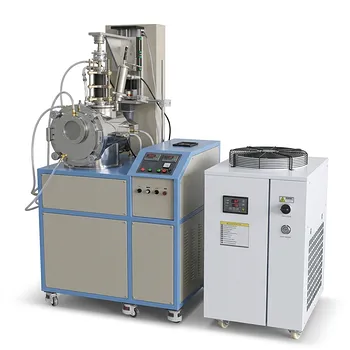
High Temperature Ultrafast Heating Pressing Furnace 2900C Max 100kgf Rapid Thermal Processing System
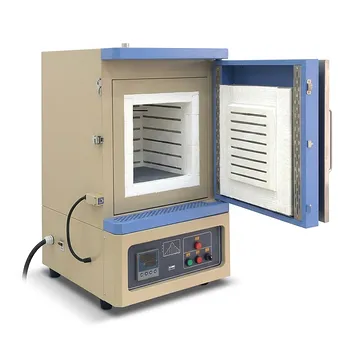
Five Side Heating Muffle Furnace High Purity Alumina Fiber 27L Chamber 1200C High Temperature Thermal Processing System for Sintering Annealing and Materials Research
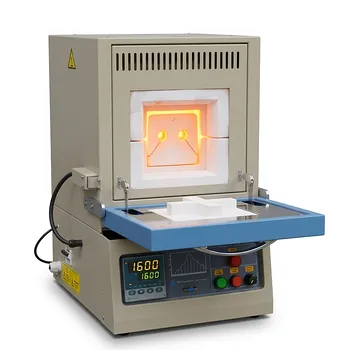
High Temperature Compact Muffle Furnace 1700 C with 30 Segment Programmable Controller and 1.7L Cubic Chamber