The Architecture of Absence: Why Atmosphere Control Defines the Fate of Mesoporous Carbon
May 09, 2026
In the world of material science, we often obsess over the "additives"—the catalysts, the precursors, and the heat. But in the synthesis of Boron-doped Ordered Mesoporous Carbons (B-OMCs), success is defined by what you remove.
At 850°C, a carbon framework is a fragile masterpiece. Without a perfectly managed atmosphere, that masterpiece doesn't just degrade; it vanishes.
The Paradox of the Furnace
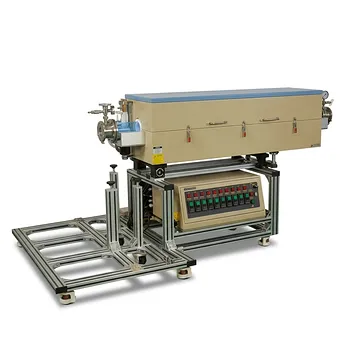
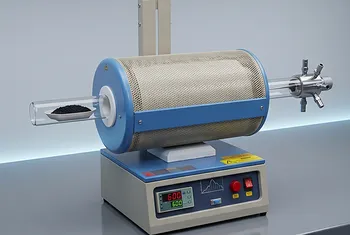
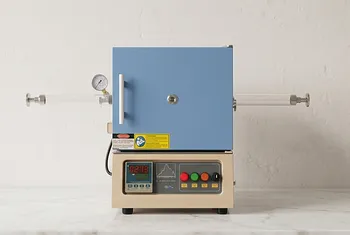
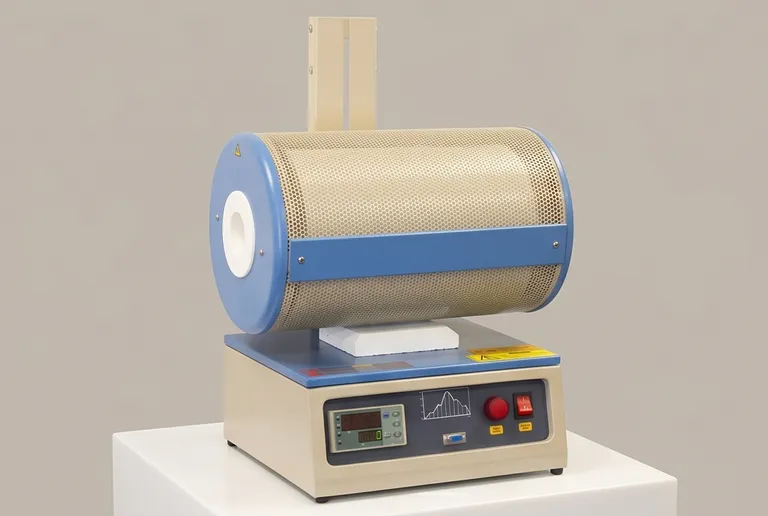
A high-temperature tube furnace is often viewed as a simple tool for delivering heat. This is a mistake. In advanced R&D, the furnace is a precision chemical reactor where the atmosphere acts as the primary architect.
When synthesizing B-OMCs, the atmosphere serves two masters:
- The Shield: Protecting the carbon lattice from oxidative death.
- The Facilitator: Providing the non-reactive stage required for boron atoms to embed themselves into the carbon lattice.
The Cost of a Single Oxygen Molecule
At 800°C and above, carbon possesses an almost violent affinity for oxygen. In an ambient environment, the organic precursors intended to become B-OMCs would simply undergo aerobic combustion.
Instead of a structured, functional material, you are left with ash.
Atmosphere control—specifically the continuous displacement of air with high-purity argon or nitrogen—is the only thing preventing this total systemic failure. It is the "safety protocol" that allows pyrolysis to happen instead of a fire.
Preserving the "Ordered" in Mesoporous
The value of B-OMCs lies in their architecture—the delicate, high-surface-area pores that provide sites for electrochemical reactions. These pores are vulnerable.
- Chemical Etching: Even trace amounts of oxygen can cause "pitting" at the atomic level.
- Structural Collapse: Uneven oxidation leads to a loss of pore volume, turning a high-performance material into a low-value bulk carbon.
By maintaining a strict inert environment, the furnace ensures that the thermal energy goes toward carbonization rather than structural destruction.
The Chemistry of Doping: Why Argon Matters
Boron doping is not a passive process. It is a thermal migration where boron atoms must find and bond to the carbon framework.
If oxygen is present, boron will prioritize reacting with it to form bulk boron oxides. These oxides are impurities; they block the mesopores and degrade the material's electronic properties.
A controlled atmosphere ensures that the boron sources, like boric acid, decompose and migrate into the lattice as intended. It creates a "chemical vacuum" where only the desired carbon-boron bond is likely to form.
The Engineering Logic of Flow Rates
In engineering, every solution introduces a new set of variables. Managing the atmosphere isn't just about turning on a gas cylinder; it’s about balancing the "Goldilocks" flow rate.
| Variable | If Too High | If Too Low |
|---|---|---|
| Gas Flow Rate | Creates thermal gradients and uneven carbonization. | Fails to remove corrosive VOCs or oxygen leaks. |
| Gas Purity | Increases operational cost (99.999% Ar). | Risks "pitting" and formation of coarse oxides. |
| Pressure | Can stress the quartz tube integrity. | Allows back-diffusion of atmospheric oxygen. |
The "Engineer’s Insurance" Policy
Choosing ultra-high-purity argon (99.999%) is often seen as a cost center. In reality, it is a risk management strategy.
In the same way a surgeon ensures a sterile field to prevent infection, a materials scientist ensures an inert field to prevent oxidation. The "purity" of the gas is the insurance policy that protects the hours of labor spent preparing the polymer precursors.
Precision Thermal Solutions for Advanced R&D
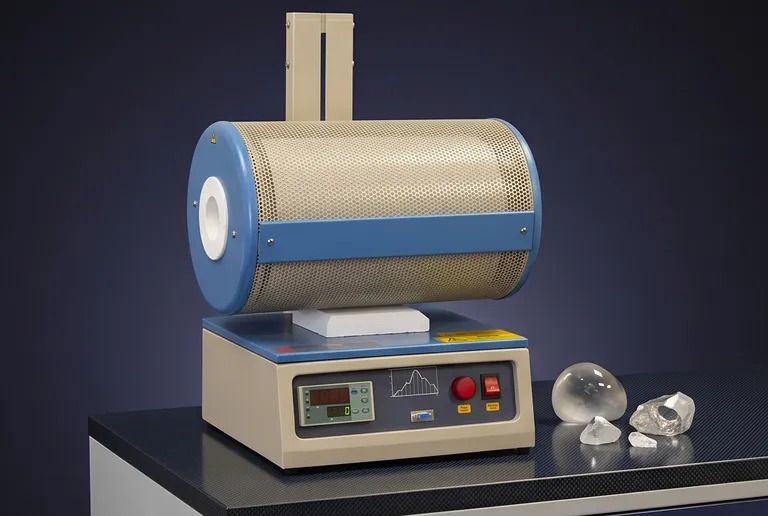
At THERMUNITS, we design our systems with the understanding that heat is only half the battle. Our equipment is engineered to provide the "Architecture of Absence" required for the world's most sensitive materials.
- Atmosphere Mastery: Our Tube and Atmosphere furnaces feature high-integrity seals and precision flow control to ensure oxygen-free environments.
- Versatile Platforms: From CVD/PECVD systems for atomic layer control to Vacuum Induction Melting (VIM) for high-purity alloys.
- Specialized Processing: We provide Rotary Kilns, Hot Press Furnaces, and Dental Furnaces tailored for specific industrial and laboratory benchmarks.
Whether you are regulating the aromatization degree of a carbon framework or embedding functional groups at 850°C, our thermal processing solutions provide the stability your research demands.
Quick Links
Suggested Products
High Temperature Tube Furnace 1500C with Sliding Flanges and 50mm OD for Rapid Thermal Processing Fast Heating and Cooling High Temperature 1700C Tube Furnace with High Vacuum Turbomolecular Pump System and Multi Channel Mass Flow Controller Gas Mixer High Temperature 1700C Benchtop Tube Furnace with 5 Inch Heating Zone High Purity Alumina Tube and Vacuum Sealing Flanges 1750°C High Temperature Benchtop Vacuum Atmosphere Tube Furnace with Kanthal Super 1800 Heating Elements and 60mm Alumina Processing Tube Compact High Temperature 1600C Tube Furnace with 50mm Alumina Tube and Vacuum Flanges for Material SinteringFurther Reading
The Geometry of Heat: Engineering Magnetic Biochar Through Controlled Pyrolysis The Architecture of Isolation: Why Atmosphere Defines Material Destiny The Invisible Architect: Precision Thermal Oxidation in NiO@Ni Synthesis The Geometry of Heat: Forging the Structural DNA of Dicalcium Ferrite The Architecture of Heat: Why Verticality Defines Modern Metallurgical Simulation
ThermUnits
Last updated on Apr 14, 2026
Related Products

High Temperature Tube Furnace 1500C with Sliding Flanges and 50mm OD for Rapid Thermal Processing Fast Heating and Cooling

High Temperature 1700C Tube Furnace with High Vacuum Turbomolecular Pump System and Multi Channel Mass Flow Controller Gas Mixer

High Temperature 1700C Benchtop Tube Furnace with 5 Inch Heating Zone High Purity Alumina Tube and Vacuum Sealing Flanges

1750°C High Temperature Benchtop Vacuum Atmosphere Tube Furnace with Kanthal Super 1800 Heating Elements and 60mm Alumina Processing Tube

Compact High Temperature 1600C Tube Furnace with 50mm Alumina Tube and Vacuum Flanges for Material Sintering
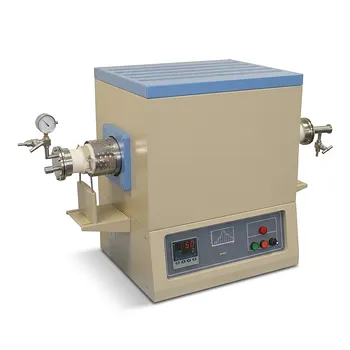
1700C High Temperature Alumina Tube Furnace with 18 Inch Heated Zone and Vacuum Sealing Flanges

1800C High Temperature Compact Vacuum Tube Furnace with 60mm OD Alumina Tube and Kanthal MoSi2 Heating Elements
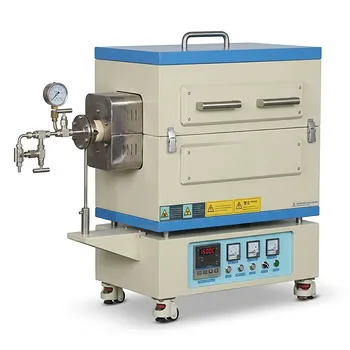
High Temperature Split Tube Furnace 1500C for Material Research Vacuum and Atmosphere Thermal Processing

High Temperature 1700C Vertical Tube Furnace for Powder Spherification and Material Sintering
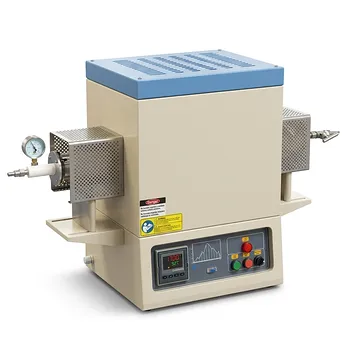
High Temperature Three Zone Tube Furnace 1700C with Alumina Tube and Water Cooled Flanges

High Temperature 1700C Six Zone Split Tube Furnace with Alumina Tube and Water Cooled Flanges
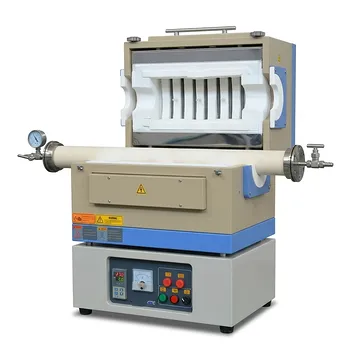
High Temperature 1600C Split Tube Furnace Vacuum Flanges Valves Optional 60mm 80mm Alumina Tube

High Temperature Automated 5 Inch Tube Furnace for Autonomous Material Research and Advanced Laboratory R&D

1100C Tube Furnace with Vacuum Flange and Programmable Temperature Controller for Material Science and Industrial Heat Treatment
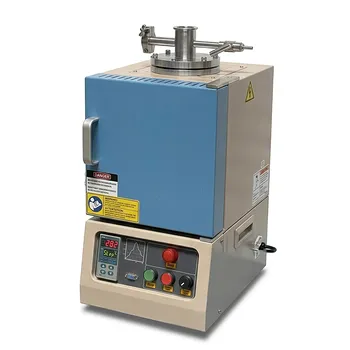
High Temperature Hybrid Muffle and Tube Furnace with Vacuum Capability and PID Control
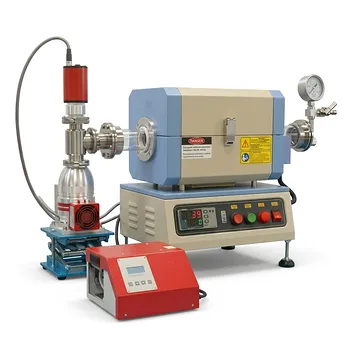
High Vacuum Compact Tube Furnace 1200C with Integrated Turbo Pump System and 8 Inch Heating Zone
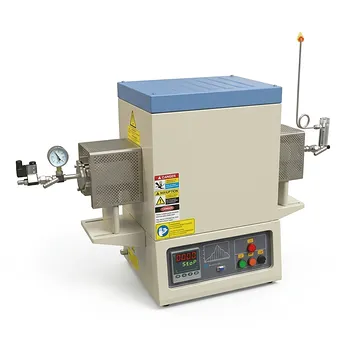
1700C Hydrogen Gas Tube Furnace with 60mm Alumina Process Tube and Integrated Hydrogen Safety Detector
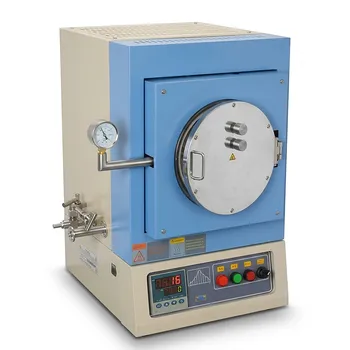
1100°C High Temperature Quartz Chamber Furnace 8 Inch OD with 7.6 Liter Capacity and Vacuum Atmosphere Capability
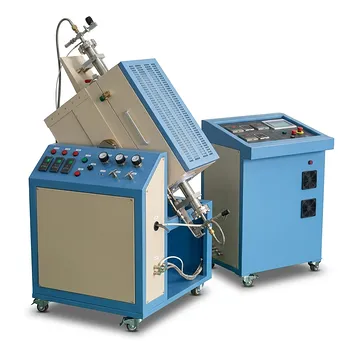
1100C High Pressure Rocking Tube Furnace with 2 Inch Super Alloy Processing Tube for Material Synthesis