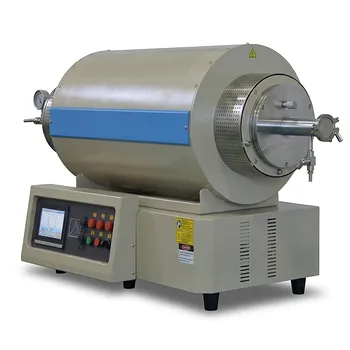
How do laboratory-grade tube furnaces or muffle furnaces ensure data accuracy during the analysis of biomass ash content?
Updated 5 months ago
Ensuring the integrity of biomass ash analysis requires more than just high heat. Laboratory-grade tube and muffle furnaces achieve data accuracy by providing a stable thermal field and precise atmosphere control, typically between 550°C and 815°C. These systems enable the complete oxidative combustion of organic matter while preserving the inorganic residues necessary for exact quantification.
Data accuracy in biomass analysis depends on the furnace's ability to isolate inorganic minerals without triggering premature volatilization or sintering. By strictly regulating heating rates and isothermal durations, these furnaces create a repeatable environment that mirrors industrial conditions.
Precision Thermal Management
Laboratory furnaces are engineered to eliminate temperature fluctuations that could lead to incomplete combustion or skewed mass loss data.
Achieving Complete Oxidative Combustion
To determine ash content, the furnace must oxidize all organic components in a biomass sample. By maintaining a stable temperature, the furnace ensures that only pure inorganic residues remain, providing a reliable baseline for calculating energy density and fixed carbon.
Maintaining Isothermal Stability
High-precision furnaces provide a uniform thermal field, which is critical when processing multiple samples simultaneously. This uniformity ensures that every milligram of biomass experiences the exact same thermal conditions, preventing localized "cold spots" that could lead to residual carbon contamination in the ash.
Mineral Phase Preservation
The accuracy of ash analysis is highly sensitive to how minerals respond to heat; excessive or uncontrolled temperatures can cause significant data errors.
Preventing Volatilization and Sintering
Specific minerals, such as alkali metals (potassium), can volatilize and vanish if temperatures spike, leading to an underestimation of ash content. Modern furnaces prevent this and avoid sintering—the fusing of ash particles—which ensures the residue remains representative of the raw material’s mineral profile.
Regulating Heating Rates
Control over the heating ramp (e.g., 10°C/min) allows researchers to study the volatilization kinetics of various components. Slow, programmed heating prevents the rapid release of volatiles that could physically eject sample material from the crucible, a common source of mechanical error in ash determination.
Environmental and Kinetic Control
Beyond raw temperature, the furnace acts as a controlled reactor to simulate the chemical environments found in industrial gasifiers and boilers.
Simulating Industrial Environments
By adjusting the internal atmosphere (using air, vacuum, or inert gases), furnaces allow for the assessment of slagging, erosion, and corrosion risks. This simulation is vital for predicting how biomass ash will interact with refractory materials in full-scale bioenergy plants.
Extended Thermal Treatment
For high-carbon samples like charcoal, furnaces can maintain specific temperatures (such as 600°C) for extended durations (up to 6 hours). This long-term stability is necessary to ensure the active sites are fully cleared of organics, leaving behind only the inorganic markers used for purity assessment.
Understanding the Trade-offs
While precision furnaces are essential, users must balance several operational factors to maintain accuracy.
Throughput vs. Dwell Time
Increasing the sample size or quantity can create thermal lag, where the center of the sample does not reach the target temperature as quickly as the surface. Users must balance the need for high throughput with the isothermal duration required for the deepest layers of the biomass to oxidize fully.
Temperature Selection Hazards
Choosing a temperature that is too high (e.g., nearing 1200°C) may ensure complete oxidation but risks the loss of silicates and phosphates. Conversely, lower temperatures (near 550°C) reduce the risk of mineral loss but require significantly longer residence times to ensure the total removal of volatiles.
Making the Right Choice for Your Goal
To maximize data accuracy, your furnace settings and protocols must align with your specific analytical objectives.
- If your primary focus is evaluating slagging risks: Use a high-precision muffle furnace to maintain a stable oxidative environment at 575°C to prevent mineral sintering.
- If your primary focus is characterizing charcoal purity: Operate the furnace at a sustained 600°C for at least 6 hours to ensure complete oxidative combustion of all organic active sites.
- If your primary focus is studying mineral phase evolution: Utilize a furnace with programmable heating rates to monitor exactly how alkali metals and silicates transform during the heating ramp.
The definitive accuracy of biomass ash analysis ultimately rests on the furnace's ability to provide a perfectly controlled and repeatable thermal environment.
Summary Table:
| Feature | Impact on Data Accuracy | Optimization Strategy |
|---|---|---|
| Thermal Uniformity | Prevents "cold spots" and residual carbon contamination. | Use stable isothermal fields (550°C-815°C). |
| Atmosphere Control | Ensures complete oxidative combustion of organics. | Regulate air, vacuum, or inert gas flow. |
| Heating Ramp | Prevents sample ejection and loss of volatiles. | Use programmed rates (e.g., 10°C/min). |
| Mineral Preservation | Avoids underestimation of ash due to volatilization. | Prevent temperature spikes; control dwell times. |
| Extended Dwell Time | Ensures high-carbon samples (charcoal) are fully oxidized. | Maintain stability for up to 6 hours if carbon is high. |
Achieve Unmatched Research Precision with THERMUNITS
Data integrity in biomass analysis begins with the world-class thermal stability provided by THERMUNITS. As a global leader in high-temperature laboratory equipment for material science and industrial R&D, we offer high-performance solutions engineered to meet the most rigorous analytical standards.
Our extensive product range is designed to support every stage of your heat treatment process:
- Muffle & Tube Furnaces: Optimized for biomass ash determination and stable oxidative combustion.
- Atmosphere & Vacuum Furnaces: Essential for simulating complex industrial environments while preventing mineral sintering.
- Specialized Systems: Including CVD/PECVD, Rotary, Hot Press, Dental, and Vacuum Induction Melting (VIM) furnaces for advanced material processing.
- High-Quality Thermal Elements: Ensuring long-term durability and heating efficiency.
Whether you are analyzing energy density, evaluating slagging risks, or characterizing charcoal purity, THERMUNITS provides the precision tools you need to succeed.
Ready to upgrade your laboratory capabilities? Contact us today to receive a custom quote and expert consultation on the right thermal processing solution for your application.
References
- Lokeshwar Puri, G.F. Naterer. Critical review of the role of ash content and composition in biomass pyrolysis. DOI: 10.3389/ffuel.2024.1378361
Mentioned Products
- Weighable Mini Rotary Tube Furnace for Dynamic Thermogravimetric Analysis and Powder Processing
- Mini Rotary Tubular Furnaces for Precision Powder Heat Treatment and Thermogravimetric Analysis
- Automated 1200 C Tube Furnace for AI Material Research with 6 Inch OD and Sliding Flange
- High Temperature 1700C Vertical Tube Furnace for Powder Spherification and Material Sintering
- Three Zone Rotary Tube Furnace for High Temperature Powder Processing and Material Research
People Also Ask
- Why is a high-precision mass flow controller required for the growth of perovskite films? Ensure Stoichiometry & Quality
- What is the primary function of a PT100 RTD sensor? Achieve High-Precision Temperature Monitoring for Furnaces
- What is the function of high-precision Mass Flow Controllers (MFC) in an ethylene oxidation reaction system? Expert Guide
- How do MFCs regulate Syngas proportions in catalytic reactions? Master Precise Gas Ratios & Maximize H2/CO Yields.
- What is the significance of using high-precision Mass Flow Controllers (MFC) in catalyst reduction? Key to Performance

Tech Team · ThermUnits
Last updated on Apr 14, 2026
Related Products
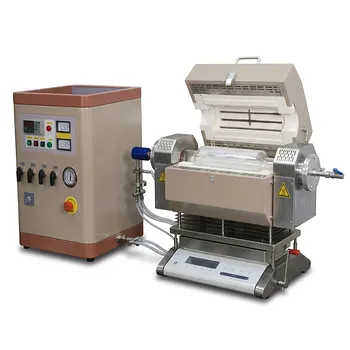
Weighable Mini Rotary Tube Furnace for Dynamic Thermogravimetric Analysis and Powder Processing
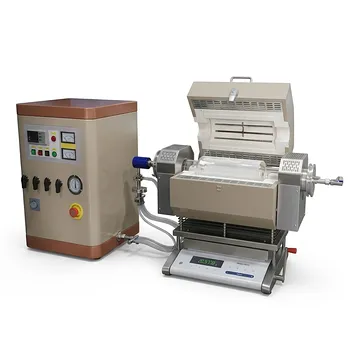
Mini Rotary Tubular Furnaces for Precision Powder Heat Treatment and Thermogravimetric Analysis
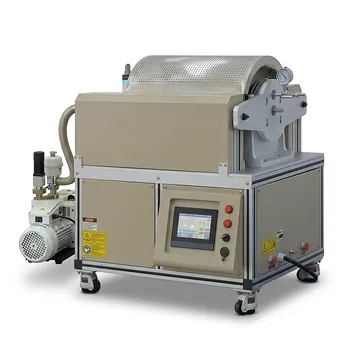
Automated 1200 C Tube Furnace for AI Material Research with 6 Inch OD and Sliding Flange

High Temperature 1700C Vertical Tube Furnace for Powder Spherification and Material Sintering
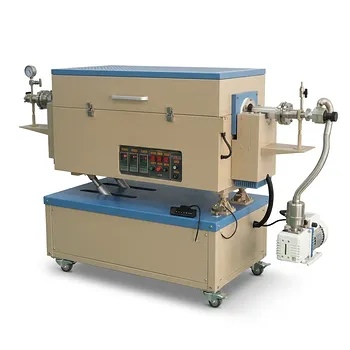
Three Zone Rotary Tube Furnace for High Temperature Powder Processing and Material Research
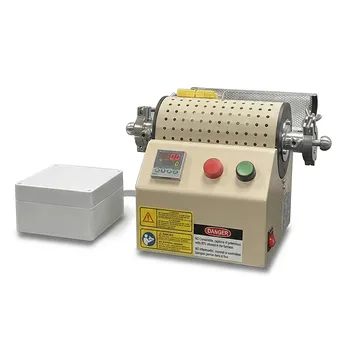
1000C Mini Tube Furnace with 20mm Quartz Tube and Vacuum Flanges for Material Science Research and Controlled Atmosphere Small Sample Processing
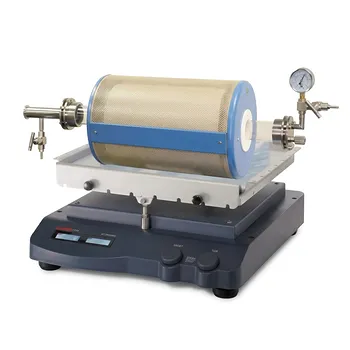
High Temperature Rocking Tube Furnace with Quartz Tube and Vacuum Flange for Materials Synthesis

Compact Vertical Split Quartz Tube Furnace with Stainless Steel Vacuum Flanges for Rapid Thermal Quenching and Controlled Atmosphere Material Processing
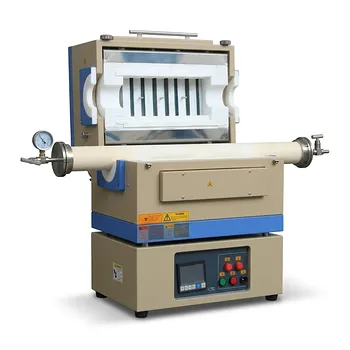
1500C Eight Zone Split Tube Furnace for Thermal Gradient Processing and Advanced Material Research
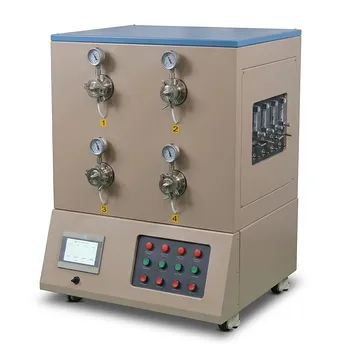
High Throughput 1200C Four Channel Tube Furnace with 3 Inch Quartz Tubes for Multi Zone Annealing and Material Research
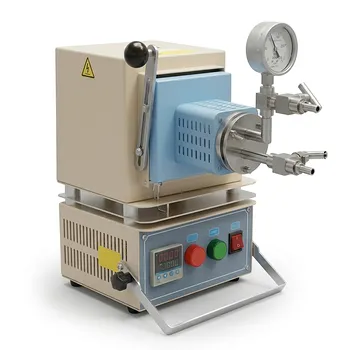
Compact Hybrid Muffle and Tube Furnace for 1000C Controlled Atmosphere Laboratory Material Sintering
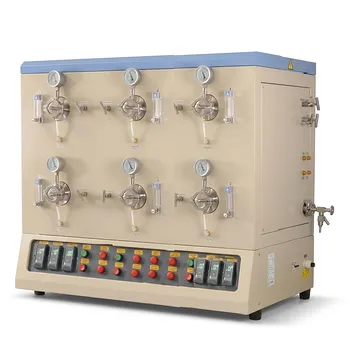
1200C High Throughput Multi Channel Tube Furnace with 50mm Quartz Tubes for Annealing and Material Phase Diagram Research
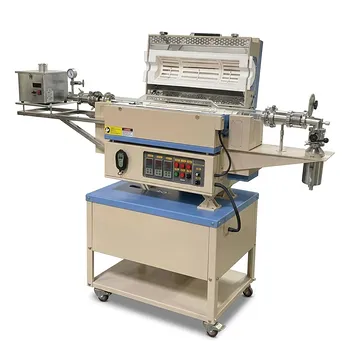
5 Inch Rotary Tube Furnace with Automatic Feeding and Receiving System 1200C Three Zone CVD Powder Processing
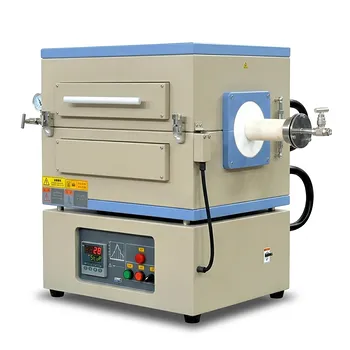
1500°C Split Tube Furnace with Alumina Tube and Vacuum Sealing Flanges for Material Research
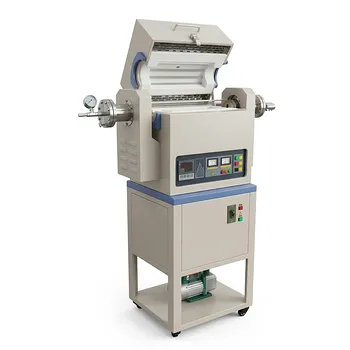
High Temperature Rotary Tilt Tubular Furnaces for Advanced Powder Sintering and Material Processing
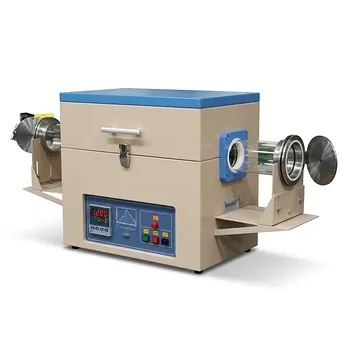
High Temperature 1200C Split Tube Furnace with Hinged Vacuum Flanges and 4 Inch Quartz Tube for Laboratory Research
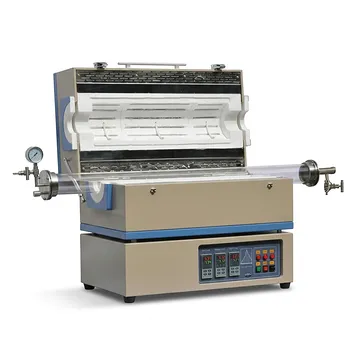
24 Inch Three Zone Split Tube Furnace with Optional Quartz Tube and Vacuum Flange System for High Temperature Material Synthesis
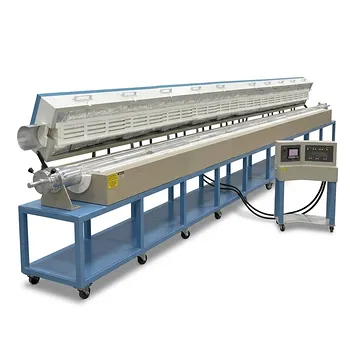
12 Zone Ultra Long Split Tube Furnace with 20 Foot Quartz Tube and 1100C Max Temperature

Vertical 1700C Vacuum and Atmosphere Tube Furnace with 80mm Alumina Tube