What is the primary function of a PT100 RTD sensor? Achieve High-Precision Temperature Monitoring for Furnaces
Updated 3 months ago
The PT100 RTD sensor functions as a high-precision temperature sensing element that tracks thermal changes by measuring electrical resistance. In industrial furnace monitoring, its primary role is to provide a linear and highly stable signal of temperature fluctuations within the furnace interior, cooling systems, and critical nodes. This ensures that high-temperature processes, such as smelting, remain within safe and efficient operating parameters.
The PT100 RTD is valued for its predictable linear response and long-term stability, making it a critical tool for precise thermal management in demanding industrial environments.
The Mechanics of Resistance-Based Sensing
The Linear Relationship Principle
The PT100 relies on the physical property of platinum, where electrical resistance increases predictably as temperature rises. Because this relationship is nearly linear, it allows for straightforward and highly accurate temperature conversion without the need for complex software compensation.
Exceptional Accuracy and Repeatability
In furnace environments, precision is vital; the PT100 offers narrower tolerance levels and higher repeatability compared to common alternatives like thermocouples. This ensures that temperature readings remain consistent over long periods, significantly reducing the frequency of required recalibrations.
Strategic Applications in Industrial Furnaces
Monitoring the Furnace Interior
The sensor tracks the intense heat during processes like ferronickel smelting, ensuring the reaction maintains the correct thermal profile. This real-time data allows operators to make immediate adjustments to fuel or power inputs, optimizing yield and energy consumption.
Safeguarding Cooling Water Circuits
Industrial furnaces rely on cooling systems to prevent structural failure; the PT100 monitors these water circuits to detect early signs of overheating. Early detection in these peripheral nodes prevents catastrophic equipment damage and protects the integrity of the furnace shell.
Understanding the Trade-offs
Sensitivity and Fragility
While highly accurate, PT100 sensors are generally more mechanically fragile than thermocouples and can be sensitive to heavy vibration. In the harsh environment of a furnace, they require robust protective sheathing (thermowells) to prevent physical damage to the platinum element.
Temperature Range Constraints
Standard RTDs are typically limited to an upper temperature range of approximately 600°C to 850°C. In ultra-high-heat smelting zones that exceed these limits, PT100s are often strategically placed in cooling zones or critical process nodes rather than the direct center of the melt.
How to Apply This to Your Project
Accurately monitoring furnace temperatures requires balancing the need for precision with the realities of a harsh industrial environment.
- If your primary focus is absolute precision in process control: Utilize PT100 sensors in critical nodes where small temperature fluctuations significantly impact the quality of the final product.
- If your primary focus is long-term system stability: Rely on the PT100's inherent resistance to "calibration drift" to ensure your furnace monitoring remains reliable over months of continuous operation.
By leveraging the predictable resistance of platinum, the PT100 provides the reliable thermal data necessary for safe and efficient industrial furnace management.
Summary Table:
| Feature | PT100 RTD Capability |
|---|---|
| Sensing Method | Measures electrical resistance changes in platinum |
| Core Advantage | Exceptional linearity and long-term signal stability |
| Primary Use | Monitoring furnace interiors and cooling water circuits |
| Temp Range | Typically efficient from 600°C to 850°C |
| Benefit | Reduces calibration drift and ensures process safety |
Enhance Your Thermal Precision with THERMUNITS
Precise temperature monitoring is the backbone of successful material science and industrial R&D. THERMUNITS is a leading manufacturer of high-performance thermal processing solutions designed to meet the most demanding laboratory and industrial standards.
Whether you require Muffle, Vacuum, Atmosphere, or Tube furnaces, or advanced systems like CVD/PECVD, Hot Press, and Vacuum Induction Melting (VIM) furnaces, our equipment is engineered for ultimate stability and accuracy. We also provide specialized Dental Furnaces, electric rotary kilns, and premium Thermal Elements to optimize your heat treatment workflows.
Ready to upgrade your laboratory's capabilities? Our experts are here to help you select the ideal thermal solution tailored to your specific research or production needs.
→ Contact THERMUNITS Today to Get a Quote
References
- Fahrul Fahrul, Miranty Miranty. Miniature Furnace Temperature Monitoring System Using Wireless-Based Resistance Temperature Detector Sensor. DOI: 10.52330/jtm.v22i2.317
Mentioned Products
- Weighable Mini Rotary Tube Furnace for Dynamic Thermogravimetric Analysis and Powder Processing
- Automated Sliding Tube Furnace for Fast Heating and Cooling 2 Inch OD 1100C Max
- Rapid Thermal Processing Furnace 1100C Atmosphere Controlled Bottom Loading RTP System for Wafer Annealing and Catalysis Research
- 900 ºC Max Sliding RTP Tube Furnace with Rapid IR Heating and 4 Inch OD Quartz Tube
- 1100C High Pressure Rocking Tube Furnace with 2 Inch Super Alloy Processing Tube for Material Synthesis
People Also Ask
- Why is a high-precision mass flow controller required for the growth of perovskite films? Ensure Stoichiometry & Quality
- What is the function of high-precision Mass Flow Controllers (MFC) in an ethylene oxidation reaction system? Expert Guide
- How do MFCs regulate Syngas proportions in catalytic reactions? Master Precise Gas Ratios & Maximize H2/CO Yields.
- What is the significance of using high-precision Mass Flow Controllers (MFC) in catalyst reduction? Key to Performance
- How do MFCs regulate oxygen partial pressure in nickel research? Achieve Precise Control & Accurate Results.

Tech Team · ThermUnits
Last updated on Jun 02, 2026
Related Products
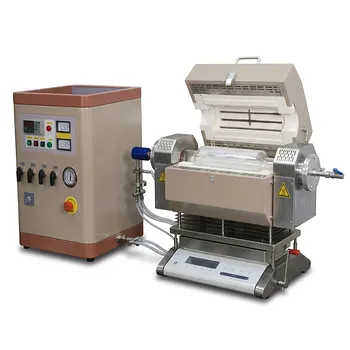
Weighable Mini Rotary Tube Furnace for Dynamic Thermogravimetric Analysis and Powder Processing
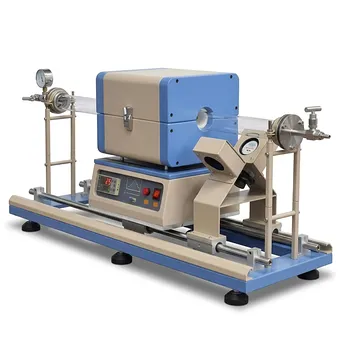
Automated Sliding Tube Furnace for Fast Heating and Cooling 2 Inch OD 1100C Max
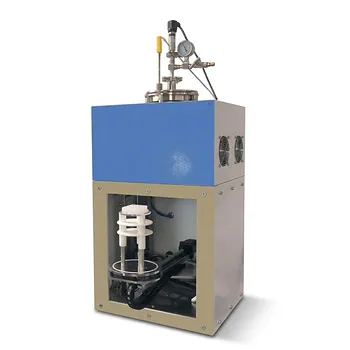
Rapid Thermal Processing Furnace 1100C Atmosphere Controlled Bottom Loading RTP System for Wafer Annealing and Catalysis Research
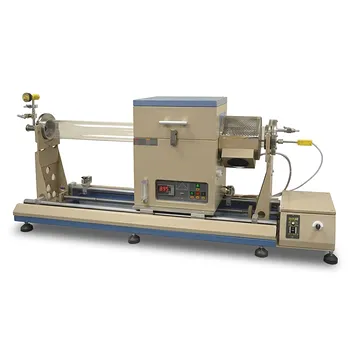
900 ºC Max Sliding RTP Tube Furnace with Rapid IR Heating and 4 Inch OD Quartz Tube
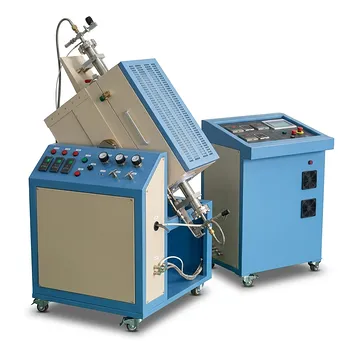
1100C High Pressure Rocking Tube Furnace with 2 Inch Super Alloy Processing Tube for Material Synthesis
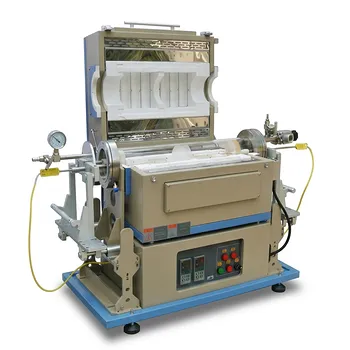
Two Zone IR Heating Rapid Thermal Processing RTP Tube Furnace with 4 Inch ID Quartz Tube and Sliding Sample Holders
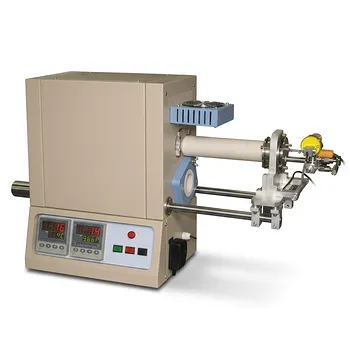
High Temperature Tube Furnace 1500C with Sliding Flanges and 50mm OD for Rapid Thermal Processing Fast Heating and Cooling
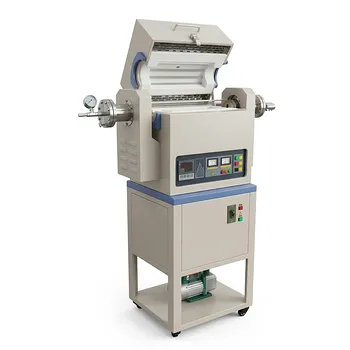
High Temperature Rotary Tilt Tubular Furnaces for Advanced Powder Sintering and Material Processing
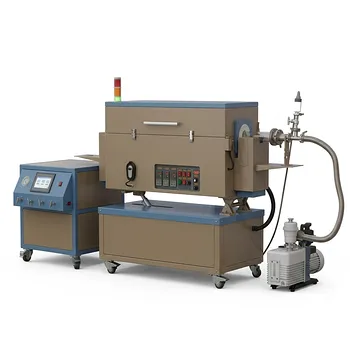
5 Inch Three Zone Rotary Tube Furnace with Integrated Gas Delivery System and 1200C Capability for Advanced Material CVD Processing
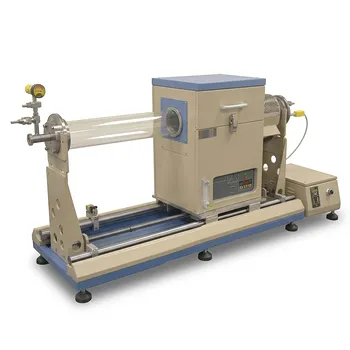
Rapid Thermal Processing Sliding Tube Furnace with 4 Inch OD Quartz Tube and 900C IR Heating
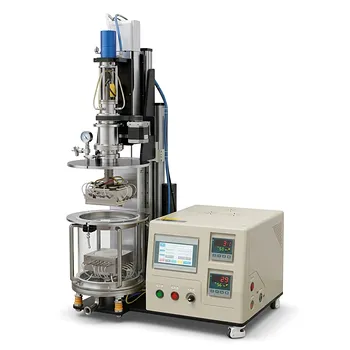
High Temperature 800C Rapid Thermal Processing Furnace with Rotating Sample Holder for Close Spaced Sublimation and Thin Film Solar Cell Research
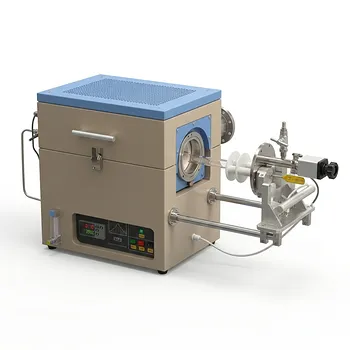
Compact Atmosphere Controlled Rapid Thermal Processing RTP Furnace with 4 Inch ID Quartz Tube 1100C
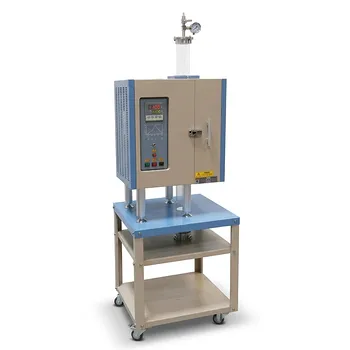
1100°C Split Vertical Tube Furnace with 80mm Quartz Tube and Stainless Steel Vacuum Flanges
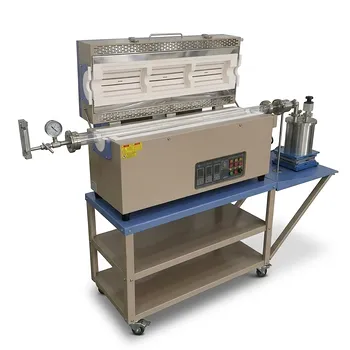
5 Inch Two Zone Rotary Tube Furnace 1100C for Powder CVD and Material Synthesis
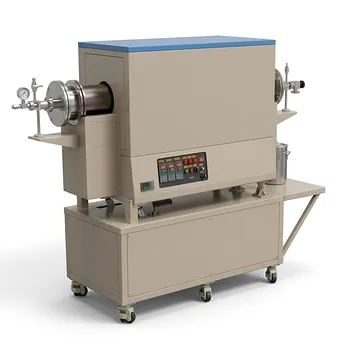
900°C Max Rotary Tube Furnace with 8 Inch 310S Alloy Tube and Optional Multi Zone Heating for Industrial Material Calcination
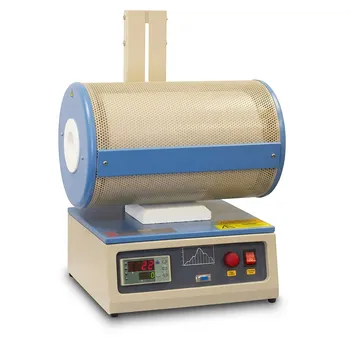
Multi Position Tube Furnace 1100C for Laboratory Material Research and Advanced Industrial Thermal Processing
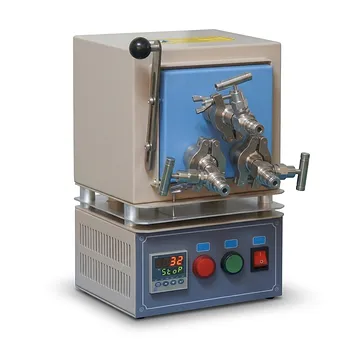
Triple Tube Compact Hybrid Muffle Furnace 1000C High Vacuum Thermal Processing System
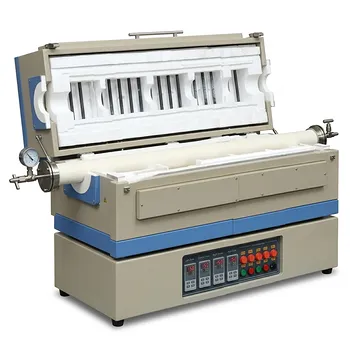
1500C Five Zone Split Tube Furnace with 84mm Mullite Tube and Vacuum Flanges
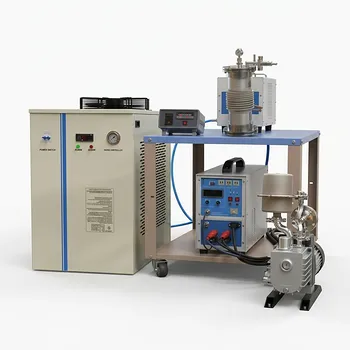
Induction Heating System with Temperature Control for High Temperature Vacuum Sintering and Melting