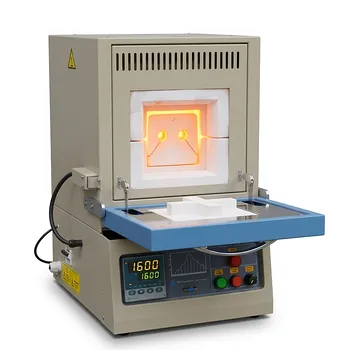
How does a box furnace work with chemical activators for porous hard carbon? Mastering Thermal Etching Mechanisms.
Updated 3 months ago
A box-type high-temperature activation furnace functions as a controlled thermal reactor that triggers an intense chemical etching process between a carbon precursor and an activating agent. By maintaining a precise thermal field—typically around 750°C for lignin-based materials—the furnace provides the activation energy necessary for chemicals like potassium carbonate (K₂CO₃) or potassium hydroxide (KOH) to corrode the carbon skeleton, carving out a dense network of micropores and mesopores.
Core Takeaway: The furnace acts as the catalyst for a "chemical drill" process, where high heat enables activators to physically etch the carbon matrix and intercalate into its structure, resulting in a high-specific-surface-area material optimized for adsorption and energy storage.
The Mechanism of Thermal Activation
Initiating the Etching Reaction
The furnace provides a stable thermal environment that allows chemical activators to reach their reactive state. For instance, when using KOH, the heat causes the activator to melt and penetrate the internal structure of the precursor, triggering a redox reaction that consumes carbon atoms to create voids.
Gas Evolution and Pore Development
At temperatures between 750°C and 900°C, the reaction releases gases such as carbon dioxide (CO₂) and carbon monoxide (CO). As these gases escape the carbon matrix, they act as internal foaming agents, opening closed pores and expanding the internal volume to create a honeycomb-like structure.
Structural Rearrangement and Hardening
Beyond mere etching, the furnace environment facilitates the rearrangement of the carbon skeleton. This high-temperature treatment eliminates volatile organic compounds (VOCs) and promotes the hardening of the "hard carbon" framework, ensuring the resulting porous structure is mechanically stable.
The Role of Chemical Activators
Potassium-Based Intercalation
When using potassium-based activators ($K_2CO_3$ or $KOH$), the furnace heat allows metallic potassium atoms to intercalate (wedge) between the carbon layers. This atomic-level wedging significantly expands the space between layers, which is a primary driver for achieving a high specific surface area (often exceeding 700–1000 m²/g).
Acidic vs. Alkaline Etching
Different activators interact with the furnace’s thermal field in unique ways. While Zinc Chloride (ZnCl₂) is often used at higher temperatures (900°C) to facilitate intense physical dehydration and etching, alkaline hydroxides are more commonly used for fine-tuning the ratio of micropores to mesopores.
Synergy with Pore-Forming Agents
In many box-furnace processes, secondary agents like urea or polyethylene glycol (PEG) are added. These compounds decompose at specific temperatures provided by the furnace, working in tandem with the primary chemical activator to ensure the pore size distribution is uniform across the entire sample.
Understanding the Trade-offs
Temperature vs. Pore Collapse
While higher temperatures generally increase the etching rate, exceeding the optimal threshold (e.g., going to 1000°C when 750°C is required) can lead to pore collapse. This occurs when the carbon walls become too thin or the structure begins to graphitize, actually reducing the specific surface area.
Activator-to-Precursor Ratios
Increasing the amount of chemical activator can enhance porosity, but it also increases the corrosive wear on the furnace’s internal lining. Finding the balance between "intensive activation" and "equipment longevity" is a critical operational challenge in high-temperature chemical processing.
Atmosphere Control Requirements
A box-type furnace must often be equipped with an inert atmosphere (such as Nitrogen) to prevent the carbon from simply burning away. Without precise control over the gas environment, the high temperatures would cause the carbon precursor to undergo total combustion rather than controlled activation.
Optimizing the Process for Your Goals
How to Apply This to Your Project
To achieve the best results when preparing porous hard carbon, you must align your furnace parameters with your specific material objectives:
- If your primary focus is Maximum Surface Area: Utilize a higher activator-to-carbon ratio and maintain a furnace temperature between 800°C and 900°C to maximize the etching intensity.
- If your primary focus is Pore Size Uniformity: Use a lower, more stable temperature (around 600°C–700°C) and incorporate pore-forming agents like PEG to ensure a consistent mesoporous network.
- If your primary focus is Yield and Stability: Opt for potassium carbonate ($K_2CO_3$) at a moderate 750°C, as it provides a more controlled etching rate that preserves the structural integrity of the hard carbon skeleton.
By precisely governing the interaction between heat and chemistry, the activation furnace transforms bulk carbon into a high-performance material with a tailored internal architecture.
Summary Table:
| Parameter | Mechanism / Role | Typical Range / Example |
|---|---|---|
| Activation Temp | Triggers redox reaction and gas evolution | 750°C – 900°C |
| Chemical Activators | Etches carbon skeleton to create micro/mesopores | KOH, K₂CO₃, ZnCl₂ |
| Atmosphere | Prevents total combustion of carbon precursor | Inert Nitrogen ($N_2$) |
| Pore Formation | Intercalation and gas escape (CO, $CO_2$) | High Specific Surface Area |
| Resulting Material | Hard carbon with honeycomb structure | 700 – 1000+ m²/g |
Elevate Your Material Research with THERMUNITS
Achieving the perfect porous hard carbon requires absolute precision in thermal and atmospheric control. THERMUNITS is a leading manufacturer of high-temperature laboratory equipment for material science and industrial R&D. We provide the high-performance tools necessary to master the "chemical drill" process, ensuring your materials reach their maximum potential.
Why partner with THERMUNITS?
- Precision Control: Our furnaces offer the stable thermal fields required to prevent pore collapse and ensure structural hardening.
- Comprehensive Solutions: From Muffle, Vacuum, and Atmosphere furnaces to Tube, Rotary, and Hot Press systems, we cover every heat treatment need.
- Advanced R&D Support: We offer specialized CVD/PECVD systems, Vacuum Induction Melting (VIM) furnaces, and Electric Rotary Kilns for complex material synthesis.
Ready to optimize your carbon activation process? Contact our expert team today to find the ideal thermal solution for your lab!
References
- Siyu Long, Qi-Shi Du. Study on the lignin-derived sp2–sp3 hybrid hard carbon materials and the feasibility for industrial production. DOI: 10.1038/s41598-024-54190-x
Mentioned Products
- High Temperature Four Chamber Box Furnace for High Throughput Materials Research and Space Saving Thermal Processing
- High Temperature Bottom Loading Box Furnace for Rapid Thermal Processing 1700C 40L Capacity
- High Temperature 1600°C Three Zone Heated Bottom Loading Box Furnace with Rapid Thermal Processing Chamber 72L Volume
- 1650C High Temperature Atmosphere Controlled Box Furnace with 65L Chamber for Advanced Material Sintering and Industrial Heat Treatment
- Automated 1700C High Temperature Bottom Loading Box Furnace with PC Software Control and Robotic Integration Capability
People Also Ask
- What is the role of a high-temperature box furnace in the solid-state synthesis of Europium-doped M3MgSi2O8 phosphors?
- What is the role of a high-temperature box furnace in Na3MnZr(PO4)3 synthesis? Engineering High-Performance NASICON.
- What role does an industrial-grade high-temperature furnace play in C2F sintering? Achieve Pure Phase and High Strength
- How does a high-temp box furnace aid rare-earth oxysulfide phosphor synthesis? Enhance Purity & Luminescence
- Why is a high-temperature box furnace required for 1250°C ferrite calcination? Ensure Precise Phase Transformation.

Tech Team · ThermUnits
Last updated on Jun 03, 2026
Related Products
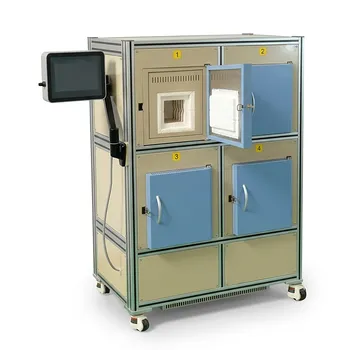
High Temperature Four Chamber Box Furnace for High Throughput Materials Research and Space Saving Thermal Processing
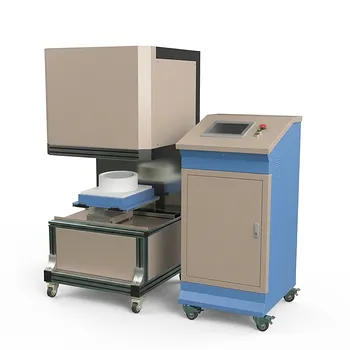
High Temperature Bottom Loading Box Furnace for Rapid Thermal Processing 1700C 40L Capacity
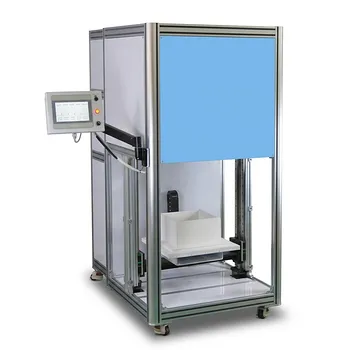
High Temperature 1600°C Three Zone Heated Bottom Loading Box Furnace with Rapid Thermal Processing Chamber 72L Volume
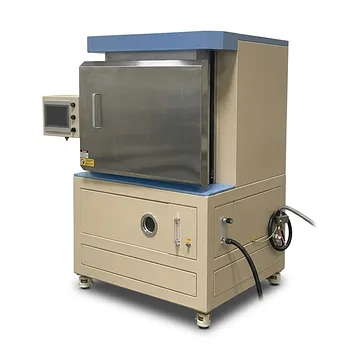
1650C High Temperature Atmosphere Controlled Box Furnace with 65L Chamber for Advanced Material Sintering and Industrial Heat Treatment
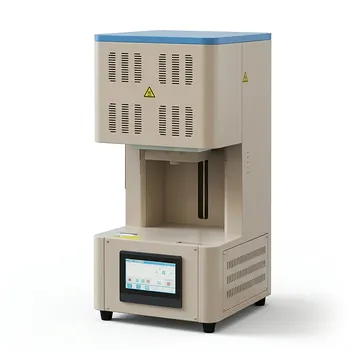
Automated 1700C High Temperature Bottom Loading Box Furnace with PC Software Control and Robotic Integration Capability
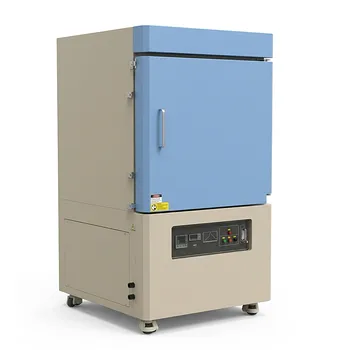
Industrial Large Box Furnace 1700C 216L High Temp Muffle Sintering System
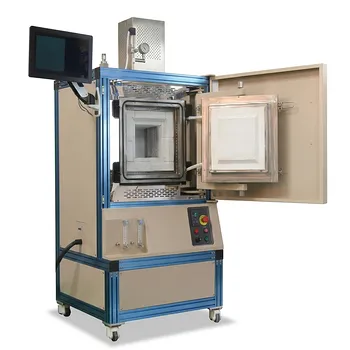
High Temperature Hydrogen Atmosphere Box Furnace 1650C Max Reducing Environment Material Synthesis System 8x8x8 Chamber
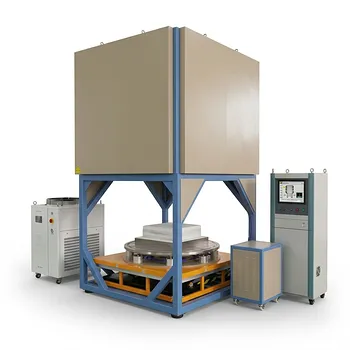
Bottom Loaded Inert Gas Atmosphere Box Furnace 1700C 1300C 216L Large Capacity Industrial Thermal Processing System
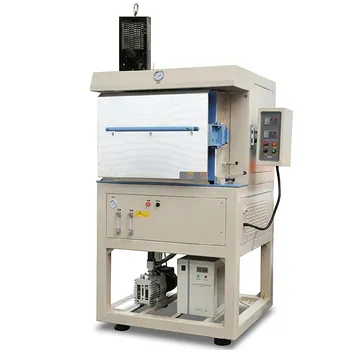
1200C Hydrogen Atmosphere Box Furnace with 5 Heated Sides and 64L Chamber
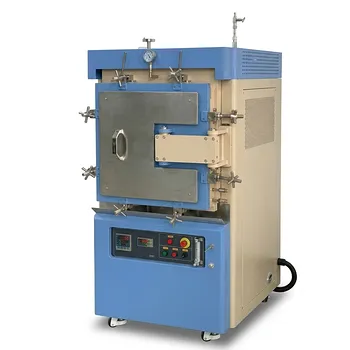
High Temperature Economic Hydrogen Gas Box Furnace 1600C Atmosphere Controlled Thermal Processing System 65L Capacity
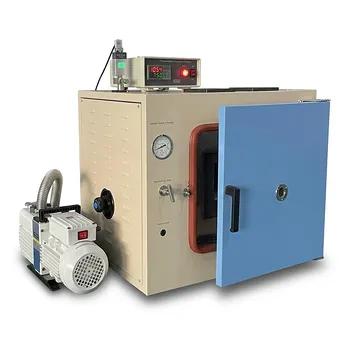
Compact High Vacuum Box Furnace 1050C Max 6.2L Ceramic Chamber Stainless Steel Shell Programmable Temperature Controller for Material Science Research
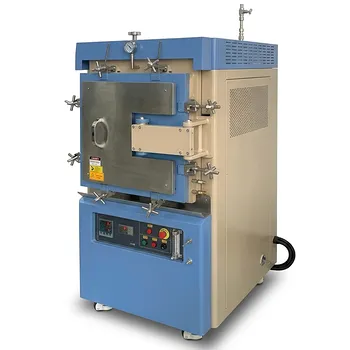
Atmosphere Controlled Muffle Furnace 1700C Maximum Temperature 80L High Capacity Vacuum Inert Gas Box Furnace

High Temperature 1500C Benchtop Muffle Furnace 3.6L Alumina Fiber Chamber Programmable Controller Sintering Annealing Carbonization Thermal Processing System
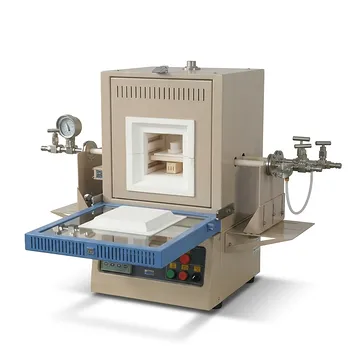
1700C Compact Hybrid Furnace with Dual Layer Box Sintering and Controlled Atmosphere Alumina Tubes

High Temperature 1700C Vertical Tube Furnace for Powder Spherification and Material Sintering

High Temperature Tube Furnace 1500C with Sliding Flanges and 50mm OD for Rapid Thermal Processing Fast Heating and Cooling
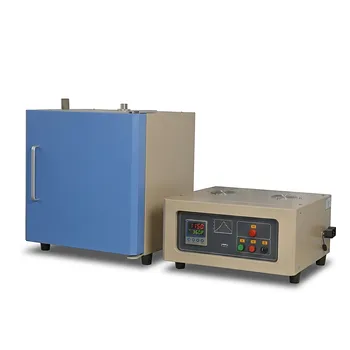
High Temperature Muffle Furnace with Alloy Chamber for Debinding and Sintering Applications

High Temperature 1700C Tube Furnace with High Vacuum Turbomolecular Pump System and Multi Channel Mass Flow Controller Gas Mixer
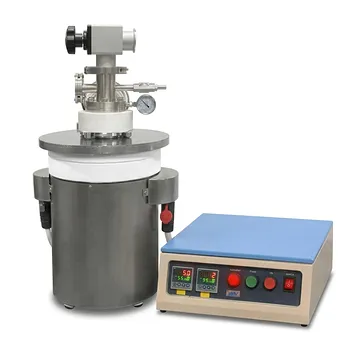
1100C High Temperature Vacuum Crucible Furnace with Quartz Chamber for Thermal Processing and Sintering