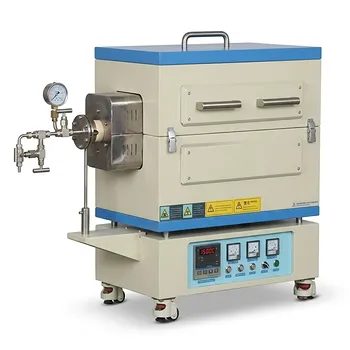
How does a ceramic gas inlet tube improve tube furnace efficiency? Maximize Precision and Yield in Material Synthesis
Updated 6 months ago
The efficiency of a high-temperature tube furnace reactor depends heavily on precise gas delivery and thermal management. A ceramic gas inlet tube acts as a thermal shield and a precise conduit, delivering reaction gases directly to the reactor's central hot zone. By preventing the premature decomposition of precursor gases before they reach the target temperature, it ensures optimal reaction kinetics and consistent material growth.
The ceramic gas inlet tube maximizes reactor efficiency by maintaining the chemical integrity of precursors until they reach the high-temperature reaction zone, directly influencing the quality and yield of the final product.
Precision Gas Delivery and Thermal Management
Delivering Precursors to the Hot Zone
The primary role of the ceramic tube is to transport reaction gases, such as acetylene and argon, into the furnace's core. This ensures that the chemical reactions occur exactly where the temperature is high enough to drive the desired synthesis.
Preventing Premature Decomposition
Without a specialized inlet, carbon-source gases often break down too early as they travel through the cooler regions of the furnace. The ceramic tube protects these gases from intermediate heat, keeping the carbon source intact until it reaches the catalyst surface.
Enhancing Product Quality and Consistency
Ensuring Structural Consistency
By delivering a stable concentration of gas to the reaction site, the tube promotes the uniform growth of carbon nanotubes (CNTs). This precision results in structural consistency across the surface of substrates like stainless steel wire.
Optimizing Growth Efficiency
Efficient delivery reduces wasted precursors and minimizes secondary, unwanted reactions. This focus on the central zone maximizes the growth rate and overall yield of the nanomaterials being produced.
Understanding the Trade-offs
Thermal Shock Stability
Ceramic materials are chosen for their high thermal shock stability, allowing them to withstand rapid temperature shifts. However, improper handling or extreme thermal gradients can still lead to material fatigue over long-term use.
Material Brittleness
While ceramics offer excellent heat resistance, they are inherently more brittle than metal alloys. Care must be taken during installation to avoid physical stress that could cause structural failure or gas leaks.
How to Apply This to Your Reactor Setup
Integrating a ceramic gas inlet tube is a critical step in transforming a standard furnace into a precision reactor.
- If your primary focus is maximizing material yield: Use a ceramic inlet to ensure your precursor gas is fully utilized at the catalyst site rather than being lost to premature breakdown.
- If your primary focus is structural uniformity: Ensure the inlet tube is positioned precisely in the central high-temperature zone to maintain a consistent reaction environment.
By controlling the exact point of chemical reaction, you ensure that your high-temperature processes are both predictable and highly efficient.
Summary Table:
| Feature | Function | Key Benefit |
|---|---|---|
| Precision Delivery | Directs precursors to the central hot zone | Ensures reaction kinetics occur at the target temperature |
| Thermal Shielding | Protects gases from intermediate heat | Prevents premature decomposition of precursor gases |
| Growth Optimization | Maintains stable gas concentrations | Enhances structural consistency and material yield (e.g., CNTs) |
| Material Properties | High thermal shock stability | Withstands rapid temperature shifts for long-term reactor use |
Elevate Your Material Research with THERMUNITS
Precision is the foundation of innovation in material science. As a leading manufacturer of high-temperature laboratory equipment, THERMUNITS provides advanced thermal processing solutions designed for demanding industrial R&D and academic research.
From Tube, Vacuum, and CVD/PECVD systems to specialized Rotary and Hot Press furnaces, our equipment is engineered to optimize your reaction efficiency and product consistency. Whether you are synthesizing carbon nanotubes or conducting complex heat treatments, we have the expertise to support your goals.
Ready to upgrade your lab's performance? Contact our engineering team today to discuss custom solutions for your high-temperature furnace requirements.
References
- Jean‐Luc Meunier, Jason R. Tavares. Continuous Reactive-Roll-to-Roll Growth of Carbon Nanotubes for Fog Water Harvesting Applications. DOI: 10.3390/c10010009
Mentioned Products
- Gas Pre-Heating Tube Furnace for High Temperature Pyrolysis Reactors and Material Science Research
- 1700C Hydrogen Gas Tube Furnace with 60mm Alumina Process Tube and Integrated Hydrogen Safety Detector
- Compact High Temperature 1600C Tube Furnace with 50mm Alumina Tube and Vacuum Flanges for Material Sintering
- High Temperature 1700C Tube Furnace with 4 Inch OD Alumina Tube and Vacuum Sealing Flanges
- 1800C High Temperature Compact Vacuum Tube Furnace with 60mm OD Alumina Tube and Kanthal MoSi2 Heating Elements
People Also Ask
- What is the function of a preheated high-temperature tube furnace in the rapid pyrolysis synthesis of carbon nitride films?
- What is the role of a high-temperature tube furnace in coal powder pyrolysis benchmarking? Achieve Precise Baselines.
- Why is high-precision temperature control essential in a pyrolysis furnace? Master Pd NPs/NO-C Catalyst Synthesis
- How does a high-temperature tube furnace facilitate the pyrolysis of PR-ZS hybrid aerogels into carbon aerogels?
- How is a laboratory tube heating furnace applied during the evaluation of denitration catalysts? Essential Guide

Tech Team · ThermUnits
Last updated on Apr 14, 2026
Related Products
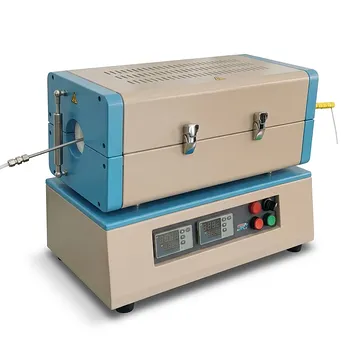
Gas Pre-Heating Tube Furnace for High Temperature Pyrolysis Reactors and Material Science Research
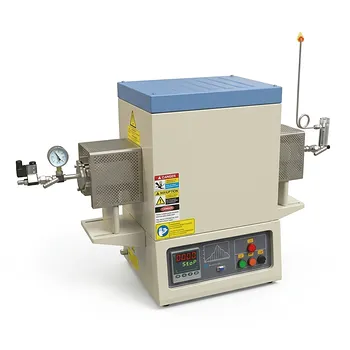
1700C Hydrogen Gas Tube Furnace with 60mm Alumina Process Tube and Integrated Hydrogen Safety Detector
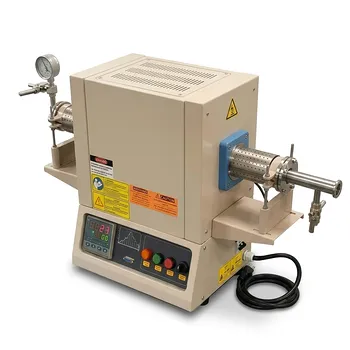
Compact High Temperature 1600C Tube Furnace with 50mm Alumina Tube and Vacuum Flanges for Material Sintering
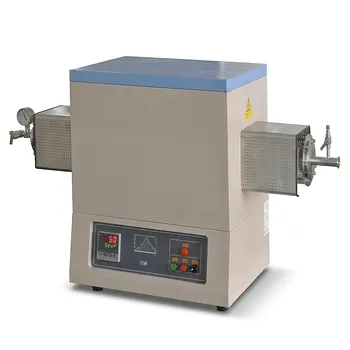
High Temperature 1700C Tube Furnace with 4 Inch OD Alumina Tube and Vacuum Sealing Flanges
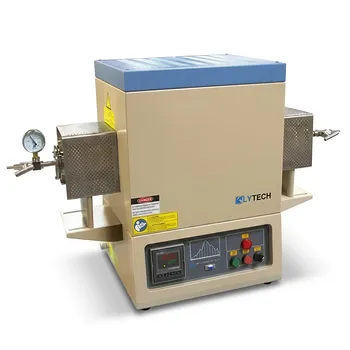
1800C High Temperature Compact Vacuum Tube Furnace with 60mm OD Alumina Tube and Kanthal MoSi2 Heating Elements
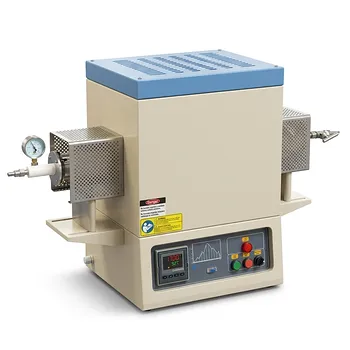
High Temperature Three Zone Tube Furnace 1700C with Alumina Tube and Water Cooled Flanges
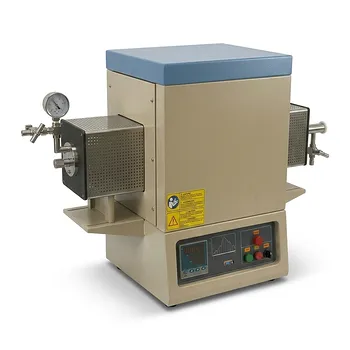
High Temperature 1700C Benchtop Tube Furnace with 5 Inch Heating Zone High Purity Alumina Tube and Vacuum Sealing Flanges
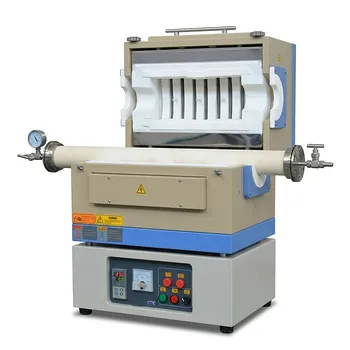
High Temperature 1600C Split Tube Furnace Vacuum Flanges Valves Optional 60mm 80mm Alumina Tube
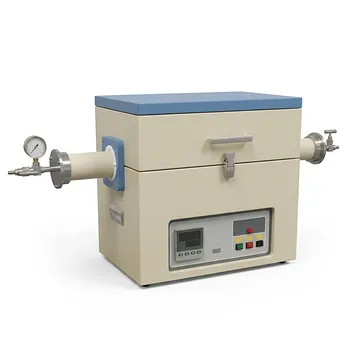
1250C Split Tube Furnace with 3 Inch Mullite Tube and Vacuum Sealing Flanges for Precision Thermal Processing
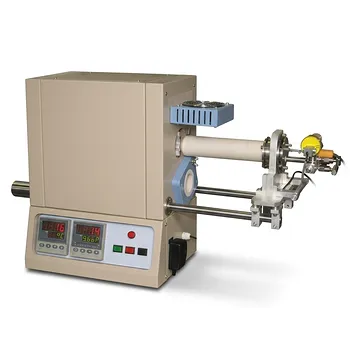
High Temperature Tube Furnace 1500C with Sliding Flanges and 50mm OD for Rapid Thermal Processing Fast Heating and Cooling
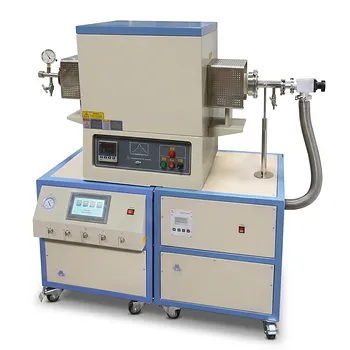
High Temperature 1700C Tube Furnace with High Vacuum Turbomolecular Pump System and Multi Channel Mass Flow Controller Gas Mixer
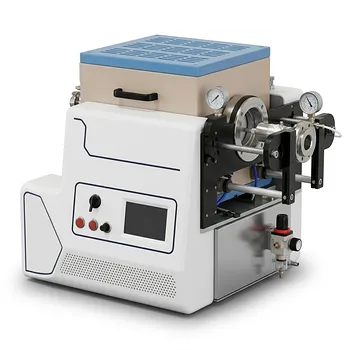
High Temperature Automated 5 Inch Tube Furnace for Autonomous Material Research and Advanced Laboratory R&D
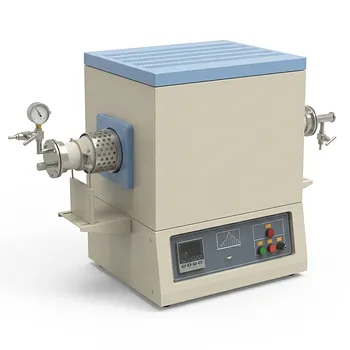
1750°C High Temperature Benchtop Vacuum Atmosphere Tube Furnace with Kanthal Super 1800 Heating Elements and 60mm Alumina Processing Tube
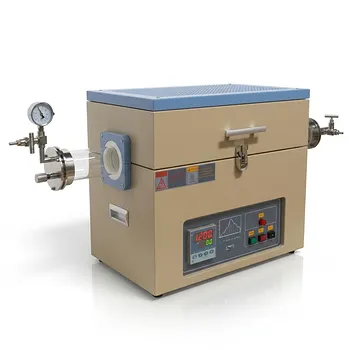
High Temperature 1200C Split Tube Furnace with Optional Quartz Tube Sizes and Vacuum Sealing Flanges for Material Science Research
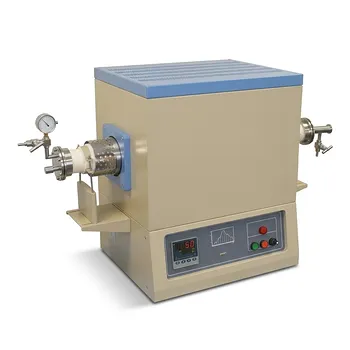
1700C High Temperature Alumina Tube Furnace with 18 Inch Heated Zone and Vacuum Sealing Flanges
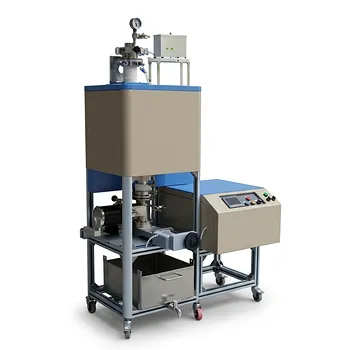
High Temperature 1700C Vertical Tube Furnace for Powder Spherification and Material Sintering
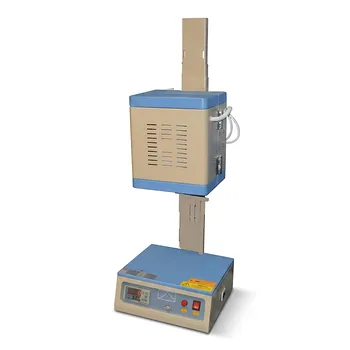
High Temperature Vertical Split Tube Furnace with PID Temperature Controller for 1 and 2 Inch Processing Tubes
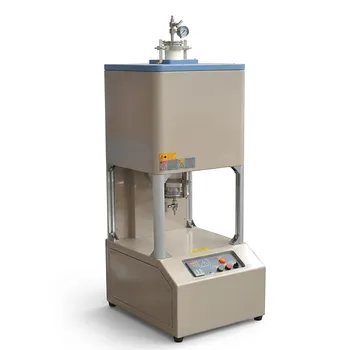
Vertical 1700C Vacuum and Atmosphere Tube Furnace with 80mm Alumina Tube
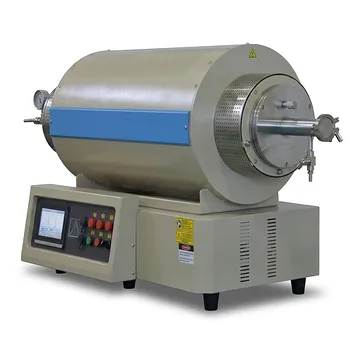
1200C Max Three Zone Tube Furnace 6 Inch OD Max with Tube and Flange