How does a high-temperature tube atmosphere furnace function in PDA carbonization? Master N-Doped Carbon Synthesis
Updated 3 months ago
The high-temperature tube atmosphere furnace acts as a controlled reactor that facilitates the chemical metamorphosis of Polydopamine (PDA) into a functional carbon material. By providing a precise thermal ramp (typically 5 °C/min) up to temperatures around 800 °C within an oxygen-free environment, the furnace induces pyrolysis. This process systematically strips away non-carbon elements while reorganizing the remaining atoms into a conductive, nitrogen-doped carbon framework.
The core function of the tube furnace is to provide a stable, inert thermal field that allows Polydopamine to undergo pyrolysis without combustion. This environment ensures the retention of nitrogen atoms within the carbon matrix, resulting in a material with enhanced electrical conductivity and catalytic activity.
The Role of Atmospheric Control
Preventing Oxidative Loss
The primary function of the "atmosphere" aspect of the furnace is to displace oxygen with high-purity inert gases like Nitrogen (N2) or Argon (Ar). Without this protective shroud, the Polydopamine precursor would simply undergo combustion and turn into ash rather than carbonizing.
Facilitating Nitrogen Integration
A nitrogen-rich atmosphere or the inherent nitrogen in the PDA precursor allows for the formation of quaternary nitrogen (N-Q) functional groups. The furnace maintains the pressure and gas flow necessary to ensure these nitrogen atoms are successfully integrated into the carbon lattice rather than being lost as volatile waste.
Preserving Structural Integrity
For materials with complex architectures, such as core-shell nanofibers, the furnace's strict atmospheric control prevents the thin PDA coatings from being burned off. This ensures that the final product retains its electromagnetic loss capabilities and structural framework.
Thermal Dynamics and Pyrolysis
The Impact of Precise Heating Rates
The furnace operates using specific heating ramps, often cited at 5 °C/min, to ensure a uniform transition from polymer to carbon. Controlled heating prevents the rapid release of volatile gases, which could otherwise rupture the material’s microscopic pore structure.
High-Temperature Carbonization Zones
While carbonization begins at lower temperatures, reaching the 800 °C to 1000 °C range is critical for deep pyrolysis. At these elevated temperatures, the furnace facilitates the conversion of organic polymer skeletons into a graphitized conductive network.
Developing Hierarchical Porosity
The stable thermal field provided by the tube furnace is essential for developing a complex pore structure. This surface area is vital for applications requiring high adsorption or rapid ion transport, as seen in advanced battery and catalyst technologies.
Understanding the Trade-offs
Temperature vs. Nitrogen Retention
There is a fundamental trade-off between the degree of carbonization and the final nitrogen content. Higher temperatures (above 900 °C) increase electrical conductivity and graphitization but often result in a lower overall percentage of nitrogen atoms as they are gradually driven out of the matrix.
Heating Rate vs. Pore Development
A very fast heating rate can increase throughput but may lead to a collapse of the internal pore structure due to rapid outgassing. Conversely, excessively slow heating rates are energy-inefficient and may lead to different, less desirable carbon allotropes.
Atmospheric Purity Risks
The success of the process is highly sensitive to the purity of the inert gas. Even trace amounts of oxygen leakage into the tube can cause oxidative etching, which reduces the yield and degrades the catalytic active sites of the nitrogen-doped carbon.
Applying This Process to Your Material Goals
How to Apply This to Your Project
To achieve the best results with a high-temperature tube furnace, you must align the furnace settings with your specific material requirements.
- If your primary focus is high electrical conductivity: Program the furnace to reach higher temperature zones (900 °C–1000 °C) to maximize the graphitization of the carbon framework.
- If your primary focus is maximum nitrogen doping: Maintain a moderate carbonization temperature (600 °C–800 °C) to prevent the excessive loss of nitrogen functional groups.
- If your primary focus is structural core-shell integrity: Use a slower heating rate (3 °C/min) and a strict Argon atmosphere to ensure the coating carbonizes without damaging the internal architecture.
By masterfully balancing temperature, atmosphere, and time, the tube furnace transforms simple polymers into high-performance Nitrogen-doped carbon materials.
Summary Table:
| Process Parameter | Role in Carbonization | Key Outcome |
|---|---|---|
| Atmosphere Control | Displaces oxygen with inert gases (N2/Ar) | Prevents combustion; preserves N-atoms |
| Thermal Ramp | Controlled heating (e.g., 5°C/min) | Prevents pore rupture; uniform transition |
| Peak Temperature | High-temp range (800°C - 1000°C) | Drives graphitization & conductive networks |
| Gas Flow | Maintains pressure & chemical environment | Facilitates N-Q functional group integration |
Unlock High-Performance Material Synthesis with THERMUNITS
Precision is critical when transforming Polydopamine into Nitrogen-doped carbon. THERMUNITS is a leading manufacturer of high-temperature laboratory equipment, providing the exact thermal stability and atmospheric control required for material science and industrial R&D.
Our comprehensive range of thermal processing solutions includes:
- Tube and Atmosphere Furnaces (Optimized for PDA Carbonization)
- Muffle, Vacuum, and Rotary Furnaces
- CVD/PECVD Systems and Hot Press Furnaces
- Vacuum Induction Melting (VIM) and Electric Rotary Kilns
Whether you are aiming for high electrical conductivity or specific hierarchical porosity, our equipment ensures repeatable, high-quality results. Contact us today to optimize your heat treatment process!
References
- Shengjie Lun, Hao Wang. FeNi decorated nitrogen-doped hollow carbon spheres as ultra-stable bifunctional oxygen electrocatalyst for rechargeable zinc–air battery with 2.7% decay after 300 hours cycling. DOI: 10.1039/d3ra08572d
Mentioned Products
- 1750°C High Temperature Benchtop Vacuum Atmosphere Tube Furnace with Kanthal Super 1800 Heating Elements and 60mm Alumina Processing Tube
- Vertical 1700C Vacuum and Atmosphere Tube Furnace with 80mm Alumina Tube
- 1200C Hybrid Muffle and Tube Furnace for Material Research with Dual Atmosphere Control Quartz Tubes
- Compact Hybrid Muffle and Tube Furnace for 1000C Controlled Atmosphere Laboratory Material Sintering
- Compact Vertical Split Quartz Tube Furnace with Stainless Steel Vacuum Flanges for Rapid Thermal Quenching and Controlled Atmosphere Material Processing
People Also Ask
- What core functions does a high-temperature vacuum tube furnace provide? Optimize np-CuSn Sintering & Joint Integrity
- What is the role of a high-temperature tube furnace in the calcination process of ZnO/In2O3 nanocomposites?
- What role does a high-temperature tube furnace play in the sulfidation heat treatment of CoS@C/MXene nanocomposites? Guide
- Why is a high-temperature tube furnace required for CuAlO2 heat treatment? Master Phase Transformation Today
- What role does a high-temperature tube furnace play in executing nitrogen absorption kinetic experiments? Expert Insights

Tech Team · ThermUnits
Last updated on Jun 02, 2026
Related Products
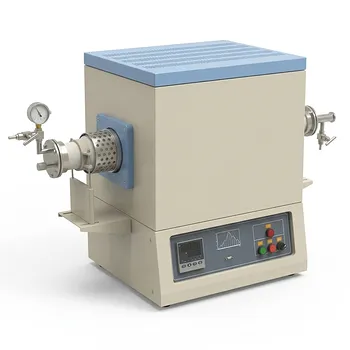
1750°C High Temperature Benchtop Vacuum Atmosphere Tube Furnace with Kanthal Super 1800 Heating Elements and 60mm Alumina Processing Tube

Vertical 1700C Vacuum and Atmosphere Tube Furnace with 80mm Alumina Tube
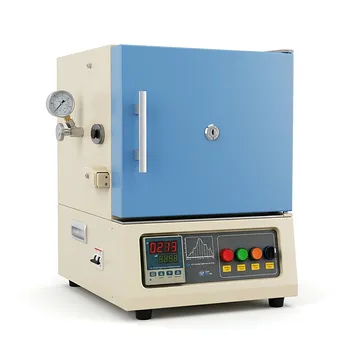
1200C Hybrid Muffle and Tube Furnace for Material Research with Dual Atmosphere Control Quartz Tubes
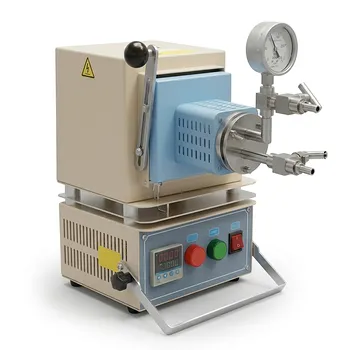
Compact Hybrid Muffle and Tube Furnace for 1000C Controlled Atmosphere Laboratory Material Sintering

Compact Vertical Split Quartz Tube Furnace with Stainless Steel Vacuum Flanges for Rapid Thermal Quenching and Controlled Atmosphere Material Processing
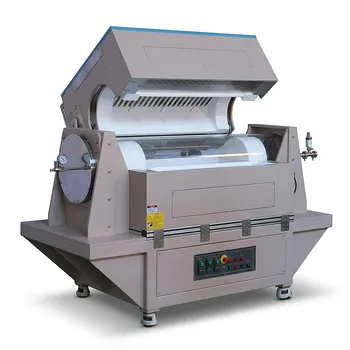
Three Zone Tube Furnace with 11 Inch or 15 Inch Quartz Tube and Hinged Flanges for Vacuum Atmosphere Heat Treatment
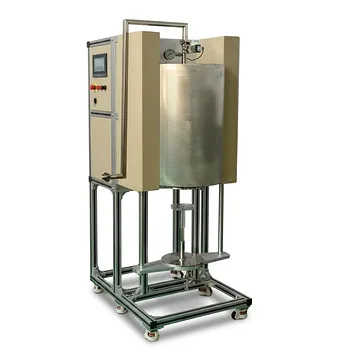
1200°C Atmosphere Controlled Automatic Bottom Loading Furnace with 6 Inch Quartz Tube
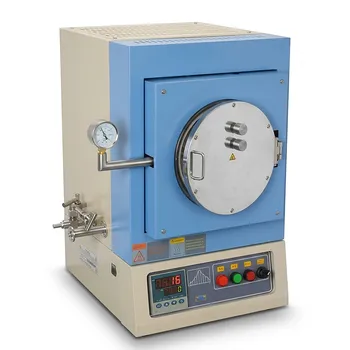
1100°C High Temperature Quartz Chamber Furnace 8 Inch OD with 7.6 Liter Capacity and Vacuum Atmosphere Capability
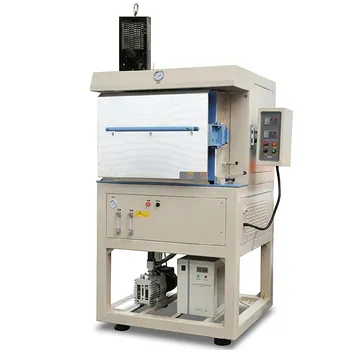
1200C Hydrogen Atmosphere Box Furnace with 5 Heated Sides and 64L Chamber
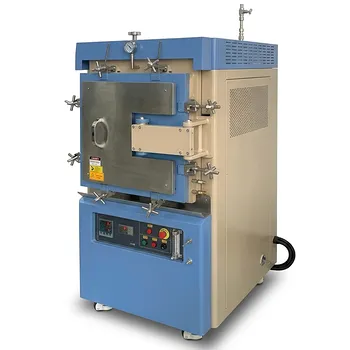
Atmosphere Controlled Muffle Furnace 1700C Maximum Temperature 80L High Capacity Vacuum Inert Gas Box Furnace
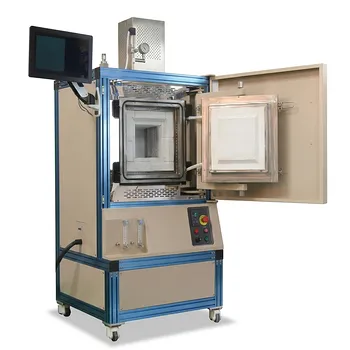
High Temperature Hydrogen Atmosphere Box Furnace 1650C Max Reducing Environment Material Synthesis System 8x8x8 Chamber

High Temperature 1700C Vertical Tube Furnace for Powder Spherification and Material Sintering

High Temperature 1700C Six Zone Split Tube Furnace with Alumina Tube and Water Cooled Flanges
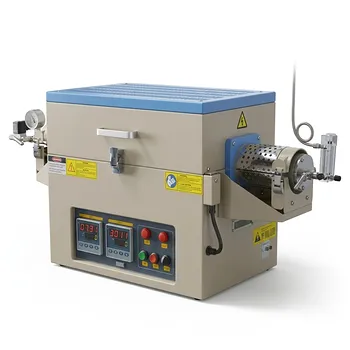
1100C Dual Zone Hydrogen Gas Tube Furnace with Quartz Tube and Integrated H2 Leak Detection System

High Temperature 1700C Tube Furnace with High Vacuum Turbomolecular Pump System and Multi Channel Mass Flow Controller Gas Mixer

1800C High Temperature Compact Vacuum Tube Furnace with 60mm OD Alumina Tube and Kanthal MoSi2 Heating Elements
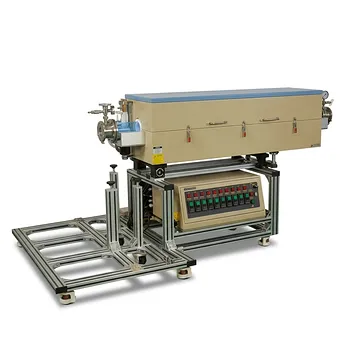
Ten Zone Multi Orientation Laboratory Tube Furnace for 1200C High Temperature Gradient Thermal Processing
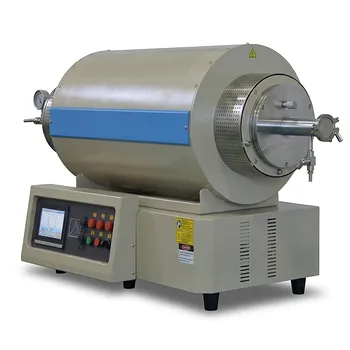
1200C Max Three Zone Tube Furnace 6 Inch OD Max with Tube and Flange

High Temperature 1700C Benchtop Tube Furnace with 5 Inch Heating Zone High Purity Alumina Tube and Vacuum Sealing Flanges
