How does a pressureless sintering furnace contribute to the consolidation phase of Al-Si-Cu-Mg composites? Key Insights
Updated 3 months ago
A pressureless sintering furnace is the critical thermal processor that converts loose aluminum-based powder compacts into a cohesive, high-performance solid. It achieves this by maintaining a precise temperature field that triggers atomic diffusion and the formation of metallurgical "necks" between particles. For Al-Si-Cu-Mg composites, the furnace manages the delicate balance of heat and atmosphere to ensure material densification while preventing the degradation of the aluminum matrix.
The core function of a pressureless sintering furnace is to enable densification and phase precipitation through pure thermal energy. It transforms a fragile "green" compact into a dense composite by facilitating solid-state diffusion and controlling the chemical environment to preserve the alloy's integrity.
The Mechanics of Solid-State Consolidation
Driving Densification Through Atomic Diffusion
The primary role of the furnace is to provide the thermal energy necessary for atoms to migrate across particle boundaries. As the temperature reaches specific setpoints—often around 620°C (893 K) for aluminum alloys—atoms move from the bulk of the particles to the contact points.
This migration creates neck connections, effectively fusing the individual powder particles into a continuous matrix. Over time, this process closes internal pores and significantly increases the relative density of the composite material without the need for external mechanical force.
Facilitating the Precipitation of Strengthening Phases
The Al-Si-Cu-Mg system relies heavily on secondary phases for its mechanical strength. The furnace's precise temperature control allows for the controlled precipitation of Al2Cu and Mg2Si phases within the aluminum matrix.
Uniform temperature distribution ensures these strengthening precipitates are distributed evenly throughout the bulk material. This uniformity is decisive in achieving consistent hardness and tensile strength across the entire part.
The Role of Environmental and Atmospheric Control
Preventing Aluminum Matrix Oxidation
Aluminum has a high affinity for oxygen, and even trace amounts can form a resistive oxide layer that inhibits diffusion. The pressureless sintering furnace mitigates this by providing a high-vacuum or inert gas (such as Nitrogen or Argon) environment.
By removing oxygen and moisture, the furnace ensures that the particle surfaces remain metallic. This allows for direct interfacial bonding between the aluminum matrix and reinforcement particles like Silicon or Silicon Carbide.
Managing Volatile Elements and Outgassing
Magnesium, a key component in these alloys, is highly volatile and begins to sublimate into a gaseous state at approximately 513.15 K. The furnace’s programmed temperature ramp is essential to manage this vapor release without altering the final chemical composition of the alloy.
Furthermore, the vacuum environment assists in the elimination of trace gases trapped during the initial pressing of the powder. Removing these gases is vital to preventing internal "blistering" and ensuring the final composite reaches its maximum theoretical density.
Understanding the Trade-offs
Pressureless vs. Pressure-Assisted Sintering
The most significant trade-off in using a pressureless furnace is the reliance on time and temperature alone to achieve density. While pressureless sintering is excellent for producing complex near-net shapes and is generally more cost-effective for high-volume production, it may struggle to eliminate all residual porosity.
In contrast, hot press sintering applies axial pressure (tens of megapascals) simultaneously with heat. This mechanical force can increase tensile strength by more than 70 percent compared to pressureless methods, but it is typically restricted to simpler geometries and involves higher equipment costs.
Dimensional Stability and Grain Growth
Because pressureless sintering requires longer "soak" times at high temperatures to achieve densification, there is a risk of grain growth. Excessive heat can lead to a coarser microstructure, which may slightly reduce the ductility of the Al-Si-Cu-Mg composite. Precise ramp programming is required to balance the need for diffusion against the desire to maintain a fine, high-strength grain structure.
How to Apply This to Your Project
Understanding the furnace's role allows you to optimize your manufacturing parameters based on your specific requirements for the Al-Si-Cu-Mg composite.
- If your primary focus is complex geometry and cost-efficiency: Utilize pressureless sintering in a vacuum environment to achieve high-quality metallurgical bonding while maintaining the shape of intricate components.
- If your primary focus is reaching near-theoretical density and maximum strength: Consider transitioning to hot press sintering, which uses mechanical force to collapse closed pores that thermal diffusion alone cannot eliminate.
- If your primary focus is chemical stability and Mg retention: Ensure your furnace supports a "step-heating" profile to manage magnesium sublimation and prevent damage to the heating elements.
By masterfully controlling the thermal and atmospheric environment, the pressureless sintering furnace ensures that the Al-Si-Cu-Mg composite transitions from a simple mixture of powders into a high-density, metallurgically bonded engineering material.
Summary Table:
| Feature | Mechanism | Impact on Al-Si-Cu-Mg Composite |
|---|---|---|
| Thermal Field | Atomic Diffusion | Facilitates "neck" formation and pore closure for densification. |
| Atmospheric Control | Vacuum/Inert Gas | Prevents matrix oxidation and ensures high-quality interfacial bonding. |
| Temp. Programming | Phase Precipitation | Controls the distribution of strengthening phases like Al2Cu and Mg2Si. |
| Pressureless Method | Thermal Sintering | Enables cost-effective production of complex near-net shape components. |
Unlock High-Performance Material Synthesis with THERMUNITS
As a global leader in high-temperature laboratory equipment for material science and industrial R&D, THERMUNITS provides the precision thermal processing technology required to master Al-Si-Cu-Mg consolidation. Our diverse range of solutions—including Vacuum, Atmosphere, Tube, Rotary, and Hot Press furnaces, as well as CVD/PECVD systems and VIM furnaces—are engineered to deliver uniform temperature distribution and superior environmental control.
Whether you are aiming for near-theoretical density or complex geometric precision, our expert team can help you select the ideal furnace for your specific research or production needs.
Ready to elevate your heat treatment results?
Contact THERMUNITS today to discuss your project!
References
- Berk Şenyurt, Nazlı Akçamlı. Al–Si–Cu–Mg Matrix Composites with Graphene: PM‐Based Production, Microstructural, and Mechanical Properties. DOI: 10.1002/adem.202400046
Mentioned Products
- Compact Spark Plasma Sintering SPS Furnace 1200 C Max 100 MPa Pressure High Speed Sintering System for Material Research
- High Vacuum Pressure Chamber Furnace 800C 3.5 Bar Sintering System for Superconducting Materials
- High Temperature Horizontal Electrical Assisted Sintering Furnace with 3KW Programmable Power Source for Advanced Ceramic Materials
- Industrial High Temperature Vacuum Hot Press Furnace and Heated Vacuum Press Machine for Material Science Sintering
- 1750C Compact Muffle Furnace 1.7L Ultra High Temperature Laboratory Sintering System for Advanced Ceramics and Material Science Research
People Also Ask
- SPS vs Hot Pressing for La2O2S: Faster Densification & Superior Grain Growth Control
- What are the equipment advantages of Spark Plasma Sintering (SPS)? Faster Densification & Superior Phase Control
- How does a modified Spark Plasma Sintering (SPS) system differ from traditional vacuum furnaces? Faster RAS Heat Cycles.
- What are the advantages of Spark Plasma Sintering (SPS) systems compared to traditional tube furnaces? | Nano-Cermets
- What are the unique advantages of a Spark Plasma Sintering (SPS) system? Achieve Rapid Densification & Fine Grain Control

Tech Team · ThermUnits
Last updated on Jun 02, 2026
Related Products
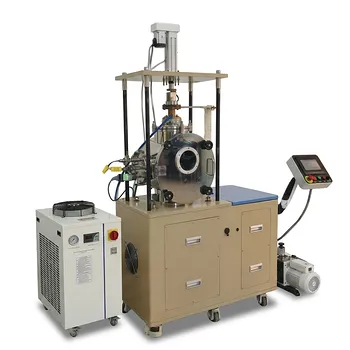
Compact Spark Plasma Sintering SPS Furnace 1200 C Max 100 MPa Pressure High Speed Sintering System for Material Research
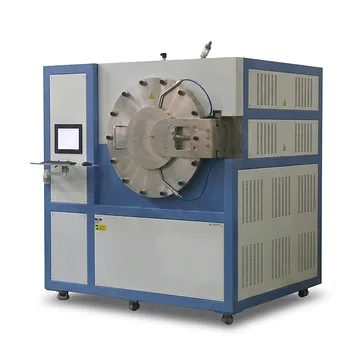
High Vacuum Pressure Chamber Furnace 800C 3.5 Bar Sintering System for Superconducting Materials
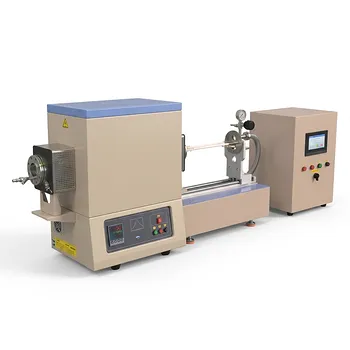
High Temperature Horizontal Electrical Assisted Sintering Furnace with 3KW Programmable Power Source for Advanced Ceramic Materials
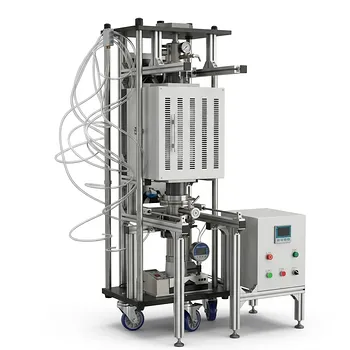
Industrial High Temperature Vacuum Hot Press Furnace and Heated Vacuum Press Machine for Material Science Sintering
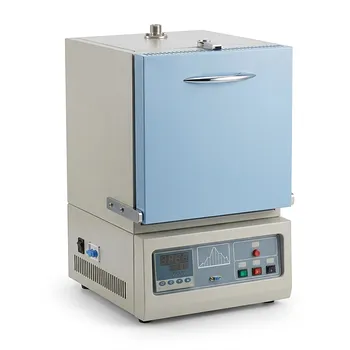
1750C Compact Muffle Furnace 1.7L Ultra High Temperature Laboratory Sintering System for Advanced Ceramics and Material Science Research
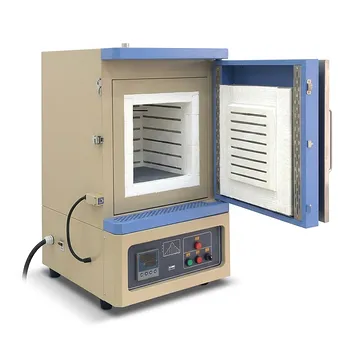
Five Side Heating Muffle Furnace High Purity Alumina Fiber 27L Chamber 1200C High Temperature Thermal Processing System for Sintering Annealing and Materials Research
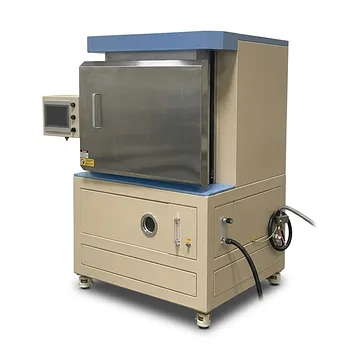
1650C High Temperature Atmosphere Controlled Box Furnace with 65L Chamber for Advanced Material Sintering and Industrial Heat Treatment
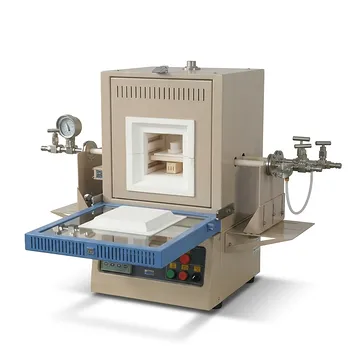
1700C Compact Hybrid Furnace with Dual Layer Box Sintering and Controlled Atmosphere Alumina Tubes
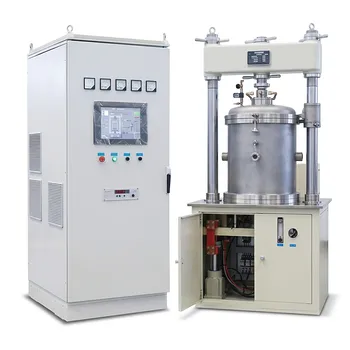
Industrial Vacuum Hot Press Furnace Machine and High Temperature Heated Vacuum Press for Advanced Material Sintering
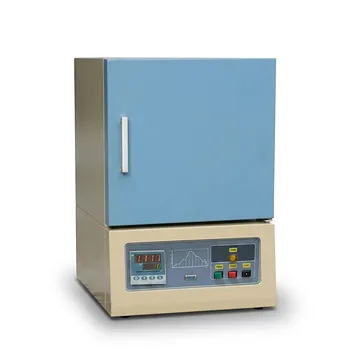
Ultra High Temperature Bench Top Muffle Furnace 1750C Sintering System with Kanthal Super Heating Elements and Precision Digital Control
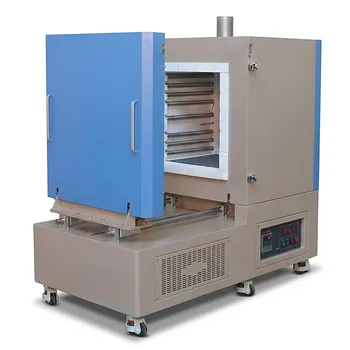
1200C Five Side Heating Muffle Furnace with Sliding Door 125L Volume High Temperature Heat Treatment System for Large Scale Sintering and Annealing
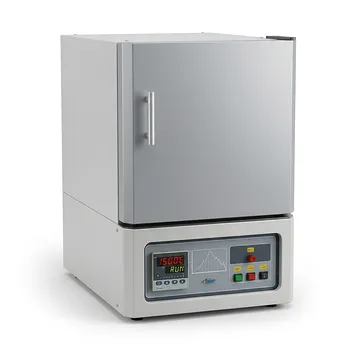
High Temperature 1500C Benchtop Muffle Furnace 3.6L Alumina Fiber Chamber Programmable Controller Sintering Annealing Carbonization Thermal Processing System
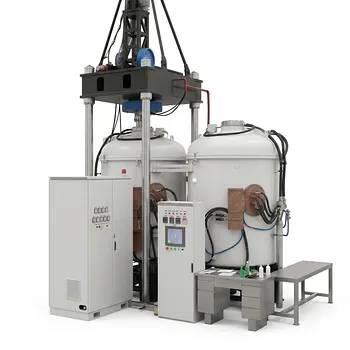
High Pressure 600T Vacuum Induction Hot Press Furnace for Advanced Material Heat Treatment and Sintering
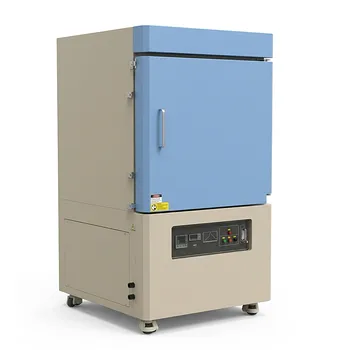
Industrial Large Box Furnace 1700C 216L High Temp Muffle Sintering System
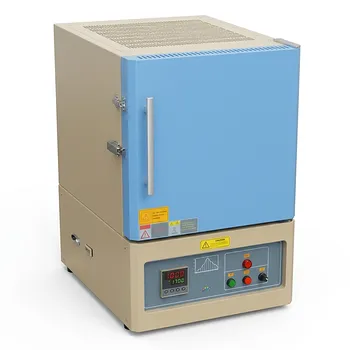
Large Bench Top 1700C High Temperature Muffle Furnace with 19L Chamber for Advanced Material Sintering and Annealing
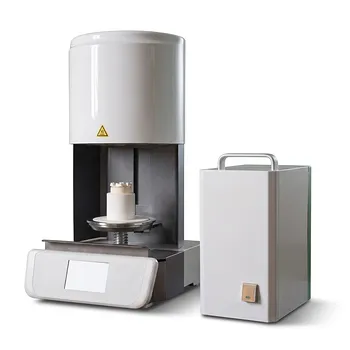
Dental Porcelain Zirconia Sintering Ceramic Furnace Chairside with Transformer
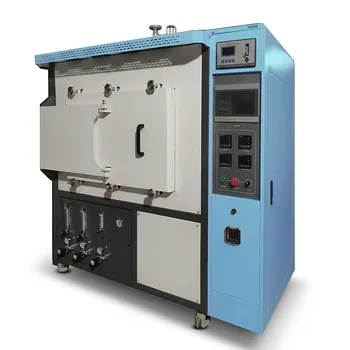
Roller Table Atmosphere Furnace 1500C High Temperature Battery Material Sintering System 112L Capacity
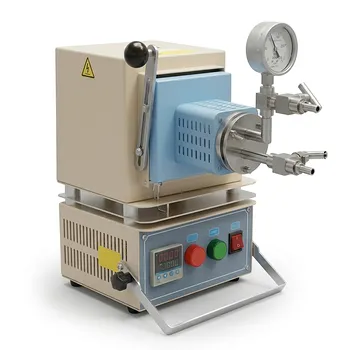
Compact Hybrid Muffle and Tube Furnace for 1000C Controlled Atmosphere Laboratory Material Sintering
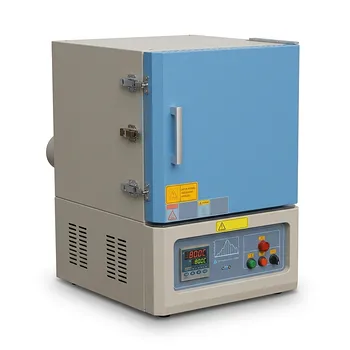
1800C Bench Top Muffle Furnace 18 Liters with Kanthal Super 1900 Heating Elements for High Purity Ceramic Sintering and Material Research