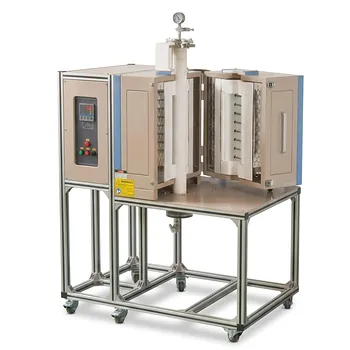
How does a tube furnace system maintain environment stability during a polypropylene pyrolysis reaction? Expert Guide
Updated 3 months ago
A tube furnace maintains environmental stability through the integration of a high-precision, closed-loop thermal control system and a continuous inert gas purging mechanism. This dual-layered approach uses K-type thermocouples to monitor temperatures typically between 300°C and 600°C while simultaneously utilizing a sealed linear flow path to maintain a nitrogen-rich, oxygen-free atmosphere. By strictly regulating these variables, the system ensures that polypropylene undergoes consistent thermochemical decomposition rather than unpredictable oxidation or combustion.
Environmental stability in a tube furnace is achieved by isolating the reaction zone from the external atmosphere and employing PID-controlled feedback loops to keep thermal fluctuations within a ±1°C margin. This synergy is essential for accurate pyrolysis kinetics and high-purity product yields.
Precision Thermal Management
The Role of Integrated Thermocouples
To maintain a stable reaction environment, the system relies on K-type thermocouples positioned near the process tube. These sensors provide real-time data to the furnace’s controller, allowing it to detect even minor deviations from the target temperature.
Closed-Loop PID Regulation
Stability is further reinforced by a PID-based controller that manages the electrical power delivered to heating elements via solid-state relays. This closed-loop system allows the furnace to execute complex thermal profiles, including specific ramp rates (such as 10°C/min) and soaking times, ensuring the polypropylene is heated uniformly.
Creating a Uniform Temperature Field
High-quality tube furnaces are designed to provide a uniform temperature field across the length of the reactor. This uniformity is critical when catalysts are mixed with the polypropylene, as it prevents localized "hot spots" that could lead to uneven reaction rates or localized material degradation.
Atmospheric Isolation and Control
Oxygen Exclusion via Nitrogen Purge
A stable environment requires the total exclusion of oxygen to facilitate anaerobic pyrolysis. The system achieves this by maintaining a continuous flow of high-purity nitrogen through a closed linear flow path, effectively purging any air from the chamber before and during the reaction.
Maintaining Pressure and Flow Rates
By regulating the gas flow—often at rates like 10 ml per minute—the system prevents air infiltration through the seals. This constant positive pressure ensures that the atmosphere remains inert, protecting the evolving pyrolysis oils and gases from secondary oxidation reactions.
Preservation of Catalyst Integrity
For catalytic pyrolysis, the tube furnace maintains environment stability to protect the active metallic states of catalysts. By regulating the reduction parameters and preventing oxygen exposure, the system avoids metal sintering and agglomeration, which would otherwise reduce the number of active sites available for the reaction.
Understanding the Trade-offs
Thermal Lag and Sensitivity
While PID controllers are highly accurate, there is an inherent thermal lag between the heating element and the sample inside the quartz tube. Rapidly changing the temperature can lead to "overshoot," where the internal environment temporarily exceeds the target, potentially altering the chemical composition of the pyrolysis products.
Gas Flow and Heat Transfer
The flow rate of the nitrogen carrier gas presents a delicate balance. High flow rates are excellent for ensuring an inert atmosphere, but they can also strip heat away from the reaction zone, leading to "cold spots" or requiring higher energy consumption to maintain the setpoint.
Seal Integrity at High Temperatures
As the furnace operates between 300°C and 600°C, the integrity of the tube seals becomes a potential point of failure. Over time, thermal cycling can stress gaskets and fittings; any breach in seal integrity will allow oxygen to enter, immediately compromising the stability of the inert environment and ruining the pyrolysis experiment.
How to Apply This to Your Project
When configuring a tube furnace for polypropylene pyrolysis, your setup should be dictated by your specific research or production goals.
- If your primary focus is kinetic modeling: Prioritize a system with a multi-zone heating profile and precise K-type thermocouples to ensure the most accurate temperature-over-time data.
- If your primary focus is high-purity oil yield: Focus on the nitrogen delivery system and ensure your furnace has a gas-tight, linear flow path to keep oxygen levels at a minimum.
- If your primary focus is catalyst performance: Ensure the furnace can support a controlled hydrogen flow for catalyst reduction and maintain a stable temperature to prevent sintering of metal particles.
By masterfully balancing thermal precision with atmospheric isolation, you can transform a standard tube furnace into a definitive reactor for high-performance pyrolysis research.
Summary Table:
| Mechanism | Function | Key Benefit |
|---|---|---|
| PID Control | Regulates power to heating elements | Maintains thermal stability within ±1°C |
| Nitrogen Purge | Excludes oxygen from the chamber | Prevents oxidation; ensures high-purity yield |
| K-type Thermocouples | Real-time temperature monitoring | Enables precise thermal profile execution |
| Linear Flow Path | Controls gas flow and pressure | Protects catalyst integrity and oil quality |
Optimize Your Pyrolysis Research with THERMUNITS
At THERMUNITS, we understand that precision is the backbone of material science. As a leading manufacturer of high-temperature laboratory equipment for industrial R&D, we offer a comprehensive range of thermal processing solutions, including Tube, Muffle, Vacuum, and Atmosphere Furnaces, CVD/PECVD systems, and Rotary Kilns.
Our equipment is engineered to provide the stable environments required for sensitive reactions like polypropylene pyrolysis and catalyst reduction. Enhance your lab's efficiency and achieve superior material yields with our advanced heat treatment technology.
Ready to upgrade your thermal processing capabilities? Contact us today to consult with our technical team!
References
- Xiaokai Meng, Tao Jin. Catalytic Pyrolysis of Polypropylene for Cable Semiconductive Buffer Layers. DOI: 10.3390/polym16101435
Mentioned Products
- Gas Pre-Heating Tube Furnace for High Temperature Pyrolysis Reactors and Material Science Research
- 1200C Dual Sliding Tube Furnace with Dual Tubes and Flanges for PECVD Processes
- 1500C Three Zone Vertical Pyrolysis Furnace for Nanoparticle Synthesis and Advanced Oxide Coating
- 1200C Sliding Tube Furnace for Rapid Thermal Processing and CVD Graphene Growth with 100mm OD Capacity
- High Temperature 1700C Vertical Tube Furnace for Powder Spherification and Material Sintering
People Also Ask
- What is the function of a preheated high-temperature tube furnace in the rapid pyrolysis synthesis of carbon nitride films?
- What is the role of a high-temperature tube furnace in coal powder pyrolysis benchmarking? Achieve Precise Baselines.
- Why is high-precision temperature control essential in a pyrolysis furnace? Master Pd NPs/NO-C Catalyst Synthesis
- How does a high-temperature tube furnace facilitate the pyrolysis of PR-ZS hybrid aerogels into carbon aerogels?
- How is a laboratory tube heating furnace applied during the evaluation of denitration catalysts? Essential Guide

Tech Team · ThermUnits
Last updated on Jun 02, 2026
Related Products
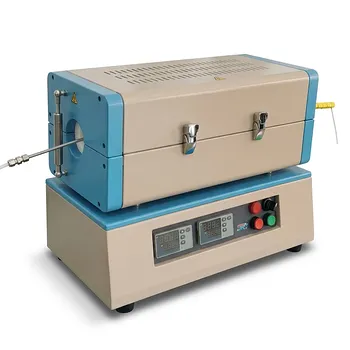
Gas Pre-Heating Tube Furnace for High Temperature Pyrolysis Reactors and Material Science Research
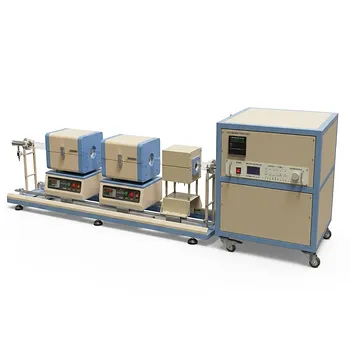
1200C Dual Sliding Tube Furnace with Dual Tubes and Flanges for PECVD Processes
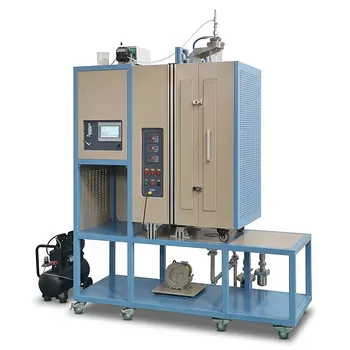
1500C Three Zone Vertical Pyrolysis Furnace for Nanoparticle Synthesis and Advanced Oxide Coating
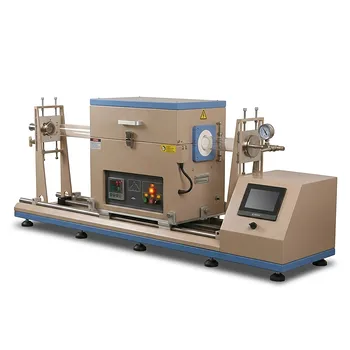
1200C Sliding Tube Furnace for Rapid Thermal Processing and CVD Graphene Growth with 100mm OD Capacity

High Temperature 1700C Vertical Tube Furnace for Powder Spherification and Material Sintering
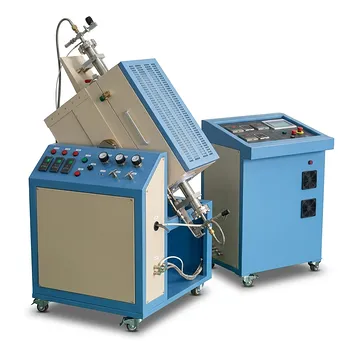
1100C High Pressure Rocking Tube Furnace with 2 Inch Super Alloy Processing Tube for Material Synthesis
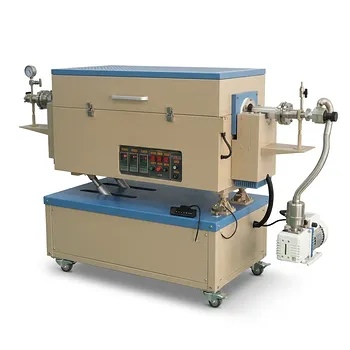
Three Zone Rotary Tube Furnace for High Temperature Powder Processing and Material Research
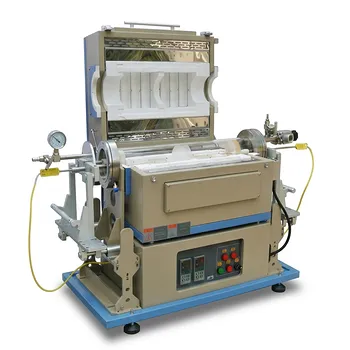
Two Zone IR Heating Rapid Thermal Processing RTP Tube Furnace with 4 Inch ID Quartz Tube and Sliding Sample Holders
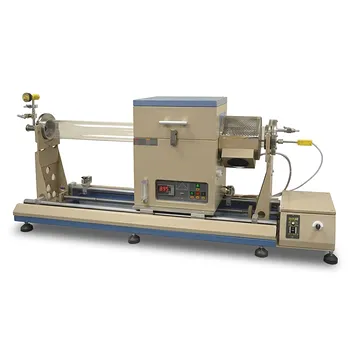
900 ºC Max Sliding RTP Tube Furnace with Rapid IR Heating and 4 Inch OD Quartz Tube

Compact High Temperature 1600C Tube Furnace with 50mm Alumina Tube and Vacuum Flanges for Material Sintering
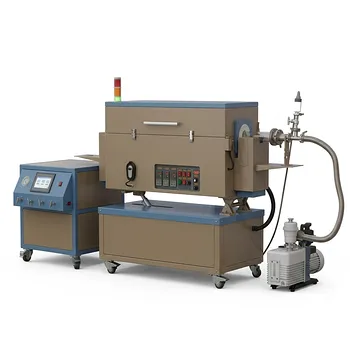
5 Inch Three Zone Rotary Tube Furnace with Integrated Gas Delivery System and 1200C Capability for Advanced Material CVD Processing

High Temperature Tube Furnace 1500C with Sliding Flanges and 50mm OD for Rapid Thermal Processing Fast Heating and Cooling
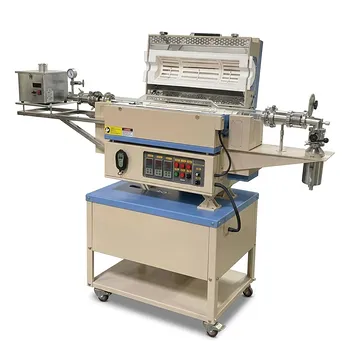
5 Inch Rotary Tube Furnace with Automatic Feeding and Receiving System 1200C Three Zone CVD Powder Processing

High Temperature Automated 5 Inch Tube Furnace for Autonomous Material Research and Advanced Laboratory R&D
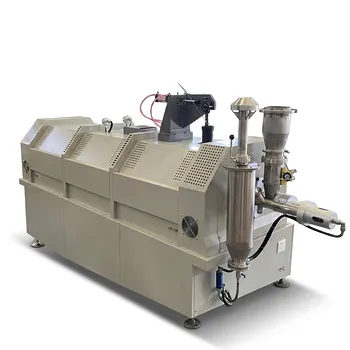
Electric Rotary Kiln Continuous Working Small Rotary Furnace Heating Pyrolysis Plant

1200C High Throughput Multi Channel Tube Furnace with 50mm Quartz Tubes for Annealing and Material Phase Diagram Research
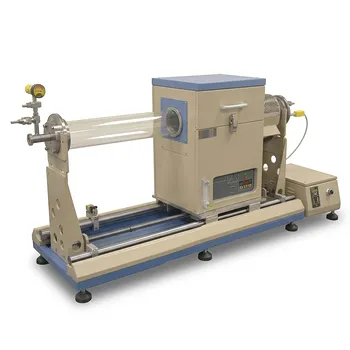
Rapid Thermal Processing Sliding Tube Furnace with 4 Inch OD Quartz Tube and 900C IR Heating
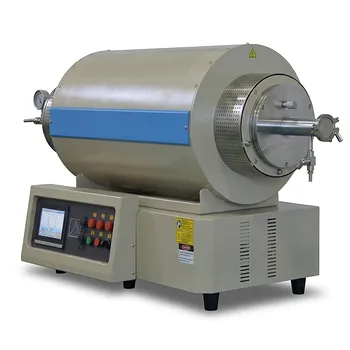
1200C Max Three Zone Tube Furnace 6 Inch OD Max with Tube and Flange
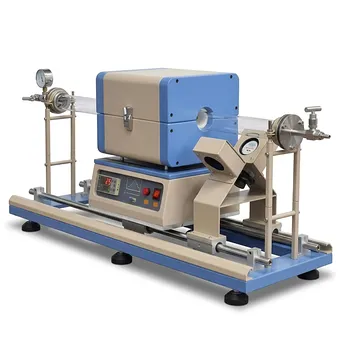
Automated Sliding Tube Furnace for Fast Heating and Cooling 2 Inch OD 1100C Max