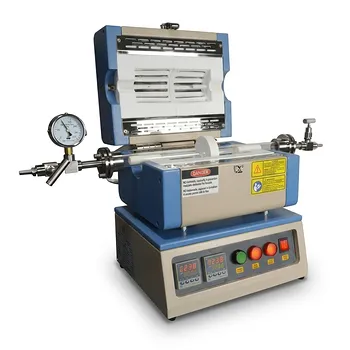
What are the advantages of using an atmosphere tube furnace with 5% H2/N2 for reduction stability? Optimize Research
Updated 3 months ago
Utilizing an atmosphere tube furnace with a 5% H₂/N₂ mixture provides a controlled, highly reproducible environment for evaluating how materials withstand chemical reduction. This setup enables researchers to simulate extreme operational conditions, such as those found in solid oxide fuel cell (SOFC) anodes, while maintaining precise control over temperature and gas purity. By isolating the sample from ambient oxygen, the furnace ensures that observed changes in structural stability and oxidation states are strictly a result of the programmed thermal and chemical parameters.
The core advantage of this methodology lies in its ability to decouple thermal effects from chemical reactions through superior airtightness and thermal precision. This allows for the systematic reduction of metal oxides into active nanoparticles while preventing the detrimental over-sintering that occurs in less controlled environments.
The Precision of Atmospheric Control
Maintaining Chemical Integrity via Airtightness
The primary benefit of a tube furnace is its superior sealing performance, which is critical when working with reducing gases. By utilizing materials like quartz tubes, the system prevents interference from ambient oxygen, ensuring the reduction reaction is thorough and uncontaminated.
Simulating Harsh Operational Environments
This setup serves as a vital platform for testing materials like LaNbO₄-based compounds by mimicking the reducing conditions of industrial processes. It allows for the quantitative analysis of compositional consistency and structural stability under stress, providing a definitive look at how a material will perform in a real-world reactor or fuel cell.
Thermal Stability and Particle Morphology
Preventing Particle Over-Sintering
High-precision temperature control is essential for maintaining the high dispersion of metallic components. By keeping the temperature constant during the reduction of precursors (such as Platinum or Nickel), the furnace prevents active metal particles from merging, which would otherwise reduce the catalyst's effectiveness.
Facilitating Uniform Nanoparticle Formation
A stable thermal field ensures that the conversion of metal precursors into active metallic clusters occurs uniformly across the support material. This is particularly important for enhancing electrocatalytic synergistic effects, where sub-nanometer clusters provide the necessary surface area for high-performance reactions.
The Strategic Choice of 5% H₂/N₂
Optimizing Safety and Stability
Using a 5% H₂/N₂ mixture (often referred to as forming gas) provides a reducing environment that is significantly safer than pure hydrogen. This concentration is typically below the flammability limit, allowing for safe handling in a laboratory setting while still providing sufficient reducing potential for most metal oxides.
Buffering with Inert Nitrogen
The nitrogen component acts as an inert carrier, ensuring a consistent flow rate and pressure within the tube. This buffering effect helps maintain a stable gas flow environment, which is necessary for the repeatable reduction of species like Nickel Oxide (NiO) into catalytically active metallic Nickel.
Understanding the Trade-offs
Limitations of Diluted Reducing Power
While 5% H₂ is safer, it may lack the kinetic drive required for the reduction of highly stable oxides that would otherwise reduce quickly in 100% H₂. Researchers must often compensate by using longer dwell times or higher temperatures, which can inadvertently lead to material fatigue.
Gas Flow Dynamics and Mass Transfer
In a tube furnace, the gas-to-solid contact is dependent on the flow rate and how the sample is packed. If the flow is too low, the local concentration of water vapor (a byproduct of reduction) can rise, potentially inhibiting the reaction or causing localized oxidation despite the overall reducing atmosphere.
How to Apply This to Your Project
To maximize the utility of an atmosphere tube furnace for reduction stability studies, align your parameters with your specific material goals.
- If your primary focus is Catalyst Activation: Prioritize precise temperature ramps between 700-800 °C to ensure NiO reduces to metallic Ni without causing particle agglomeration.
- If your primary focus is Structural Longevity: Focus on the airtightness of the seals and use a continuous flow of the 5% H₂/N₂ mixture to ensure long-term stability tests are not skewed by oxygen leaks.
- If your primary focus is Sub-nanometer Synthesis: Utilize a quartz tube for its high-purity environment and maintain a strict circulating flow to ensure the uniform formation of sub-nanometer metallic clusters.
By masterfully balancing gas composition and thermal precision, you can transform a standard reduction protocol into a rigorous, high-fidelity simulation of industrial material behavior.
Summary Table:
| Key Feature | Advantage for Reduction Studies | Industrial Impact |
|---|---|---|
| 5% H₂/N₂ Gas Mixture | Non-flammable, safe laboratory handling | Consistent, repeatable reduction environments |
| Superior Airtightness | Prevents oxygen contamination & oxidation | Ensures high-purity material transformations |
| Precise Thermal Control | Prevents nanoparticle over-sintering | Maintains high surface area for catalysts |
| Quartz Tube Design | High-purity, inert material processing | Optimal for sub-nanometer cluster synthesis |
Elevate Your Material Research with THERMUNITS Precision
Achieving high-fidelity results in reduction stability studies requires more than just heat—it requires total atmospheric control. THERMUNITS is a leading manufacturer specializing in high-temperature laboratory equipment for material science and industrial R&D.
We provide advanced Atmosphere Tube Furnaces, Vacuum Furnaces, and CVD/PECVD systems specifically engineered to handle complex gas mixtures like 5% H₂/N₂ with superior airtightness and thermal uniformity. Whether you are working on SOFC anodes, dental ceramics, or advanced metallurgy with our Vacuum Induction Melting (VIM) or Hot Press furnaces, our solutions prevent over-sintering and ensure consistent nanoparticle dispersion.
Ready to enhance your lab's efficiency and experimental accuracy?
Contact THERMUNITS Today to Discuss Your Project
References
- Kehan Huang, Stephen J. Skinner. Exploring the stability and protonic conductivity in W- and Mo-substituted LaNbO<sub>4</sub> under a reducing atmosphere. DOI: 10.1039/d4ta05501b
Mentioned Products
- 1200C Hydrogen Atmosphere Box Furnace with 5 Heated Sides and 64L Chamber
- High Temperature Hydrogen Atmosphere Box Furnace 1650C Max Reducing Environment Material Synthesis System 8x8x8 Chamber
- 1500C Compact Hydrogen Gas Tube Furnace with 2 Inch Alumina Tube and Hydrogen Detector
- Three Zone Hydrogen Gas Tube Furnace with 82mm Superalloy Tube and Dual Hydrogen Detectors 1200C High Temperature Material Processing System
- 1100C Dual Zone Hydrogen Gas Tube Furnace with Quartz Tube and Integrated H2 Leak Detection System
People Also Ask
- How does a box atmosphere furnace contribute to the pre-oxidation of MS-SOECs? Enhance Durability & Efficiency.
- How does a programmable Box Furnace facilitate the curing of silver inks? Expert Thermal Control for Silicon Substrates
- How does a box furnace facilitate the conversion of precursors in catalyst impregnation processes? Master Calcination
- What is the role of a high-temperature box furnace in the solid-state synthesis of Europium-doped M3MgSi2O8 phosphors?
- How are electric heating elements designed to operate within carburizing atmospheres? Top Design Strategies Revealed

Tech Team · ThermUnits
Last updated on Jun 03, 2026
Related Products
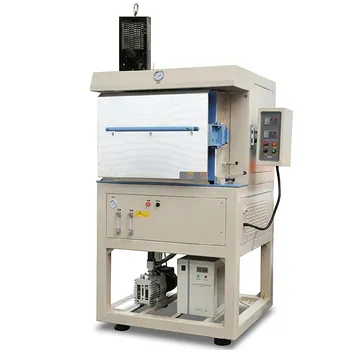
1200C Hydrogen Atmosphere Box Furnace with 5 Heated Sides and 64L Chamber
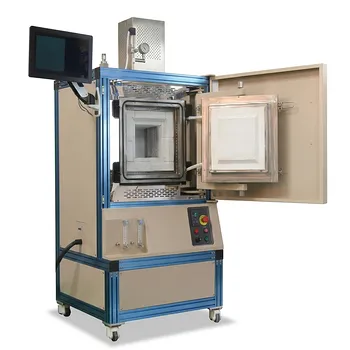
High Temperature Hydrogen Atmosphere Box Furnace 1650C Max Reducing Environment Material Synthesis System 8x8x8 Chamber
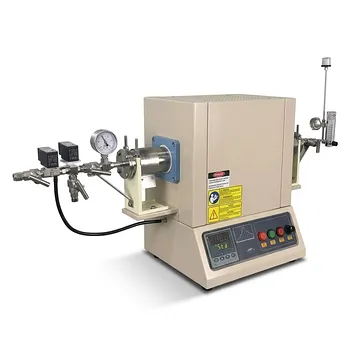
1500C Compact Hydrogen Gas Tube Furnace with 2 Inch Alumina Tube and Hydrogen Detector
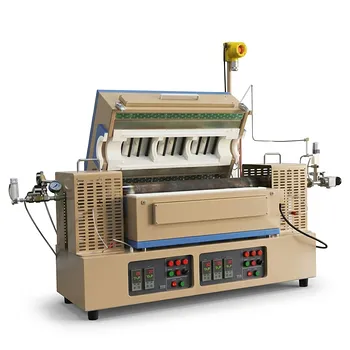
Three Zone Hydrogen Gas Tube Furnace with 82mm Superalloy Tube and Dual Hydrogen Detectors 1200C High Temperature Material Processing System
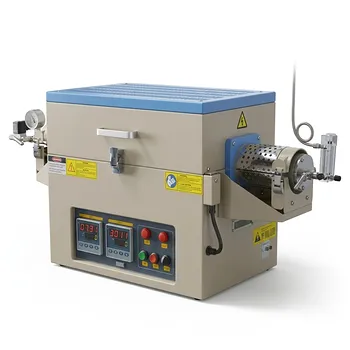
1100C Dual Zone Hydrogen Gas Tube Furnace with Quartz Tube and Integrated H2 Leak Detection System

1700C Hydrogen Gas Tube Furnace with 60mm Alumina Process Tube and Integrated Hydrogen Safety Detector

Vertical 1700C Vacuum and Atmosphere Tube Furnace with 80mm Alumina Tube
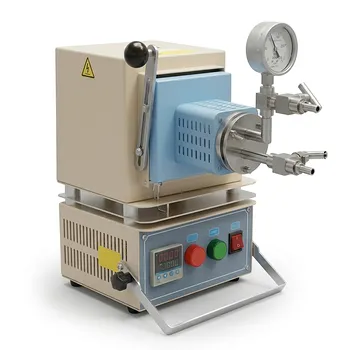
Compact Hybrid Muffle and Tube Furnace for 1000C Controlled Atmosphere Laboratory Material Sintering
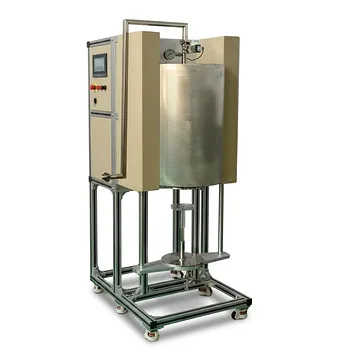
1200°C Atmosphere Controlled Automatic Bottom Loading Furnace with 6 Inch Quartz Tube
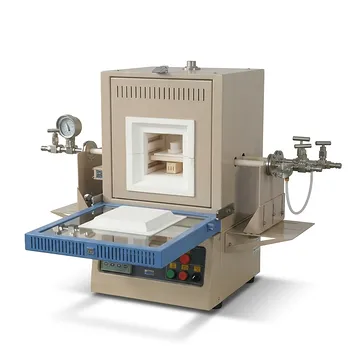
1700C Compact Hybrid Furnace with Dual Layer Box Sintering and Controlled Atmosphere Alumina Tubes

High Temperature Automated 5 Inch Tube Furnace for Autonomous Material Research and Advanced Laboratory R&D
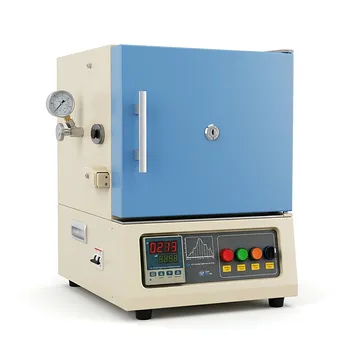
1200C Hybrid Muffle and Tube Furnace for Material Research with Dual Atmosphere Control Quartz Tubes
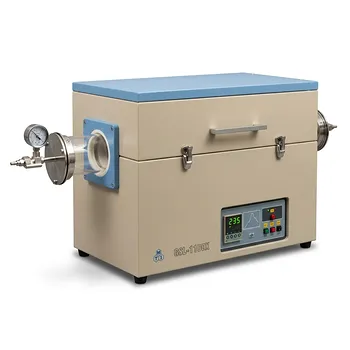
Single Zone Tube Furnace 5 Inch Quartz Tube 36 Inch Heating Zone Vacuum Flanges
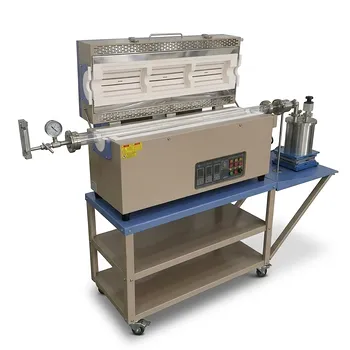
5 Inch Two Zone Rotary Tube Furnace 1100C for Powder CVD and Material Synthesis
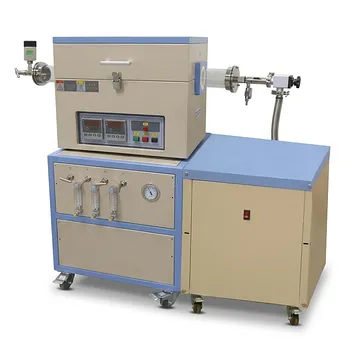
Dual Zone Quartz Tube Furnace with 80mm Diameter 1200C Max Temperature 3 Channel Gas Mixer and Vacuum Pump System

1200°C 5 Inch Vertical Quartz Tube Furnace with Stainless Steel Vacuum Flanges
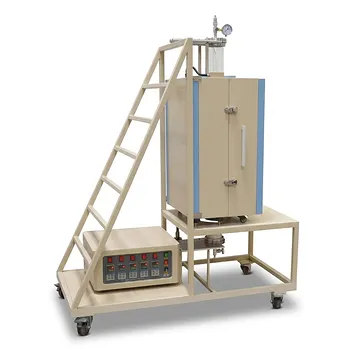
Five Zone Split Vertical Tube Furnace 1200C Max with 4 Inch Quartz Tube and Stainless Steel Vacuum Flanges
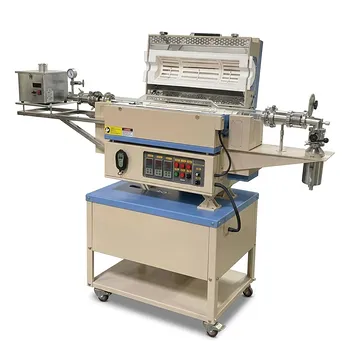
5 Inch Rotary Tube Furnace with Automatic Feeding and Receiving System 1200C Three Zone CVD Powder Processing
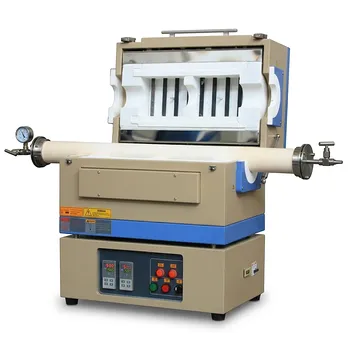
1500C Two Zone Split Tube Furnace with Vacuum Flange and 80mm Alumina Tube