What is the function of a high-temperature atmosphere furnace in corn stover biomass carbon prep? Precision Pyrolysis
Updated 3 months ago
The high-temperature atmosphere furnace provides a controlled, oxygen-free environment essential for the thermal decomposition (pyrolysis) of corn stover. By isolating the biomass from oxygen using inert gases like nitrogen or argon, the furnace prevents combustion and instead facilitates the conversion of organic matter into a carbon-rich precursor. This process is the primary mechanism for establishing the material's pore structure, graphitization degree, and electrical conductivity.
Core Takeaway: The high-temperature atmosphere furnace is the critical tool for transforming raw corn stover into functional biomass carbon by precisely controlling the chemical reactions and structural evolution that dictate the material's final performance.
Creating an Oxygen-Free Pyrolysis Environment
Prevention of Oxidative Loss
The furnace maintains a strictly oxygen-free atmosphere, typically using a continuous flow of high-purity nitrogen ($N_2$). This environment ensures that the corn stover undergoes pyrolysis—thermal decomposition without burning—preserving the carbon skeleton rather than reducing it to ash.
Removal of Volatile Components
As the furnace heats the corn residue (often to temperatures below 700°C for initial charring), it facilitates the removal of volatile impurities. This step increases the relative elemental carbon content and begins the formation of a preliminary microporous structure.
Driving Structural and Chemical Evolution
Dehydrogenation and Deoxygenation
High temperatures trigger specific chemical reactions, including dehydrogenation, deoxygenation, and polycondensation. These reactions break down the complex organic molecules in corn stover, reorganizing them into a hard carbon material with a disordered, layered structure.
Pore Structure Development
The furnace provides the uniform thermal field necessary to develop a complex network of pores. By precisely controlling the heating curve, researchers can manipulate the density of micropores and mesopores, which are vital for increasing specific surface area and charge storage capacity.
Tailoring Performance Through Temperature Control
Influencing Graphitization and Conductivity
The carbonization temperature is the primary variable determining the graphitization degree of the biomass carbon. Higher temperatures (reaching up to 1600°C in some tube furnaces) promote the reorganization of carbon atoms into a more ordered, graphite-like structure, which directly enhances electrical conductivity.
Optimizing Dielectric Loss for Wave Absorption
For electromagnetic applications, the furnace is used to tune the dielectric loss capacity of the carbon substrate. Precise temperature regulation allows for the balance between amorphous structures and crystalline graphene layers, optimizing the material’s ability to absorb and dissipate electromagnetic waves.
Facilitating Activation and Functionalization
Chemical Etching and Secondary Treatment
The furnace is often used for a second stage of heating where biomass carbon is mixed with activators like potassium hydroxide (KOH). At temperatures around 900°C, the activator etches the carbon framework, releasing gases that create a more extensive pore network.
Nitrogen Doping and Surface Modification
By switching the atmosphere from inert argon to ammonia ($NH_3$), the furnace enables the nitrogen-functionalized doping of the carbon matrix. This modification improves chemical stability and conductivity, transforming the corn stover-based carbon into a high-performance component for fuel cells or supercapacitors.
Understanding the Trade-offs
Temperature vs. Surface Area
While higher temperatures increase conductivity and graphitization, they can also lead to the collapse of delicate pore structures. Over-heating may reduce the specific surface area, potentially hindering performance in applications like energy storage where high surface area is a priority.
Energy Consumption and Processing Time
Achieving and maintaining high temperatures (above 1000°C) requires significant energy input and specialized equipment like tube furnaces. Furthermore, slow heating rates are often necessary to ensure structural integrity, which increases the production timeline for the carbon material.
How to Apply This to Your Project
When preparing corn stover-based biomass carbon, your furnace settings should align with your material's intended application:
- If your primary focus is Electromagnetic Wave Absorption: Prioritize temperatures that optimize the balance between graphitization and amorphous structure to maximize dielectric loss capacity.
- If your primary focus is Energy Storage (Supercapacitors): Use a secondary heat treatment with chemical activators (like KOH) at approximately 900°C to maximize the specific surface area and pore volume.
- If your primary focus is Electrical Conductivity: Utilize high-temperature treatments (up to 1500°C) in an inert atmosphere to drive deep dehydrogenation and high degrees of graphitization.
- If your primary focus is Chemical Stability in Fuel Cells: Employ an ammonia atmosphere at high temperatures to achieve nitrogen doping, enhancing the material's catalytic properties.
By viewing the atmosphere furnace as a precision instrument rather than a simple heater, you can effectively engineer the microscopic architecture of corn stover carbon to meet specific technical requirements.
Summary Table:
| Furnace Function | Key Mechanism | Resulting Benefit |
|---|---|---|
| Oxygen-Free Environment | Prevents combustion via inert gas (N2/Ar) | Maximizes carbon yield; avoids ash formation |
| Precision Pyrolysis | Controlled thermal decomposition | Removal of volatiles; establishment of pore structure |
| Structural Evolution | High-temperature graphitization | Enhanced electrical conductivity & dielectric loss |
| Surface Functionalization | Atmosphere-controlled doping (e.g., NH3) | Improved catalytic stability & chemical performance |
Elevate your research with THERMUNITS, a leading manufacturer of high-temperature laboratory equipment for material science and industrial R&D. Our precision Atmosphere, Tube, and Vacuum furnaces are specifically designed to master the complexities of biomass carbon preparation, from controlled pyrolysis to high-degree graphitization. Explore our comprehensive thermal solutions, including CVD/PECVD systems, Rotary kilns, and Hot Press furnaces, to achieve superior material performance. Contact our experts today to find the ideal heat treatment solution for your lab!
References
- Tao Shang, Xuebing Zhao. A Novel Low-Density-Biomass-Carbon Composite Coated with Carpet-like and Dandelion-Shaped Rare-Earth-Doped Cobalt Ferrite for Enhanced Microwave Absorption. DOI: 10.3390/molecules29112620
Mentioned Products
- 1650C High Temperature Atmosphere Controlled Box Furnace with 65L Chamber for Advanced Material Sintering and Industrial Heat Treatment
- High Temperature Vertical Atmosphere Controlled Furnace with Automatic Bottom Loading and 1700°C Capacity for Advanced Material Research
- High Temperature Oxygen and Inert Atmosphere Controlled Furnace 8 Liter 1700C Sintering System for Advanced Materials RD
- 1750°C High Temperature Benchtop Vacuum Atmosphere Tube Furnace with Kanthal Super 1800 Heating Elements and 60mm Alumina Processing Tube
- High Temperature Hydrogen Atmosphere Box Furnace 1650C Max Reducing Environment Material Synthesis System 8x8x8 Chamber
People Also Ask
- What role does atmosphere control play in technical ceramics and glass? Master Material Purity and Precision
- What role does a high-temperature atmosphere furnace play in the direct electrochemical reduction of CO2? - Key Insights
- What is the role of a high-temperature box furnace in the solid-state synthesis of Europium-doped M3MgSi2O8 phosphors?
- What is the role of a high-temperature box furnace in Na3MnZr(PO4)3 synthesis? Engineering High-Performance NASICON.
- What is the role of a high-temperature atmosphere furnace in Co/Co0.85Se@NC synthesis? Optimize Catalyst Performance

Tech Team · ThermUnits
Last updated on Jun 02, 2026
Related Products
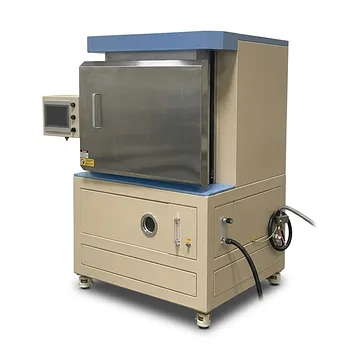
1650C High Temperature Atmosphere Controlled Box Furnace with 65L Chamber for Advanced Material Sintering and Industrial Heat Treatment
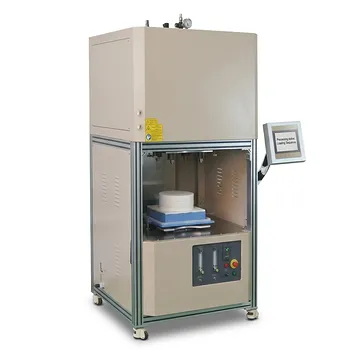
High Temperature Vertical Atmosphere Controlled Furnace with Automatic Bottom Loading and 1700°C Capacity for Advanced Material Research
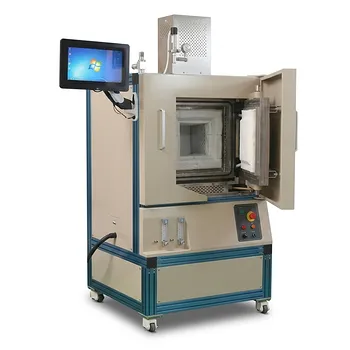
High Temperature Oxygen and Inert Atmosphere Controlled Furnace 8 Liter 1700C Sintering System for Advanced Materials RD
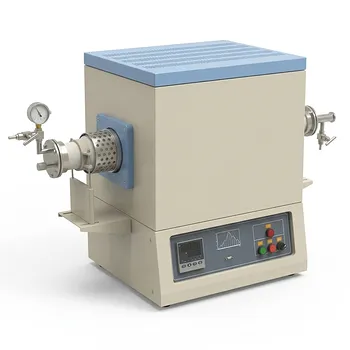
1750°C High Temperature Benchtop Vacuum Atmosphere Tube Furnace with Kanthal Super 1800 Heating Elements and 60mm Alumina Processing Tube
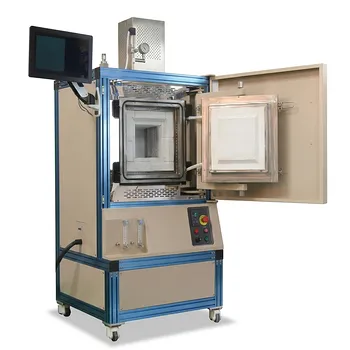
High Temperature Hydrogen Atmosphere Box Furnace 1650C Max Reducing Environment Material Synthesis System 8x8x8 Chamber
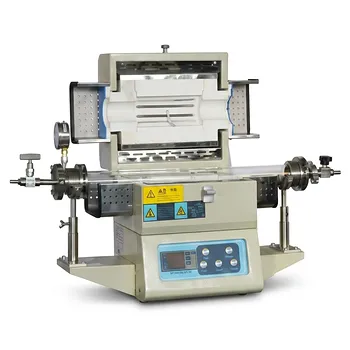
High Temperature 1200C Split Tube Furnace for CVD Research and Vacuum Atmosphere Heat Treatment
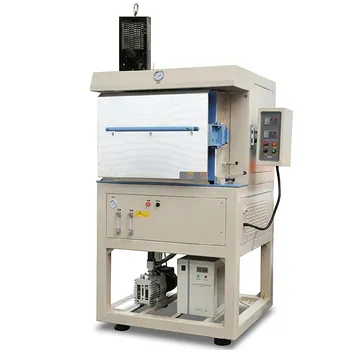
1200C Hydrogen Atmosphere Box Furnace with 5 Heated Sides and 64L Chamber
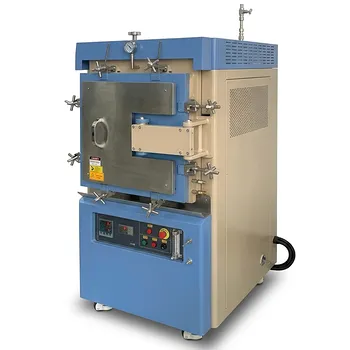
Atmosphere Controlled Muffle Furnace 1700C Maximum Temperature 80L High Capacity Vacuum Inert Gas Box Furnace
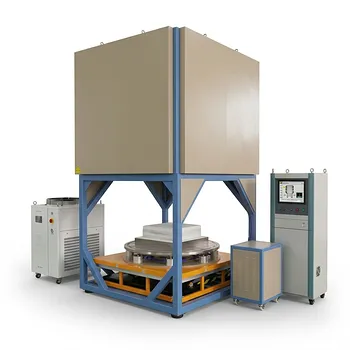
Bottom Loaded Inert Gas Atmosphere Box Furnace 1700C 1300C 216L Large Capacity Industrial Thermal Processing System
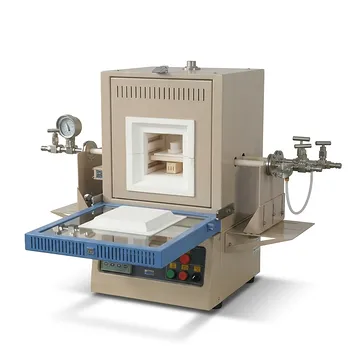
1700C Compact Hybrid Furnace with Dual Layer Box Sintering and Controlled Atmosphere Alumina Tubes
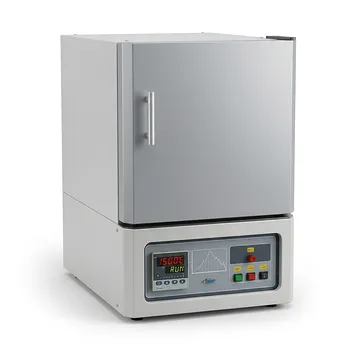
High Temperature 1500C Benchtop Muffle Furnace 3.6L Alumina Fiber Chamber Programmable Controller Sintering Annealing Carbonization Thermal Processing System

Vertical 1700C Vacuum and Atmosphere Tube Furnace with 80mm Alumina Tube
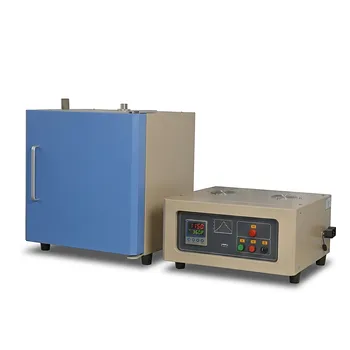
High Temperature Muffle Furnace with Alloy Chamber for Debinding and Sintering Applications

High Temperature 1700C Tube Furnace with High Vacuum Turbomolecular Pump System and Multi Channel Mass Flow Controller Gas Mixer
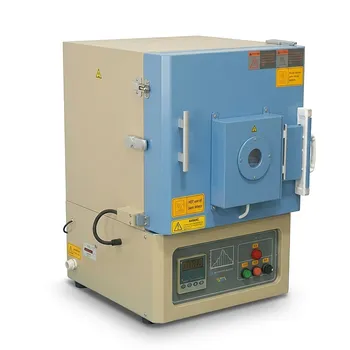
High Temperature Benchtop Muffle Furnace 1500C with 3.6L Chamber and Quartz Observation Window
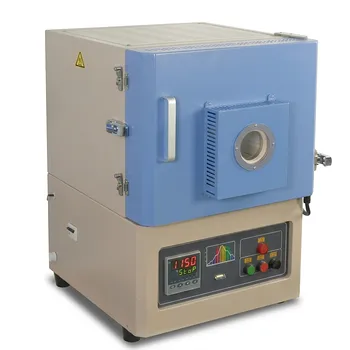
High Temperature Benchtop Muffle Furnace with Quartz Observation Window for Thermal Imaging and Material Analysis
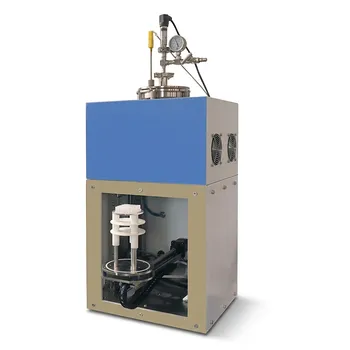
Rapid Thermal Processing RTP Atmosphere Controlled Bottom Loading Furnace 1100C High Throughput 50C per Second Heating Rate

High Temperature 1700C Benchtop Tube Furnace with 5 Inch Heating Zone High Purity Alumina Tube and Vacuum Sealing Flanges
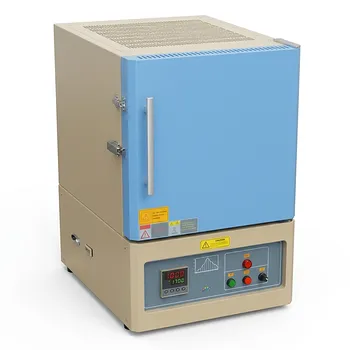
Large Bench Top 1700C High Temperature Muffle Furnace with 19L Chamber for Advanced Material Sintering and Annealing
