How does a high-temperature atmosphere furnace facilitate the effective nitrogen doping of N-rGONR? Expert Insights
Updated 3 months ago
High-temperature atmosphere furnaces are the critical catalyst for N-rGONR synthesis. They provide the exact thermal and chemical conditions—specifically 900°C under an inert gas like argon—to drive the substitution of oxygen atoms with nitrogen. This process simultaneously reduces the graphene oxide and incorporates nitrogen atoms, transforming a non-conductive precursor into a catalytically active, nitrogen-doped semiconductor.
The high-temperature atmosphere furnace enables precise nitrogen doping by creating a controlled thermodynamic environment where thermal energy decomposes nitrogen precursors and drives a redox reaction. This process replaces oxygen functional groups with nitrogen atoms while maintaining the structural integrity of the graphene lattice.
The Thermodynamic Role of High-Temperature Control
Driving the Thermal Decomposition of Urea
The furnace acts as a reactor that triggers the decomposition of nitrogen-rich precursors, such as urea, which is mixed with the graphene oxide nanoribbons (GONR). At temperatures reaching 900°C, urea breaks down into reactive nitrogen-containing species that are essential for the doping process. Without this high thermal energy, the nitrogen atoms would remain locked in their molecular precursor form and could not integrate into the carbon framework.
Facilitating the Surface Redox Reaction
The core mechanism of doping is a redox reaction between the released nitrogen species and the oxygen-containing functional groups on the graphene surface. The furnace provides the sustained heat necessary to break the stable carbon-oxygen bonds, allowing nitrogen atoms to effectively replace oxygen atoms. This atomic substitution is what creates the "doped" chemical structure required for enhanced catalytic activity.
Repairing the Graphene Lattice
While doping introduces nitrogen, the high-temperature environment also assists in repairing the graphene lattice. Annealing at these temperatures helps remove excess oxygen and facilitates the integration of nitrogen into specific configurations, such as pyridinic or pyrrolic structures. These specific nitrogen placements are highly valued for their electronic properties and chemical stability.
Atmosphere Control and Structural Integrity
Maintaining an Oxygen-Free Environment
A critical function of the atmosphere furnace is providing a strict argon or nitrogen protective environment. By purging the chamber of oxygen, the furnace prevents the carbon nanoribbons from combusting at high temperatures. This oxygen-free environment ensures that the thermal energy is used solely for the reduction and nitridation reactions rather than the destruction of the material.
Regulating Interlayer Spacing and Defects
The controlled "thermal shock" or rapid heating within the furnace causes oxygen groups to decompose and release gases, creating internal pressure. This pressure expands the interlayer spacing of the nanoribbons, which is vital for increasing the surface area and accessibility of the material. Furthermore, the furnace environment allows for the regulation of micropore defects, which serve as active sites for further chemical reactions or energy storage.
Ensuring Uniform Gas Flow and Temperature Fields
Advanced atmosphere furnaces maintain a uniform temperature field and consistent gas flow throughout the heating zone. This uniformity is essential for achieving high-purity, high-crystallinity structures across the entire batch of N-rGONR. Consistent conditions prevent the local agglomeration of nanostructures, ensuring the final material remains nanoscopic and highly functional.
Understanding the Trade-offs
Temperature Sensitivity and Structural Damage
While 900°C is often optimal, exceeding specific temperature thresholds can lead to excessive lattice defects or the complete breakdown of the nanoribbon structure. High heat can also cause agglomeration, where individual nanoribbons fuse together, significantly reducing the effective surface area and catalytic potential of the material.
Complexities of Gas Composition
The choice of atmosphere (e.g., Argon vs. Nitrogen vs. Ammonia) presents a trade-off between doping efficiency and safety. Using ammonia (NH3) can provide a more aggressive nitrogen source for in-situ substitution but requires more stringent safety protocols and furnace sealing due to its toxicity and corrosiveness.
Balancing Reduction and Doping Levels
There is an inherent tension between achieving a high degree of reduction (removing oxygen) and a high level of nitrogen doping. Intense thermal treatment may remove oxygen so quickly that the nitrogen atoms do not have sufficient time to bond to the vacant carbon sites, resulting in a low-nitrogen-content material despite high conductivity.
How to Apply This to Your Project
When utilizing a high-temperature atmosphere furnace for nitrogen doping, your settings should be dictated by your specific material goals.
- If your primary focus is maximum catalytic activity: Aim for a precise 900°C environment with urea as a precursor to maximize the formation of active pyridinic and pyrrolic nitrogen sites.
- If your primary focus is high electrical conductivity: Prioritize the removal of oxygen through a stable argon atmosphere and longer annealing times to repair the carbon lattice.
- If your primary focus is increased surface area: Utilize a rapid thermal ramp-up to induce the decomposition of oxygen groups, which expands the interlayer spacing through internal gas pressure.
- If your primary focus is structural purity: Ensure the furnace has superior sealing and a consistent gas flow rate to prevent contamination and ensure uniform doping across the sample.
The high-temperature atmosphere furnace is not merely a heater, but a sophisticated chemical reactor that defines the final electronic and structural identity of N-rGONR.
Summary Table:
| Parameter | Role in N-rGONR Synthesis | Impact on Material |
|---|---|---|
| Temperature (900°C) | Drives urea decomposition & redox reactions | Enables N-atom substitution for O-atoms |
| Inert Atmosphere (Argon) | Prevents combustion & oxidative degradation | Maintains structural integrity & purity |
| Thermal Energy | Repairs the carbon lattice structure | Enhances conductivity & catalytic stability |
| Controlled Heating Ramp | Induces internal gas pressure | Expands interlayer spacing & surface area |
| Uniform Gas Flow | Ensures consistent nitrogen precursor delivery | Achieves high-crystallinity & uniform doping |
Elevate Your Material Research with THERMUNITS Precision
Are you looking to achieve high-purity nitrogen doping or advanced thermal processing? THERMUNITS is a leading manufacturer of high-temperature laboratory equipment specifically designed for the rigorous demands of material science and industrial R&D.
We provide the precise atmospheric control and temperature uniformity necessary for synthesizing cutting-edge materials like N-rGONR. Our comprehensive range of solutions includes:
- Advanced Furnaces: Atmosphere, Vacuum, Muffle, Tube, Rotary, and Hot Press Furnaces.
- Specialized Systems: CVD/PECVD systems, Dental Furnaces, and Vacuum Induction Melting (VIM) furnaces.
- Components: Electric rotary kilns and high-quality Thermal Elements.
Whether you are scaling up a pilot process or conducting fundamental research, our equipment ensures repeatable, high-quality results. Contact THERMUNITS today to discuss your heat treatment requirements and discover how our thermal solutions can accelerate your next breakthrough!
References
- Wencheng Liu, Yan Lü. Nitrogen‐Doped Graphene Oxide Nanoribbon Supported Cobalt Oxide Nanoparticles as High‐Performance Bifunctional Catalysts for Zinc–Air Battery. DOI: 10.1002/aesr.202400001
Mentioned Products
- 1650C High Temperature Atmosphere Controlled Box Furnace with 65L Chamber for Advanced Material Sintering and Industrial Heat Treatment
- High Temperature Vertical Atmosphere Controlled Furnace with Automatic Bottom Loading and 1700°C Capacity for Advanced Material Research
- High Temperature Oxygen and Inert Atmosphere Controlled Furnace 8 Liter 1700C Sintering System for Advanced Materials RD
- 1750°C High Temperature Benchtop Vacuum Atmosphere Tube Furnace with Kanthal Super 1800 Heating Elements and 60mm Alumina Processing Tube
- High Temperature Hydrogen Atmosphere Box Furnace 1650C Max Reducing Environment Material Synthesis System 8x8x8 Chamber
People Also Ask
- What role does atmosphere control play in technical ceramics and glass? Master Material Purity and Precision
- What role does a high-temperature atmosphere furnace play in the direct electrochemical reduction of CO2? - Key Insights
- What is the role of a high-temperature box furnace in the solid-state synthesis of Europium-doped M3MgSi2O8 phosphors?
- What is the role of a high-temperature box furnace in Na3MnZr(PO4)3 synthesis? Engineering High-Performance NASICON.
- What physical conditions does a high-temperature atmosphere furnace provide for MXene exfoliation? Process Guide

Tech Team · ThermUnits
Last updated on Jun 03, 2026
Related Products
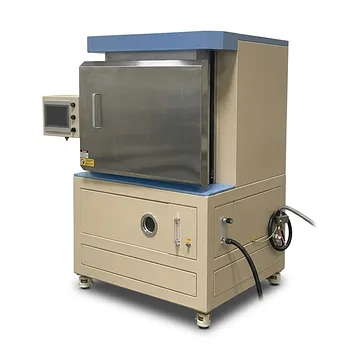
1650C High Temperature Atmosphere Controlled Box Furnace with 65L Chamber for Advanced Material Sintering and Industrial Heat Treatment
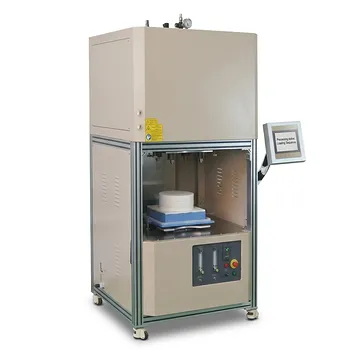
High Temperature Vertical Atmosphere Controlled Furnace with Automatic Bottom Loading and 1700°C Capacity for Advanced Material Research
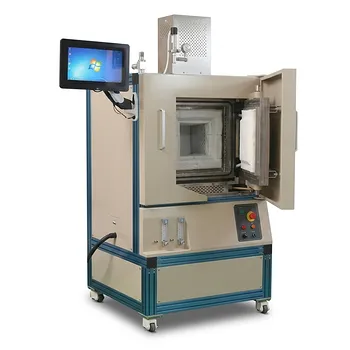
High Temperature Oxygen and Inert Atmosphere Controlled Furnace 8 Liter 1700C Sintering System for Advanced Materials RD

1750°C High Temperature Benchtop Vacuum Atmosphere Tube Furnace with Kanthal Super 1800 Heating Elements and 60mm Alumina Processing Tube
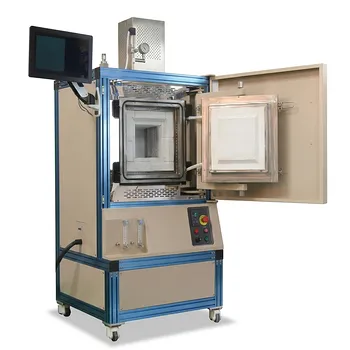
High Temperature Hydrogen Atmosphere Box Furnace 1650C Max Reducing Environment Material Synthesis System 8x8x8 Chamber
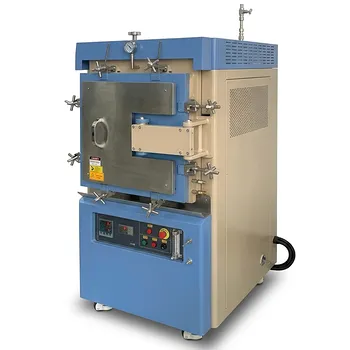
Atmosphere Controlled Muffle Furnace 1700C Maximum Temperature 80L High Capacity Vacuum Inert Gas Box Furnace
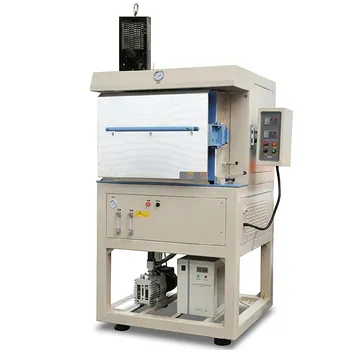
1200C Hydrogen Atmosphere Box Furnace with 5 Heated Sides and 64L Chamber
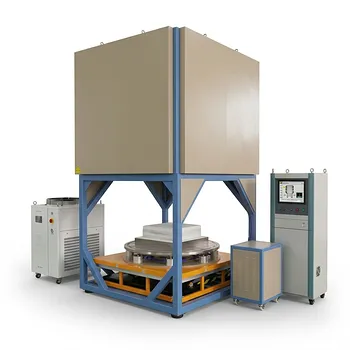
Bottom Loaded Inert Gas Atmosphere Box Furnace 1700C 1300C 216L Large Capacity Industrial Thermal Processing System
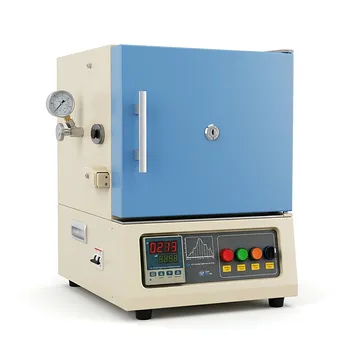
1200C Hybrid Muffle and Tube Furnace for Material Research with Dual Atmosphere Control Quartz Tubes
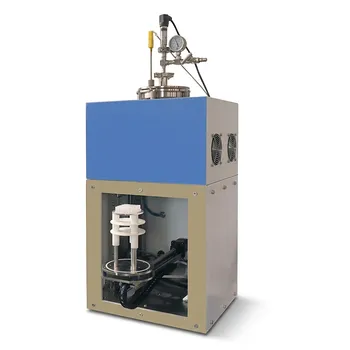
Rapid Thermal Processing RTP Atmosphere Controlled Bottom Loading Furnace 1100C High Throughput 50C per Second Heating Rate

Vertical 1700C Vacuum and Atmosphere Tube Furnace with 80mm Alumina Tube
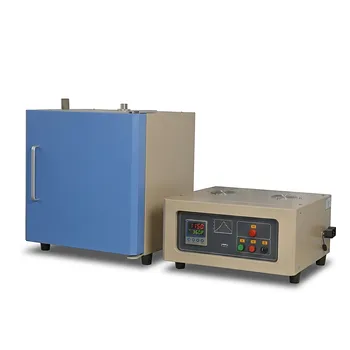
High Temperature Muffle Furnace with Alloy Chamber for Debinding and Sintering Applications
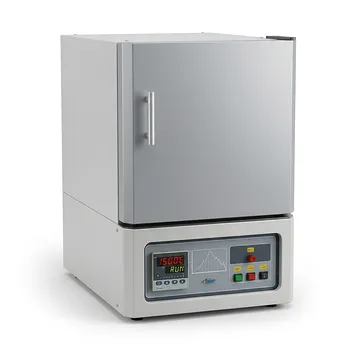
High Temperature 1500C Benchtop Muffle Furnace 3.6L Alumina Fiber Chamber Programmable Controller Sintering Annealing Carbonization Thermal Processing System
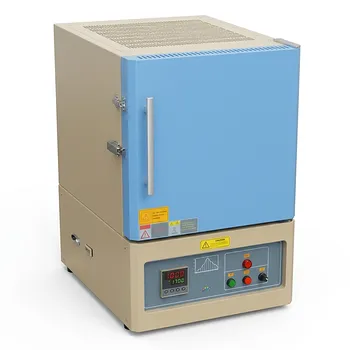
Large Bench Top 1700C High Temperature Muffle Furnace with 19L Chamber for Advanced Material Sintering and Annealing
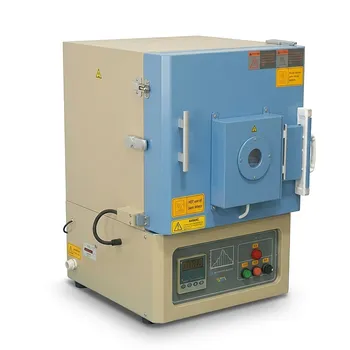
High Temperature Benchtop Muffle Furnace 1500C with 3.6L Chamber and Quartz Observation Window

High Temperature 1700C Tube Furnace with High Vacuum Turbomolecular Pump System and Multi Channel Mass Flow Controller Gas Mixer
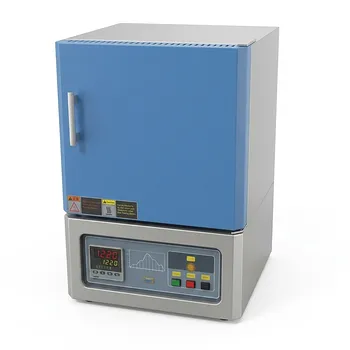
High Temperature Benchtop Muffle Furnace 1700C 10L Chamber Alumina Fiber Insulation MoSi2 Heating Elements
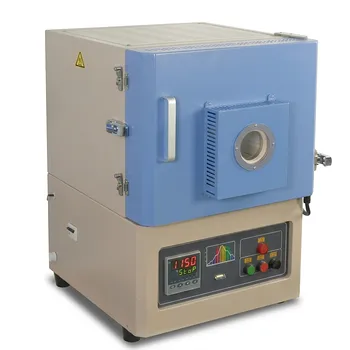
High Temperature Benchtop Muffle Furnace with Quartz Observation Window for Thermal Imaging and Material Analysis
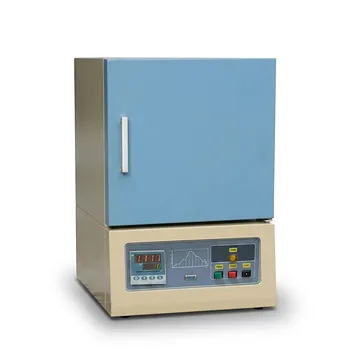
Ultra High Temperature Bench Top Muffle Furnace 1750C Sintering System with Kanthal Super Heating Elements and Precision Digital Control
