What are the advantages of using high-purity alumina crucibles? Ensure Data Integrity and Purity in High-Temp R&D.
Updated 5 months ago
High-purity alumina crucibles provide the necessary chemical isolation and structural stability to ensure experimental data is not corrupted by the container itself. In high-temperature reduction-carbonation experiments, these crucibles act as an inert barrier that resists reaction with complex gases and reactive oxygen carriers. This ensures that any observed changes in mass or chemical composition are strictly attributable to the sample material.
Core Takeaway: High-purity alumina crucibles are essential for high-temperature research because they eliminate "background noise" in data. Their chemical inertness and thermal resilience prevent contamination and structural failure, ensuring that analytical results like thermogravimetric signals remain pure and accurate.
Ensuring Chemical Purity and Data Integrity
Resistance to Corrosive Reactants and Slags
High-purity alumina ($Al_2O_3$) is exceptionally inert, making it resistant to erosion from molten oxides and aggressive slags. In experiments involving iron-calcium based oxygen carriers or iron-rich pellets, the crucible prevents the sample from reacting with its container even at temperatures exceeding 1350°C.
Prevention of Elemental Migration
One of the greatest risks in high-temperature synthesis is the infiltration of impurities from the crucible into the specimen. Alumina provides a stable diffusion interface, ensuring that metallic impurities do not degrade the active sites of catalysts or interfere with the phase analysis of complex minerals like Silico-Ferrite of Calcium and Aluminum (SFCA).
Compatibility with Harsh Alkaline Environments
Unlike lower-grade materials, high-purity alumina can withstand contact with strongly alkaline substances like potassium hydroxide (KOH) during activation processes. This prevents secondary contamination of the resulting materials, which is critical for maintaining the accuracy of specific surface area (BET) testing.
Thermal and Mechanical Resilience
Stability at Extreme Temperatures
High-purity alumina maintains its mechanical strength at temperatures as high as 1700 K. This structural integrity is vital for reduction-carbonation cycles where the material must support the weight of the sample without softening or deforming under heat.
Superior Thermal Shock Resistance
These crucibles are designed to survive multiple heating and cooling cycles without cracking. This durability allows researchers to conduct repeated thermal treatments safely, ensuring the crucible remains a reliable vessel throughout the entire duration of the experiment.
Non-Adhesive Properties for Material Recovery
During the pyrolysis of organic materials like lignin, complex gas-phase products are formed that can cause samples to stick to inferior containers. Alumina’s surface properties prevent adhesion, allowing for the complete recovery of biochar or other reaction products once the experiment is finished.
Precision in Analytical Measurement
Minimizing Background Mass Changes
In Thermogravimetric Analysis (TGA), the "mass signal" must be exclusively from the sample. High-purity alumina produces no significant background weight changes in reactive gas environments near 1000 °C, ensuring that measured data accurately reflects the sample's chemical behavior.
Guaranteeing Mineralogical Accuracy
Because the crucible does not react with the sample, the purity of the mineral phase is preserved. This is essential for researchers studying the distribution of alloying elements or the reduction behavior of iron ore, where even minor container interference could lead to incorrect conclusions.
Understanding the Trade-offs
Brittleness and Handling Requirements
While alumina is thermally stable, it is inherently brittle and sensitive to mechanical impact. Dropping a crucible or applying uneven mechanical pressure can lead to immediate fracture, requiring careful handling protocols in the lab.
Vulnerability to Specific Fluxing Agents
Although highly inert, alumina can still be attacked by certain strong fluxing agents or extremely acidic fluorides at high temperatures. Researchers must verify that their specific chemical cocktail does not include rare reagents that specifically target the aluminum oxide matrix.
Cost vs. Performance
High-purity alumina (typically >99%) is significantly more expensive than standard ceramic or lower-grade alumina crucibles. Using it for low-temperature or non-reactive experiments may be an unnecessary expenditure if the high-performance characteristics are not required for the specific study.
Making the Right Choice for Your Goal
If your primary focus is precise thermogravimetric data: Use high-purity alumina to eliminate background weight fluctuations and ensure every milligram of change is attributed to your sample.
If your primary focus is synthesizing high-purity catalysts or carbons: Rely on alumina’s chemical inertness to prevent metallic impurities from migrating into your product and poisoning active sites.
If your primary focus is high-temperature mineralogy (1100°C - 1350°C): Choose alumina boats or crucibles to resist penetration by molten metals and prevent reactions that would alter the phase composition of your sample.
High-purity alumina crucibles are the definitive choice for researchers who require absolute certainty that their container is a silent observer rather than a participant in the reaction.
Summary Table:
| Key Advantage | Performance Capability | Experimental Value |
|---|---|---|
| Chemical Inertness | Resists corrosive slags and molten oxides | Prevents sample contamination and elemental migration |
| Thermal Stability | Maintains strength up to 1700 K | Ensures structural integrity during reduction cycles |
| Analytical Precision | Minimal background mass changes | Guarantees accurate thermogravimetric (TGA) signals |
| Surface Properties | Non-adhesive and erosion-resistant | Allows for complete material recovery (e.g., biochar) |
| Thermal Resilience | High shock resistance | Withstands multiple heating/cooling cycles without cracking |
Elevate Your Material Research with THERMUNITS
Precision in high-temperature experiments starts with the right equipment. THERMUNITS is a leading manufacturer of professional laboratory heat treatment solutions tailored for material science and industrial R&D. Whether you are conducting reduction-carbonation studies or complex mineral synthesis, our advanced thermal systems provide the stability and control you need.
Our comprehensive product range includes:
- Furnaces: Muffle, Vacuum, Atmosphere, Tube, Rotary, and Hot Press Furnaces.
- Advanced Systems: CVD/PECVD systems and Vacuum Induction Melting (VIM) Furnaces.
- Specialized Equipment: Dental Furnaces, Electric Rotary Kilns, and high-quality Thermal Elements.
Don't let equipment limitations compromise your experimental data. Contact our technical experts today to find the perfect thermal processing solution for your lab.
References
- Made Santihayu Sukma, Stuart A. Scott. Dicalcium ferrite: A chemical heat pump in integrated carbon capture and chemical looping combustion for the steel industry. DOI: 10.1016/j.cej.2024.150658
Mentioned Products
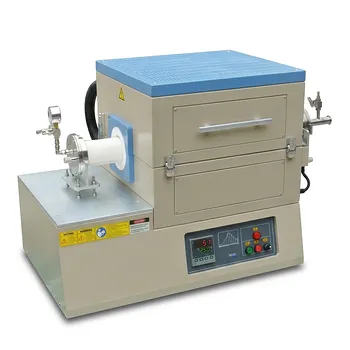
- High Temperature 1700C Benchtop Tube Furnace with 5 Inch Heating Zone High Purity Alumina Tube and Vacuum Sealing Flanges
- 600°C Vertical Crucible Furnace with SS316 Alloy Reactor and 6 Port Vacuum Flange
- 1100C High Temperature Vacuum Crucible Furnace with Quartz Chamber for Thermal Processing and Sintering
- High Temperature Vertical Crucible Furnace with 22L Heating Chamber and 1200C Maximum Temperature
- Vertical Crucible Furnace 1000C High Temperature Laboratory Equipment 4.7 Inch Diameter Chamber SS316 Anti Corrosive Enclosure
People Also Ask
- How are high-temperature tube furnaces utilized to repair etching damage? Precision Lattice Restoration Solutions
- What is the function of a high-temperature tube furnace in the synthesis of g-C3N4? Optimize Thermal Polycondensation
- What impact does the heating rate of a tube furnace have on biochar microstructure? Optimize Your Material R&D.
- What is the role of a high-temperature tube furnace in the calcination process of ZnO/In2O3 nanocomposites?
- Conditions for nZVI Synthesis in Tube Furnaces? Learn to Optimize Thermal and Atmospheric Control for High Purity.

Tech Team · ThermUnits
Last updated on Apr 14, 2026
Related Products

High Temperature 1700C Benchtop Tube Furnace with 5 Inch Heating Zone High Purity Alumina Tube and Vacuum Sealing Flanges
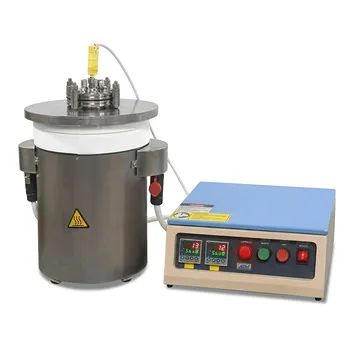
600°C Vertical Crucible Furnace with SS316 Alloy Reactor and 6 Port Vacuum Flange
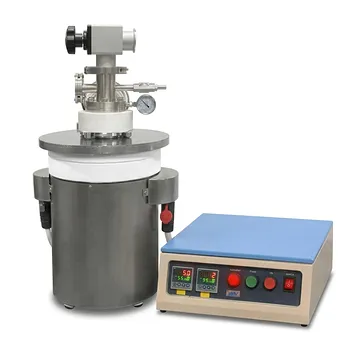
1100C High Temperature Vacuum Crucible Furnace with Quartz Chamber for Thermal Processing and Sintering
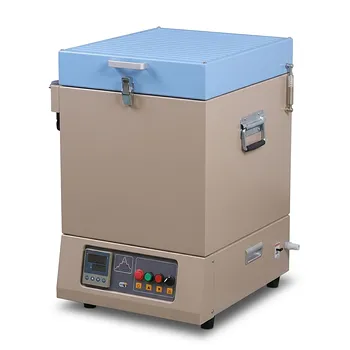
High Temperature Vertical Crucible Furnace with 22L Heating Chamber and 1200C Maximum Temperature
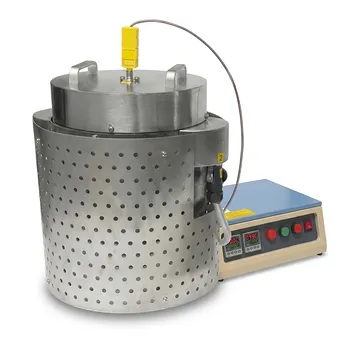
Vertical Crucible Furnace 1000C High Temperature Laboratory Equipment 4.7 Inch Diameter Chamber SS316 Anti Corrosive Enclosure
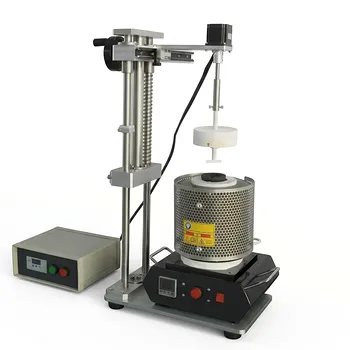
1100C Crucible Melting Furnace with Stirring Function for Glovebox and Air Sensitive Alloy Research
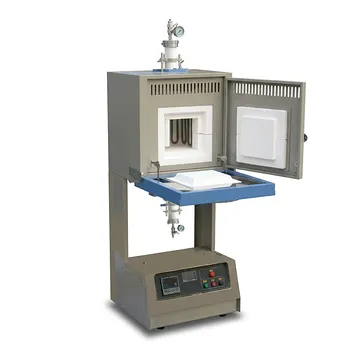
Vertical Hybrid High Temperature Furnace 1500C Alumina Tube SOFC Fuel Cell Testing Laboratory Heat Treatment Research Equipment
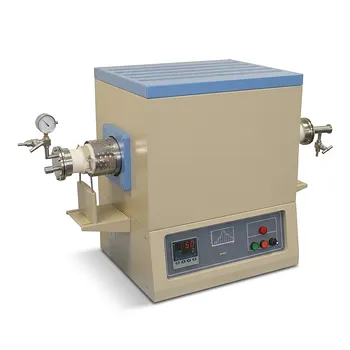
1700C High Temperature Alumina Tube Furnace with 18 Inch Heated Zone and Vacuum Sealing Flanges
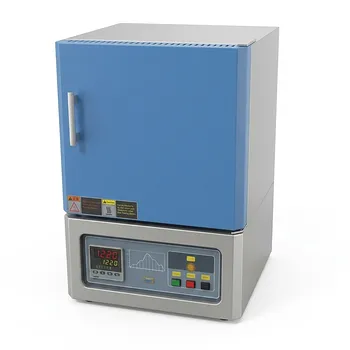
High Temperature Benchtop Muffle Furnace 1700C 10L Chamber Alumina Fiber Insulation MoSi2 Heating Elements
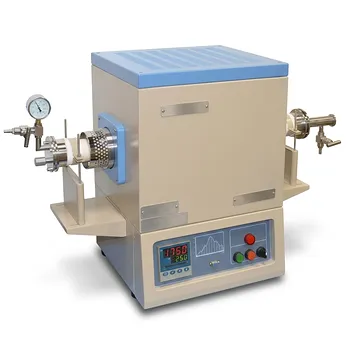
High Temperature Compact Vacuum Tube Furnace 1750C Max 60mm OD Alumina Tube
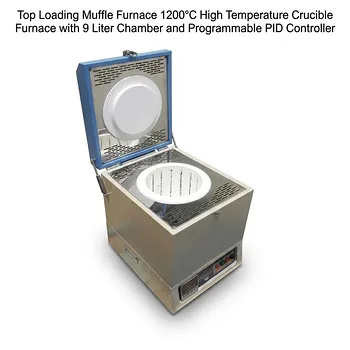
Top Loading Muffle Furnace 1200°C High Temperature Crucible Furnace with 9 Liter Chamber and Programmable PID Controller
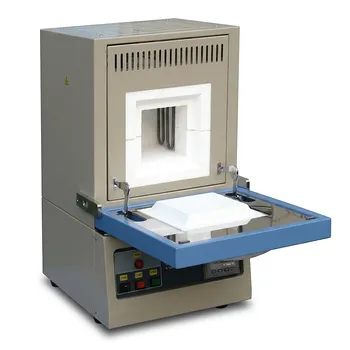
High Temperature 1800C Compact Muffle Furnace with Kanthal Super 1900 Heating Elements and 1.7L Alumina Chamber

Compact High Temperature 1600C Tube Furnace with 50mm Alumina Tube and Vacuum Flanges for Material Sintering

1800C High Temperature Compact Vacuum Tube Furnace with 60mm OD Alumina Tube and Kanthal MoSi2 Heating Elements
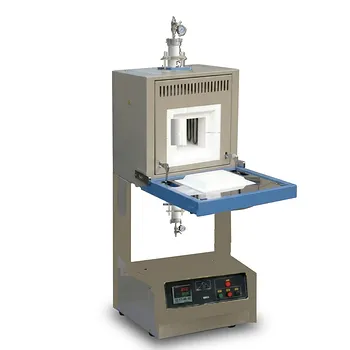
High Temperature Vertical Hybrid Furnace with Alumina Tube and SiC Heating for SOFC Coin Cell Testing and Atmosphere Processing
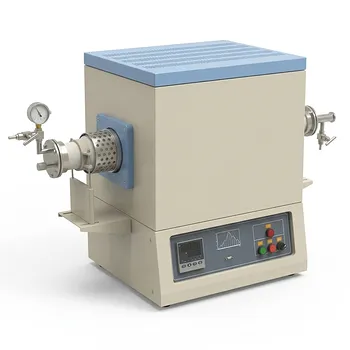
1750°C High Temperature Benchtop Vacuum Atmosphere Tube Furnace with Kanthal Super 1800 Heating Elements and 60mm Alumina Processing Tube
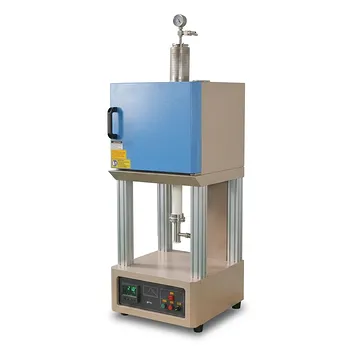
Hybrid High Temperature Tube and Box Furnace 1700C with 2 Inch Alumina Tube for Material Research
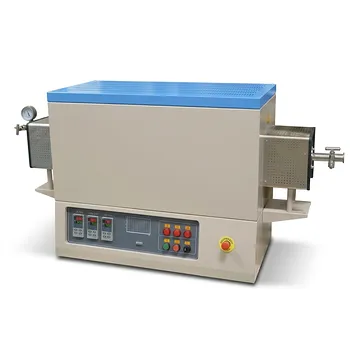
Three Zone Alumina Tube Furnace with Vacuum Flanges High Temperature 1700C Thermal Gradient CVD System
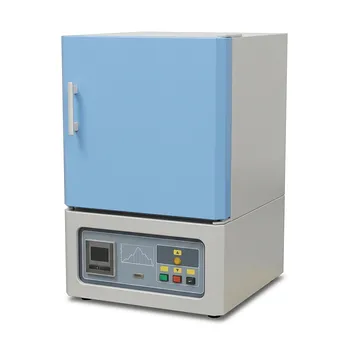
1800C Bench Top Muffle Furnace with Kanthal Super 1900 Heating Elements and 3.6L Alumina Fiber Chamber