Microwave vs Traditional Furnace for Al2O3/SiC? Core Advantages for Superior Material Densification
Updated 6 months ago
High-precision microwave vertical tube furnaces represent a paradigm shift in ceramic processing. By utilizing direct interaction with material dipoles, these systems provide volumetric heating that is significantly faster and more energy-efficient than traditional conduction-based methods. This rapid thermal elevation is crucial for Alumina/Silicon Carbide (Al2O3/SiC) composites, as it inhibits grain growth and produces a more densified material with enhanced physical properties.
Core Takeaway: Unlike traditional furnaces that heat from the outside in, microwave vertical tube furnaces heat the entire volume of the composite simultaneously. This fundamental change in energy transfer results in shorter cycle times, superior microstructure control, and higher overall energy efficiency.
The Mechanism of Volumetric Heating
Direct Dipole Interaction
High-precision microwave furnaces achieve heating through the direct interaction of electromagnetic waves with the material dipoles. This bypasses the need for a heating element to transfer thermal energy through the air or a crucible via convection and radiation.
Simultaneous Energy Conversion
Because the microwaves penetrate the Al2O3/SiC matrix, the material converts electromagnetic energy into heat internally and simultaneously. This leads to a significantly higher energy conversion efficiency compared to traditional resistive heating.
Rapid Temperature Elevation
The direct nature of this energy transfer allows for accelerated heating rates that traditional equipment cannot match. This speed is the primary driver for the efficiency gains observed in modern laboratory and industrial settings.
Impact on Al2O3/SiC Composite Quality
Inhibition of Grain Growth
During the sintering of Al2O3/SiC composites, the goal is to reach the required temperature quickly to trigger densification. Microwave furnaces shorten the process cycle, which effectively inhibits grain growth by minimizing the time the material spends at high temperatures.
Enhanced Material Densification
The rapid, uniform heating leads to a more densified material structure. Traditional heating often creates thermal gradients where the exterior is hotter than the core, but microwave processing ensures a more homogenous final product.
Superior Physical Properties
By controlling the microstructure and reducing grain size, the resulting composites exhibit superior physical properties, such as increased hardness and fracture toughness. This makes the high-precision microwave method the preferred choice for high-performance technical ceramics.
Precision Control and Atmospheric Stability
Precise Gas Flow Management
Vertical tube configurations are specifically designed to support advanced gas flow control systems. This allows researchers to maintain a stable inert atmosphere, which is essential for protecting Silicon Carbide from oxidation during the thermal cycle.
Thermal Stability and Integrity
Traditional alumina tube components offer high-temperature resistance and structural integrity, even under the stress of rapid heating. These systems are highly effective for studying biomass pyrolysis kinetics and other applications requiring strict thermal stability.
Accurate Rate Control
Modern microwave tube furnaces allow for precise heating rate adjustments. This level of control is vital for ensuring high-quality biochar production and other delicate thermal processes where kinetics must be strictly monitored.
Understanding the Trade-offs
Dielectric Sensitivity
The primary limitation of microwave heating is its reliance on the dielectric properties of the material. If a material does not couple well with microwaves at room temperature, it may require a "susceptor" to initiate the heating process.
Risk of Thermal Runaway
Because microwave energy can be absorbed more intensely as a material gets hotter, there is a risk of thermal runaway. This requires high-precision sensor arrays and control software to ensure the temperature remains uniform and does not damage the sample.
Equipment Complexity
While more efficient, microwave vertical tube furnaces are often more technically complex than traditional muffle or resistive tube furnaces. This complexity necessitates specialized training for operators to manage the intersection of electromagnetic safety and thermal processing.
Making the Right Choice for Your Goal
To determine if a high-precision microwave vertical tube furnace is right for your application, consider your primary objective:
- If your primary focus is maximizing material density and minimizing grain size: The rapid volumetric heating of a microwave furnace is the superior choice to ensure a fine, high-strength microstructure.
- If your primary focus is high-volume, low-cost basic thermal treatment: Traditional resistive furnaces may offer a simpler, more cost-effective solution for materials that do not require specialized grain control.
- If your primary focus is studying reaction kinetics or inert atmosphere processing: A vertical tube configuration—whether microwave or traditional—is essential for its precise gas management and stable thermal environment.
Selecting the appropriate furnace technology ensures that the intrinsic properties of Al2O3/SiC composites are fully optimized for their intended high-performance applications.
Summary Table:
| Feature | Microwave Vertical Tube Furnace | Traditional Thermal Equipment |
|---|---|---|
| Heating Mechanism | Volumetric (Direct Dipole Interaction) | Conduction & Radiation (Outside-In) |
| Heating Speed | Rapid / Accelerated Rates | Slower / Gradient-Dependent |
| Microstructure | Inhibits Grain Growth; High Density | Risk of Grain Coarsening |
| Energy Efficiency | High (Direct Energy Conversion) | Lower (Heat Loss in Air/Elements) |
| Atmosphere Control | Precise Inert/Gas Flow Management | Variable Stability |
| Best For | High-Performance Technical Ceramics | Basic High-Volume Processing |
Optimize Your Advanced Material Synthesis with THERMUNITS
Elevate your research and production standards with state-of-the-art thermal technology. As a leading manufacturer of high-temperature laboratory equipment, THERMUNITS provides the precision tools required for sophisticated material science and industrial R&D.
Whether you are processing Alumina/Silicon Carbide composites or exploring biomass pyrolysis, our comprehensive range of equipment—including Muffle, Vacuum, Atmosphere, Tube, Rotary, and Hot Press furnaces, CVD/PECVD systems, Dental Furnaces, and Vacuum Induction Melting (VIM) units—is designed for maximum control and efficiency.
Ready to master your microstructure? Contact us today to discuss your specific heat treatment requirements and discover how our advanced thermal elements and furnace solutions can drive your innovation forward.
References
- Guo Li, Jian Zhou. COMSOL-Based Simulation of Microwave Heating of Al2O3/SiC Composites with Parameter Variations. DOI: 10.3390/sym16101254
Mentioned Products
- High Temperature Vertical Hybrid Furnace with Alumina Tube and SiC Heating for SOFC Coin Cell Testing and Atmosphere Processing
- High Temperature 1700C Vertical Tube Furnace for Powder Spherification and Material Sintering
- Vertical Hybrid High Temperature Furnace 1500C Alumina Tube SOFC Fuel Cell Testing Laboratory Heat Treatment Research Equipment
- Vertical 1700C Vacuum and Atmosphere Tube Furnace with 80mm Alumina Tube
- 1800C High Temperature Compact Vacuum Tube Furnace with 60mm OD Alumina Tube and Kanthal MoSi2 Heating Elements
People Also Ask
- Purpose of Nitrogen Flow in Carbon Activation? Optimize Yield with High-Purity Tube Furnace Environments
- Technical Value of Tube Furnaces for Pomegranate Peel Hard Carbon: Precision Carbonization & Battery Material Synthesis
- What technical conditions does a horizontal alumina tube furnace provide? Optimize Liquid Copper Infiltration
- What role do alumina preheating tubes and heating elements play in flash smelting simulation? Optimize Thermal Precision
- What critical process conditions does a high-temperature tube furnace provide? Mastering Catalyst Activation Success

Tech Team · ThermUnits
Last updated on Apr 14, 2026
Related Products
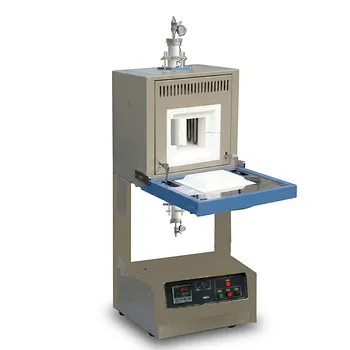
High Temperature Vertical Hybrid Furnace with Alumina Tube and SiC Heating for SOFC Coin Cell Testing and Atmosphere Processing
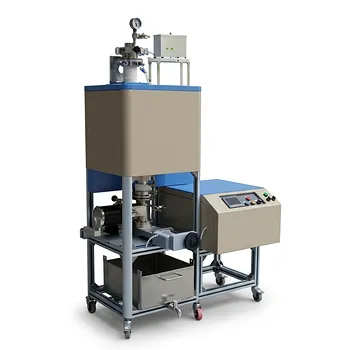
High Temperature 1700C Vertical Tube Furnace for Powder Spherification and Material Sintering
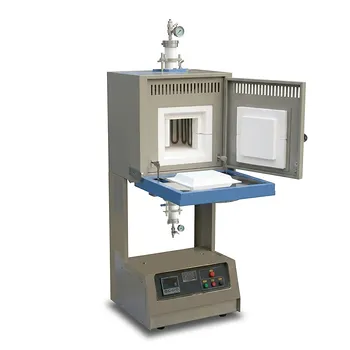
Vertical Hybrid High Temperature Furnace 1500C Alumina Tube SOFC Fuel Cell Testing Laboratory Heat Treatment Research Equipment
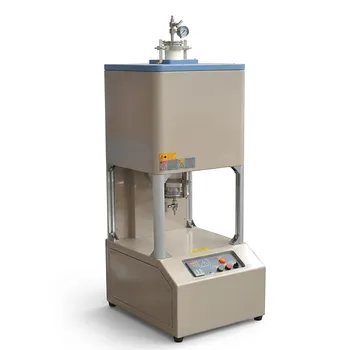
Vertical 1700C Vacuum and Atmosphere Tube Furnace with 80mm Alumina Tube
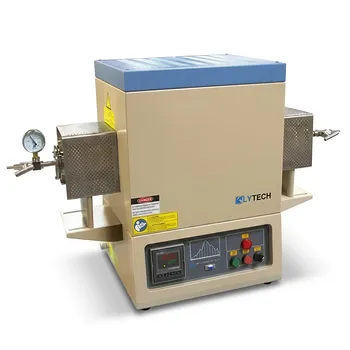
1800C High Temperature Compact Vacuum Tube Furnace with 60mm OD Alumina Tube and Kanthal MoSi2 Heating Elements
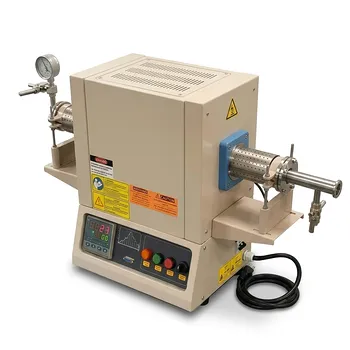
Compact High Temperature 1600C Tube Furnace with 50mm Alumina Tube and Vacuum Flanges for Material Sintering
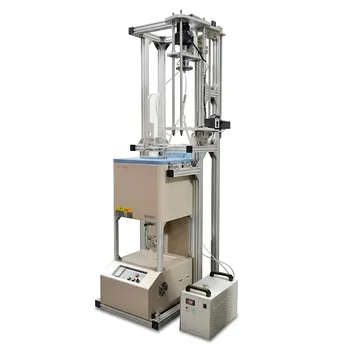
500C Vacuum Vertical Tube Furnace 84mm OD Sample Rotation Lifting System
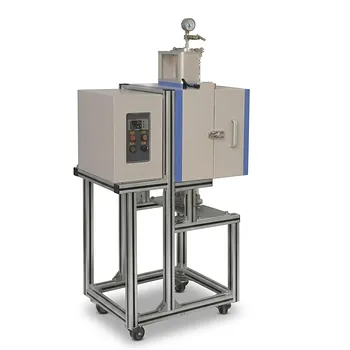
1200°C 5 Inch Vertical Quartz Tube Furnace with Stainless Steel Vacuum Flanges
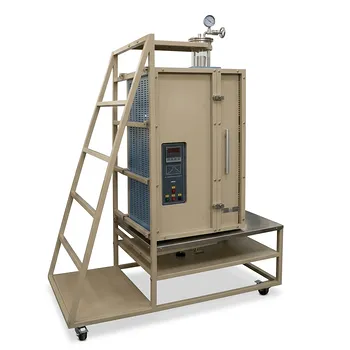
Split Vertical Tube Furnace with 1200C Quartz Tube and Stainless Steel Vacuum Flanges for Rapid Thermal Processing
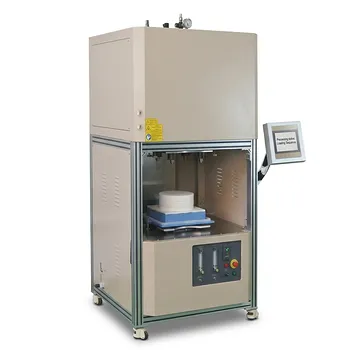
High Temperature Vertical Atmosphere Controlled Furnace with Automatic Bottom Loading and 1700°C Capacity for Advanced Material Research
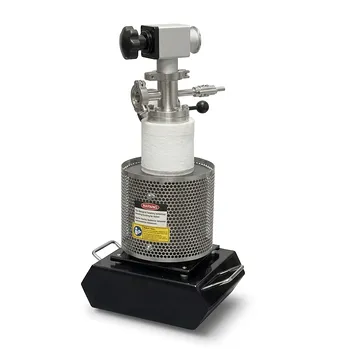
High Temperature 1100C Compact Top Loading Vertical Vacuum Tube Furnace for High Vacuum Noble Metal Melting and Material Research
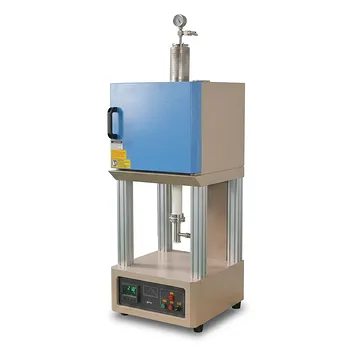
Hybrid High Temperature Tube and Box Furnace 1700C with 2 Inch Alumina Tube for Material Research
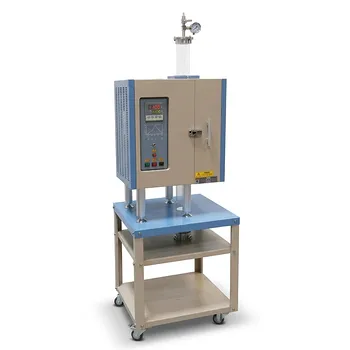
1100°C Split Vertical Tube Furnace with 80mm Quartz Tube and Stainless Steel Vacuum Flanges
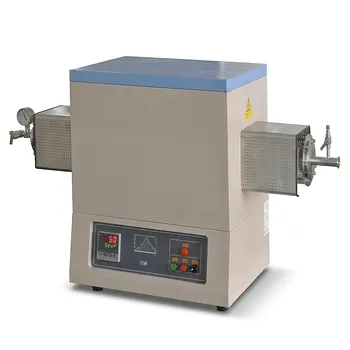
High Temperature 1700C Tube Furnace with 4 Inch OD Alumina Tube and Vacuum Sealing Flanges
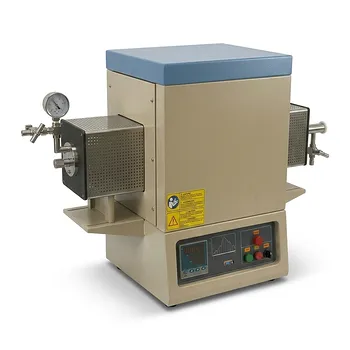
High Temperature 1700C Benchtop Tube Furnace with 5 Inch Heating Zone High Purity Alumina Tube and Vacuum Sealing Flanges
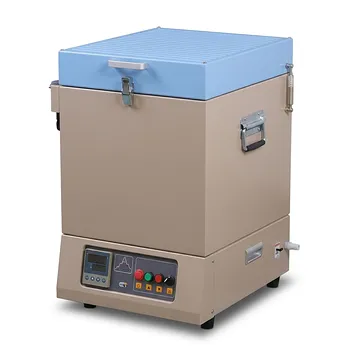
High Temperature Vertical Crucible Furnace with 22L Heating Chamber and 1200C Maximum Temperature
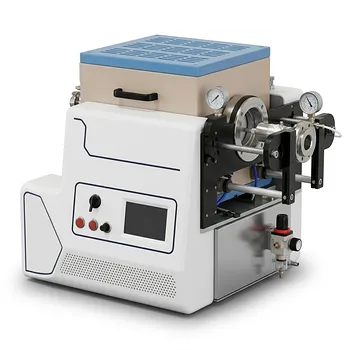
High Temperature Automated 5 Inch Tube Furnace for Autonomous Material Research and Advanced Laboratory R&D
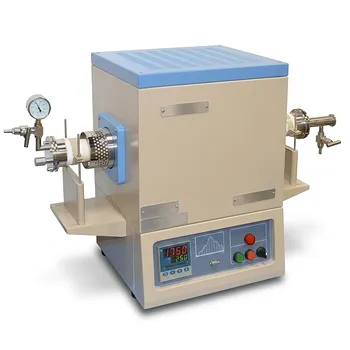
High Temperature Compact Vacuum Tube Furnace 1750C Max 60mm OD Alumina Tube
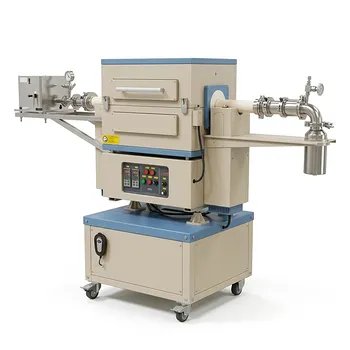
1500C Max Dual Zone Rotary Tube Furnace with 60 mm OD Alumina Tube for High Temperature Material Synthesis