Technical Value of Tube Furnaces for Pomegranate Peel Hard Carbon: Precision Carbonization & Battery Material Synthesis
Updated 3 months ago
The high-temperature tube furnace is the essential instrument for transforming pomegranate peel into hard carbon by providing a strictly controlled inert environment and precise thermal gradients. By facilitating carbonization between 900 °C and 1300 °C under a high-purity argon flow, the furnace enables critical chemical reactions—including dehydrogenation, deoxygenation, and aromatization. This process results in an amorphous hard carbon structure characterized by widened interlayer spacing and abundant defect sites, which are vital for efficient ion storage.
The technical value of a tube furnace lies in its ability to execute solid-state pyrolysis while preventing oxidative combustion. This allows for the precise engineering of the carbon’s interlayer spacing and pore structure, directly determining the material's electrochemical capacity and efficiency.
Mastery of Atmosphere and Environment
Prevention of Oxidative Combustion
The primary technical advantage is the creation of a strict argon (Ar) protection atmosphere. This inert environment is critical when working with biomass like pomegranate peel, as it prevents the organic precursors from burning or oxidizing at elevated temperatures.
Facilitation of Volatile Removal
By maintaining a continuous flow of high-purity gas, the furnace effectively carries away volatile substances released during thermal decomposition. This ensures the resulting pseudo-graphitic structure is pure and the carbonization process remains focused on the solid-state transformation of the biomass skeleton.
In-situ Chemical Engineering
The controlled atmosphere also supports advanced synthesis techniques, such as the in-situ doping of atoms within the carbon matrix. For complex composites, the furnace provides the stable environment necessary to integrate elements like silicon into the hard carbon structure.
Precision Thermal Management
Regulated Heating Rates
A tube furnace allows for highly specific heating curves, such as a ramp rate of 3 °C/min. This slow, controlled increase in temperature is necessary to manage the rate of gas evolution and prevent structural collapse of the pomegranate peel's natural pore network.
High-Temperature Carbonization Range
Unlike standard muffle furnaces that typically operate at lower temperatures for biochar, tube furnaces reach the 900 °C to 1300 °C range. This high thermal energy is required to drive the aromatization reactions that convert cross-linked semi-coke into a conductive hard carbon network.
Stability for Solid-State Pyrolysis
Maintaining a constant temperature for extended periods ensures that the solid-state pyrolysis is complete. This stability is the deciding factor in achieving a uniform material with consistent batch-to-batch electrochemical properties.
Engineering the Microscopic Structure
Optimization of Interlayer Spacing
The furnace temperature directly dictates the interlayer spacing [d(002)] of the hard carbon. Precise control allows researchers to target specific distances (e.g., 0.36 nm to 0.39 nm) that are optimized for the insertion and extraction of ions.
Evolution of Pore Morphology
As temperatures increase, the furnace facilitates the shift from macropores to micropores and closed pores. These closed pores are essential for achieving high initial coulombic efficiency and maximizing the reversible capacity of the final battery anode.
Creation of Active Defect Sites
The technical precision of the furnace allows for the retention of abundant defect sites within the amorphous structure. These defects serve as active locations for ion storage, which is a key requirement for high-performance sodium-ion or lithium-ion batteries.
Understanding the Trade-offs
Temperature vs. Interlayer Spacing
There is a critical trade-off between temperature and the physical structure of the carbon. While higher temperatures (up to 1400 °C) improve conductivity and initial coulombic efficiency, they also cause the interlayer spacing to narrow, which can hinder the diffusion of larger ions.
Throughput vs. Precision
Tube furnaces are designed for precision rather than volume. While they provide a much higher degree of control over the atmosphere and thermal profile than a muffle furnace, they typically process smaller batches of material at a time.
Energy Consumption and Cost
Operating at temperatures above 1000 °C for several hours requires significant energy and specialized quartz or alumina tubes. This makes the synthesis of pomegranate peel-derived hard carbon more resource-intensive compared to low-temperature biochar production.
Applying Technical Insights to Synthesis Goals
Recommendations for Material Development
To achieve the best results when synthesizing hard carbon from pomegranate peel, the furnace parameters should be aligned with the intended application.
- If your primary focus is maximizing reversible capacity: Target a carbonization temperature near 1200 °C to balance widened interlayer spacing with a developed micropore volume.
- If your primary focus is high initial coulombic efficiency: Utilize higher temperatures (above 1300 °C) and a strict argon flow to minimize surface functional groups and maximize the formation of closed pores.
- If your primary focus is structural retention of the biomass: Employ a slow heating rate (e.g., 2-3 °C/min) to allow for the gradual release of volatiles without fracturing the carbon skeleton.
The high-temperature tube furnace is the definitive tool for converting waste biomass into a sophisticated electronic material through the precise manipulation of thermal and chemical environments.
Summary Table:
| Feature | Process Parameter | Technical Impact on Material |
|---|---|---|
| Atmosphere Control | High-purity Argon (Ar) | Prevents oxidation; ensures pure pseudo-graphitic structure |
| Thermal Range | 900°C – 1300°C | Drives aromatization and critical solid-state pyrolysis |
| Heating Rate | 2 – 5 °C/min (Ramp) | Protects biomass skeleton; manages volatile gas evolution |
| Microstructure | Interlayer Spacing [d(002)] | Tailors 0.36–0.39 nm gaps for efficient ion insertion |
| Pore Engineering | Closed Pore Formation | Maximizes reversible capacity and initial coulombic efficiency |
Elevate Your Material Research with THERMUNITS
Are you looking to optimize the synthesis of hard carbon or other advanced energy materials? THERMUNITS is a leading manufacturer specializing in high-performance thermal processing solutions designed for rigorous laboratory and industrial R&D.
Our extensive product lineup includes:
- Tube & Rotary Furnaces for precise atmosphere-controlled carbonization.
- Vacuum & Atmosphere Furnaces for sensitive chemical engineering.
- Muffle & Dental Furnaces for high-uniformity heat treatment.
- Advanced Systems: CVD/PECVD, Vacuum Induction Melting (VIM), and Hot Press furnaces.
From precise heating rates to strict inert environments, THERMUNITS provides the reliability needed for breakthrough battery innovation.
Ready to upgrade your lab's capabilities?
Contact Our Technical Experts Today to find the perfect thermal solution for your research goals.
References
- Qijie Wu, Jianming Zhang. Pomegranate Peel-Derived Hard Carbons as Anode Materials for Sodium-Ion Batteries. DOI: 10.3390/molecules29194639
Mentioned Products
- High Temperature Dual Zone Rotating Tube Furnace 1500C Silicon Carbide Heating for Advanced Material Synthesis
- 1500C Max Dual Zone Rotary Tube Furnace with 60 mm OD Alumina Tube for High Temperature Material Synthesis
- Compact High Temperature 1600C Tube Furnace with 50mm Alumina Tube and Vacuum Flanges for Material Sintering
- 1100C High Pressure Rocking Tube Furnace with 2 Inch Super Alloy Processing Tube for Material Synthesis
- High Temperature 1700C Vertical Tube Furnace for Powder Spherification and Material Sintering
People Also Ask
- What is the function of CVD furnaces in graphene prep? Enhancing Photodetector Charge Transport
- Why use CVD and a tube furnace for Pd3P0.95/NC catalyst phosphidation? Ensure high phase purity and performance.
- CVD Tube Furnace Advantages for Pd-P Catalyst Durability: Precision Control for 40,000+ Cycles
- How does a rotary tube furnace improve the processing of granular materials? Enhance Uniformity and Reaction Kinetics
- How does a Chemical Vapor Deposition (CVD) tube furnace facilitate synchronized nitridation? Precision Nano-Engineering.

Tech Team · ThermUnits
Last updated on Jun 03, 2026
Related Products
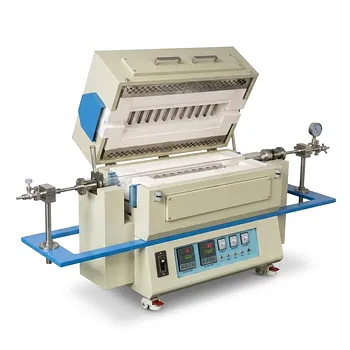
High Temperature Dual Zone Rotating Tube Furnace 1500C Silicon Carbide Heating for Advanced Material Synthesis
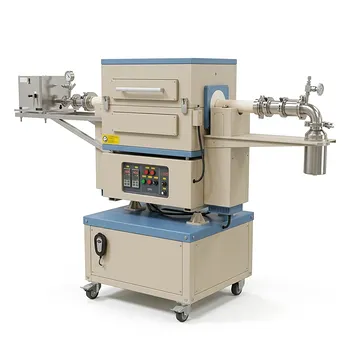
1500C Max Dual Zone Rotary Tube Furnace with 60 mm OD Alumina Tube for High Temperature Material Synthesis

Compact High Temperature 1600C Tube Furnace with 50mm Alumina Tube and Vacuum Flanges for Material Sintering
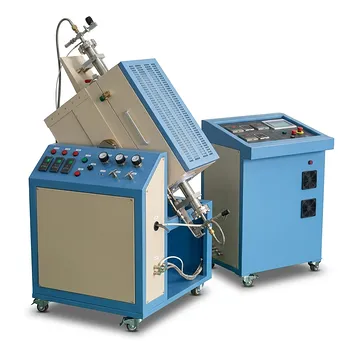
1100C High Pressure Rocking Tube Furnace with 2 Inch Super Alloy Processing Tube for Material Synthesis

High Temperature 1700C Vertical Tube Furnace for Powder Spherification and Material Sintering

High Temperature Tube Furnace 1500C with Sliding Flanges and 50mm OD for Rapid Thermal Processing Fast Heating and Cooling
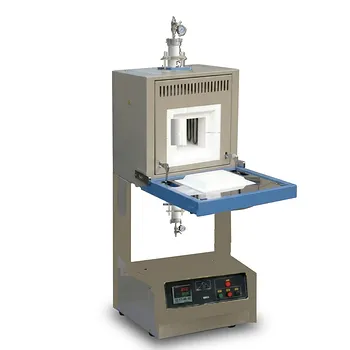
High Temperature Vertical Hybrid Furnace with Alumina Tube and SiC Heating for SOFC Coin Cell Testing and Atmosphere Processing

High Temperature 1700C Tube Furnace with High Vacuum Turbomolecular Pump System and Multi Channel Mass Flow Controller Gas Mixer
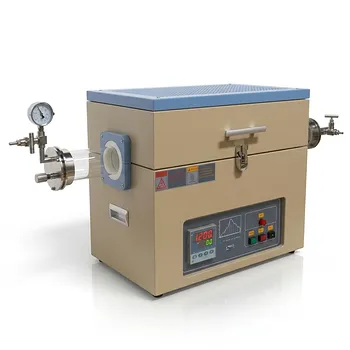
High Temperature 1200C Split Tube Furnace with Optional Quartz Tube Sizes and Vacuum Sealing Flanges for Material Science Research
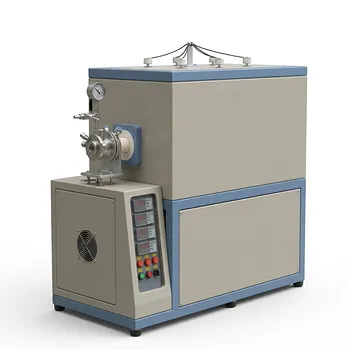
High Temperature 1700C Three Zone Tube Furnace with Alumina Tube 50mm 60mm 80mm OD for Material Research and Industrial Heat Treatment
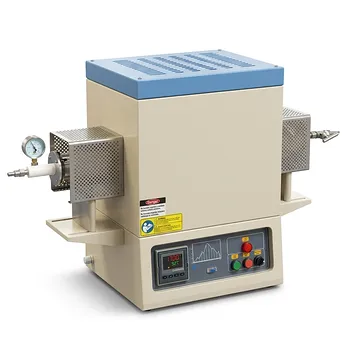
High Temperature Three Zone Tube Furnace 1700C with Alumina Tube and Water Cooled Flanges
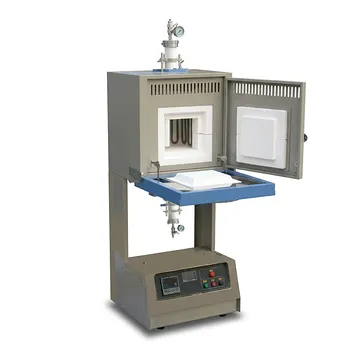
Vertical Hybrid High Temperature Furnace 1500C Alumina Tube SOFC Fuel Cell Testing Laboratory Heat Treatment Research Equipment
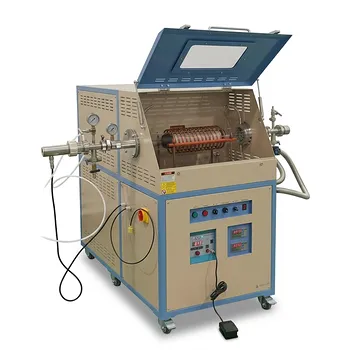
Ultra High Temperature 2300C Induction Heated Graphite Tube Furnace with Infrared Control

High Temperature Automated 5 Inch Tube Furnace for Autonomous Material Research and Advanced Laboratory R&D

High Temperature 1700C Benchtop Tube Furnace with 5 Inch Heating Zone High Purity Alumina Tube and Vacuum Sealing Flanges
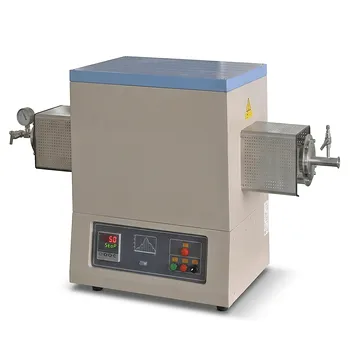
High Temperature 1700C Tube Furnace with 4 Inch OD Alumina Tube and Vacuum Sealing Flanges

1800C High Temperature Compact Vacuum Tube Furnace with 60mm OD Alumina Tube and Kanthal MoSi2 Heating Elements

1700C High Temperature Alumina Tube Furnace with 18 Inch Heated Zone and Vacuum Sealing Flanges
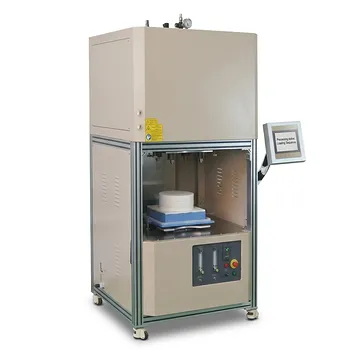
High Temperature Vertical Atmosphere Controlled Furnace with Automatic Bottom Loading and 1700°C Capacity for Advanced Material Research
