What are the primary considerations for using high-purity alumina crucibles for siliconizing? Maximize Reaction Purity
Updated 3 months ago
High-purity alumina crucibles provide a stable, non-reactive environment essential for the success of siliconizing reactions. At temperatures reaching 1100°C, these vessels resist side reactions with active silicon atoms and fluoride activators, which are common in permeating agents. This chemical neutrality ensures that the phase structure transformation of the silicides remains uncontaminated, preserving the integrity of the infiltration environment.
High-purity alumina is the preferred material for siliconizing because its combined chemical inertness and thermal structural stability prevent container-driven contamination, ensuring that the resulting silicides and reaction data are accurate and pure.
Maintaining Chemical Purity in Reactive Environments
Resistance to Silicon and Activators
The primary advantage of high-purity alumina (Al2O3) is its ability to remain chemically indifferent to active silicon atoms. In siliconizing processes, fluoride activators are often present to facilitate the reaction, and alumina specifically avoids reacting with these aggressive agents.
Prevention of Impurity Leaching
Using high-purity materials prevents foreign metallic or oxide impurities from leaching into the reaction system. This is critical for ensuring the compositional accuracy of the samples, as even trace amounts of container material can interfere with the intended phase structure of the silicides.
Integrity of the Infiltration Environment
Because the crucible does not participate in the reaction, the mass signal and chemical behavior observed during the process are solely attributable to the samples. This ensures that the experimental results reflect the intrinsic characteristics of the siliconizing reaction rather than background noise from the vessel.
Structural Stability Under Thermal Stress
Mechanical Strength at High Temperatures
High-purity alumina maintains its structural strength well beyond the 1100°C required for standard siliconizing. It can withstand environments exceeding 1350°C and up to 1873 K in specific metallurgical applications without softening or deforming.
Resistance to Erosion
The material effectively resists chemical erosion from various melts and reactive gases. This resistance is vital when the reaction involves molten phases or complex gas-solid interactions, as it prevents the crucible walls from thinning or contributing debris to the system.
Geometric Influence on Kinetics
The inner diameter of the crucible is a critical parameter for quantifying reaction kinetics. It determines the free surface area-to-volume ratio, which directly influences evaporation rate constants and the speed of interfacial reactions during the siliconizing process.
Understanding the Trade-offs
Sensitivity to Thermal Shock
While alumina is thermally stable, it is susceptible to thermal shock if heated or cooled too rapidly. Sudden temperature gradients can lead to cracking, which risks sample loss and equipment damage during high-temperature cycles.
Compatibility with Basic Oxides
Alumina can be vulnerable to erosion when in contact with strong basic oxides like Calcium Oxide (CaO) or Magnesium Oxide (MgO) at extreme temperatures. While typically not a primary concern in pure siliconizing, the presence of these oxides in a complex slag or precursor mix can compromise the crucible's lifespan.
Cost and Material Grade
The performance of these vessels is strictly tied to their purity levels. Lower-grade alumina crucibles may contain silica (SiO2) or other binders that can react at high temperatures, negating the benefits of using alumina and leading to sample contamination.
How to Apply This to Your Project
Selecting the right vessel requires balancing the specific chemistry of your siliconizing agent with your thermal profile.
- If your primary focus is phase purity: Utilize the highest possible purity alumina (99% or higher) to ensure no metallic impurities interfere with the silicide structure.
- If your primary focus is reaction kinetics: Carefully select the crucible's inner diameter to control the surface area-to-volume ratio, as this will dictate the evaporation and infiltration rates.
- If your primary focus is vessel longevity: Implement controlled heating and cooling ramps (typically 5-10°C/min) to prevent structural failure due to thermal shock.
High-purity alumina remains the definitive choice for siliconizing reactions due to its unique ability to remain structurally sound and chemically invisible in the presence of highly active silicon and fluoride agents.
Summary Table:
| Key Consideration | Impact on Siliconizing Reaction | Best Practice for Success |
|---|---|---|
| Chemical Inertness | Prevents reactions with active Si and fluoride activators | Use 99%+ purity to avoid metallic leaching |
| Thermal Stability | Maintains structural integrity above 1100°C | Use controlled ramps (5-10°C/min) to avoid shock |
| Erosion Resistance | Resists thinning from melts and reactive gases | Avoid contact with strong basic oxides (CaO/MgO) |
| Crucible Geometry | Dictates evaporation rates and reaction kinetics | Match inner diameter to required surface-to-volume ratio |
Elevate Your Material Research with THERMUNITS
As a leading manufacturer of high-temperature laboratory equipment for material science and industrial R&D, THERMUNITS understands that the right vessel is as critical as the furnace itself. Whether you are performing complex siliconizing reactions or standard heat treatments, our comprehensive range of thermal solutions—including Muffle, Vacuum, Atmosphere, Tube, and Rotary furnaces—is engineered for precision and durability.
From high-purity alumina components to advanced CVD/PECVD systems and Vacuum Induction Melting (VIM) furnaces, we provide the tools necessary to ensure uncontaminated results and accurate data.
Ready to optimize your thermal processing? Contact our technical experts today to find the perfect solution for your laboratory!
References
- Yu Zhao, Bo Cheng. Formation Mechanism of Ti–Si Multi-Layer Coatings on the Surface of Ti–6Al–4V Alloy. DOI: 10.3390/coatings14040450
Mentioned Products
- High Temperature 1700C Benchtop Tube Furnace with 5 Inch Heating Zone High Purity Alumina Tube and Vacuum Sealing Flanges
- 600°C Vertical Crucible Furnace with SS316 Alloy Reactor and 6 Port Vacuum Flange
- High Temperature Vertical Hybrid Furnace with Alumina Tube and SiC Heating for SOFC Coin Cell Testing and Atmosphere Processing
- Vertical Crucible Furnace 1000C High Temperature Laboratory Equipment 4.7 Inch Diameter Chamber SS316 Anti Corrosive Enclosure
- High Temperature Induction Melting System with Integrated Ultra High Purity Glove Box for Metallic Alloy Processing
People Also Ask
- How are high-temperature tube furnaces utilized to repair etching damage? Precision Lattice Restoration Solutions
- What is the function of a high-temperature tube furnace in the synthesis of g-C3N4? Optimize Thermal Polycondensation
- What impact does the heating rate of a tube furnace have on biochar microstructure? Optimize Your Material R&D.
- What is the role of a high-temperature tube furnace in the calcination process of ZnO/In2O3 nanocomposites?
- Conditions for nZVI Synthesis in Tube Furnaces? Learn to Optimize Thermal and Atmospheric Control for High Purity.

Tech Team · ThermUnits
Last updated on Jun 03, 2026
Related Products

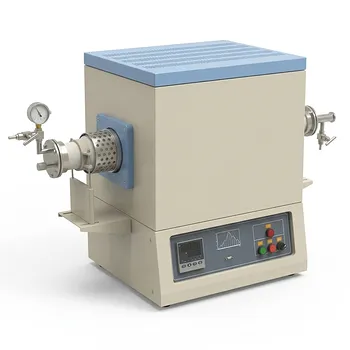
High Temperature 1700C Benchtop Tube Furnace with 5 Inch Heating Zone High Purity Alumina Tube and Vacuum Sealing Flanges
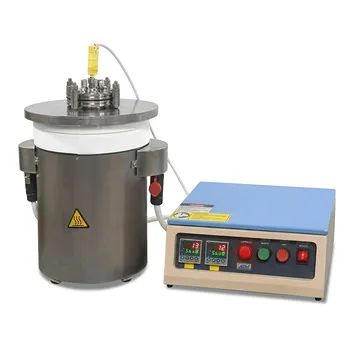
600°C Vertical Crucible Furnace with SS316 Alloy Reactor and 6 Port Vacuum Flange
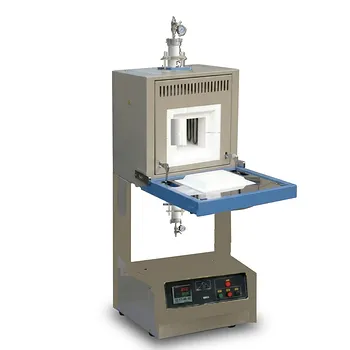
High Temperature Vertical Hybrid Furnace with Alumina Tube and SiC Heating for SOFC Coin Cell Testing and Atmosphere Processing
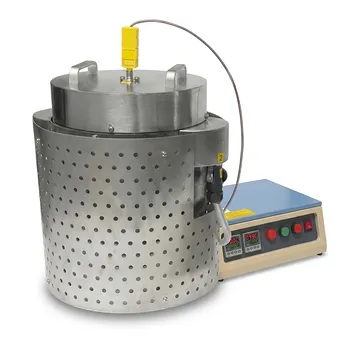
Vertical Crucible Furnace 1000C High Temperature Laboratory Equipment 4.7 Inch Diameter Chamber SS316 Anti Corrosive Enclosure
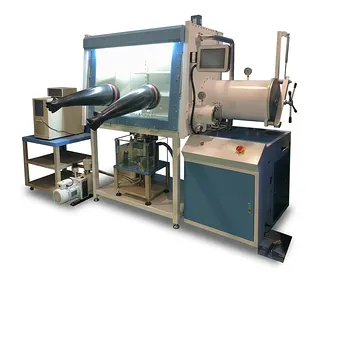
High Temperature Induction Melting System with Integrated Ultra High Purity Glove Box for Metallic Alloy Processing
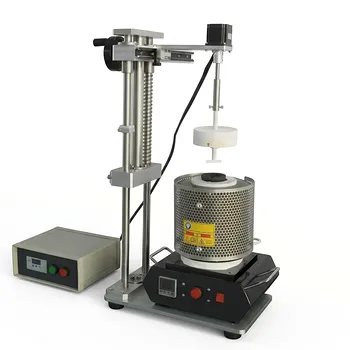
1100C Crucible Melting Furnace with Stirring Function for Glovebox and Air Sensitive Alloy Research
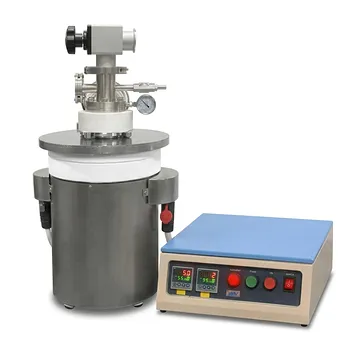
1100C High Temperature Vacuum Crucible Furnace with Quartz Chamber for Thermal Processing and Sintering
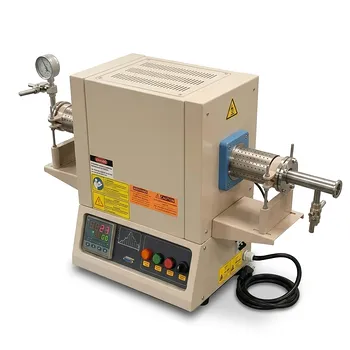
Compact High Temperature 1600C Tube Furnace with 50mm Alumina Tube and Vacuum Flanges for Material Sintering
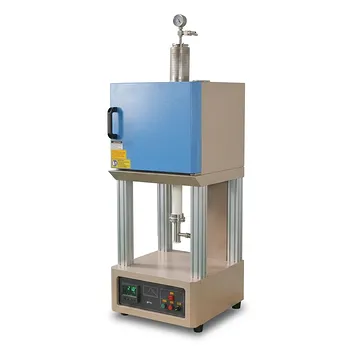
Hybrid High Temperature Tube and Box Furnace 1700C with 2 Inch Alumina Tube for Material Research
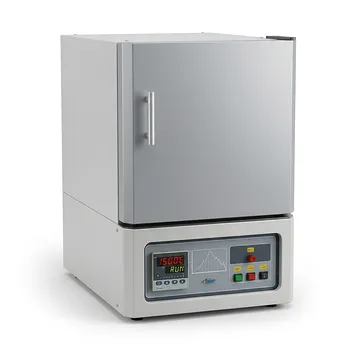
High Temperature 1500C Benchtop Muffle Furnace 3.6L Alumina Fiber Chamber Programmable Controller Sintering Annealing Carbonization Thermal Processing System
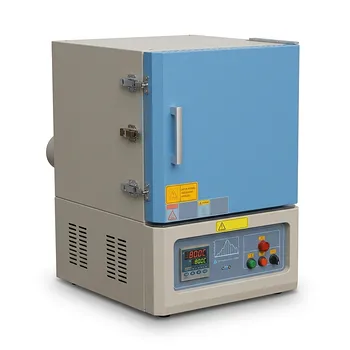
1800C Bench Top Muffle Furnace 18 Liters with Kanthal Super 1900 Heating Elements for High Purity Ceramic Sintering and Material Research
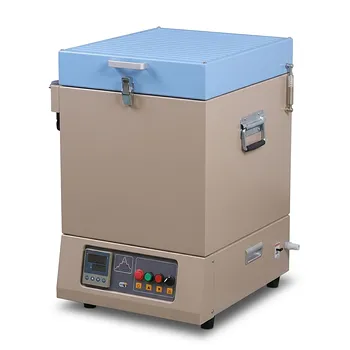
High Temperature Vertical Crucible Furnace with 22L Heating Chamber and 1200C Maximum Temperature
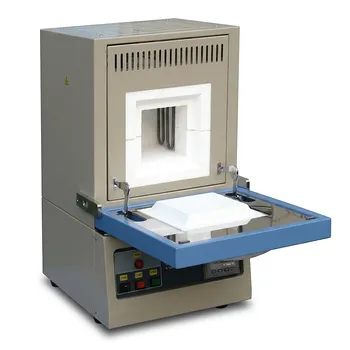
High Temperature 1800C Compact Muffle Furnace with Kanthal Super 1900 Heating Elements and 1.7L Alumina Chamber
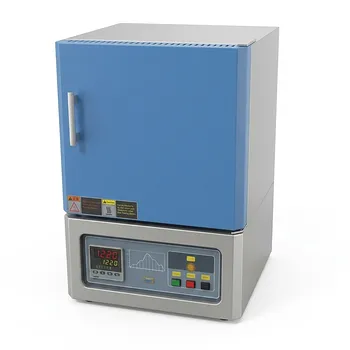
High Temperature Benchtop Muffle Furnace 1700C 10L Chamber Alumina Fiber Insulation MoSi2 Heating Elements
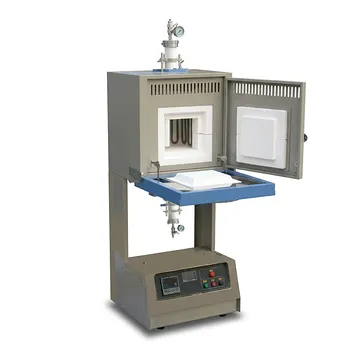
Vertical Hybrid High Temperature Furnace 1500C Alumina Tube SOFC Fuel Cell Testing Laboratory Heat Treatment Research Equipment

1800C High Temperature Compact Vacuum Tube Furnace with 60mm OD Alumina Tube and Kanthal MoSi2 Heating Elements
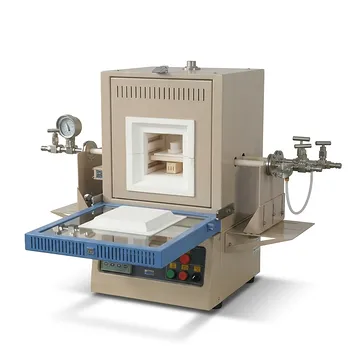
1700C Compact Hybrid Furnace with Dual Layer Box Sintering and Controlled Atmosphere Alumina Tubes
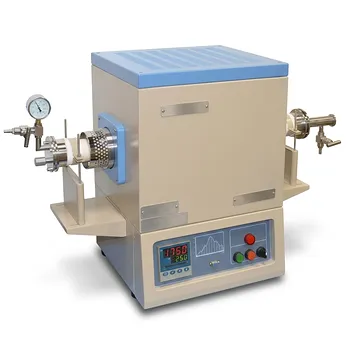
High Temperature Compact Vacuum Tube Furnace 1750C Max 60mm OD Alumina Tube
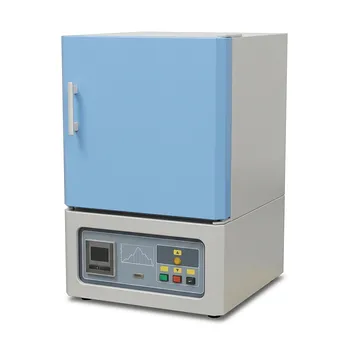
1800C Bench Top Muffle Furnace with Kanthal Super 1900 Heating Elements and 3.6L Alumina Fiber Chamber