What key conditions do large quartz tube corrosion test furnaces provide for hot corrosion evaluations at 900 °C?
Updated 3 months ago
Large quartz tube corrosion test furnaces provide a specialized environment by combining high-precision thermal stability with aggressive chemical atmospheres. Specifically, at 900 °C, these systems deliver a continuous flow of synthetic air containing 0.1% sulfur dioxide (SO₂), creating the high-temperature field uniformity necessary to simulate the complex acidic or alkaline molten salt corrosion found inside gas turbines.
These furnaces serve as a critical platform for assessing the long-term oxidation and sulfidation resistance of protective coatings by replicating the harsh, stable chemical and thermal conditions of industrial service environments.
Creating a Stable Chemical Atmosphere
Precision Gas Flow and Composition
The core advantage of these systems is their ability to maintain a constant 0.1% sulfur dioxide concentration within a synthetic air stream. This precise gas flow control is essential for simulating the sulfidation processes that occur in real-world gas turbines.
Superior Sealing and Contamination Control
Quartz tubes offer exceptional sealing properties, allowing researchers to purge the environment with inert gases like argon before introducing reactive species. This ensures that the resulting corrosion behavior is driven exclusively by the intended chemical environment rather than atmospheric impurities.
Simulation of Molten Salt Environments
By combining specific gas mixtures with high heat, these furnaces replicate the acidic and alkaline molten salt conditions typical of high-temperature industrial processes. This environment is the standard benchmark for evaluating the durability of Cr/Si and other advanced protective coatings.
Thermal Uniformity and Stability
Constant Temperature Field Maintenance
Large tube furnaces are designed to provide high temperature field uniformity, ensuring that the entire surface of a sample experiences identical conditions. This eliminates localized temperature fluctuations that could skew corrosion rate data or cause uneven oxidation.
Long-Term Operational Reliability
These systems are engineered for endurance, capable of maintaining stable temperatures for hundreds of hours. This stability is vital for studying the formation of continuous spinel oxide layers and other long-term metallurgical transformations.
Integrated Monitoring and Sample Positioning
Precision is further enhanced by using ceramic sample holders and integrated thermocouples placed in close proximity to the material. This setup ensures that the recorded temperature accurately reflects the actual conditions on the sample's surface throughout the test.
Understanding the Trade-offs
Material Limitations of Quartz
While quartz is excellent for maintaining purity and withstanding high temperatures, it can become brittle or susceptible to thermal shock after repeated cycling. Researchers must carefully manage heating and cooling ramps to prevent tube failure during extended evaluations.
Complexity of Gas Management
Managing toxic and corrosive gases like sulfur dioxide requires sophisticated scrubbing and safety systems to protect the surrounding environment. The need for precise gas mixing also introduces a level of mechanical complexity that requires regular calibration of mass flow controllers.
Volume and Sample Size Constraints
The cylindrical geometry of a tube furnace limits the size and shape of the components that can be tested simultaneously. Achieving perfect thermal uniformity becomes increasingly difficult as the sample size approaches the diameter of the tube.
How to Apply This to Your Project
To maximize the effectiveness of a quartz tube furnace in your research, align your setup with your specific material objectives.
- If your primary focus is gas turbine coating durability: Utilize a steady 0.1% SO₂ air stream at 900 °C to specifically evaluate long-term sulfidation and oxidation resistance.
- If your primary focus is fundamental oxidation mechanisms: Prioritize long-term thermal stability at temperatures up to 1000 °C to observe the development of continuous protective oxide layers over hundreds of hours.
- If your primary focus is steam or biomass environment simulation: Ensure the system is fully sealed for an argon purge before introducing steam to prevent interference from residual atmospheric oxygen.
By precisely controlling the intersection of thermal uniformity and chemical concentration, these furnaces provide the definitive data required to certify materials for extreme high-temperature service.
Summary Table:
| Key Test Condition | Technical Specification | Research Benefit |
|---|---|---|
| Chemical Atmosphere | 0.1% SO₂ in Synthetic Air | Simulates gas turbine sulfidation |
| Thermal Field | High Uniformity at 900 °C | Eliminates localized data skewing |
| Environment Control | Inert Gas Purging (e.g., Argon) | Prevents atmospheric contamination |
| Testing Duration | Hundreds of Hours Stability | Allows long-term metallurgical study |
| Material Interface | Ceramic Sample Holders | Ensures accurate surface temperature |
Elevate Your Material Research with THERMUNITS
Precision in hot corrosion testing requires equipment that delivers uncompromising stability. THERMUNITS is a leading manufacturer of high-temperature laboratory equipment for material science and industrial R&D. We offer a comprehensive range of thermal processing solutions, including Tube Furnaces, Atmosphere Furnaces, CVD/PECVD systems, Muffle, Vacuum, and Rotary furnaces, as well as specialized Hot Press and Vacuum Induction Melting (VIM) systems.
Whether you are evaluating gas turbine coatings or fundamental oxidation mechanisms, our equipment provides the uniform thermal fields and precise gas control your project demands.
Ready to optimize your heat treatment process? Contact our engineering team today to discuss your specific requirements and discover how our advanced thermal solutions can accelerate your R&D outcomes.
References
- Michael Kerbstadt, Mathias C. Galetz. Novel Chromium–Silicon Slurry Coatings for Hot Corrosion Environments. DOI: 10.1007/s11085-024-10257-8
Mentioned Products
- 1100°C Large Diameter Quartz Tube Furnace with 24 Inch Heating Zone and Water Cooled Flanges
- 1100°C Three Zone Tube Furnace with 8.5 to 11 Inch OD Quartz Tube and Vacuum Flanges for Large Wafer Processing
- High Temperature Seven Zone Split Tube Furnace with 1200C Maximum Operation and Large Diameter Quartz Tube
- Three Zone Tube Furnace with 11 Inch or 15 Inch Quartz Tube and Hinged Flanges for Vacuum Atmosphere Heat Treatment
- 1200°C 5 Inch Vertical Quartz Tube Furnace with Stainless Steel Vacuum Flanges
People Also Ask
- Why is a quartz tube furnace necessary for phosphorus-doped MoS2/GO preparation? Ensure Purity & Precise Synthesis
- What are the advantages of 1100°C tube furnaces for ORR catalysts? Boost Conductivity and Structural Stability.
- What conditions does a quartz tube furnace provide for AlxCoCrFeNi steam corrosion tests? Achieve Precise R&D Control.
- What is the primary function of a Quartz Tube Furnace in ZnO VLS growth? Master High-Precision Nanowire Synthesis
- What role does a single-temperature zone quartz tube furnace play in the growth of monolayer MoS2? Optimize 2D Synthesis

Tech Team · ThermUnits
Last updated on Jun 02, 2026
Related Products
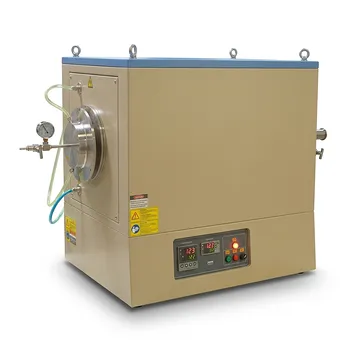
1100°C Large Diameter Quartz Tube Furnace with 24 Inch Heating Zone and Water Cooled Flanges
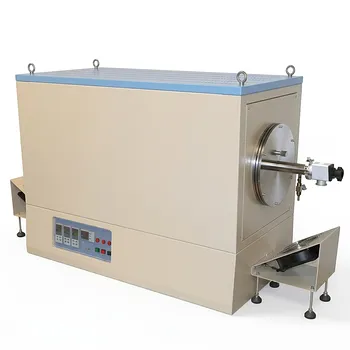
1100°C Three Zone Tube Furnace with 8.5 to 11 Inch OD Quartz Tube and Vacuum Flanges for Large Wafer Processing
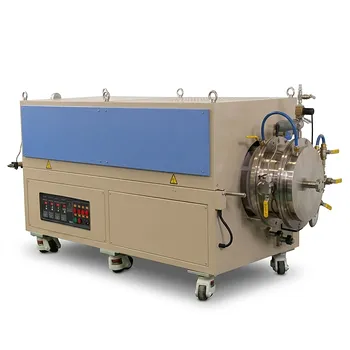
High Temperature Seven Zone Split Tube Furnace with 1200C Maximum Operation and Large Diameter Quartz Tube
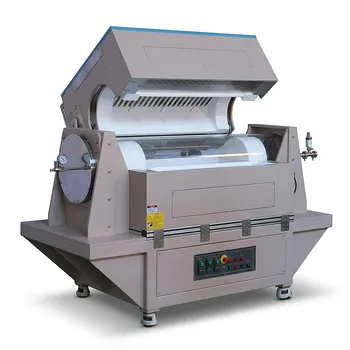
Three Zone Tube Furnace with 11 Inch or 15 Inch Quartz Tube and Hinged Flanges for Vacuum Atmosphere Heat Treatment
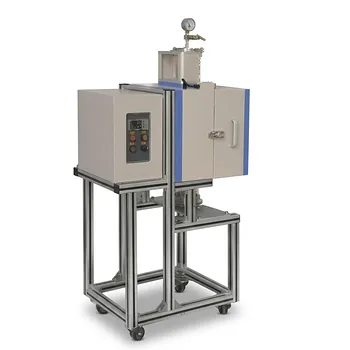
1200°C 5 Inch Vertical Quartz Tube Furnace with Stainless Steel Vacuum Flanges
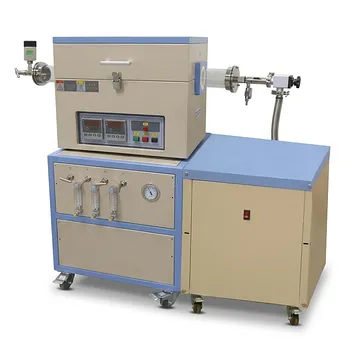
Dual Zone Quartz Tube Furnace with 80mm Diameter 1200C Max Temperature 3 Channel Gas Mixer and Vacuum Pump System
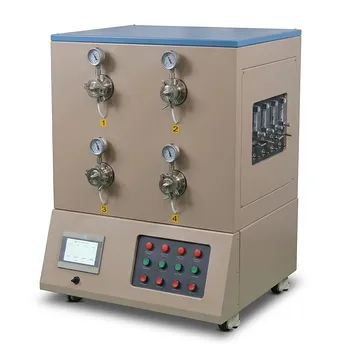
High Throughput 1200C Four Channel Tube Furnace with 3 Inch Quartz Tubes for Multi Zone Annealing and Material Research
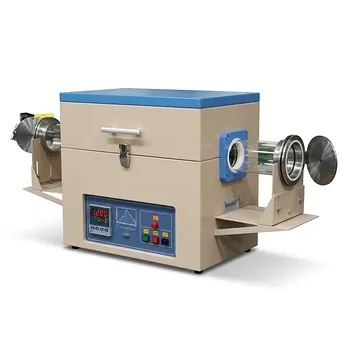
High Temperature 1200C Split Tube Furnace with Hinged Vacuum Flanges and 4 Inch Quartz Tube for Laboratory Research
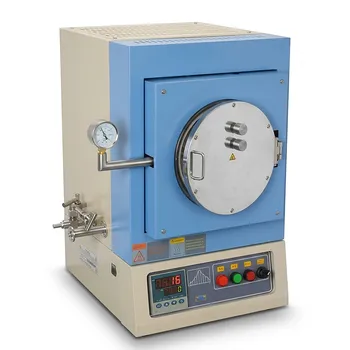
1100°C High Temperature Quartz Chamber Furnace 8 Inch OD with 7.6 Liter Capacity and Vacuum Atmosphere Capability
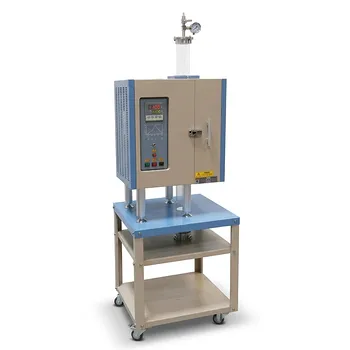
1100°C Split Vertical Tube Furnace with 80mm Quartz Tube and Stainless Steel Vacuum Flanges
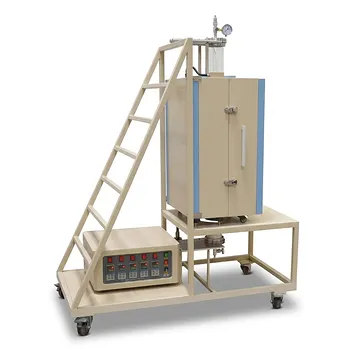
Five Zone Split Vertical Tube Furnace 1200C Max with 4 Inch Quartz Tube and Stainless Steel Vacuum Flanges
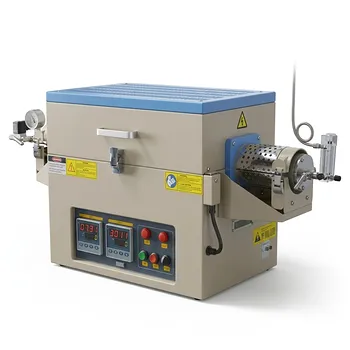
1100C Dual Zone Hydrogen Gas Tube Furnace with Quartz Tube and Integrated H2 Leak Detection System
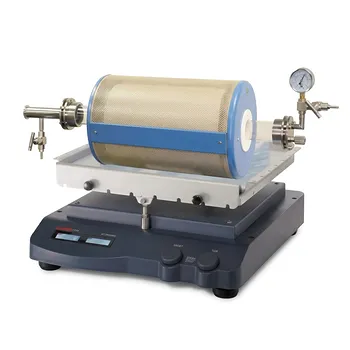
High Temperature Rocking Tube Furnace with Quartz Tube and Vacuum Flange for Materials Synthesis
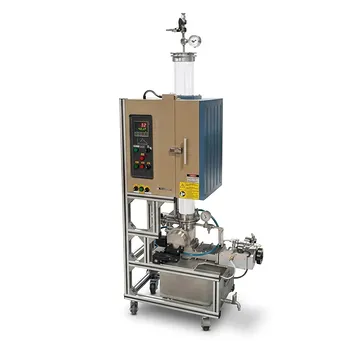
1200C High Temperature Atmosphere Controlled Vertical Quenching Tube Furnace with 4 Inch Quartz Tube
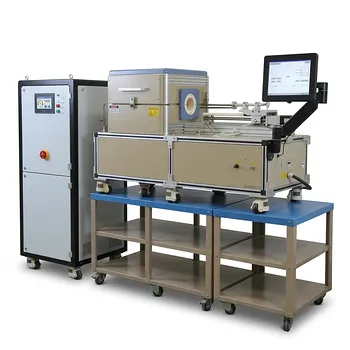
1650C Recirculating Steam Corrosion and Thermal Shock Testing Furnace with Integrated Water Vapor Generator and Automated Sample Delivery

High Temperature Automated 5 Inch Tube Furnace for Autonomous Material Research and Advanced Laboratory R&D
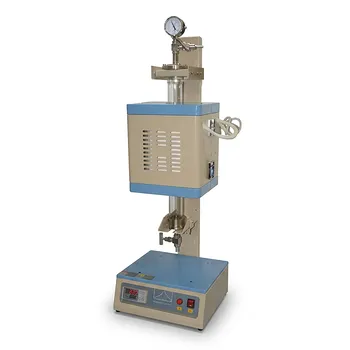
Compact Vertical Split Quartz Tube Furnace with Stainless Steel Vacuum Flanges for Rapid Thermal Quenching and Controlled Atmosphere Material Processing
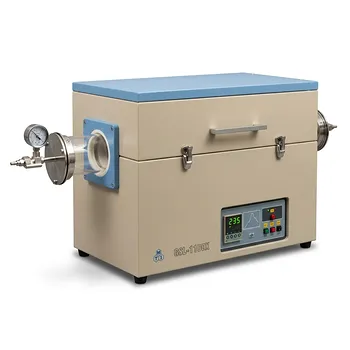
Single Zone Tube Furnace 5 Inch Quartz Tube 36 Inch Heating Zone Vacuum Flanges
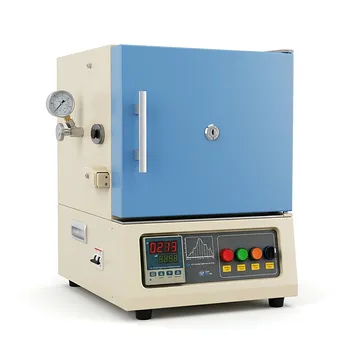
1200C Hybrid Muffle and Tube Furnace for Material Research with Dual Atmosphere Control Quartz Tubes
