What are the technical advantages of using high-purity quartz boats? Ensure Purity & Stability in Heat Treatment
Updated 3 months ago
High-purity quartz boats are utilized as technical carriers because they provide a unique combination of extreme thermal stability, chemical inertness against corrosive activators, and a structural design that ensures uniform reaction kinetics. These boats maintain structural integrity at temperatures exceeding 900°C while preventing the migration of metallic impurities that could compromise the surface properties of the processed materials.
Core Takeaway: High-purity quartz boats serve as a critical buffer between sensitive samples and the furnace environment, ensuring that high-temperature carbonization and chemical activation remain pure, uniform, and free from cross-contamination or structural failure.
Thermal Resilience Under Extreme Conditions
Exceptional Thermal Stability
Quartz materials possess a remarkably low coefficient of thermal expansion, allowing them to withstand rapid heating and cooling cycles without cracking. This thermal shock resistance is essential during carbonization processes that require precise temperature ramping or rapid cooling post-synthesis.
High-Temperature Structural Integrity
Unlike standard glass or lower-grade ceramics, high-purity quartz remains stable at temperatures ranging from 700°C to well above 900°C. It provides a reliable, non-deforming support for samples during the prolonged heat soak required for epitaxial growth or deep carbonization.
Maintaining Chemical Purity and Selectivity
Resistance to Corrosive Activators
During chemical activation, materials are often mixed with strong alkaline agents like KOH (potassium hydroxide) or K2CO3 (potassium carbonate). High-purity quartz is chemically inert to these molten alkalis at high temperatures, preventing the carrier from reacting with the sample or the activator.
Prevention of Impurity Migration
The high-purity nature of the quartz ensures that no metallic ions or unwanted elements migrate into the reaction system. This is vital for the growth of carbon nanotubes and nanocages, where the presence of even trace impurities can alter catalytic selectivity or electrochemical performance.
Protection of the Furnace Environment
By acting as a durable vessel for molten reactants, the quartz boat protects the internal walls of atmosphere tube furnaces from direct erosion. This containment extends the lifespan of the furnace hardware and prevents residual contamination between different experimental runs.
Optimizing Reaction Kinetics through Design
Uniform Heat Distribution
The flat structural design of a quartz boat ensures that samples are spread in a thin, consistent layer. This geometry facilitates uniform heating throughout the furnace chamber, which is necessary to maintain consistency in the carbonization reaction across the entire sample batch.
Enhanced Gas-Solid Phase Interaction
The open-top structure of the boat allows for maximum contact between vapor-phase reactants (such as sulfur or selenium) and the solid substrate. This promotes efficient gas-solid phase reactions, which are critical for the large-scale synthesis of Transition Metal Dichalcogenides (TMDs).
Understanding the Trade-offs and Limitations
Physical Fragility
Despite their thermal strength, quartz boats are physically brittle and susceptible to mechanical impact. They must be handled with extreme care, as even minor scratches can become stress points that lead to failure during subsequent heating cycles.
Chemical Sensitivities
While resistant to most acids and alkalis, quartz is rapidly etched by hydrofluoric acid (HF) and can be degraded by concentrated phosphoric acid at high temperatures. Users must ensure their cleaning protocols and reaction precursors do not include these specific chemicals.
Devitrification Risks
Prolonged exposure to high temperatures, especially in the presence of certain contaminants like salts or fingerprints, can lead to devitrification (crystallization). This process turns the clear quartz opaque and makes it significantly more brittle and prone to failure over time.
How to Apply This to Your Project
Making the Right Choice for Your Goal
- If your primary focus is material purity: Utilize high-purity quartz to eliminate the risk of metal ion migration during the growth of carbon nanotubes or thin films.
- If your primary focus is chemical activation: Choose quartz boats when using KOH or K2CO3 at temperatures up to 900°C to prevent carrier erosion and sample contamination.
- If your primary focus is reaction uniformity: Leverage the flat, open geometry of the boat to ensure consistent gas-solid contact and even heat distribution across large sample volumes.
By leveraging the inherent stability and purity of quartz, researchers can ensure that their high-temperature synthesis results are defined by the reaction chemistry rather than container interference.
Summary Table:
| Key Feature | Technical Advantage | Primary Benefit |
|---|---|---|
| Thermal Stability | Low thermal expansion coefficient | Withstands rapid heating/cooling cycles without cracking |
| Chemical Inertness | Resistance to KOH and K2CO3 | Prevents reaction with corrosive activators and sample contamination |
| High Material Purity | Zero metallic impurity migration | Essential for high-quality carbon nanotube and TMD synthesis |
| Geometric Design | Flat, open-top structure | Ensures uniform heat distribution and optimized gas-solid interaction |
Elevate Your R&D Precision with THERMUNITS
Achieving consistent results in high-temperature carbonization and chemical activation requires both premium carriers and world-class heating equipment. THERMUNITS is a leading manufacturer specializing in high-temperature laboratory solutions for material science, including Atmosphere Tube Furnaces, CVD/PECVD systems, and Vacuum Induction Melting Furnaces (VIM).
Whether you are synthesizing carbon nanotubes or developing advanced TMDs, our thermal processing equipment provides the stability and control your research demands.
Ready to optimize your heat treatment process? Contact our engineering team today to find the ideal furnace solution for your specific laboratory needs!
References
- Joanna Sreńscek-Nazzal, Beata Michalkiewicz. Chemical Activation of Banana Peel Waste-Derived Biochar Using KOH and Urea for CO2 Capture. DOI: 10.3390/ma17040872
Mentioned Products
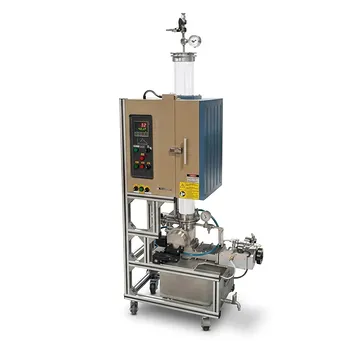
- 1100°C High Temperature Quartz Chamber Furnace 8 Inch OD with 7.6 Liter Capacity and Vacuum Atmosphere Capability
- High Temperature Vertical Atmosphere Controlled Furnace with Automatic Bottom Loading and 1700°C Capacity for Advanced Material Research
- High Temperature Cold Wall High Vacuum Chamber Furnace 1400C for Advanced Material Processing
- 1100C High Temperature Vacuum Crucible Furnace with Quartz Chamber for Thermal Processing and Sintering
- High Throughput 1200C Four Channel Tube Furnace with 3 Inch Quartz Tubes for Multi Zone Annealing and Material Research
People Also Ask
- Why is a quartz tube furnace necessary for phosphorus-doped MoS2/GO preparation? Ensure Purity & Precise Synthesis
- Benefits of high-vacuum quartz tube furnaces with N2 for Co3O4 nanosheets: Purity and Structural Integrity.
- What conditions does a quartz tube furnace provide for AlxCoCrFeNi steam corrosion tests? Achieve Precise R&D Control.
- Why is high-temperature annealing in a quartz tube furnace done after HfO2 deposition? Unlock peak film performance.
- Why is a high-purity quartz tube used for SP-Fe3O4-C? Ensure Chemical Purity & Catalytic Stability

Tech Team · ThermUnits
Last updated on Jun 02, 2026
Related Products

1100°C High Temperature Quartz Chamber Furnace 8 Inch OD with 7.6 Liter Capacity and Vacuum Atmosphere Capability
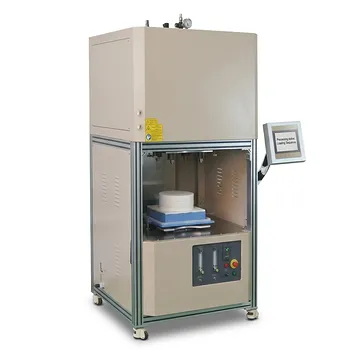
High Temperature Vertical Atmosphere Controlled Furnace with Automatic Bottom Loading and 1700°C Capacity for Advanced Material Research
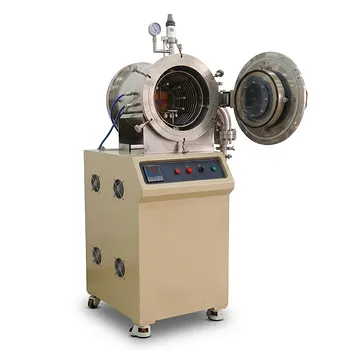
High Temperature Cold Wall High Vacuum Chamber Furnace 1400C for Advanced Material Processing
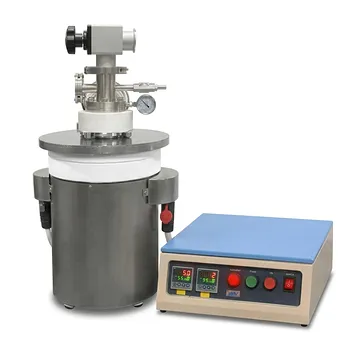
1100C High Temperature Vacuum Crucible Furnace with Quartz Chamber for Thermal Processing and Sintering
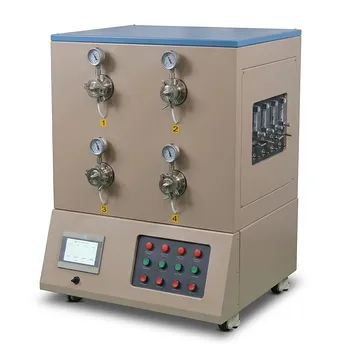
High Throughput 1200C Four Channel Tube Furnace with 3 Inch Quartz Tubes for Multi Zone Annealing and Material Research
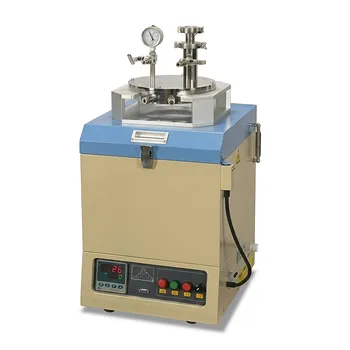
Vertical Vacuum Furnace 1100C High Temperature 8 Inch Quartz Chamber Water Cold Flange System
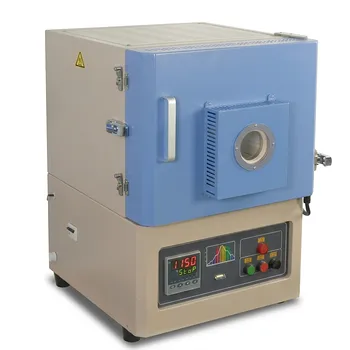
High Temperature Benchtop Muffle Furnace with Quartz Observation Window for Thermal Imaging and Material Analysis

High Temperature Automated 5 Inch Tube Furnace for Autonomous Material Research and Advanced Laboratory R&D
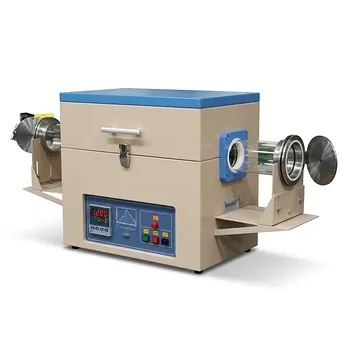
High Temperature 1200C Split Tube Furnace with Hinged Vacuum Flanges and 4 Inch Quartz Tube for Laboratory Research

1200°C 5 Inch Vertical Quartz Tube Furnace with Stainless Steel Vacuum Flanges