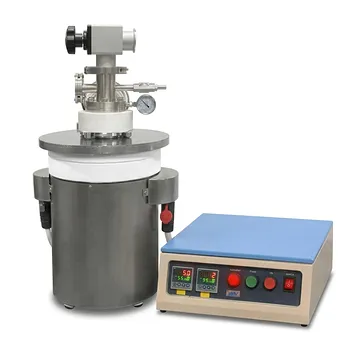
How does a quartz tube furnace prepare boron-diffused SE? Precision Thermal Control for High-Efficiency Solar Cells
Updated 3 months ago
The high-temperature quartz tube furnace acts as the primary thermal reactor for precision doping in semiconductor fabrication. By providing a strictly regulated heating environment, it facilitates the introduction of boron trichloride (BCl3) gas onto silicon wafers. This process enables the formation of a high-concentration p+ type selective emitter, which is a critical architecture for maximizing the efficiency of modern solar cells.
A high-temperature quartz tube furnace is fundamental for achieving uniform, high-concentration boron diffusion through precise temperature and atmospheric management. It ensures the accurate distribution of dopants required to transform standard silicon into high-performance selective emitters.
Precision Thermal Management for Dopant Diffusion
Achieving Uniform Dopant Distribution
The furnace provides a precise temperature field that is necessary for the consistent diffusion of boron atoms across the entire surface of a silicon wafer. This industrial-grade equipment ensures that the heat treatment is uniform, preventing "hot spots" that could lead to uneven electrical properties. Without this level of control, the selective emitter would lack the necessary p+ concentration required for high-efficiency energy conversion.
Facilitating Boron Trichloride (BCl3) Introduction
The furnace serves as the vessel where BCl3 gas is introduced to the silicon substrate under high heat. The elevated temperatures facilitate the chemical reaction and subsequent migration of boron atoms into the silicon crystal lattice. This controlled environment allows engineers to reach the high dopant concentrations necessary for reducing contact resistance in p+ type emitters.
High-Temperature Molecular Integration
At temperatures typically ranging between 800°C and 1000°C, the furnace enables the integration of boron atoms into the silicon framework. This thermal energy is required to overcome the activation energy for diffusion, allowing the boron to substitute into the lattice sites effectively. This structural reorganization is what defines the electronic properties of the selective emitter layer.
Atmospheric Control and Chemical Integrity
Preventing Extraneous Oxidation
The use of a quartz tube as the reaction vessel allows for a completely sealed environment, isolating the wafers from external air. By introducing inert protective atmospheres like nitrogen or argon, the furnace prevents the silicon from oxidizing during the high-heat phase. This ensures that the boron diffusion remains pure and the electrical characteristics of the wafer are not compromised by unwanted oxides.
Chemical Stability of the Quartz Vessel
Quartz is selected for these furnaces due to its excellent high-temperature chemical stability and resistance to thermal shock. It can withstand the corrosive nature of dopant gases like BCl3 without contaminating the silicon wafers with metallic impurities. This purity is essential for maintaining the high minority-carrier lifetimes required in high-efficiency solar cells.
Support for Multistage Pyrolysis and Calcination
In some preparation methods, the furnace supports a multistage process, such as preliminary pyrolysis to remove mass followed by final calcination. This structured approach to heating allows for the gradual reorganization of molecules, ensuring the final diffused layer has the correct crystallinity and morphology.
Understanding Technical Trade-offs and Pitfalls
Thermal Stress and Wafer Warpage
Rapid heating or cooling cycles within the quartz tube can induce thermal stress in silicon wafers. This stress can lead to physical warping or the introduction of micro-cracks, which significantly degrade the mechanical integrity of the solar cell. Precise control of the heating rate and "holding times" is required to mitigate these risks.
Quartz Devitrification
Repeated exposure to high temperatures and dopant chemicals can lead to the devitrification of the quartz tube, where the glass starts to crystallize and become brittle. This process can lead to the shedding of particles, which act as contaminants during the diffusion process. Regular maintenance and monitoring of the tube’s structural integrity are necessary for consistent industrial production.
Uniformity Limits in Large Batches
While tube furnaces are excellent for precision, maintaining uniformity across large batches of wafers can be challenging. Wafers located near the gas inlet may experience different dopant concentrations than those further down the tube. Overcoming this requires sophisticated gas flow dynamics and multi-zone heating elements to balance the thermal profile.
How to Optimize Your Diffusion Process
The success of boron-diffused selective emitter preparation depends on aligning the furnace parameters with your specific cell architecture goals.
- If your primary focus is maximizing electrical conductivity: Prioritize higher temperature setpoints and longer holding times to increase the depth and concentration of the boron p+ layer.
- If your primary focus is wafer mechanical yield: Implement slower ramp-up and ramp-down heating profiles to minimize thermal shock and prevent wafer warpage.
- If your primary focus is process purity: Ensure a strictly controlled nitrogen-hydrogen or argon atmosphere to prevent oxidation and regularly inspect the quartz tube for signs of devitrification.
Mastering the thermal and atmospheric variables of the quartz tube furnace is the definitive path to producing high-efficiency, boron-diffused selective emitters.
Summary Table:
| Feature | Role in Selective Emitter (SE) Preparation | Key Benefit |
|---|---|---|
| Thermal Precision | Regulates 800°C–1000°C heat fields | Ensures uniform p+ dopant distribution |
| BCl3 Introduction | Controlled gas-to-wafer interaction | High-concentration boron layer formation |
| Atmosphere Control | Sealing with Nitrogen or Argon | Prevents oxidation and maintains integrity |
| Quartz Stability | High-purity, shock-resistant reactor | Eliminates metallic impurity contamination |
| Thermal Ramping | Controlled heating/cooling cycles | Minimizes wafer warping and thermal stress |
Elevate Your Material Research with THERMUNITS Precision Furnaces
Maximize the efficiency of your solar cells and semiconductor projects with industry-leading thermal solutions. THERMUNITS is a premier manufacturer specializing in high-performance laboratory and industrial heating equipment. Whether you are developing p+ type selective emitters or exploring advanced material synthesis, our technology ensures the precision and purity your R&D demands.
Our comprehensive product range includes:
- Tube & Rotary Furnaces for precise gas-phase diffusion and calcination.
- CVD/PECVD Systems for advanced thin-film deposition.
- Vacuum, Atmosphere, & Muffle Furnaces for versatile heat treatments.
- Specialized Solutions: Hot Press, Dental, Vacuum Induction Melting (VIM) furnaces, and high-quality Thermal Elements.
Ready to optimize your boron diffusion process?
Contact THERMUNITS today to discuss your custom thermal processing requirements with our experts!
References
- Qinqin Wang, Jianning Ding. Effects on Metallization of n+-Poly-Si Layer for N-Type Tunnel Oxide Passivated Contact Solar Cells. DOI: 10.3390/ma17112747
Mentioned Products
- Dual Zone Quartz Tube Furnace with 80mm Diameter 1200C Max Temperature 3 Channel Gas Mixer and Vacuum Pump System
- 1100°C High Temperature Quartz Chamber Furnace 8 Inch OD with 7.6 Liter Capacity and Vacuum Atmosphere Capability
- Compact Vertical Split Quartz Tube Furnace with Stainless Steel Vacuum Flanges for Rapid Thermal Quenching and Controlled Atmosphere Material Processing
- 1100°C Large Diameter Quartz Tube Furnace with 24 Inch Heating Zone and Water Cooled Flanges
- 1200°C 5 Inch Vertical Quartz Tube Furnace with Stainless Steel Vacuum Flanges
People Also Ask
- How do dual-zone quartz tube furnaces achieve controllable material preparation? Optimize Perovskite VD Processes
- What are the technical advantages of using a dual-zone tube furnace for growing large PdCoO2 crystals via CVT? Expert Tips
- Purpose of the reverse gradient step in CVT growth? Master Crystal Purity with Dual-Zone Furnaces
- Why is it necessary to place MoS2 devices in a dual-zone tube furnace for annealing? Optimize Lattice Repair & Doping
- Why is a dual-zone tube furnace necessary for ReO3-doped Cu2Te CVD? Essential for precise precursor synchronization.

Tech Team · ThermUnits
Last updated on Jun 02, 2026
Related Products
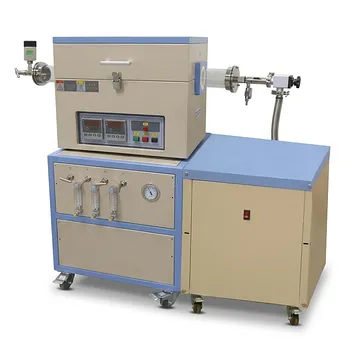
Dual Zone Quartz Tube Furnace with 80mm Diameter 1200C Max Temperature 3 Channel Gas Mixer and Vacuum Pump System
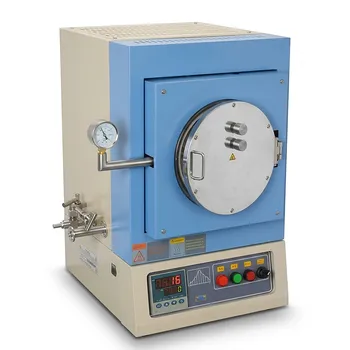
1100°C High Temperature Quartz Chamber Furnace 8 Inch OD with 7.6 Liter Capacity and Vacuum Atmosphere Capability

Compact Vertical Split Quartz Tube Furnace with Stainless Steel Vacuum Flanges for Rapid Thermal Quenching and Controlled Atmosphere Material Processing
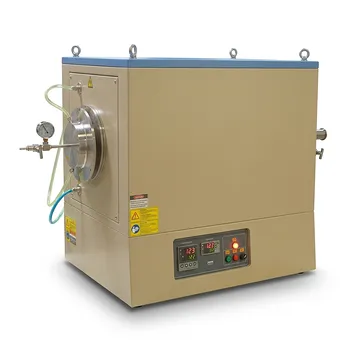
1100°C Large Diameter Quartz Tube Furnace with 24 Inch Heating Zone and Water Cooled Flanges

1200°C 5 Inch Vertical Quartz Tube Furnace with Stainless Steel Vacuum Flanges
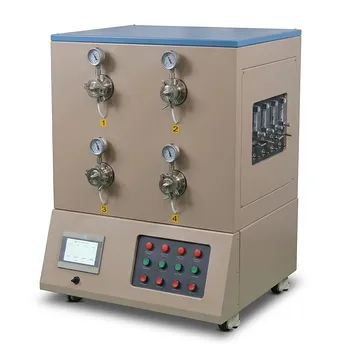
High Throughput 1200C Four Channel Tube Furnace with 3 Inch Quartz Tubes for Multi Zone Annealing and Material Research
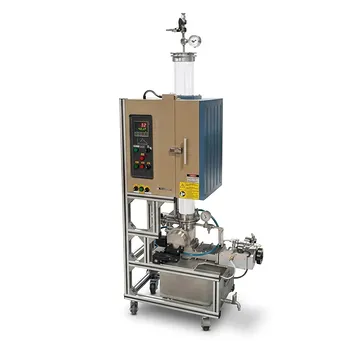
1200C High Temperature Atmosphere Controlled Vertical Quenching Tube Furnace with 4 Inch Quartz Tube
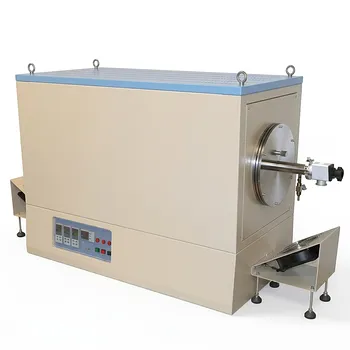
1100°C Three Zone Tube Furnace with 8.5 to 11 Inch OD Quartz Tube and Vacuum Flanges for Large Wafer Processing
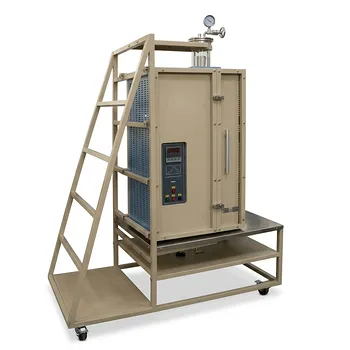
Split Vertical Tube Furnace with 1200C Quartz Tube and Stainless Steel Vacuum Flanges for Rapid Thermal Processing
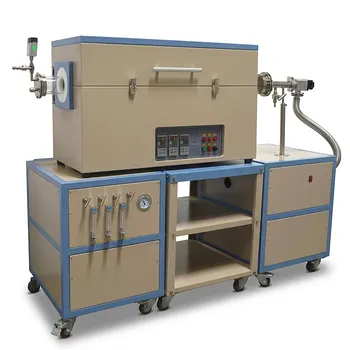
Three Zone Quartz Tube Furnace with 3 Channel Gas Mixer Vacuum Pump and Anti Corrosive Vacuum Gauge

Three Zone Tube Furnace with 11 Inch or 15 Inch Quartz Tube and Hinged Flanges for Vacuum Atmosphere Heat Treatment
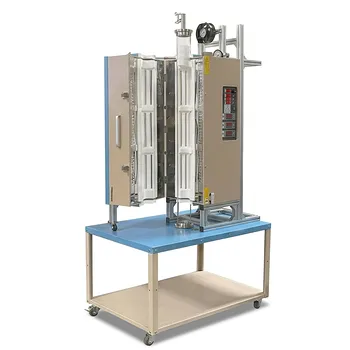
1200C Three Zone Split Vertical Tube Furnace 4 Inch Quartz Tube Stainless Steel Vacuum Flanges
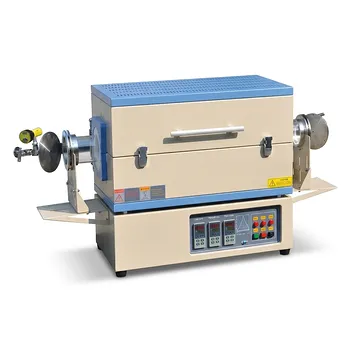
Three Zone Tube Furnace with 24 Inch Heating Length and Hinged Flange Quartz Tube System
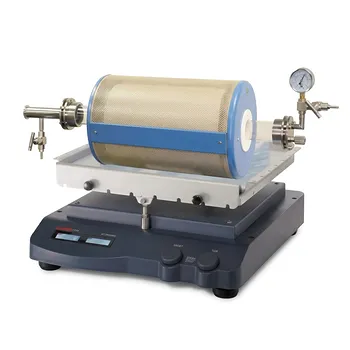
High Temperature Rocking Tube Furnace with Quartz Tube and Vacuum Flange for Materials Synthesis
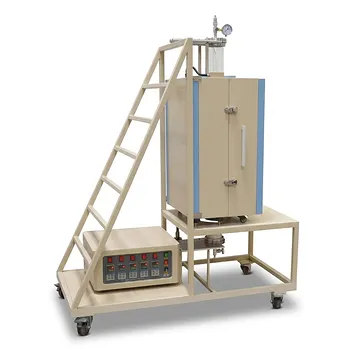
Five Zone Split Vertical Tube Furnace 1200C Max with 4 Inch Quartz Tube and Stainless Steel Vacuum Flanges
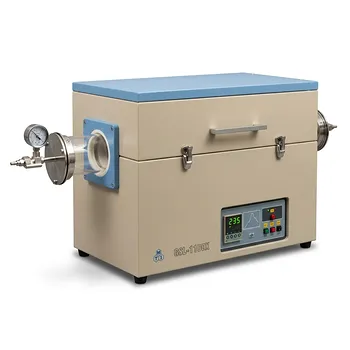
Single Zone Tube Furnace 5 Inch Quartz Tube 36 Inch Heating Zone Vacuum Flanges
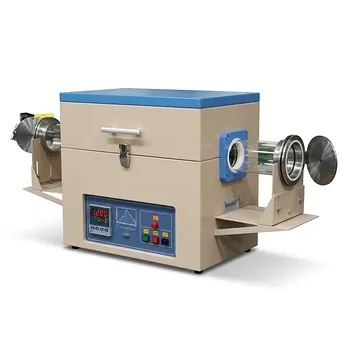
High Temperature 1200C Split Tube Furnace with Hinged Vacuum Flanges and 4 Inch Quartz Tube for Laboratory Research
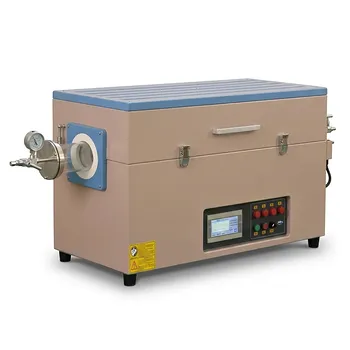
1200C Four Zone Split Tube Furnace with Touch Screen Control and High Purity Quartz Tube and Vacuum Sealing Flanges

High Temperature Automated 5 Inch Tube Furnace for Autonomous Material Research and Advanced Laboratory R&D