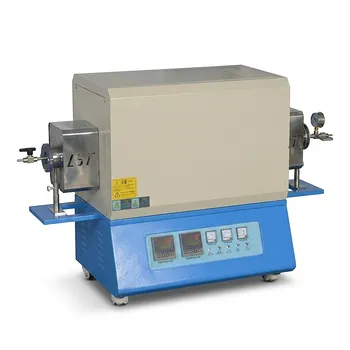
Benefits of high-vacuum quartz tube furnaces with N2 for Co3O4 nanosheets: Purity and Structural Integrity.
Updated 5 months ago
Utilizing a high-vacuum quartz tube furnace with a nitrogen (N2) atmosphere ensures the structural and chemical integrity of cobalt oxide (Co3O4) nanosheets. This specific setup prevents unintended oxidation or phase transitions during high-temperature treatment at 450°C, while facilitating the development of a stable porous morphology that maximizes active sites for antibacterial reactions.
This specialized thermal environment acts as a safeguard against chemical degradation, allowing for the precise dehydration of precursors into high-surface-area nanosheets with optimized crystalline structures.
Prevention of Unintended Phase Transitions and Oxidation
The Role of the Nitrogen Shield
High-purity nitrogen creates a strict protective atmosphere that excludes oxygen from the reaction chamber. This environment is essential for preventing cobalt oxide from undergoing unwanted oxidation or shifting into different chemical phases during the 450°C calcination process.
Maintaining Chemical Purity
The high-vacuum capability allows for the removal of residual air and volatile contaminants before the nitrogen flow begins. This ensures that the resulting Co3O4 nanosheets are free from impurities that could interfere with their specific chemical properties or catalytic performance.
Stabilization of Active Sites
By excluding oxygen, the furnace ensures that the cobalt active sites remain in their intended state. This control is critical for preserving the specific electronic configuration required for high-efficiency antibacterial applications.
Structural Optimization and Porosity Development
Creating Stable Porous Architectures
The controlled thermal environment within the quartz tube allows nanosheet precursors to undergo dehydration in a stable manner. This steady process is what permits the formation of a robust, porous morphology rather than a collapsed or dense structure.
Maximizing Surface Area for Reactivity
A primary benefit of this porous structure is the significant increase in specific surface area. More surface area translates directly to a higher density of available active sites, which is the key driver for the material's antibacterial effectiveness.
Inducing Necessary Defect Sites
In some configurations, regulating the gas environment can induce oxygen vacancies or specific lattice defects. These "active sites" are often necessary to optimize electron selectivity and enhance the overall reactivity of the nanosheets.
Thermal Uniformity and Precision Control
Regulating the Dehydration Process
The quartz tube is designed to withstand extreme temperatures while maintaining a uniform thermal field. This uniformity ensures that every part of the nanosheet sample experiences the same heating rate, preventing localized overheating and structural inconsistencies.
Managing Heating Rates and Crystalline Growth
Precise control over the heating rate (often as low as 5°C/min) allows for the gradual removal of volatile chemical components. This slow, steady decomposition is vital for achieving nanometer-scale particle sizes and a well-defined crystalline structure.
Achieving Specific Graphitization and Crystallinity
While the primary focus is on the Co3O4 nanosheets, the precision of the tube furnace allows for the fine-tuning of crystallinity. This is critical for achieving the specific nanostructure required to enhance catalytic activity and long-term stability.
Understanding the Trade-offs
Equipment Complexity and Cost
High-vacuum systems and quartz tube furnaces represent a significant investment compared to standard muffle furnaces. The need for specialized gas handling and vacuum pumps increases both the initial capital expenditure and the ongoing maintenance requirements.
Throughput and Scalability
Tube furnaces are typically designed for research-scale or batch processing rather than high-volume manufacturing. The physical dimensions of the quartz tube limit the amount of material that can be processed in a single run while maintaining thermal uniformity.
Material Fragility
Quartz tubes, while excellent for maintaining purity and withstanding high temperatures, are susceptible to thermal shock and physical damage. Handling these components requires strict adherence to cooling protocols to prevent cracking or structural failure.
Applying This to Your Project
Recommendations for Material Synthesis
The choice of furnace settings should depend on your specific performance requirements for the cobalt oxide nanosheets.
- If your primary focus is Maximum Antibacterial Activity: Utilize the high-vacuum setting to ensure total removal of contaminants before introducing high-purity N2 to maximize porous active sites.
- If your primary focus is Crystalline Purity: Prioritize a slow, steady heating rate (e.g., 5°C/min) to 450°C to allow for the uniform dehydration and phase transition of the precursors.
- If your primary focus is Morphological Stability: Ensure a constant, regulated nitrogen flow rate to maintain a stable pressure environment throughout the entire calcination and cooling cycle.
Precise atmospheric and thermal regulation is the defining factor in transforming raw precursors into high-performance, porous cobalt oxide nanosheets.
Summary Table:
| Benefit Category | Key Feature | Impact on Co3O4 Nanosheets |
|---|---|---|
| Atmosphere Control | Nitrogen (N2) Shield | Prevents unintended oxidation and phase transitions. |
| Chemical Purity | High-Vacuum Removal | Eliminates residual air and volatile contaminants. |
| Structural Growth | Controlled Dehydration | Facilitates stable porous morphology and active sites. |
| Thermal Precision | Uniform Thermal Field | Ensures consistent crystallinity and nanometer particle size. |
Elevate Your Material Research with THERMUNITS
As a leading manufacturer of high-temperature laboratory equipment for material science and industrial R&D, THERMUNITS provides the precision tools necessary for advanced synthesis. Our comprehensive range of Vacuum, Atmosphere, and Tube Furnaces is specifically designed to handle the rigorous demands of cobalt oxide calcination and other complex heat treatments.
Why partner with THERMUNITS?
- Precision Control: Our CVD/PECVD and tube furnace systems offer the thermal uniformity and atmospheric stability required for high-performance nanosheets.
- Versatile Solutions: From Rotary Kilns and Hot Press Furnaces to Vacuum Induction Melting (VIM), we cover every stage of laboratory and industrial heat treatment.
- Expert Engineering: We help you maximize active sites and structural integrity in your materials through superior thermal processing.
Ready to enhance your lab's efficiency and material performance? Contact our technical experts today to find your solution!
References
- Jinteng Qi, Yunfeng Qiu. Polydopamine-Coated Copper-Doped Co3O4 Nanosheets Rich in Oxygen Vacancy on Titanium and Multimodal Synergistic Antibacterial Study. DOI: 10.3390/ma17092019
Mentioned Products
- 1100°C High Temperature Quartz Chamber Furnace 8 Inch OD with 7.6 Liter Capacity and Vacuum Atmosphere Capability
- 1200°C 5 Inch Vertical Quartz Tube Furnace with Stainless Steel Vacuum Flanges
- High Temperature 1200C Split Tube Furnace with Hinged Vacuum Flanges and 4 Inch Quartz Tube for Laboratory Research
- High Temperature Automated 5 Inch Tube Furnace for Autonomous Material Research and Advanced Laboratory R&D
- 1100°C Three Zone Tube Furnace with 8.5 to 11 Inch OD Quartz Tube and Vacuum Flanges for Large Wafer Processing
People Also Ask
- Why is a quartz tube furnace necessary for phosphorus-doped MoS2/GO preparation? Ensure Purity & Precise Synthesis
- What conditions does a quartz tube furnace provide for AlxCoCrFeNi steam corrosion tests? Achieve Precise R&D Control.
- Why is high-temperature annealing in a quartz tube furnace done after HfO2 deposition? Unlock peak film performance.
- Why is a high-purity quartz tube used for SP-Fe3O4-C? Ensure Chemical Purity & Catalytic Stability
- How does a quartz tube furnace prepare boron-diffused SE? Precision Thermal Control for High-Efficiency Solar Cells

Tech Team · ThermUnits
Last updated on Apr 14, 2026
Related Products
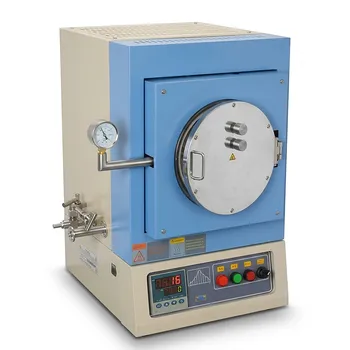
1100°C High Temperature Quartz Chamber Furnace 8 Inch OD with 7.6 Liter Capacity and Vacuum Atmosphere Capability
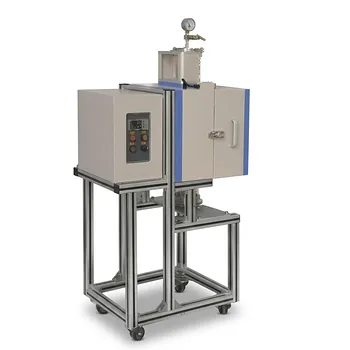
1200°C 5 Inch Vertical Quartz Tube Furnace with Stainless Steel Vacuum Flanges
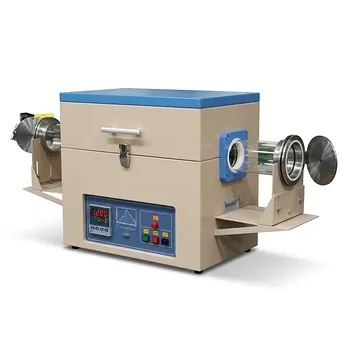
High Temperature 1200C Split Tube Furnace with Hinged Vacuum Flanges and 4 Inch Quartz Tube for Laboratory Research

High Temperature Automated 5 Inch Tube Furnace for Autonomous Material Research and Advanced Laboratory R&D
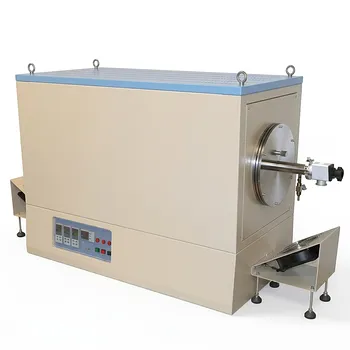
1100°C Three Zone Tube Furnace with 8.5 to 11 Inch OD Quartz Tube and Vacuum Flanges for Large Wafer Processing
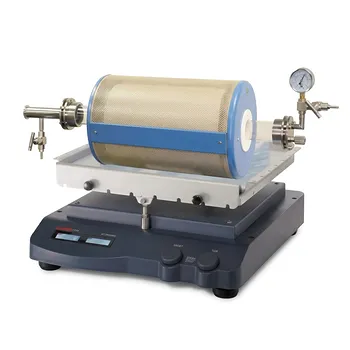
High Temperature Rocking Tube Furnace with Quartz Tube and Vacuum Flange for Materials Synthesis
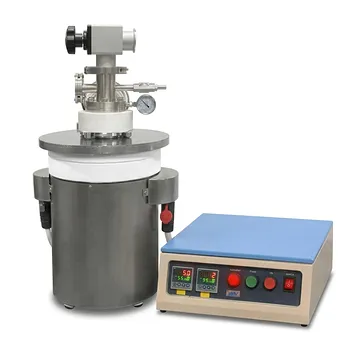
1100C High Temperature Vacuum Crucible Furnace with Quartz Chamber for Thermal Processing and Sintering
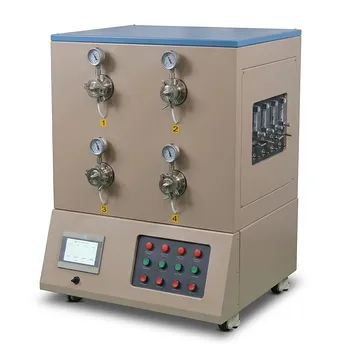
High Throughput 1200C Four Channel Tube Furnace with 3 Inch Quartz Tubes for Multi Zone Annealing and Material Research
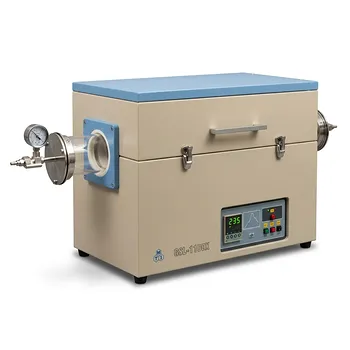
Single Zone Tube Furnace 5 Inch Quartz Tube 36 Inch Heating Zone Vacuum Flanges
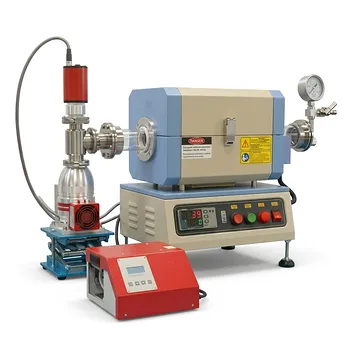
High Vacuum Compact Tube Furnace 1200C with Integrated Turbo Pump System and 8 Inch Heating Zone
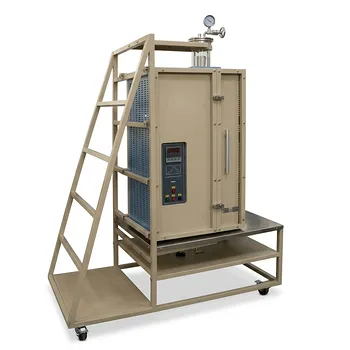
Split Vertical Tube Furnace with 1200C Quartz Tube and Stainless Steel Vacuum Flanges for Rapid Thermal Processing
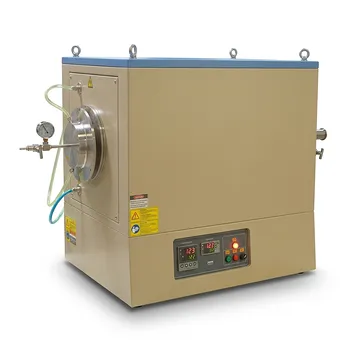
1100°C Large Diameter Quartz Tube Furnace with 24 Inch Heating Zone and Water Cooled Flanges
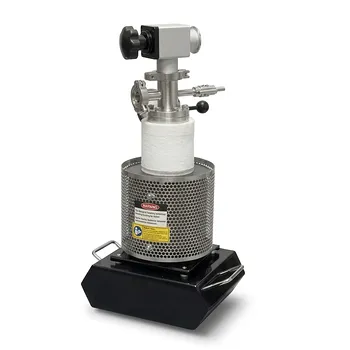
High Temperature 1100C Compact Top Loading Vertical Vacuum Tube Furnace for High Vacuum Noble Metal Melting and Material Research

1800C High Temperature Compact Vacuum Tube Furnace with 60mm OD Alumina Tube and Kanthal MoSi2 Heating Elements
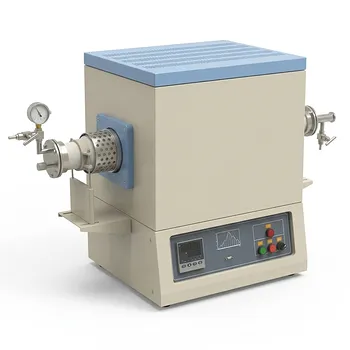
1750°C High Temperature Benchtop Vacuum Atmosphere Tube Furnace with Kanthal Super 1800 Heating Elements and 60mm Alumina Processing Tube
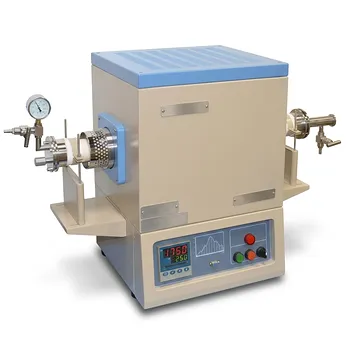
High Temperature Compact Vacuum Tube Furnace 1750C Max 60mm OD Alumina Tube

Compact Vertical Split Quartz Tube Furnace with Stainless Steel Vacuum Flanges for Rapid Thermal Quenching and Controlled Atmosphere Material Processing
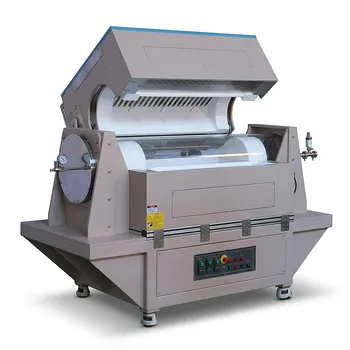
Three Zone Tube Furnace with 11 Inch or 15 Inch Quartz Tube and Hinged Flanges for Vacuum Atmosphere Heat Treatment
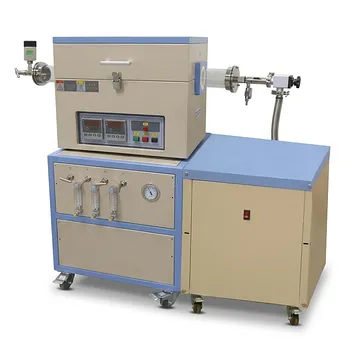
Dual Zone Quartz Tube Furnace with 80mm Diameter 1200C Max Temperature 3 Channel Gas Mixer and Vacuum Pump System