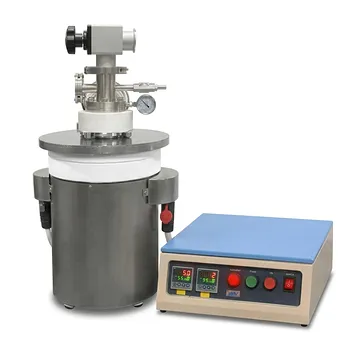
Why is a quartz tube furnace necessary for phosphorus-doped MoS2/GO preparation? Ensure Purity & Precise Synthesis
Updated 3 months ago
A quartz tube furnace is the fundamental requirement for synthesizing phosphorus-doped $MoS_2/GO$ heterojunctions due to its unique combination of thermal stability and chemical inertness. It provides a high-purity environment that withstands the 950°C temperatures required for phosphorus doping while preventing the introduction of external impurities. Furthermore, the furnace allows for the precise regulation of the gas atmosphere, which is essential for managing the complex chemical vapor deposition (CVD) kinetics required to form a functional heterojunction.
The quartz tube furnace acts as a controlled reactor that isolates the synthesis process from contaminants and provides the stable thermal field necessary for vapor-phase doping. This precise environmental control ensures the structural integrity and electrical consistency of the resulting phosphorus-doped $MoS_2/GO$ thin films.
Maintaining High-Purity Environments at Extreme Temperatures
Chemical Stability at 950°C
The synthesis and doping of $MoS_2/GO$ heterojunctions require temperatures reaching 950°C, a point where many materials begin to degrade or react. Quartz is selected for its exceptional thermal resistance and chemical stability, ensuring the tube does not react with the precursors or the substrate.
Prevention of Material Contamination
At such high temperatures, even trace amounts of metallic or organic impurities can compromise the electrical properties of the thin film. The high-purity quartz prevents the introduction of these contaminants, maintaining the integrity of the phosphorus doping process and the $MoS_2/GO$ interface.
Precision Control of Doping and Growth Kinetics
Regulation of Vapor-Phase Atmosphere
The furnace design allows for the introduction of specific process gases like Nitrogen ($N_2$), Hydrogen ($H_2$), and Methane ($CH_4$). This capability is vital for regulating the doping atmosphere, as the ratio of these gases directly influences how phosphorus atoms are incorporated into the $MoS_2$ lattice.
Managing Precursor Transport and Thermal Gradients
A tube furnace provides a stable environment for the sublimation of solid precursors, such as sulfur or molybdenum trioxide. By controlling the temperature gradient and fluid dynamics within the tube, the furnace ensures that reactant vapors are delivered uniformly to the substrate surface.
Structural Integrity and Interface Optimization
Lattice Repair and Bond Stability
High-temperature treatment within the furnace helps to repair structural defects that may occur during the initial growth stages. This process strengthens the stability of the Mo-S chemical bonds, which is essential for the long-term performance and durability of the heterojunction device.
Enhancing Heterojunction Interface Contact
The controlled thermal environment facilitates better interface contact between the $MoS_2$ and the Graphene Oxide (GO) layers. Stable heating eliminates residual impurities and improves the physical adhesion between the layers, which directly impacts the efficiency of charge transfer across the heterojunction.
Understanding Technical Constraints and Trade-offs
Fragility and Thermal Shock
While quartz is highly resistant to heat, it is physically fragile and susceptible to thermal shock. Rapid heating or cooling cycles can cause the tube to crack, requiring precise "ramping" of temperatures which can increase the total processing time.
Limitations of Single-Zone Heating
In some configurations, a single-zone furnace may struggle to provide independent temperature control for different precursors. A double-temperature zone furnace is often preferred because it allows for distinct heating curves, ensuring that both the phosphorus source and the molybdenum source reach their optimal vapor pressures at the same time.
How to Apply This to Your Project
The necessity of the quartz tube furnace depends on your specific goals for the thin film synthesis and the level of precision required for your application.
- If your primary focus is material purity: Prioritize a high-purity quartz tube and ensure the furnace seals are airtight to prevent oxygen contamination during the 950°C doping phase.
- If your primary focus is uniform doping levels: Utilize a furnace with high-precision gas flow controllers to maintain a consistent ratio of process gases throughout the growth cycle.
- If your primary focus is large-area heterojunction growth: Implement a double-zone tube furnace to independently regulate the transport rates of different solid precursors.
Ultimately, the quartz tube furnace is the only tool capable of providing the pristine, high-heat environment necessary to engineer phosphorus-doped $MoS_2/GO$ films with atomic-level precision.
Summary Table:
| Feature | Benefit for MoS2/GO Synthesis | Technical Importance |
|---|---|---|
| 950°C Thermal Stability | Resists degradation during high-heat doping | Ensures structural integrity of the tube |
| Chemical Inertness | Prevents precursor reactions with the tube | Maintains high purity and film electrical properties |
| Atmosphere Control | Precise regulation of N2, H2, and CH4 gases | Manages CVD kinetics for consistent doping |
| Thermal Gradient | Uniform sublimation of solid precursors | Ensures even material deposition across the substrate |
| Interface Optimization | Repairs lattice defects and enhances adhesion | Improves charge transfer efficiency in heterojunctions |
Elevate Your Material Research with THERMUNITS
Unlock the full potential of your thin-film synthesis with precision-engineered equipment. THERMUNITS is a leading manufacturer of high-temperature laboratory equipment for material science and industrial R&D. We offer a comprehensive range of thermal processing solutions, including Tube Furnaces, CVD/PECVD systems, Vacuum/Atmosphere Furnaces, and Muffle Furnaces designed to meet the rigorous demands of phosphorus doping and heterojunction growth.
Whether you require a custom double-zone tube furnace for precise precursor transport or high-purity quartz components, our team is ready to support your laboratory's heat treatment needs.
Ready to optimize your synthesis process? Contact us today to receive a technical consultation and quote!
References
- X-MoS2/GO/Graphene Heterostructures and Doping Effects: KPFM Based Study of Surface Potential. DOI: 10.33263/briac145.118
Mentioned Products
- 1100°C High Temperature Quartz Chamber Furnace 8 Inch OD with 7.6 Liter Capacity and Vacuum Atmosphere Capability
- Dual Zone Quartz Tube Furnace with 80mm Diameter 1200C Max Temperature 3 Channel Gas Mixer and Vacuum Pump System
- Compact Vertical Split Quartz Tube Furnace with Stainless Steel Vacuum Flanges for Rapid Thermal Quenching and Controlled Atmosphere Material Processing
- 1100°C Large Diameter Quartz Tube Furnace with 24 Inch Heating Zone and Water Cooled Flanges
- 1200°C 5 Inch Vertical Quartz Tube Furnace with Stainless Steel Vacuum Flanges
People Also Ask
- Benefits of high-vacuum quartz tube furnaces with N2 for Co3O4 nanosheets: Purity and Structural Integrity.
- What conditions does a quartz tube furnace provide for AlxCoCrFeNi steam corrosion tests? Achieve Precise R&D Control.
- Why is high-temperature annealing in a quartz tube furnace done after HfO2 deposition? Unlock peak film performance.
- Why is a high-purity quartz tube used for SP-Fe3O4-C? Ensure Chemical Purity & Catalytic Stability
- How does a quartz tube furnace prepare boron-diffused SE? Precision Thermal Control for High-Efficiency Solar Cells

Tech Team · ThermUnits
Last updated on Jun 02, 2026
Related Products
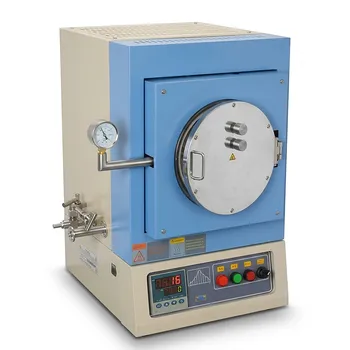
1100°C High Temperature Quartz Chamber Furnace 8 Inch OD with 7.6 Liter Capacity and Vacuum Atmosphere Capability
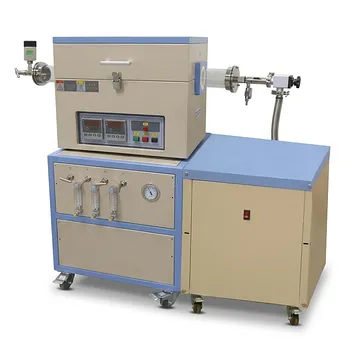
Dual Zone Quartz Tube Furnace with 80mm Diameter 1200C Max Temperature 3 Channel Gas Mixer and Vacuum Pump System

Compact Vertical Split Quartz Tube Furnace with Stainless Steel Vacuum Flanges for Rapid Thermal Quenching and Controlled Atmosphere Material Processing
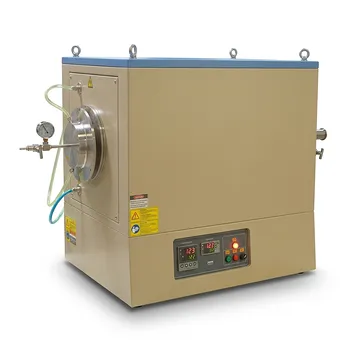
1100°C Large Diameter Quartz Tube Furnace with 24 Inch Heating Zone and Water Cooled Flanges
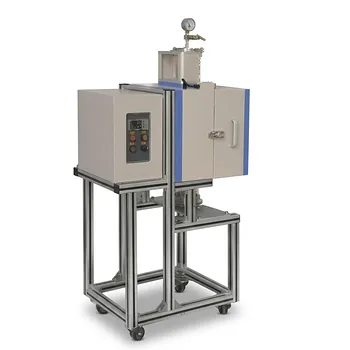
1200°C 5 Inch Vertical Quartz Tube Furnace with Stainless Steel Vacuum Flanges
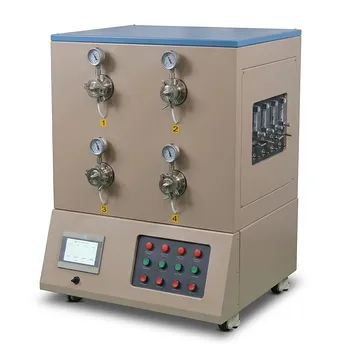
High Throughput 1200C Four Channel Tube Furnace with 3 Inch Quartz Tubes for Multi Zone Annealing and Material Research
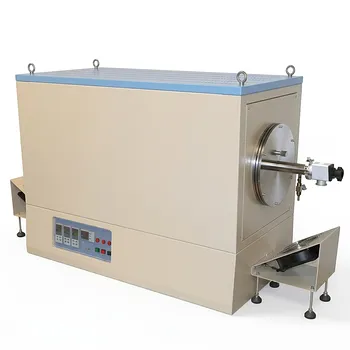
1100°C Three Zone Tube Furnace with 8.5 to 11 Inch OD Quartz Tube and Vacuum Flanges for Large Wafer Processing
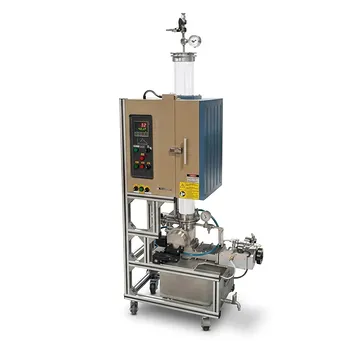
1200C High Temperature Atmosphere Controlled Vertical Quenching Tube Furnace with 4 Inch Quartz Tube
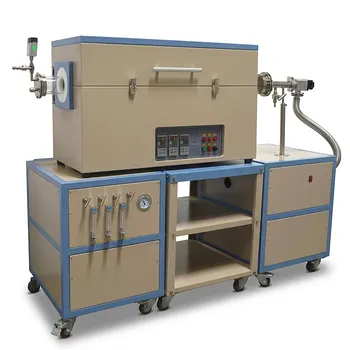
Three Zone Quartz Tube Furnace with 3 Channel Gas Mixer Vacuum Pump and Anti Corrosive Vacuum Gauge
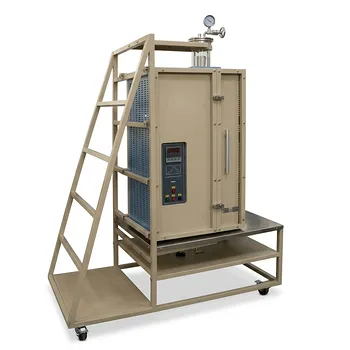
Split Vertical Tube Furnace with 1200C Quartz Tube and Stainless Steel Vacuum Flanges for Rapid Thermal Processing
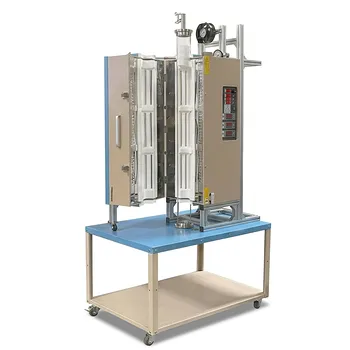
1200C Three Zone Split Vertical Tube Furnace 4 Inch Quartz Tube Stainless Steel Vacuum Flanges
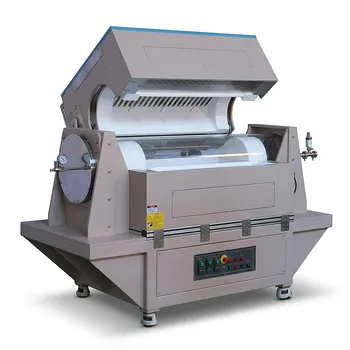
Three Zone Tube Furnace with 11 Inch or 15 Inch Quartz Tube and Hinged Flanges for Vacuum Atmosphere Heat Treatment
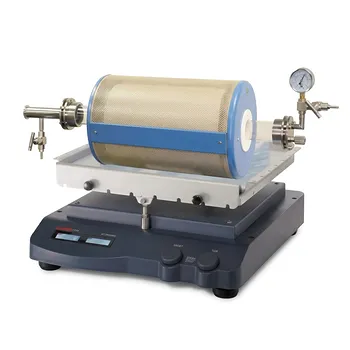
High Temperature Rocking Tube Furnace with Quartz Tube and Vacuum Flange for Materials Synthesis

High Temperature Automated 5 Inch Tube Furnace for Autonomous Material Research and Advanced Laboratory R&D
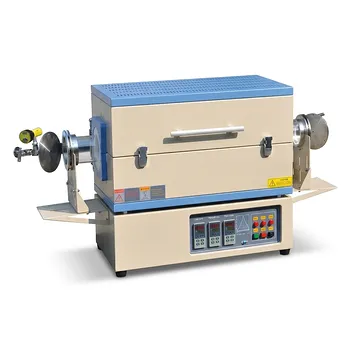
Three Zone Tube Furnace with 24 Inch Heating Length and Hinged Flange Quartz Tube System
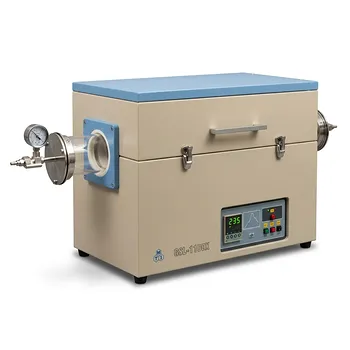
Single Zone Tube Furnace 5 Inch Quartz Tube 36 Inch Heating Zone Vacuum Flanges
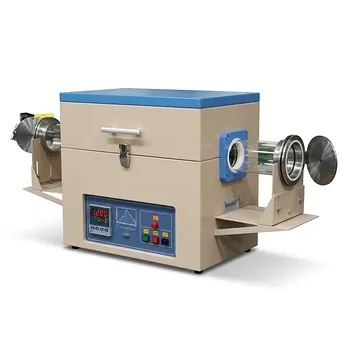
High Temperature 1200C Split Tube Furnace with Hinged Vacuum Flanges and 4 Inch Quartz Tube for Laboratory Research
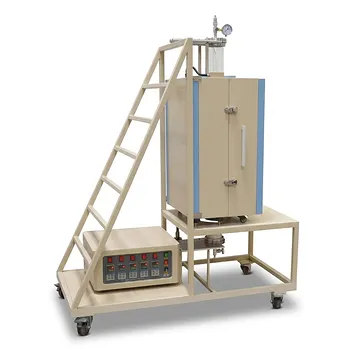
Five Zone Split Vertical Tube Furnace 1200C Max with 4 Inch Quartz Tube and Stainless Steel Vacuum Flanges
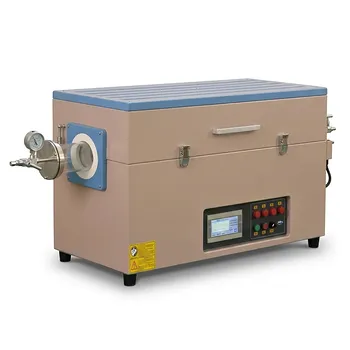
1200C Four Zone Split Tube Furnace with Touch Screen Control and High Purity Quartz Tube and Vacuum Sealing Flanges