What are the technical requirements for a vertical tube furnace for slag viscosity? Key Specs for Precision Control
Updated 3 months ago
A vertical tube furnace for slag viscosity measurement must provide a stable, uniform thermal zone and high-precision incremental cooling control. Specifically, the system must accommodate a crucible and viscometer rotor within a long isothermal zone while executing controlled 25 K cooling steps. This specialized setup ensures the molten slag remains at thermodynamic equilibrium during the acquisition of accurate temperature-viscosity curves.
To accurately measure temperature-viscosity gradients, a vertical tube furnace must combine a deep uniform thermal field with the ability to maintain steady-state equilibrium at specific cooling increments. This allows researchers to capture the precise transition of slag behavior across a wide thermal range.
Essential Thermal and Control Specifications
The Requirement for a Long Isothermal Zone
The furnace must provide a sufficiently long and uniform thermal zone to house both the crucible and the viscometer rotor. This ensures that the entire volume of the slag sample and the measurement interface are maintained at a stable, identical temperature.
Precision Incremental Cooling Control
For viscosity gradient measurements, the control system must be capable of 25 K incremental steps. Each step requires long-term steady-state holding capabilities to allow the slag to stabilize before the next data point is captured.
High-Temperature Stability and Range
The equipment must reliably reach and maintain temperatures between 1050°C and 1350°C, and in some specialized refining simulations, up to 1873 K (1600°C). Achieving this requires a sophisticated PID control system to prevent thermal overshoot during sensitive cooling phases.
Hardware and Material Standards
High-Performance Heating Elements
To sustain the extreme temperatures required for molten slag, furnaces are typically equipped with Molybdenum Disilicide (MoSi2) heating elements. These elements provide the consistent heat output necessary for studying high-temperature thermodynamics and steel-slag reactions.
Ceramic Working Tubes and Crucibles
The internal environment is defined by high-quality aluminosilicate ceramic working tubes. These materials are chosen for their thermal shock resistance and their ability to maintain structural integrity under prolonged exposure to high-heat cycles.
Atmospheric Control and Inert Environments
To simulate industrial smelting or refining, the furnace must support the introduction of high-purity argon. This creates an inert or reducing atmosphere, preventing unwanted oxidation of the slag or the internal metal components during the experiment.
The Advantage of Vertical Configuration
Suspension and Alignment Accuracy
A vertical orientation is critical for the accurate suspension of the viscometer rotor. It ensures the rotor is perfectly centered within the crucible, which is essential for obtaining valid rheological data from the molten slag.
Integration with Quenching Mechanisms
The vertical design facilitates the use of a movable base or suspended sample holder. This allows for "drop-quenching," where samples are rapidly transferred from the high-temperature zone to a cooling zone to freeze the phase equilibrium state for later analysis.
Simulating Industrial Smelting Processes
The vertical setup allows researchers to simulate the reduction environment of industrial nickel or copper smelting. By controlling the interaction between leaching residues, slag, and reducing agents, the furnace helps in studying the concentration of valuable metals into a matte or metal alloy phase.
Understanding the Technical Trade-offs
Thermal Lag and Equilibrium Time
While the furnace can change temperatures in 25 K increments, the slag itself has high thermal mass. You must account for significant dwell times at each step; failing to allow the sample to reach thermodynamic equilibrium will result in "shifted" viscosity curves that do not reflect true material properties.
Material Stress and Degradation
Operating MoSi2 elements and ceramic tubes near their upper limits accelerates material fatigue. Frequent cycling between 1050°C and 1600°C can lead to micro-cracking in the working tube, potentially compromising the inert atmosphere or leading to unexpected equipment failure.
Making the Right Choice for Your Research Goal
To ensure your furnace configuration meets your specific experimental needs, consider the following recommendations:
- If your primary focus is viscosity gradient mapping: Prioritize a control system capable of precise 25 K step-cooling and a furnace with a verified 15cm+ isothermal zone.
- If your primary focus is metal recovery and smelting simulation: Ensure the furnace is equipped with gas-tight seals for high-purity argon and a sample suspension system that can handle reducing agents.
- If your primary focus is phase equilibrium and quenching: Invest in a model with a motorized movable base or a rapid-drop trigger mechanism to ensure the "frozen" state of the slag is captured instantly.
By aligning these technical requirements with your specific research objectives, you can ensure high-fidelity data and a deeper understanding of slag thermodynamics.
Summary Table:
| Feature | Technical Requirement | Importance for Slag Analysis |
|---|---|---|
| Temperature Range | 1050°C to 1600°C (1873 K) | Covers industrial smelting and refining simulations. |
| Thermal Stability | Long Isothermal Zone | Ensures uniform temperature for crucible and viscometer rotor. |
| Cooling Precision | 25 K Incremental Steps | Vital for capturing accurate temperature-viscosity gradients. |
| Heating Elements | Molybdenum Disilicide (MoSi2) | Provides high-output, consistent heat for thermodynamics. |
| Atmosphere | Inert / Reducing (High-purity Argon) | Prevents oxidation and simulates smelting environments. |
| Configuration | Vertical Alignment | Critical for rotor suspension and drop-quenching mechanisms. |
Elevate Your Material Research with THERMUNITS
Precision is non-negotiable when measuring complex thermodynamics like slag viscosity. THERMUNITS is a leading manufacturer of high-temperature laboratory equipment for material science and industrial R&D. We specialize in delivering the stability and control required for high-fidelity data.
Our comprehensive range of thermal processing solutions includes:
- Advanced Furnaces: Muffle, Vacuum, Atmosphere, Tube, Rotary, and Hot Press furnaces.
- Specialized Systems: CVD/PECVD systems, Dental Furnaces, and Electric Rotary Kilns.
- High-End Industrial Tools: Vacuum Induction Melting (VIM) furnaces and precision Thermal Elements.
Whether you are mapping viscosity gradients or simulating industrial smelting, our team is ready to provide a custom heat treatment solution tailored to your research goals.
Contact us today to optimize your lab's thermal performance!
References
- Elin Åström, J. Björkvall. Influence of Vanadium Oxide on the Viscosity Within the CaO–SiO2–“FeO”–MgO System. DOI: 10.1007/s11663-024-03322-9
Mentioned Products
- High Temperature 1700C Vertical Tube Furnace for Powder Spherification and Material Sintering
- High Temperature Vertical Tube Furnace for Small Solid Oxide Fuel Cell Testing with Four Channel Gas Control
- High Temperature Vertical Hybrid Furnace with Alumina Tube and SiC Heating for SOFC Coin Cell Testing and Atmosphere Processing
- 1100°C Split Vertical Tube Furnace with 80mm Quartz Tube and Stainless Steel Vacuum Flanges
- Vertical 1700C Vacuum and Atmosphere Tube Furnace with 80mm Alumina Tube
People Also Ask
- What role does a high-temperature vertical tube furnace play in simulating high-carbon ferromanganese slag formation?
- What functions does a vertical high-temperature tube furnace perform? Master Industrial Sintering & R&D Simulation
- What is the primary function of a high-temperature tube furnace in Cu1-N-C synthesis? Precision Thermal Control.
- High-Temp Tube Furnace Role in Converting Microbial Proteins to Iron Single-Atom Sites: Expert Synthesis Guide
- What impact does the heating rate of a tube furnace have on biochar microstructure? Optimize Your Material R&D.

Tech Team · ThermUnits
Last updated on Jun 03, 2026
Related Products

High Temperature 1700C Vertical Tube Furnace for Powder Spherification and Material Sintering
High Temperature Vertical Tube Furnace for Small Solid Oxide Fuel Cell Testing with Four Channel Gas Control
High Temperature Vertical Hybrid Furnace with Alumina Tube and SiC Heating for SOFC Coin Cell Testing and Atmosphere Processing
1100°C Split Vertical Tube Furnace with 80mm Quartz Tube and Stainless Steel Vacuum Flanges

Vertical 1700C Vacuum and Atmosphere Tube Furnace with 80mm Alumina Tube
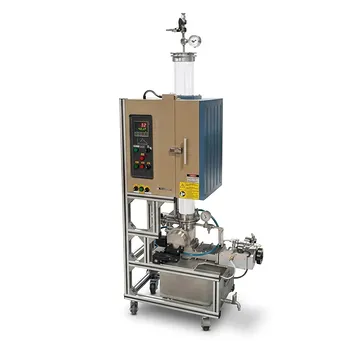
1200C High Temperature Atmosphere Controlled Vertical Quenching Tube Furnace with 4 Inch Quartz Tube
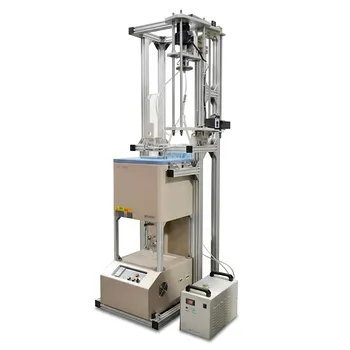
500C Vacuum Vertical Tube Furnace 84mm OD Sample Rotation Lifting System

Compact Vertical Split Quartz Tube Furnace with Stainless Steel Vacuum Flanges for Rapid Thermal Quenching and Controlled Atmosphere Material Processing
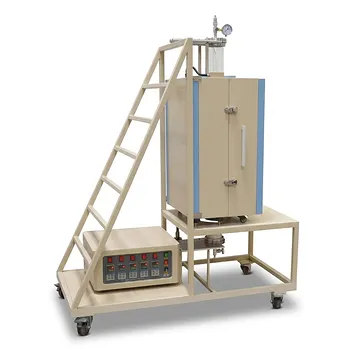
Five Zone Split Vertical Tube Furnace 1200C Max with 4 Inch Quartz Tube and Stainless Steel Vacuum Flanges

1200°C 5 Inch Vertical Quartz Tube Furnace with Stainless Steel Vacuum Flanges
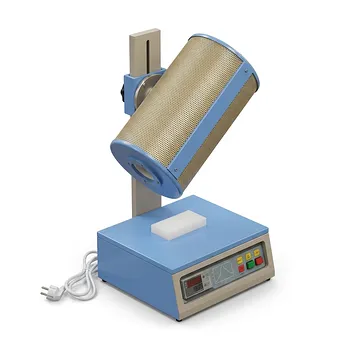
1100°C Vertical Laboratory Furnace for DIY Tubular Reactors with PID Temperature Controller
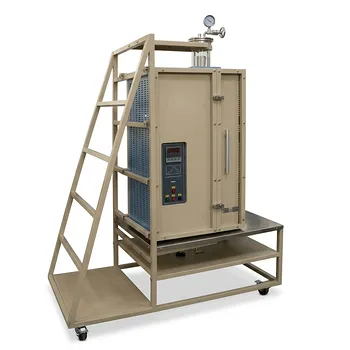
Split Vertical Tube Furnace with 1200C Quartz Tube and Stainless Steel Vacuum Flanges for Rapid Thermal Processing
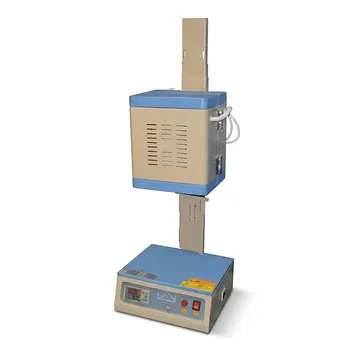
High Temperature Vertical Split Tube Furnace with PID Temperature Controller for 1 and 2 Inch Processing Tubes
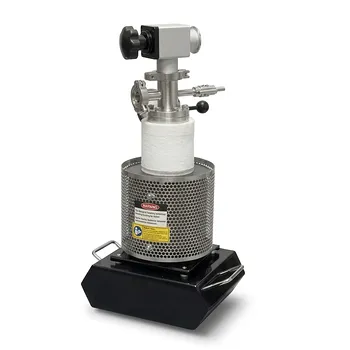
High Temperature 1100C Compact Top Loading Vertical Vacuum Tube Furnace for High Vacuum Noble Metal Melting and Material Research
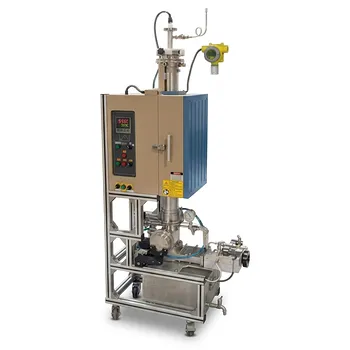
High Temperature 1000C Hydrogen Vertical Quenching Furnace with 4 Inch Stainless Steel Tube
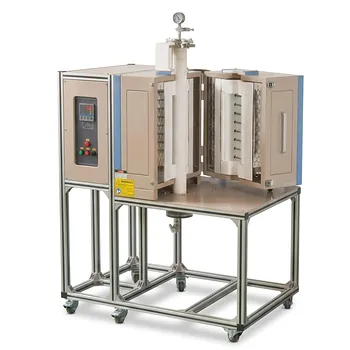
High Temperature 1700C Vertical Split Tube Furnace for Material Quenching and Single Crystal Growth
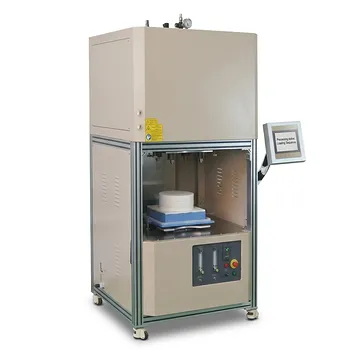
High Temperature Vertical Atmosphere Controlled Furnace with Automatic Bottom Loading and 1700°C Capacity for Advanced Material Research
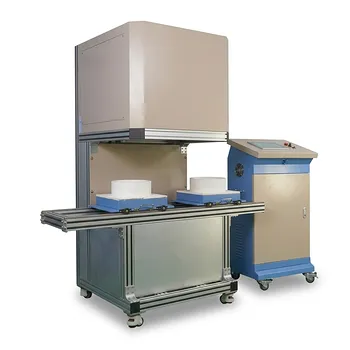
High Temperature Bottom Loading Vertical Furnace 1700C Dual Stage Sample Processing System 18L Large Capacity Thermal Treatment Equipment
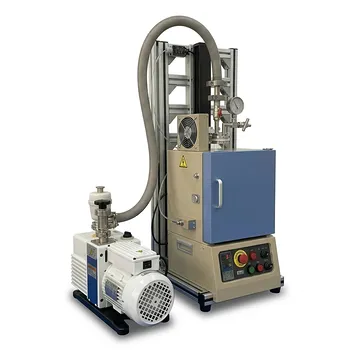
1200C High Temperature Vertical Sliding Furnace with Rapid Thermal Processing and Vacuum Tube Hybrid Capabilities