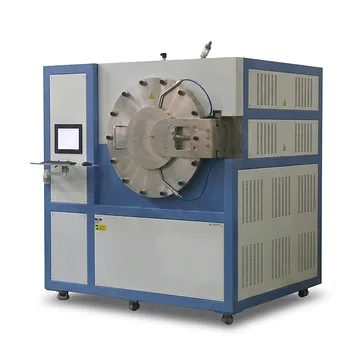
W-MMC Sintering: How Vacuum and Atmosphere Furnaces Enable High-Density Liquid Phase Composites
Updated 3 months ago
High-temperature vacuum and atmosphere sintering furnaces are the critical engines for densification in tungsten-based multi-metal composites (W-MMC). They provide the precise thermal environment required to melt alloying binders—such as nickel, iron, and cobalt—while maintaining a protective, oxygen-free atmosphere. This process facilitates "liquid phase sintering," where a molten matrix dissolves and reprecipitates tungsten particles into a dense, high-strength microstructure.
Core Takeaway: These furnaces serve as controlled reactors that manage the transition of alloying elements into a liquid state. This allows for the uniform distribution of spherical tungsten grains within a binder phase, effectively eliminating internal porosity and maximizing the composite's mechanical performance.
Facilitating the Liquid Phase Mechanism
Creating the Molten Matrix
The furnace reaches temperatures—often between 1400°C and 1500°C—that exceed the melting points of the non-tungsten alloying elements. This creates a liquid phase matrix while the tungsten particles remain solid.
Dissolution and Precipitation
As the binder melts, it partially dissolves the edges of the tungsten particles. These dissolved atoms then reprecipitate onto larger grains, a process that drives the growth of uniform, spherical tungsten particles.
Activation Energy Reduction
Specific atmosphere environments, such as those using hydrogen or nickel activators, create diffusion channels. This significantly lowers the sintering activation energy, allowing for full densification at temperatures lower than those required for pure tungsten.
Environmental Integrity and Oxidation Control
Preventing Metallic Degradation
At the extreme temperatures required for W-MMC sintering, tungsten and its alloys are highly susceptible to oxidation. Vacuum environments remove oxygen entirely, preventing the formation of brittle oxides that would cause the material to fail.
Reducing Protective Atmospheres
Atmosphere furnaces often utilize Ar/H2 (Argon/Hydrogen) mixtures. The hydrogen acts as a reducing agent, actively stripping away any residual surface oxides from the metal powders during the heating cycle.
Suppressing Volatilization and Decomposition
Controlled pressure and specific gas flows (like high-purity Argon) suppress the decomposition of specialized additives, such as tungsten boride. This ensures the chemical composition of the final composite remains exactly as engineered.
Engineering the Microstructure
Eliminating Internal Porosity
The liquid phase created by the furnace fills the gaps between solid tungsten particles through capillary action. This process, combined with precise soaking times, eliminates internal pores to achieve near-theoretical density.
Precise Grain Growth Control
The furnace's temperature control system manages the heating curves and soaking times. This precision is vital for ensuring tungsten grains grow to the optimal size and shape without becoming overly coarse or brittle.
Thermal Stabilization
A controlled cooling phase within the furnace ensures that the binder phase solidifies uniformly. This prevents internal stresses and cracking, resulting in a stable, high-purity material microstructure.
Understanding the Trade-offs
Vacuum vs. Atmosphere Complexity
Vacuum furnaces offer the highest purity but can be more expensive to operate and maintain than atmosphere furnaces. Atmosphere furnaces provide better heat transfer via convection but require a constant, expensive supply of high-purity gases.
Temperature Uniformity Risks
In large-scale production, maintaining a uniform temperature profile across the entire furnace chamber is difficult. Even minor fluctuations can lead to uneven grain growth, resulting in "hot spots" where the material is less dense or mechanically weaker.
Cooling Rate Limitations
Rapid cooling can lead to thermal shock, while overly slow cooling can cause excessive grain coarsening. Finding the "sweet spot" requires sophisticated furnace programming and often involves a trade-off between cycle time and material toughness.
How to Apply This to Your Project
When selecting a furnace for W-MMC sintering, your choice should align with the specific chemical requirements of your alloy.
- If your primary focus is Maximum Density and Pore Elimination: Prioritize a high-vacuum furnace with precise soaking time controls to facilitate deep capillary flow.
- If your primary focus is Oxidation Reduction of Reactive Alloys: Use an atmosphere furnace with a hydrogen-rich (Ar/H2) reducing environment to strip surface oxides during the ramp-up.
- If your primary focus is Throughput and Cost-Efficiency: Consider a continuous atmosphere furnace, provided your alloy does not require the absolute purity of a high-vacuum seal.
Selecting the correct furnace environment is the most decisive factor in transforming raw metal powders into a high-performance, fully densified tungsten composite.
Summary Table:
| Function | Key Mechanism | Resulting Benefit |
|---|---|---|
| Densification | Capillary action via molten matrix | Eliminates porosity; near-theoretical density |
| Oxidation Control | Vacuum or Ar/H2 reducing gas | Prevents brittle oxides; preserves purity |
| Grain Control | Precise soaking & cooling curves | Uniform grain distribution; improved toughness |
| Activation | Atmosphere-induced diffusion channels | Lower sintering energy; faster processing |
Optimize Your W-MMC Sintering with THERMUNITS
Are you looking for precision in high-temperature material science? THERMUNITS is a leading manufacturer of specialized laboratory equipment for industrial R&D. We provide a comprehensive range of thermal solutions, including Vacuum, Atmosphere, Tube, and Rotary Furnaces, as well as CVD/PECVD systems and Vacuum Induction Melting (VIM) units.
Our equipment is engineered to deliver the exact thermal environments required for superior liquid phase sintering and microstructure control. From dental furnaces to industrial electric rotary kilns, we bring advanced heat treatment technology to your lab.
Contact us today to find the perfect furnace for your project
References
- Adéla Macháčková, Silvie Brožová. Applications of Tungsten Pseudo-Alloys in the Energy Sector. DOI: 10.3390/app14020647
Mentioned Products
- High Temperature Vertical Atmosphere Controlled Furnace with Automatic Bottom Loading and 1700°C Capacity for Advanced Material Research
- 1650C High Temperature Atmosphere Controlled Box Furnace with 65L Chamber for Advanced Material Sintering and Industrial Heat Treatment
- 1750°C High Temperature Benchtop Vacuum Atmosphere Tube Furnace with Kanthal Super 1800 Heating Elements and 60mm Alumina Processing Tube
- 1100C High Temperature Vacuum Crucible Furnace with Quartz Chamber for Thermal Processing and Sintering
- High Temperature 1000C Vacuum Furnace with 8 Inch ID Chamber for Material Sintering and Research Annealing
People Also Ask
- What role does atmosphere control play in technical ceramics and glass? Master Material Purity and Precision
- What is the function of a vertical tube furnace in MnOx-SiO2 research? Precision Control & Quenching
- What's the Role of Tube Furnaces in FeCuS-N-C Synthesis? Precision Pyrolysis & Atmosphere Control
- What role does a high-temperature atmosphere furnace play in the direct electrochemical reduction of CO2? - Key Insights
- What is the function of a high-temperature tube furnace with atmosphere control? Optimize Carbonization of Composites

Tech Team · ThermUnits
Last updated on Jun 03, 2026
Related Products
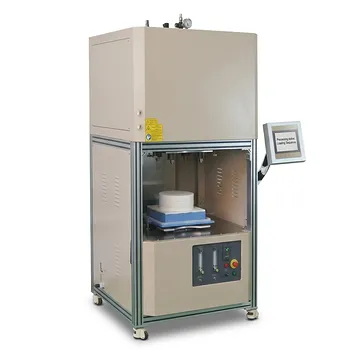
High Temperature Vertical Atmosphere Controlled Furnace with Automatic Bottom Loading and 1700°C Capacity for Advanced Material Research
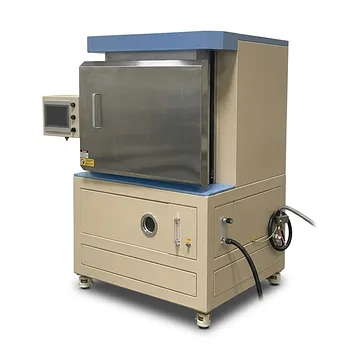
1650C High Temperature Atmosphere Controlled Box Furnace with 65L Chamber for Advanced Material Sintering and Industrial Heat Treatment
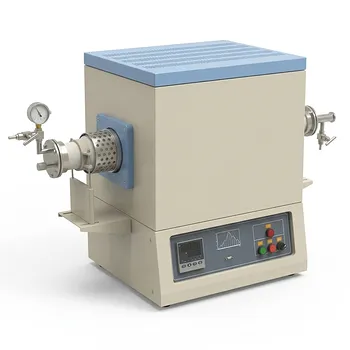
1750°C High Temperature Benchtop Vacuum Atmosphere Tube Furnace with Kanthal Super 1800 Heating Elements and 60mm Alumina Processing Tube
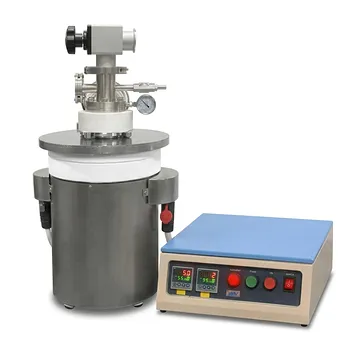
1100C High Temperature Vacuum Crucible Furnace with Quartz Chamber for Thermal Processing and Sintering
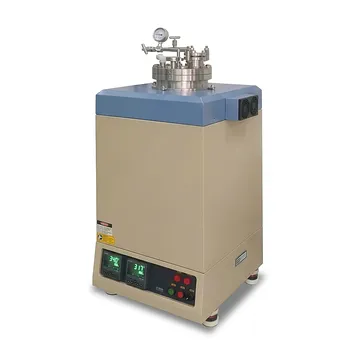
High Temperature 1000C Vacuum Furnace with 8 Inch ID Chamber for Material Sintering and Research Annealing

High Temperature 1700C Vertical Tube Furnace for Powder Spherification and Material Sintering
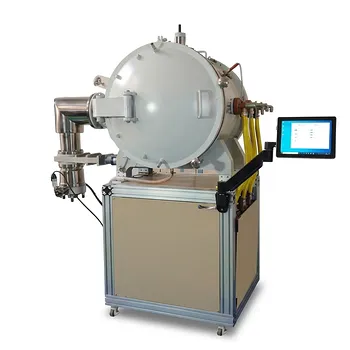
High Temperature Cold Wall Vacuum Furnace for Advanced Material Sintering and Annealing 1600C Heating Area 200x200x300mm

Compact High Temperature 1600C Tube Furnace with 50mm Alumina Tube and Vacuum Flanges for Material Sintering
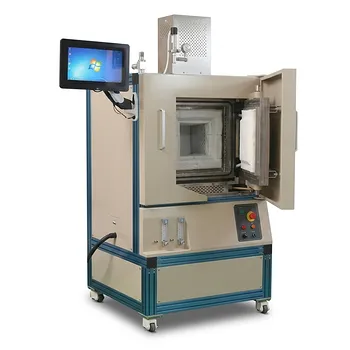
High Temperature Oxygen and Inert Atmosphere Controlled Furnace 8 Liter 1700C Sintering System for Advanced Materials RD
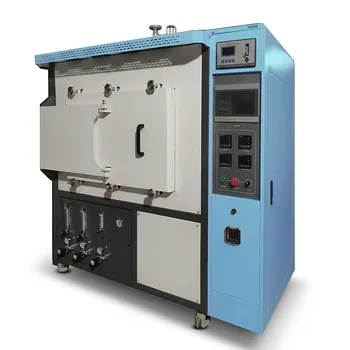
Roller Table Atmosphere Furnace 1500C High Temperature Battery Material Sintering System 112L Capacity
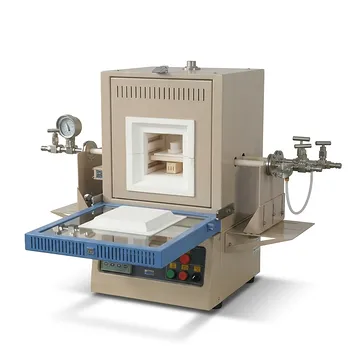
1700C Compact Hybrid Furnace with Dual Layer Box Sintering and Controlled Atmosphere Alumina Tubes
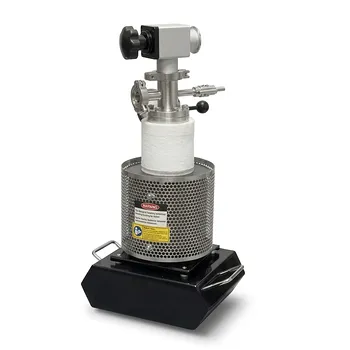
High Temperature 1100C Compact Top Loading Vertical Vacuum Tube Furnace for High Vacuum Noble Metal Melting and Material Research
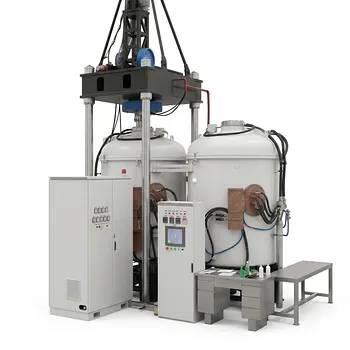
High Pressure 600T Vacuum Induction Hot Press Furnace for Advanced Material Heat Treatment and Sintering
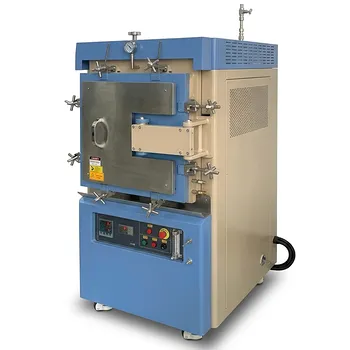
Atmosphere Controlled Muffle Furnace 1700C Maximum Temperature 80L High Capacity Vacuum Inert Gas Box Furnace
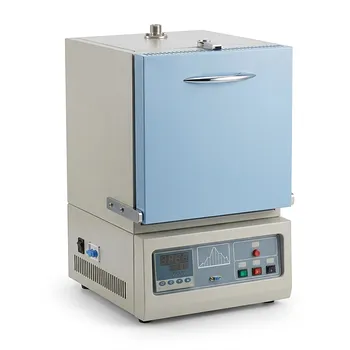
1750C Compact Muffle Furnace 1.7L Ultra High Temperature Laboratory Sintering System for Advanced Ceramics and Material Science Research

Vertical 1700C Vacuum and Atmosphere Tube Furnace with 80mm Alumina Tube
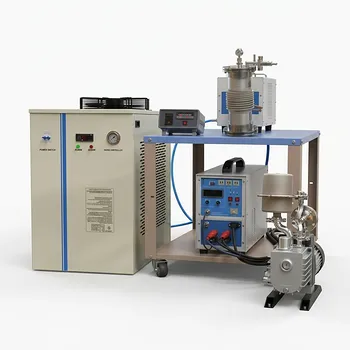
Induction Heating System with Temperature Control for High Temperature Vacuum Sintering and Melting
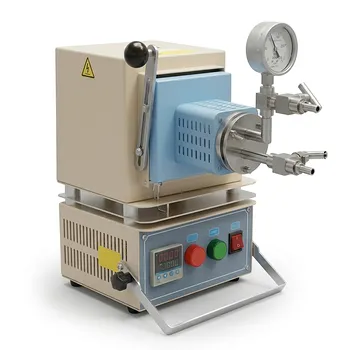
Compact Hybrid Muffle and Tube Furnace for 1000C Controlled Atmosphere Laboratory Material Sintering
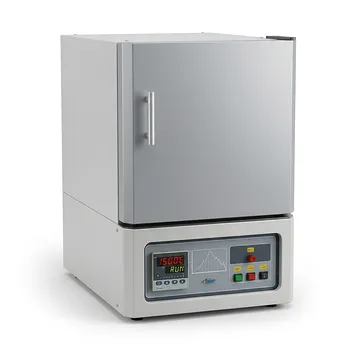
High Temperature 1500C Benchtop Muffle Furnace 3.6L Alumina Fiber Chamber Programmable Controller Sintering Annealing Carbonization Thermal Processing System