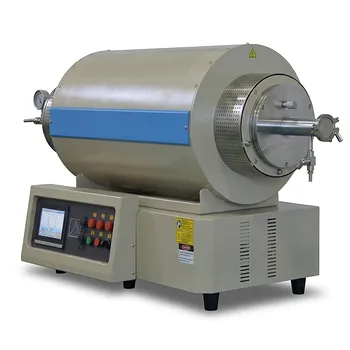
What is the function of a high-temperature rotary tube furnace? Master Lignite Carbonization and Activation.
Updated 3 months ago
In the production of porous carbon from lignite, a high-temperature rotary tube furnace serves as the critical dynamic reactor that ensures thermal and chemical uniformity. This specialized equipment utilizes continuous rotation to tumble lignite particles, preventing localized overheating while facilitating exhaustive contact between the raw material and activating agents or protective gases. By maintaining a precisely controlled atmosphere and temperature profile, the furnace transforms bulk lignite into a highly structured carbon framework with consistent porosity.
A high-temperature rotary tube furnace is the engine of structural homogeneity, using mechanical motion to overcome the limitations of static heating. It ensures that every lignite particle undergoes identical carbonization and activation, resulting in a predictable and high-quality porous carbon product.
Dynamic Heating and Structural Homogeneity
Eliminating Localized Overheating
The primary advantage of the rotational movement is the continuous displacement of the lignite bed. In a static environment, particles near the heat source may over-process, while the core remains under-processed; the rotary action ensures uniform heat distribution across the entire batch.
Achieving Uniform Carbonization
During the carbonization phase, the furnace provides the high-temperature environment (typically 500 °C to 1000 °C) required for pyrolysis. The constant tumbling ensures that the structural reorganization of carbon and the release of volatile matter occur at a consistent rate for all particles.
Consistent Development of Pore Structure
Because the thermal gradient is minimized, the resulting porous carbon exhibits a uniform pore structure. This consistency is vital for industrial applications where predictable adsorption surface areas are required.
Optimizing Gas-Solid Interactions
Continuous Contact with Activating Agents
The rotary motion facilitates thorough contact between the lignite and activating agents like water vapor or chemical activators. This dynamic exposure ensures that the etching and corrosion of the carbon matrix—necessary for creating micropores and mesopores—occurs evenly.
Efficient Removal of Volatile Matter
As lignite undergoes pyrolysis, it releases significant amounts of volatile gases. The furnace’s controlled flow of protective gases (like Argon or Nitrogen), combined with the agitation of the material, allows these volatiles to be swept away quickly, preventing unwanted secondary reactions.
Enhanced Mass Transfer
The mechanical "flipping" of the material increases the effective surface area exposed to the furnace atmosphere. This improves the kinetics of the redox reactions between the carbon matrix and activators, leading to a more efficient activation process.
Thermal Precision and Chemical Transformation
Precise Temperature Control
High-temperature furnaces allow for specific heating rates (e.g., 10 °C/min) and "dwell times" at target temperatures. This precision is essential for controlling the micropore-to-mesopore ratio, which determines the final carbon's suitability for specific molecular loading.
Creating the Conductive Skeleton
By providing a stable, oxygen-free environment, the furnace enables deoxygenation and aromatization. This process converts the organic lignin structures into a conductive carbon skeleton, which is essential if the porous carbon is intended for electrochemical applications.
Facilitating Thermochemical Etching
When chemical activators like KOH or K2CO3 are used, the furnace provides the energy required for these compounds to deeply etch the carbon. The high heat facilitates the release of metallic potassium vapor, which intercalates and expands the carbon layers to create high specific surface areas.
Understanding the Trade-offs
Mechanical Complexity and Maintenance
The moving parts of a rotary furnace, such as the rotating seals and drive mechanisms, are subject to wear at high temperatures. Maintaining a gas-tight, inert atmosphere is more challenging in a rotary system than in a static tube furnace.
Particle Attrition
The continuous tumbling of lignite can lead to mechanical degradation or "dusting" of the particles. While this ensures a high surface area, it may produce a higher percentage of "fines" (extremely small particles) that might need to be filtered or managed in the final product.
Material Limitations
The furnace tube must withstand both high thermal stress and potential chemical corrosion from activators like KOH. Over time, the aggressive redox reactions required for activation can degrade the tube walls, necessitating the use of specialized, expensive materials like high-alumina ceramics or specific alloys.
How to Apply This to Your Project
When selecting or operating a high-temperature rotary tube furnace for lignite processing, align your parameters with your specific material goals:
- If your primary focus is high surface area: Prioritize the activation phase by using a rotary furnace to ensure maximum contact between the lignite and chemical activators like KOH at temperatures between 750 °C and 900 °C.
- If your primary focus is structural consistency: Focus on the rotation speed and heating rate to ensure that the lignite bed is fully fluidized, preventing any "dead zones" where localized overheating could collapse the pore structure.
- If your primary focus is conductive carbon membranes: Use the furnace to perform a one-step thermal process that includes the gasification of templates and carbonization at temperatures near 1000 °C under a strict nitrogen atmosphere.
By leveraging the dynamic environment of a rotary tube furnace, you can transform raw lignite into a sophisticated, high-performance porous carbon material with precision and scalability.
Summary Table:
| Feature | Role in Carbonization/Activation | Key Benefit |
|---|---|---|
| Rotational Motion | Continuous tumbling of lignite particles | Prevents localized overheating; ensures uniform heat distribution |
| Controlled Atmosphere | Inert (N2/Ar) or Activating Agents (Steam/KOH) | Prevents unwanted oxidation; facilitates precise chemical etching |
| Precise Temp Control | Stable heating profiles (500°C - 1000°C) | Optimizes micropore-to-mesopore ratio and skeletal structure |
| Dynamic Contact | Enhanced gas-solid interaction | Faster reaction kinetics and efficient removal of volatiles |
Elevate Your Material Research with THERMUNITS
Are you looking to optimize your carbonization and activation processes for high-performance porous carbon? THERMUNITS is a leading manufacturer of high-temperature laboratory equipment for material science and industrial R&D.
We provide a comprehensive range of thermal processing solutions tailored to your specific needs, including:
- Rotary & Tube Furnaces for dynamic heat treatment.
- Vacuum & Atmosphere Furnaces for precise environmental control.
- CVD/PECVD Systems and Electric Rotary Kilns for advanced material synthesis.
- Muffle, Dental, and Hot Press Furnaces for versatile laboratory applications.
Let our experts help you achieve structural homogeneity and superior material properties with our precision-engineered systems.
Contact THERMUNITS Today for a Custom Solution
References
- M.K. Kazankapova, A.M. Kalenova. OBTAINING POROUS CARBON MATERIAL AND INVESTIGATION OF ITS PHYSICAL AND CHEMICAL PROPERTIES. DOI: 10.58805/kazutb.v.2.23-459
Mentioned Products
- High Temperature Dual Zone Rotating Tube Furnace 1500C Silicon Carbide Heating for Advanced Material Synthesis
- High Temperature Rotary Tilt Tubular Furnaces for Advanced Powder Sintering and Material Processing
- Three Zone Rotary Tube Furnace for High Temperature Powder Processing and Material Research
- High Temperature Rotary Tube Furnace with Integrated Ball Milling and Gas Flow Function for Powder Nitriding
- High Temperature 1700C Dual Zone Rotary Tube Furnace with 60mm Alumina Tube and Precision Rotation Control
People Also Ask
- What is the function of CVD furnaces in graphene prep? Enhancing Photodetector Charge Transport
- Why use CVD and a tube furnace for Pd3P0.95/NC catalyst phosphidation? Ensure high phase purity and performance.
- CVD Tube Furnace Advantages for Pd-P Catalyst Durability: Precision Control for 40,000+ Cycles
- How does a rotary tube furnace improve the processing of granular materials? Enhance Uniformity and Reaction Kinetics
- How does a Chemical Vapor Deposition (CVD) tube furnace facilitate synchronized nitridation? Precision Nano-Engineering.

Tech Team · ThermUnits
Last updated on Jun 03, 2026
Related Products
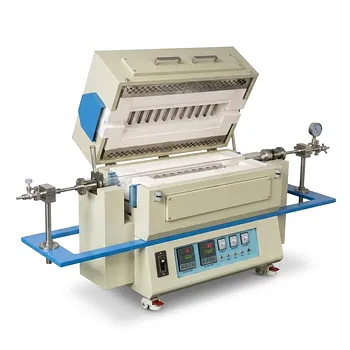
High Temperature Dual Zone Rotating Tube Furnace 1500C Silicon Carbide Heating for Advanced Material Synthesis
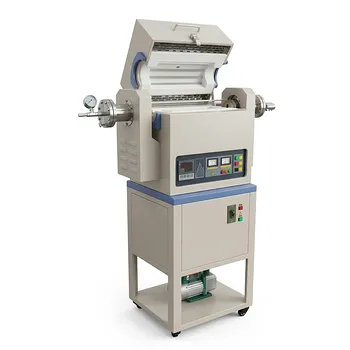
High Temperature Rotary Tilt Tubular Furnaces for Advanced Powder Sintering and Material Processing
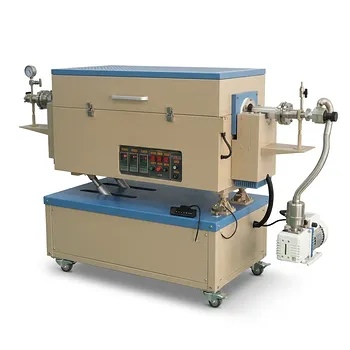
Three Zone Rotary Tube Furnace for High Temperature Powder Processing and Material Research
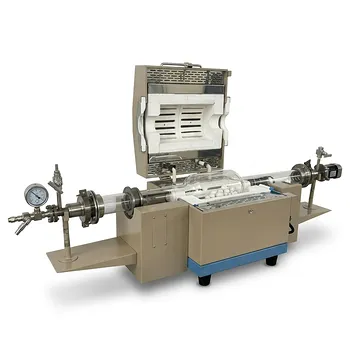
High Temperature Rotary Tube Furnace with Integrated Ball Milling and Gas Flow Function for Powder Nitriding
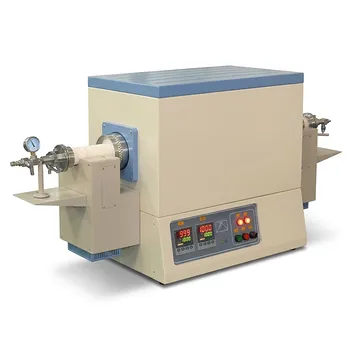
High Temperature 1700C Dual Zone Rotary Tube Furnace with 60mm Alumina Tube and Precision Rotation Control
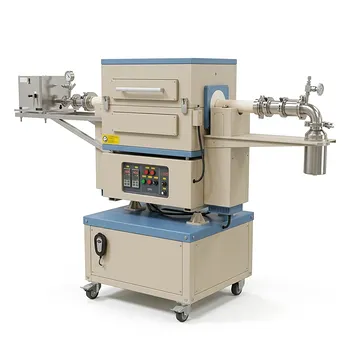
1500C Max Dual Zone Rotary Tube Furnace with 60 mm OD Alumina Tube for High Temperature Material Synthesis
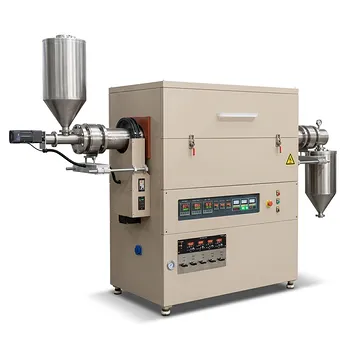
High Temperature Tilting Rotary Tube Furnace with Integrated Mass Flow Control and Multi Zone Heating

High Temperature 1700C Vertical Tube Furnace for Powder Spherification and Material Sintering

High Temperature Tube Furnace 1500C with Sliding Flanges and 50mm OD for Rapid Thermal Processing Fast Heating and Cooling
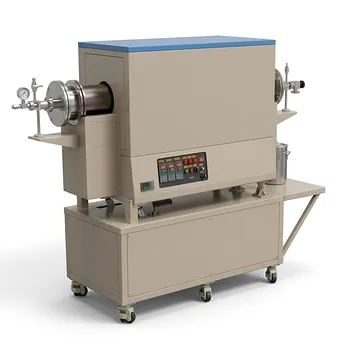
900°C Max Rotary Tube Furnace with 8 Inch 310S Alloy Tube and Optional Multi Zone Heating for Industrial Material Calcination
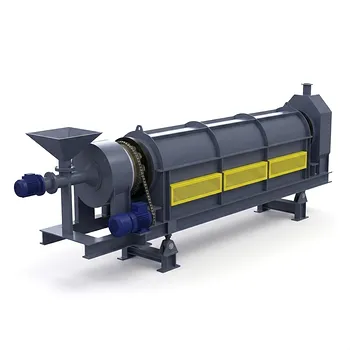
Electric Rotary Kiln Small Rotary Furnace for Activated Carbon Regeneration

Compact High Temperature 1600C Tube Furnace with 50mm Alumina Tube and Vacuum Flanges for Material Sintering
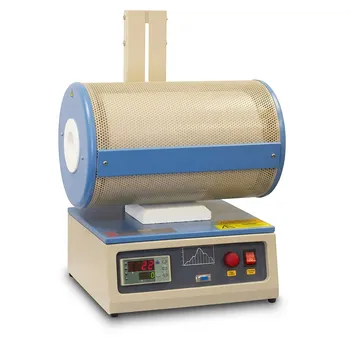
Multi Position Tube Furnace 1100C for Laboratory Material Research and Advanced Industrial Thermal Processing
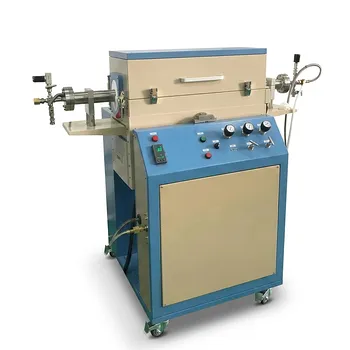
High Temperature Rocking Tube Furnace 1700°C Alumina Processing Tube with Precision Oscillation for Material Synthesis
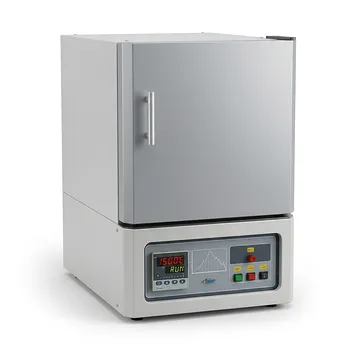
High Temperature 1500C Benchtop Muffle Furnace 3.6L Alumina Fiber Chamber Programmable Controller Sintering Annealing Carbonization Thermal Processing System

High Temperature Automated 5 Inch Tube Furnace for Autonomous Material Research and Advanced Laboratory R&D
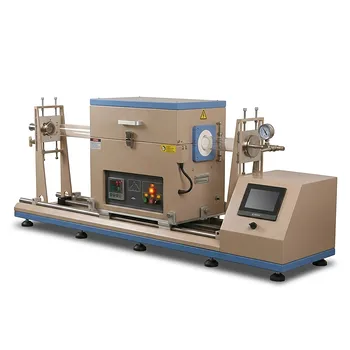
1200C Sliding Tube Furnace for Rapid Thermal Processing and CVD Graphene Growth with 100mm OD Capacity
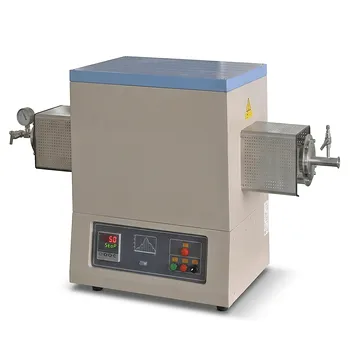
High Temperature 1700C Tube Furnace with 4 Inch OD Alumina Tube and Vacuum Sealing Flanges

High Temperature 1700C Benchtop Tube Furnace with 5 Inch Heating Zone High Purity Alumina Tube and Vacuum Sealing Flanges