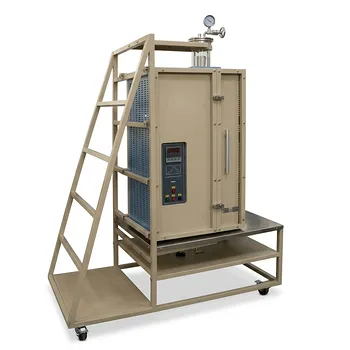
What is the function of a rocking tube furnace? Achieve Chemical Homogeneity in Chalcogenide Glass Synthesis
Updated 3 months ago
The rocking tube furnace is the primary tool for achieving chemical homogeneity in the melt-quenching synthesis of chalcogenide glasses. By utilizing continuous mechanical rocking, the furnace ensures that raw material components—such as Arsenic (As) and Selenium (Se)—are thoroughly mixed while in a molten state. This dynamic stirring is essential to eliminate component segregation and produce bulk glass with high structural and chemical uniformity.
The core function of a rocking tube furnace is to provide simultaneous thermal control and mechanical agitation, ensuring that the final glass melt is perfectly homogeneous. Without this continuous mixing, the resulting material would suffer from localized variations in composition, rendering it unsuitable for high-precision optical or solution-processing applications.
Overcoming Component Segregation in Chalcogenide Melts
The Challenge of Atomic Mixing
Chalcogenide systems like As-Se often consist of elements with different densities and melting points. In a static environment, gravity can cause heavier elements to settle, leading to a compositional gradient within the melt. The rocking motion provides the kinetic energy necessary to counteract these gravitational effects and ensure a uniform distribution of atoms.
Eliminating Concentration Fluctuations
Without mechanical intervention, the liquid phase of the glass may develop regions of high or low concentration. These fluctuations act as scattering centers or structural defects in the final glass product. The rocking action forces the molten materials to circulate, facilitating the complete breakdown of elemental structures into a single, uniform liquid phase.
The Role of Thermal Precision in Synthesis
Facilitating Atomic Diffusion
While the rocking provides mixing, the furnace’s heating elements provide the thermal energy required for atomic diffusion. High temperatures, often exceeding the melting points of the precursors, increase the mobility of the atoms. This synergy between heat and motion allows for the rapid transformation of raw powders into a chemically uniform liquid melt.
Maintaining a Precise Thermal Field
Just as in the synthesis of chalcogenide perovskites, maintaining a uniform thermal field is critical to avoid cold spots. Cold spots can lead to incomplete reactions or premature crystallization of specific components. The tube furnace environment ensures that the entire volume of the melt experiences the same programmed temperature profiles and holding times.
Understanding the Trade-offs and Limitations
Mechanical Limits of Agitation
While rocking is effective for low-to-medium viscosity melts, it may be less efficient for highly viscous compositions. If the rocking frequency is too slow, the components may begin to segregate between cycles. Conversely, excessive speed could introduce bubbles or mechanical stress on the sealed quartz ampoules used in the process.
Contamination and Material Integrity
The high-temperature environment required for synthesis increases the risk of diffusion-based contamination from the container walls. Furthermore, the mechanical stress of constant rocking at 900°C or higher requires specialized equipment and high-durability quartz. Managing the transition from the rocking phase to the quenching phase is critical; any delay can allow the homogeneity achieved during rocking to be lost.
How to Optimize Your Synthesis Process
Selecting the right parameters for a rocking tube furnace depends entirely on the specific glass chemistry and intended application.
- If your primary focus is optical clarity and homogeneity: Ensure a high rocking frequency and extended holding times at peak temperature to allow for complete atomic diffusion.
- If your primary focus is solution processing: Prioritize a rapid quench immediately after the rocking cycle to "freeze" the uniform liquid structure into a stable bulk glass.
- If your primary focus is synthesizing complex multi-element systems: Use a programmed temperature ramp and precise rocking angles to manage the different melting rates of various precursors.
Through the strategic combination of mechanical mixing and thermal control, the rocking tube furnace serves as the foundational technology for producing high-quality, reproducible chalcogenide glasses.
Summary Table:
| Key Feature | Role in Synthesis | Benefit to Final Material |
|---|---|---|
| Mechanical Rocking | Counteracts gravity and atomic segregation | Ensures uniform chemical & structural composition |
| Thermal Precision | Facilitates atomic diffusion at high temperatures | Eliminates cold spots and prevents premature crystallization |
| Dynamic Stirring | Breaks down elemental structures in the melt | Produces high-clarity glass without scattering centers |
| Atmosphere Control | Protects sensitive precursors (e.g., As, Se) | Prevents oxidation and contamination during heating |
Optimize Your Advanced Material Synthesis with THERMUNITS
Achieving perfect chemical homogeneity in chalcogenide glasses and other complex systems requires precision equipment designed for high-stakes R&D. THERMUNITS is a leading manufacturer of high-temperature laboratory equipment, providing the expertise and technology needed for cutting-edge material science.
Our comprehensive range of thermal processing solutions includes:
- Tube & Rocking Furnaces: Engineered for superior mixing and thermal uniformity.
- Advanced Systems: CVD/PECVD, Vacuum Induction Melting (VIM), and Hot Press furnaces.
- Specialized Equipment: Muffle, Atmosphere, Rotary, and Dental furnaces.
Whether you are developing next-generation optical materials or industrial-scale heat treatments, THERMUNITS delivers the reliability and precision your research demands.
Ready to enhance your lab’s capabilities?
Contact our engineering team today to find the ideal thermal solution for your specific application!
References
- Jiri Jemelka, Miroslav Vlček. Optical and chemical properties of As–Se and As–S–Se solution processed thin films prepared <i>via</i> As<sub>50</sub>Se<sub>50</sub> source solution modification. DOI: 10.1039/d3ma00614j
Mentioned Products
- 1100C High Pressure Rocking Tube Furnace with 2 Inch Super Alloy Processing Tube for Material Synthesis
- High Temperature Rocking Tube Furnace 1700°C Alumina Processing Tube with Precision Oscillation for Material Synthesis
- High Temperature Rocking Tube Furnace with Quartz Tube and Vacuum Flange for Materials Synthesis
- Sixteen Channel Rocking Tube Furnace for High Throughput Heat Treatment and Material Science Research with Individual Temperature Control up to 1100C
- High Temperature 1200C Automatic Sliding Dual Zone Tube Furnace for 2D Transition Metal Dichalcogenides Growth and Material Sublimation Research
People Also Ask
- Why is a high-pressure tube furnace required for the nitriding process of Fe-Cr-N alloys? Enhance Phase Stability
- What is the function of a high-temperature tube furnace in the synthesis of graphene oxide? Mastering LPCVD Processes
- Pt2CoM synthesis: High-temp tube furnace conditions (1000°C & 5% H2/Ar) for L10 intermetallic catalysts.
- What core conditions does a high-temperature tube furnace provide for rGO aerogels? Mastering Precision Synthesis.
- Why is it necessary to introduce steam into a high-temperature tube furnace during ACNN activation? Enhance Porosity.

Tech Team · ThermUnits
Last updated on Jun 03, 2026
Related Products
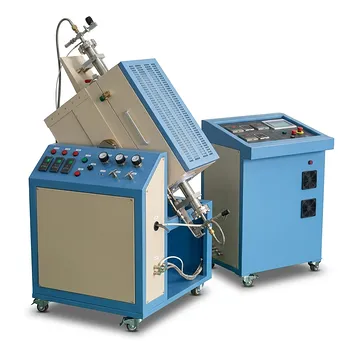
1100C High Pressure Rocking Tube Furnace with 2 Inch Super Alloy Processing Tube for Material Synthesis
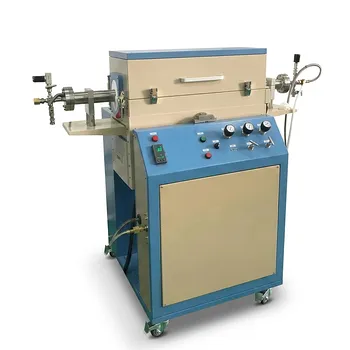
High Temperature Rocking Tube Furnace 1700°C Alumina Processing Tube with Precision Oscillation for Material Synthesis
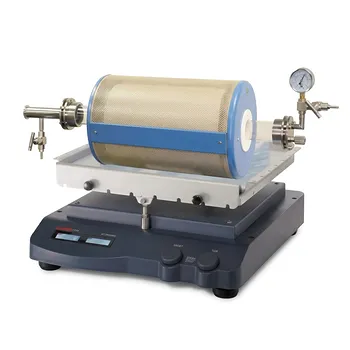
High Temperature Rocking Tube Furnace with Quartz Tube and Vacuum Flange for Materials Synthesis
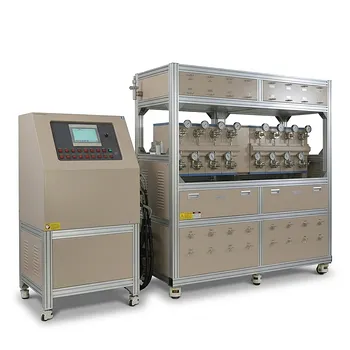
Sixteen Channel Rocking Tube Furnace for High Throughput Heat Treatment and Material Science Research with Individual Temperature Control up to 1100C
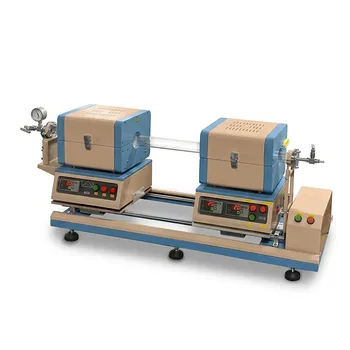
High Temperature 1200C Automatic Sliding Dual Zone Tube Furnace for 2D Transition Metal Dichalcogenides Growth and Material Sublimation Research
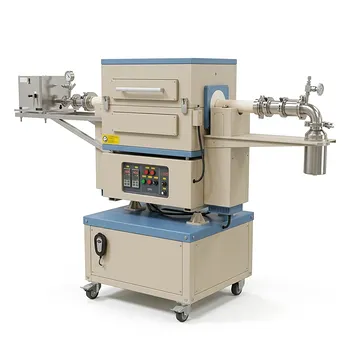
1500C Max Dual Zone Rotary Tube Furnace with 60 mm OD Alumina Tube for High Temperature Material Synthesis

High Temperature 1700C Vertical Tube Furnace for Powder Spherification and Material Sintering

Compact High Temperature 1600C Tube Furnace with 50mm Alumina Tube and Vacuum Flanges for Material Sintering

High Temperature Automated 5 Inch Tube Furnace for Autonomous Material Research and Advanced Laboratory R&D
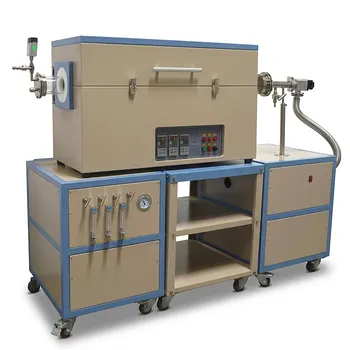
Three Zone Quartz Tube Furnace with 3 Channel Gas Mixer Vacuum Pump and Anti Corrosive Vacuum Gauge
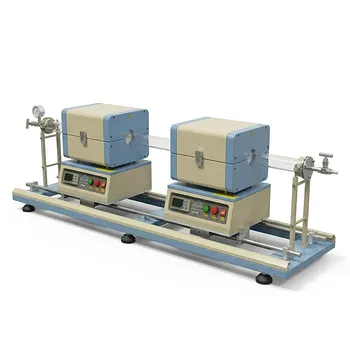
1200C Max Dual Sliding Tube Furnace with 50 mm Tube Flanges for CVD
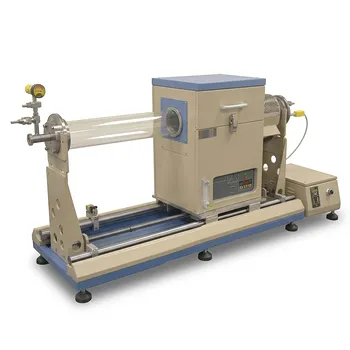
Rapid Thermal Processing Sliding Tube Furnace with 4 Inch OD Quartz Tube and 900C IR Heating

Vertical 1700C Vacuum and Atmosphere Tube Furnace with 80mm Alumina Tube

Compact Vertical Split Quartz Tube Furnace with Stainless Steel Vacuum Flanges for Rapid Thermal Quenching and Controlled Atmosphere Material Processing
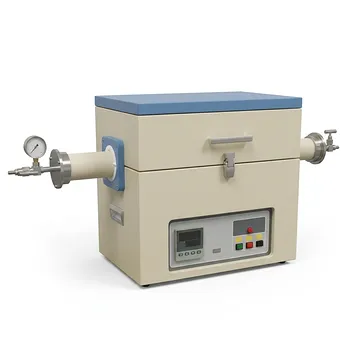
1250C Split Tube Furnace with 3 Inch Mullite Tube and Vacuum Sealing Flanges for Precision Thermal Processing
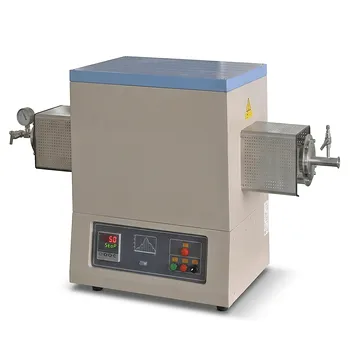
High Temperature 1700C Tube Furnace with 4 Inch OD Alumina Tube and Vacuum Sealing Flanges

1800C High Temperature Compact Vacuum Tube Furnace with 60mm OD Alumina Tube and Kanthal MoSi2 Heating Elements
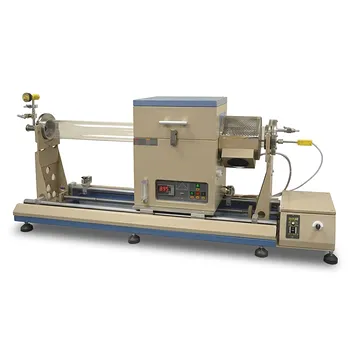
900 ºC Max Sliding RTP Tube Furnace with Rapid IR Heating and 4 Inch OD Quartz Tube

High Temperature 1700C Benchtop Tube Furnace with 5 Inch Heating Zone High Purity Alumina Tube and Vacuum Sealing Flanges