What is the function of atmosphere furnaces for biomass pyrolysis? Optimize Biochar Quality & Carbon Yield
Updated 3 months ago
Atmosphere and tube furnaces serve as the primary thermal reactors for biomass pyrolysis. Their essential function is to provide a strictly controlled, oxygen-free environment—typically through nitrogen or helium protection—that prevents raw biomass from combusting while being heated. By meticulously regulating temperature and gas flow, these furnaces facilitate the thermochemical decomposition of organic matter into high-quality biochar with specific carbon and porosity profiles.
The core function of these furnaces is to isolate biomass from oxygen, enabling controlled thermal degradation (pyrolysis) rather than burning. This allows producers to dictate the biochar’s final chemical composition and structural integrity by fine-tuning heating rates and residence times.
Creating the Ideal Reaction Environment
Preventing Combustion via Inert Atmospheres
The primary role of an atmosphere furnace is to maintain a strictly anaerobic or oxygen-limited environment. By injecting high-purity inert gases like nitrogen or helium, the furnace displaces oxygen, ensuring the biomass undergoes carbonization instead of aerobic combustion.
Facilitating Thermochemical Degradation
Within this protected environment, the furnace facilitates the breakdown of complex organic polymers, including hemicellulose, cellulose, and lignin. This process removes volatile components and enriches the remaining material with carbon, establishing a solid skeletal structure.
Precision Control of Biochar Properties
Regulating Temperature and Heating Rates
Atmosphere furnaces allow for precise temperature settings, typically ranging from 300 °C to 900 °C. By controlling the heating rate (e.g., 10°C/min), the furnace ensures uniform thermal treatment, which is critical for maximizing solid biochar yield and ensuring consistent quality.
Balancing Fixed Carbon and Volatiles
For industrial applications like Electric Arc Furnace (EAF) steelmaking, the furnace is used to customize the ratio between fixed carbon content and volatile matter. This level of control is necessary to meet the rigorous physical and chemical requirements of metallurgy and advanced manufacturing.
Developing Pore Structures and Nanostructures
Tube furnaces are often used to induce pore development through physical or chemical activation. They can also facilitate the conversion of impregnated salts into active nanostructures (like magnesium oxide), transforming the biochar into a high-activity precursor for gas adsorption or phosphate removal.
Understanding the Trade-offs
The Risk of Atmosphere Leaks
The effectiveness of these furnaces depends entirely on their airtight sealing. If the atmosphere is compromised and even trace amounts of oxygen enter at high temperatures, the biomass will burn, destroying the pore structure and significantly reducing the biochar yield.
Energy Consumption vs. Precision
While tube furnaces offer exceptional temperature field uniformity, they are often limited in throughput compared to larger industrial kilns. Achieving high-precision carbonization requires significant energy to maintain stable high temperatures over long residence times.
Making the Right Choice for Your Goal
When selecting furnace parameters for biomass pyrolysis, your settings should align with the intended end-use of the biochar.
- If your primary focus is EAF steelmaking: Prioritize high-temperature pyrolysis (up to 900°C) to maximize fixed carbon content and minimize volatile matter.
- If your primary focus is filtration or adsorption: Focus on moderate temperatures (400°C-500°C) and specific gas flows to optimize the development of complex pore systems.
- If your primary focus is maximizing yield: Use slower heating rates and oxygen-free nitrogen protection to ensure the most efficient conversion of biomass to solid carbon.
By mastering the furnace environment, you transform raw organic waste into a highly engineered carbon material tailored for specific industrial performance.
Summary Table:
| Key Function | Role in Biochar Production | Typical Process Parameters |
|---|---|---|
| Oxygen Isolation | Prevents combustion via inert gas (N2/He) protection | Anaerobic atmosphere |
| Thermal Precision | Regulates decomposition of lignin and cellulose | 300°C – 900°C ranges |
| Yield Optimization | Controls heating rates to stabilize carbon structure | Consistent ramp rates (e.g., 10°C/min) |
| Pore Engineering | Facilitates physical/chemical activation & nanostructures | Controlled gas flow & residence time |
Elevate Your Material Research with THERMUNITS
Precision is the difference between simple waste and high-performance carbon. THERMUNITS is a leading manufacturer of high-temperature laboratory equipment specifically designed for material science and industrial R&D.
Our comprehensive range of thermal processing solutions—including Atmosphere, Tube, Vacuum, and Rotary furnaces, as well as CVD/PECVD systems and Electric Rotary Kilns—provides the rigorous environment control needed for advanced biomass pyrolysis and metallurgical applications. Whether you are optimizing biochar for EAF steelmaking or engineering complex pore structures for filtration, our equipment ensures uniform heating and repeatable results.
Ready to optimize your carbonization process? Contact our technical experts today to discover the ideal heat treatment solution for your laboratory or pilot plant!
References
- Christopher DiGiovanni, Thomas Echterhof. Progress Toward Biocarbon Utilization in Electric Arc Furnace Steelmaking: Current Status and Future Prospects. DOI: 10.1007/s40831-024-00940-0
Mentioned Products
- Electric Rotary Kiln Small Rotary Furnace Biomass Pyrolysis Plant
- Gas Pre-Heating Tube Furnace for High Temperature Pyrolysis Reactors and Material Science Research
- Vertical 1700C Vacuum and Atmosphere Tube Furnace with 80mm Alumina Tube
- Compact Hybrid Muffle and Tube Furnace for 1000C Controlled Atmosphere Laboratory Material Sintering
- 1700C Compact Hybrid Furnace with Dual Layer Box Sintering and Controlled Atmosphere Alumina Tubes
People Also Ask
- How does the electric rotary kiln support environmental compliance and sustainability? Achieve Zero-Emission Production
- What are the maintenance and service life advantages of an electric rotary kiln? 25+ Year Longevity & Low Maintenance
- What thermal efficiency can be expected from an electric rotary kiln compared to fuel-fired alternatives? Gain 95% efficiency.
- How does the use of an electric rotary kiln facilitate CO2 capture in cement and lime production? Achieve High-Purity CCUS
- Which minerals and specialty chemicals are commonly processed using electric rotary kilns? Precision Thermal Processing Guide

Tech Team · ThermUnits
Last updated on Jun 02, 2026
Related Products
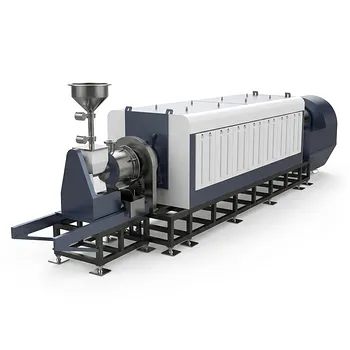
Electric Rotary Kiln Small Rotary Furnace Biomass Pyrolysis Plant
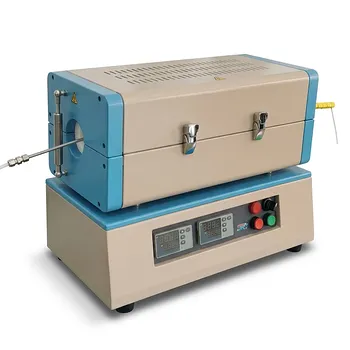
Gas Pre-Heating Tube Furnace for High Temperature Pyrolysis Reactors and Material Science Research

Vertical 1700C Vacuum and Atmosphere Tube Furnace with 80mm Alumina Tube
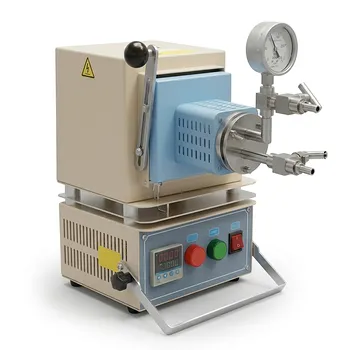
Compact Hybrid Muffle and Tube Furnace for 1000C Controlled Atmosphere Laboratory Material Sintering
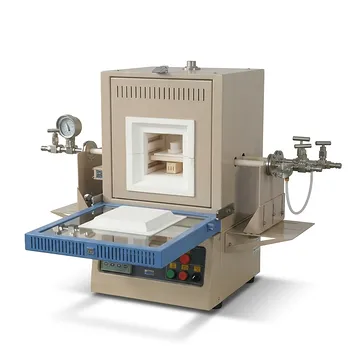
1700C Compact Hybrid Furnace with Dual Layer Box Sintering and Controlled Atmosphere Alumina Tubes
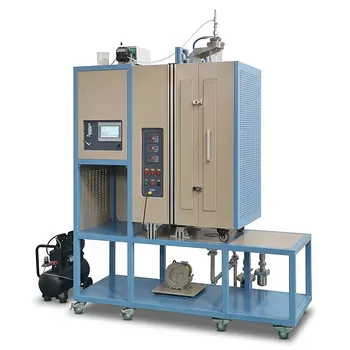
1500C Three Zone Vertical Pyrolysis Furnace for Nanoparticle Synthesis and Advanced Oxide Coating

High Temperature 1700C Vertical Tube Furnace for Powder Spherification and Material Sintering
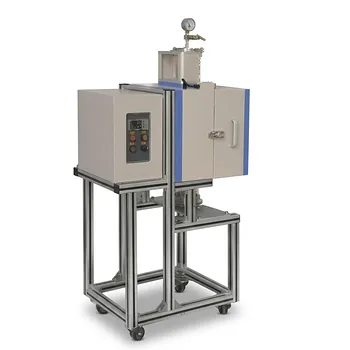
1200°C 5 Inch Vertical Quartz Tube Furnace with Stainless Steel Vacuum Flanges

High Temperature Automated 5 Inch Tube Furnace for Autonomous Material Research and Advanced Laboratory R&D
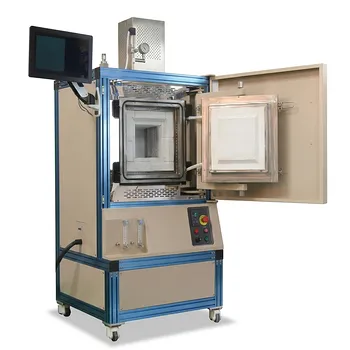
High Temperature Hydrogen Atmosphere Box Furnace 1650C Max Reducing Environment Material Synthesis System 8x8x8 Chamber
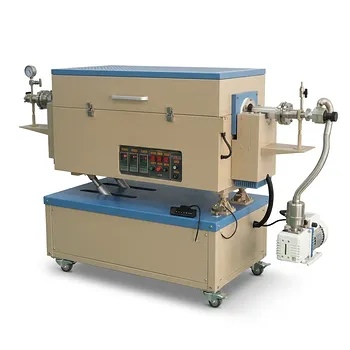
Three Zone Rotary Tube Furnace for High Temperature Powder Processing and Material Research

Compact High Temperature 1600C Tube Furnace with 50mm Alumina Tube and Vacuum Flanges for Material Sintering
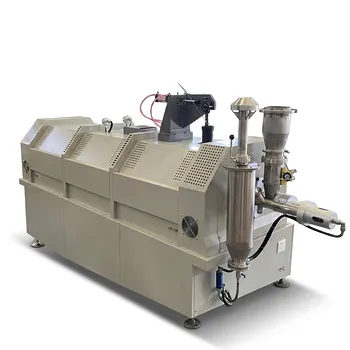
Electric Rotary Kiln Continuous Working Small Rotary Furnace Heating Pyrolysis Plant
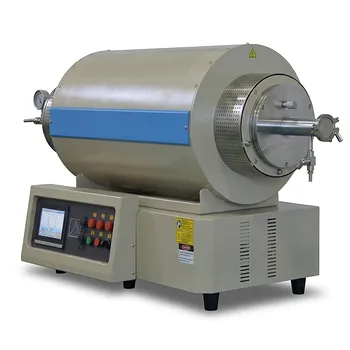
1200C Max Three Zone Tube Furnace 6 Inch OD Max with Tube and Flange

High Temperature 1700C Tube Furnace with High Vacuum Turbomolecular Pump System and Multi Channel Mass Flow Controller Gas Mixer
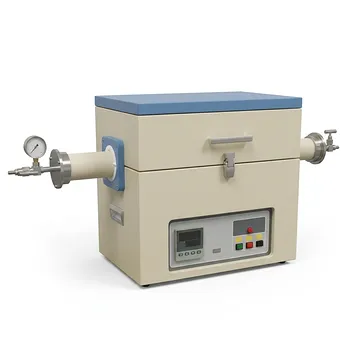
1250C Split Tube Furnace with 3 Inch Mullite Tube and Vacuum Sealing Flanges for Precision Thermal Processing

1200C High Throughput Multi Channel Tube Furnace with 50mm Quartz Tubes for Annealing and Material Phase Diagram Research

High Temperature 1700C Six Zone Split Tube Furnace with Alumina Tube and Water Cooled Flanges

1800C High Temperature Compact Vacuum Tube Furnace with 60mm OD Alumina Tube and Kanthal MoSi2 Heating Elements
