What is the necessity of a double-layer stainless steel water-cooled structure for HEA NPs? Key to Precision Synthesis
Updated 6 months ago
The necessity of a double-layer stainless steel water-cooled structure lies in its dual role as a thermal shield and a precision regulator. During the preparation of high-entropy alloy nanoparticles (HEA NPs), this configuration is required to prevent structural failure from intense plasma heat while simultaneously providing the controlled thermal boundary conditions essential for the nucleation and growth of uniform particles.
The double-layer water-cooled chamber acts as both a protective barrier against extreme plasma temperatures and a critical process control mechanism. By manipulating cooling parameters, researchers can fine-tune the internal thermal field to dictate the final size and morphology of the synthesized nanoparticles.
Managing Extreme Thermal Flux
Protecting Structural Integrity
The plasma torch jet used in HEA NP synthesis generates extreme thermal loads that can easily exceed the melting points or structural limits of standard materials. A double-layer stainless steel design creates a jacket that allows for continuous water circulation, effectively carrying heat away from the inner wall to prevent warping or melting.
Ensuring Equipment Longevity
Without active cooling, the repeated thermal cycling of the reaction chamber would lead to material fatigue and oxidation. The stainless steel construction provides the necessary corrosion resistance, while the water-cooling system ensures the chamber remains at a temperature that preserves its long-term mechanical properties.
Engineering the Thermal Boundary
Controlling Nucleation and Growth
The transition from gas-phase atoms to solid nanoparticles is highly sensitive to the thermal gradient within the chamber. By providing a stable, water-cooled boundary, the system establishes the specific cooling rates required for the nucleation of high-entropy phases, which often require rapid "quenching" to maintain their unique multi-element structure.
Regulating Particle Morphology
Adjusting the flow rate and temperature of the circulating water allows for the precise modification of the internal thermal field distribution. This level of control is vital for regulating the particle size distribution, ensuring that the resulting HEA NPs are uniform and meet the desired morphological specifications.
Understanding the Trade-offs
System Complexity and Cost
Implementing a double-layer water-cooled system significantly increases the mechanical complexity of the reaction chamber. This necessitates additional infrastructure, such as pumps, heat exchangers, and sensors, which raises both the initial capital investment and the ongoing maintenance requirements.
Thermal Efficiency and Energy Waste
While cooling is necessary for protection and control, it also represents a significant energy loss from the system. Maintaining a cold wall in a high-temperature process requires substantial energy to run the cooling system, and it can sometimes lead to unwanted deposition on the inner walls if the temperature gradient is too steep.
How to Apply This to Your Project
When designing or operating a reaction chamber for HEA NP synthesis, your cooling strategy should align with your specific material requirements and production goals.
- If your primary focus is Particle Size Uniformity: Prioritize high-precision flow meters and temperature sensors on the water-cooling loop to maintain a perfectly stable thermal boundary.
- If your primary focus is High-Throughput Production: Ensure the cooling system is over-engineered to handle sustained thermal loads without requiring frequent cooling-off periods between runs.
- If your primary focus is Material Purity: Monitor the inner stainless steel wall for signs of condensation or deposition, adjusting the water temperature to keep the wall warm enough to minimize "wall loss" but cool enough to maintain structural integrity.
The integration of a double-layer water-cooled structure is the fundamental engineering requirement that bridges the gap between destructive plasma heat and the delicate precision of nanoparticle synthesis.
Summary Table:
| Key Feature | Functional Necessity | Impact on HEA Nanoparticles |
|---|---|---|
| Thermal Shielding | Protects chamber from extreme plasma heat | Prevents structural failure and equipment melting |
| Thermal Boundary Control | Establishes stable cooling rates | Regulates nucleation and particle size distribution |
| Active Quenching | Enables rapid phase transition | Preserves unique multi-element high-entropy phases |
| Structural Durability | Prevents material fatigue and oxidation | Ensures equipment longevity and consistent R&D results |
Elevate Your Material Research with THERMUNITS Precision
Achieving the delicate balance of extreme heat and precise cooling is critical for high-entropy alloy (HEA) synthesis and advanced material science. THERMUNITS is a leading manufacturer of high-performance thermal processing solutions designed for industrial R&D and laboratory excellence.
Whether you need specialized CVD/PECVD systems for nanoparticle synthesis, or high-stability Vacuum, Atmosphere, and Tube furnaces, we provide the engineering expertise to optimize your thermal boundary conditions. Our range also includes Rotary, Hot Press, and Dental furnaces, as well as vacuum induction melting furnaces (VIM) and thermal elements.
Ready to enhance your lab's capabilities? Contact our technical team today to find the perfect thermal solution for your project requirements!
References
- Keun Su Kim, Yu Zou. Continuous synthesis of high-entropy alloy nanoparticles by in-flight alloying of elemental metals. DOI: 10.1038/s41467-024-45731-z
Mentioned Products
- 1500C Three Zone Vertical Pyrolysis Furnace for Nanoparticle Synthesis and Advanced Oxide Coating
- 1700C Compact Hybrid Furnace with Dual Layer Box Sintering and Controlled Atmosphere Alumina Tubes
- High Temperature Hydrogen Atmosphere Box Furnace 1650C Max Reducing Environment Material Synthesis System 8x8x8 Chamber
- 1200C Dual Temperature Zone Slidable Tube Furnace for 2D Material Growth and TCVD Synthesis
- High Temperature Bench Top Muffle Furnace 1700C with Integrated Evaporating Particle Collection and 8x8x8 Alumina Fiber Chamber
People Also Ask
- Why is high-precision temperature control essential in a pyrolysis furnace? Master Pd NPs/NO-C Catalyst Synthesis
- Why is Nitrogen (N2) required for 3D carbon electrodes? Ensure material purity and structural integrity.
- What is the technical necessity of multiple high-temperature thermocouples in a pyrolysis furnace? Precision Control
- Why is it necessary to maintain a strict nitrogen (N2) atmosphere during the operation of a pyrolysis furnace? (Pro Tips)
- Why are precise nitrogen supply systems and flow meters necessary in the pyrolysis process? Optimize Purity & Yield.

Tech Team · ThermUnits
Last updated on Apr 14, 2026
Related Products
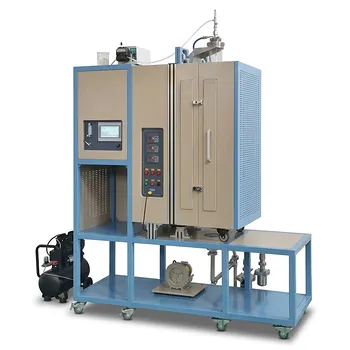
1500C Three Zone Vertical Pyrolysis Furnace for Nanoparticle Synthesis and Advanced Oxide Coating
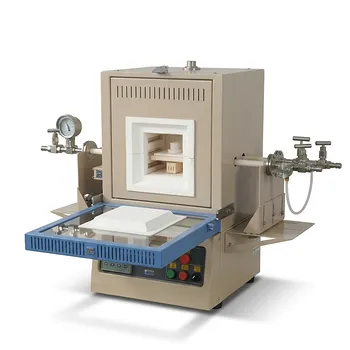
1700C Compact Hybrid Furnace with Dual Layer Box Sintering and Controlled Atmosphere Alumina Tubes
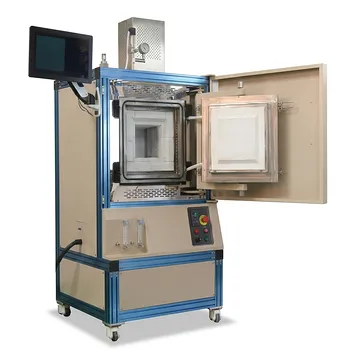
High Temperature Hydrogen Atmosphere Box Furnace 1650C Max Reducing Environment Material Synthesis System 8x8x8 Chamber
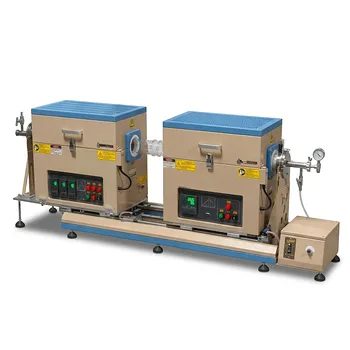
1200C Dual Temperature Zone Slidable Tube Furnace for 2D Material Growth and TCVD Synthesis
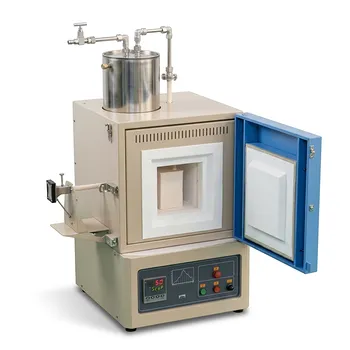
High Temperature Bench Top Muffle Furnace 1700C with Integrated Evaporating Particle Collection and 8x8x8 Alumina Fiber Chamber
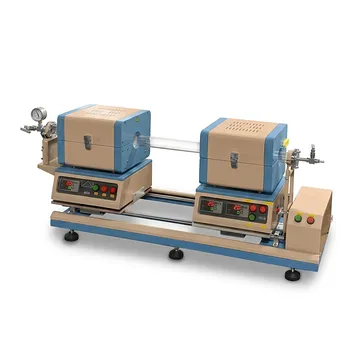
High Temperature 1200C Automatic Sliding Dual Zone Tube Furnace for 2D Transition Metal Dichalcogenides Growth and Material Sublimation Research
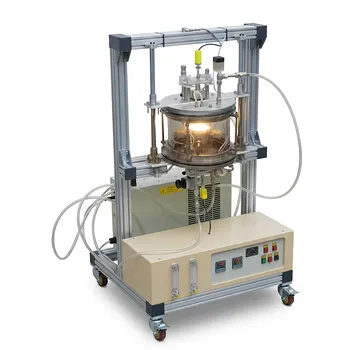
Two Zones CSS Furnace for Rapid Thermal Processing Thin Film Coating 3 Inch Diameter 650C
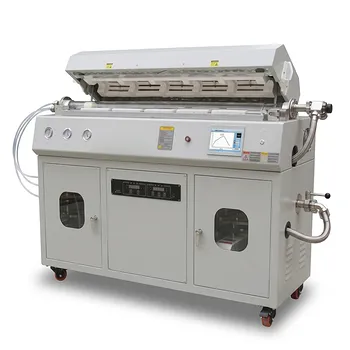
Multi Heating Zones CVD Tube Furnace System for Precision Chemical Vapor Deposition and Advanced Material Synthesis
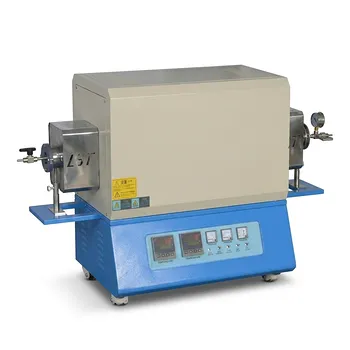
High Temperature Dual Zone Vacuum Tube Furnace for Material Research and CVD Processing