What is the necessity of a nitrogen environment in a carbonization furnace? Prevent Oxidation & Ensure CSU Quality
Updated 3 months ago
The nitrogen environment is an absolute requirement for the successful carbonization of Carbon Structural Units (CSU). At the final heat treatment temperature of 900°C, nitrogen serves as an inert shield that prevents carbon from reacting with oxygen. Without this oxygen-free atmosphere, the CSU would undergo rapid oxidative combustion, resulting in the total destruction of the material rather than the intended structural transformation.
Core Takeaway: Nitrogen displaces oxygen to transition the furnace from a combustion chamber to a controlled pyrolysis environment. This allows for the formation of high-strength carbon-carbon bonds and the preservation of microscopic structures that define the material's mechanical and thermal stability.
Prevention of Oxidative Loss and Combustion
Eliminating the Risk of Spontaneous Combustion
Carbon becomes highly reactive when exposed to oxygen at temperatures exceeding 400°C. In a 900°C carbonization furnace, the presence of even trace amounts of air would cause the CSU to ignite and burn into ash.
Preserving Material Yield and Volume
By maintaining a pure nitrogen atmosphere, the furnace ensures that organic precursors are converted into solid carbon frameworks rather than being lost as gaseous CO2. This anaerobic condition is essential for maximizing the carbon conversion efficiency of the final product.
Protecting Delicate Micro-Morphology
High-purity nitrogen prevents "oxidative ablation," which can erode the surface of carbon fibers or destroy one-dimensional hollow tubes and two-dimensional nanosheets. This protection ensures that the intricate microscopic pore structures remain intact for the final application.
Optimization of Structural and Mechanical Properties
Strengthening Carbon-Carbon Bonds
The absence of oxygen allows the carbon atoms to undergo thermal rearrangement into dense, stable carbon-carbon bonds. This molecular restructuring provides the CSU with mechanical and thermal stability that can meet or exceed the performance of traditional materials like concrete.
Facilitating Graphitization and Conductivity
An inert nitrogen environment supports the graphitization process, where carbon atoms align into more ordered structures. In specific applications, this environment also allows for the thermal rearrangement of nitrogen atoms within the carbon lattice, significantly enhancing electrical conductivity.
Establishing a Stable Chemical Potential
Continuous nitrogen flow removes pyrolysis by-products—such as CO and CO2—as they are released from the material. By purging these gases, the furnace maintains a stable chemical environment, preventing unwanted secondary reactions that could weaken the carbon skeleton.
Understanding the Trade-offs and Risks
The Danger of Trace Oxygen
Using low-purity nitrogen or failing to perform a proper pre-process purge can be catastrophic. Even residual oxygen trapped in the furnace chamber before heating can cause surface damage to lignin fibers and reduce the overall structural integrity of the CSU.
Gas Flow Management vs. Heat Consistency
While a continuous flow of nitrogen is necessary to remove by-products, excessive flow rates can lead to temperature fluctuations within the furnace. Engineers must balance the need for an inert atmosphere with the requirement for precise, uniform thermal control.
Cost and Complexity of High-Purity Systems
Maintaining a high-purity nitrogen environment requires specialized atmosphere furnaces or tube furnaces equipped with precise gas-monitoring systems. The operational cost of high-purity nitrogen (N2) must be weighed against the required performance specifications of the final carbon unit.
How to Apply This to Your Project
Recommendations for Success
To ensure the integrity of your Carbon Structural Units during high-temperature treatment, consider the following strategic priorities:
- If your primary focus is Maximum Structural Strength: Maintain a strictly pure nitrogen environment at 900°C to facilitate the formation of the strongest possible carbon-carbon bonds.
- If your primary focus is High Material Yield: Implement a rigorous pre-heating nitrogen purge to exhaust all residual air from the chamber before the temperature reaches 400°C.
- If your primary focus is Microstructure Preservation: Utilize a continuous nitrogen flow system to carry away corrosive pyrolysis by-products and prevent thermal erosion of delicate structures.
- If your primary focus is Electrical Conductivity: Ensure the nitrogen atmosphere is maintained throughout the cooling phase to prevent surface oxidation as the material stabilizes.
Properly managed nitrogen displacement is the fundamental difference between a failed combustion event and the creation of a high-performance carbon material.
Summary Table:
| Key Benefit | Role of Nitrogen (N2) Atmosphere | Impact on Material Quality |
|---|---|---|
| Oxidation Prevention | Displaces oxygen to create an inert shield | Prevents combustion and loss of carbon yield |
| Structural Integrity | Facilitates stable Carbon-Carbon bond formation | Enhances mechanical and thermal stability |
| Morphology Control | Prevents oxidative ablation of surfaces | Preserves delicate pores and nano-structures |
| Chemical Stability | Purges corrosive pyrolysis by-products | Prevents unwanted secondary chemical reactions |
| Conductivity | Supports graphitization and lattice alignment | Significantly improves electrical performance |
Master Your High-Temperature Carbonization with THERMUNITS
As a leading manufacturer of high-temperature laboratory equipment for material science and industrial R&D, THERMUNITS understands that precise atmosphere control is the critical difference between research success and material failure.
Our comprehensive range of thermal processing solutions—including Atmosphere Furnaces, Tube Furnaces, Vacuum Induction Melting (VIM), and CVD/PECVD systems—is engineered to provide the stable, oxygen-free environments required for high-purity carbonization and advanced heat treatment.
Why choose THERMUNITS for your CSU processing?
- Precision Atmosphere Management: Specialized gas flow systems to eliminate trace oxygen.
- Superior Thermal Uniformity: Ensures consistent carbon-carbon bond formation across all samples.
- Versatile Solutions: From Muffle and Rotary furnaces to advanced Hot Press and Dental systems.
Ready to optimize your carbonization process and maximize material yield? Contact our technical team today to find the perfect thermal solution for your lab or industrial facility.
References
- Md Tarik Hossain, Kam Ng. Characterization of coal extracts and their performances as binder for new carbon-based structural units. DOI: 10.1016/j.conbuildmat.2023.134820
Mentioned Products
- High Temperature 1500C Benchtop Muffle Furnace 3.6L Alumina Fiber Chamber Programmable Controller Sintering Annealing Carbonization Thermal Processing System
- Electric Rotary Kiln Small Rotary Furnace for Activated Carbon Regeneration
- High Temperature 1700C Vertical Tube Furnace for Powder Spherification and Material Sintering
- 1750C Compact Muffle Furnace 1.7L Ultra High Temperature Laboratory Sintering System for Advanced Ceramics and Material Science Research
- 1700C Compact Hybrid Furnace with Dual Layer Box Sintering and Controlled Atmosphere Alumina Tubes
People Also Ask
- Why is annealing in a high-temperature muffle furnace necessary for SiO2/Si substrate pretreatment before monolayer WS2 synthesis?
- What is the purpose of using muffle or tube furnaces in glass synthesis? Achieve Precise Melt-Quenching & Homogeneity
- What is the role of a high-temperature muffle furnace in the synthesis of graphitic carbon nitride (g-C3N4)? - Guide
- What is the necessity of 950 °C muffle furnace for aluminate spinel supports? Achieve Phase Purity & Lattice Integration
- What is the function of a high-temp muffle furnace in Ni-V oxide synthesis? Optimize your material's performance.

Tech Team · ThermUnits
Last updated on Jun 03, 2026
Related Products
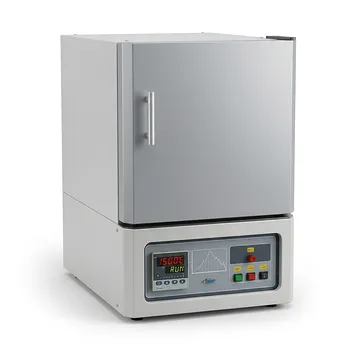
High Temperature 1500C Benchtop Muffle Furnace 3.6L Alumina Fiber Chamber Programmable Controller Sintering Annealing Carbonization Thermal Processing System
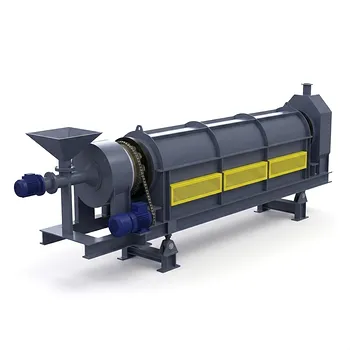
Electric Rotary Kiln Small Rotary Furnace for Activated Carbon Regeneration

High Temperature 1700C Vertical Tube Furnace for Powder Spherification and Material Sintering
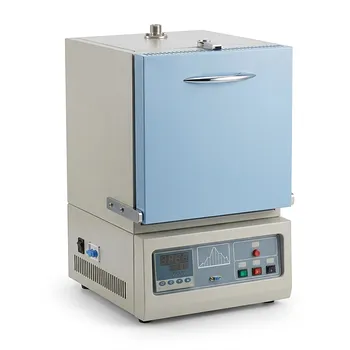
1750C Compact Muffle Furnace 1.7L Ultra High Temperature Laboratory Sintering System for Advanced Ceramics and Material Science Research
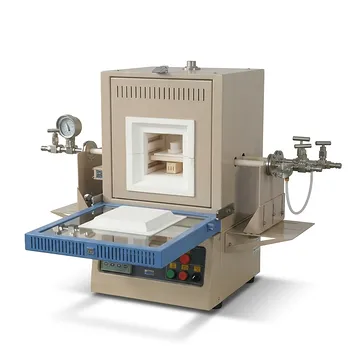
1700C Compact Hybrid Furnace with Dual Layer Box Sintering and Controlled Atmosphere Alumina Tubes
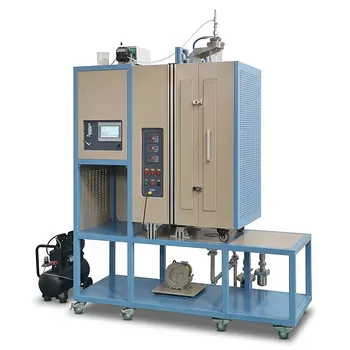
1500C Three Zone Vertical Pyrolysis Furnace for Nanoparticle Synthesis and Advanced Oxide Coating
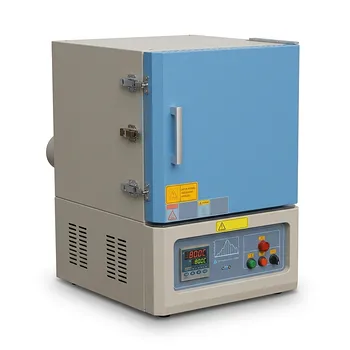
1800C Bench Top Muffle Furnace 18 Liters with Kanthal Super 1900 Heating Elements for High Purity Ceramic Sintering and Material Research
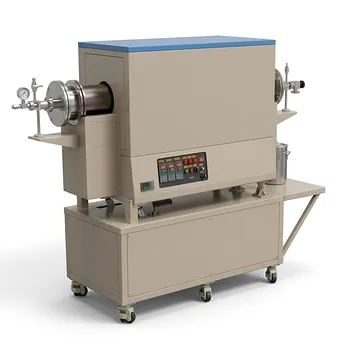
900°C Max Rotary Tube Furnace with 8 Inch 310S Alloy Tube and Optional Multi Zone Heating for Industrial Material Calcination
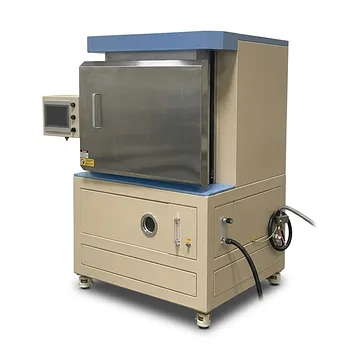
1650C High Temperature Atmosphere Controlled Box Furnace with 65L Chamber for Advanced Material Sintering and Industrial Heat Treatment
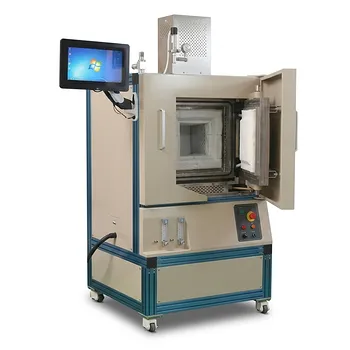
High Temperature Oxygen and Inert Atmosphere Controlled Furnace 8 Liter 1700C Sintering System for Advanced Materials RD
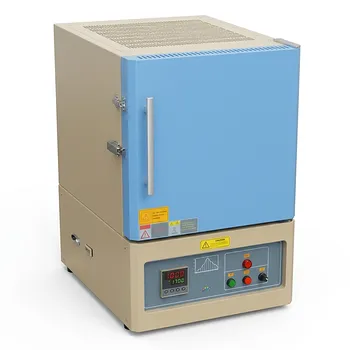
Large Bench Top 1700C High Temperature Muffle Furnace with 19L Chamber for Advanced Material Sintering and Annealing
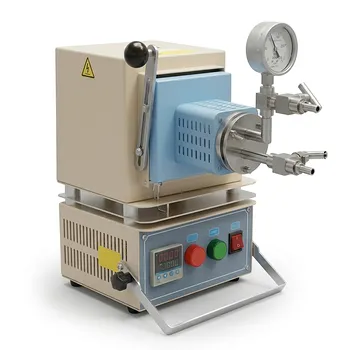
Compact Hybrid Muffle and Tube Furnace for 1000C Controlled Atmosphere Laboratory Material Sintering
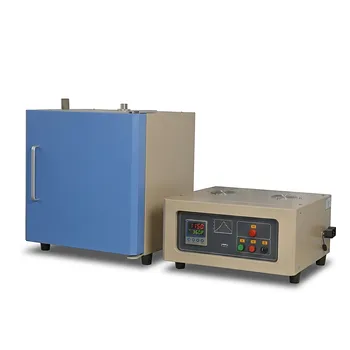
High Temperature Muffle Furnace with Alloy Chamber for Debinding and Sintering Applications
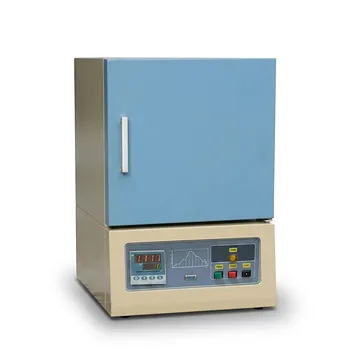
Ultra High Temperature Bench Top Muffle Furnace 1750C Sintering System with Kanthal Super Heating Elements and Precision Digital Control
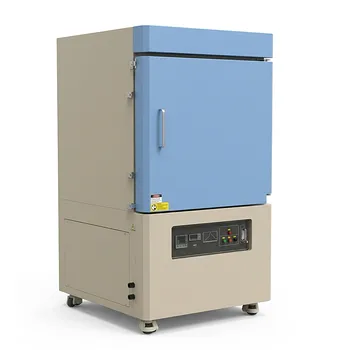
Industrial Large Box Furnace 1700C 216L High Temp Muffle Sintering System

Compact High Temperature 1600C Tube Furnace with 50mm Alumina Tube and Vacuum Flanges for Material Sintering
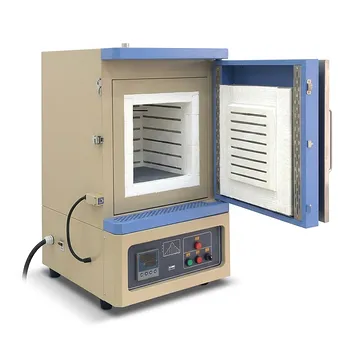
Five Side Heating Muffle Furnace High Purity Alumina Fiber 27L Chamber 1200C High Temperature Thermal Processing System for Sintering Annealing and Materials Research
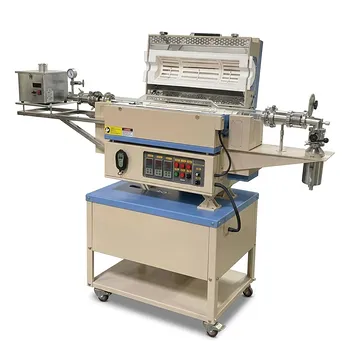
5 Inch Rotary Tube Furnace with Automatic Feeding and Receiving System 1200C Three Zone CVD Powder Processing
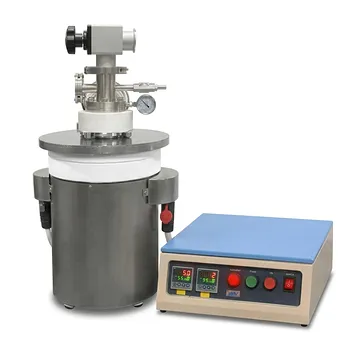
1100C High Temperature Vacuum Crucible Furnace with Quartz Chamber for Thermal Processing and Sintering
