What is the necessity of introducing an argon atmosphere during the high-temperature calcination of titanium dioxide? Essential Benefits
Updated 3 months ago
Introducing an argon atmosphere during the high-temperature calcination of titanium dioxide is a critical requirement for maintaining chemical purity and structural control. This inert gas displaces oxygen and nitrogen, preventing the uncontrolled oxidation of residual organic materials and the titanium substrate itself. Furthermore, it facilitates the creation of specific surface defects and doping states that significantly enhance the material's ability to absorb visible light.
The use of argon transforms the calcination process from a simple heating stage into a controlled chemical environment. By isolating the material from atmospheric gases, it ensures the integrity of the microscopic structure while enabling functional enhancements that are impossible in an open-air environment.
Preventing Uncontrolled Chemical Reactions
Oxidation of Residual Organic Substances
During the synthesis of titanium dioxide, precursors often leave behind residual organic fragments like ethanol or isopropoxide. In an air-filled furnace, these would burn uncontrollably, potentially damaging the material's surface or altering its chemical composition.
Suppression of Secondary Oxidation
Even after a $TiO_2$ coating is formed, high temperatures can trigger secondary oxidation reactions between the substrate and the air. An argon atmosphere acts as a protective shield, ensuring that the oxide layer thickness remains precisely controlled and free from atmospheric impurities.
Eliminating Nitrogen and Hydrogen Interference
At high temperatures, titanium-based materials are highly reactive and can absorb nitrogen or hydrogen from the surrounding air. Argon prevents the formation of unwanted nitrides or the brittle effects of hydrogen absorption, preserving the mechanical and chemical consistency of the final product.
Preserving Microscopic Morphology and Yield
Protecting Nanostructure Integrity
For specialized forms of titanium dioxide, such as nanotube coatings or composite nanofibers, maintaining the specific shape is essential for performance. Argon prevents these delicate structures from "burning off" or collapsing due to oxidative stress at high temperatures.
Maintaining Pore Structure and Surface Area
The inert environment allows for the precise control of the resulting pore structure within the material. By preventing the aggressive etching caused by oxygen, argon ensures that the surface area and microscopic morphology remain optimized for applications like catalysis or biological sensing.
Maximizing Material Yield
In processes involving carbon-based additives or skeletons, such as aerogel pyrolysis, an oxygen-free environment is mandatory. Argon ensures the integrity of the carbon skeleton, preventing the material from turning into ash and ensuring a high yield of the desired composite powder.
Enhancing Functional Performance
Engineering Surface Defect States
The absence of oxygen during heating allows for the intentional formation of surface defect states or specific doping structures. These defects are not "flaws" but are engineered features that allow titanium dioxide to interact more effectively with visible light.
Improving Visible Light Absorption
Standard titanium dioxide primarily reacts to ultraviolet light; however, calcination in argon can shift its properties. By facilitating specific electronic structures, the argon-treated material becomes significantly more efficient at absorbing visible light, which is vital for solar energy applications.
Understanding the Trade-offs and Technical Challenges
High Purity Requirements
The effectiveness of the atmosphere depends entirely on the purity of the argon used. Even trace amounts of oxygen or moisture in the gas stream can lead to localized oxidation, negating the benefits of the inert environment and potentially ruining a batch of material.
Cost and System Complexity
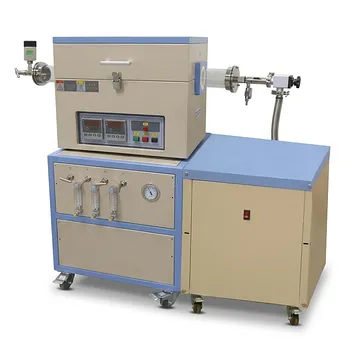
Implementing an argon atmosphere requires a sealed tube furnace and a precise atmosphere control system. This increases the operational cost and complexity compared to open-air calcination, necessitating a clear justification based on the required material properties.
Thermal Transfer Dynamics
Argon has different thermal conductivity properties than air. While it assists in achieving uniform heat transfer, the heating and cooling profiles must be carefully calibrated to ensure that the titanium joints or coatings do not experience thermal shock or inconsistent grain growth.
How to Apply This to Your Project
Recommendations for Material Synthesis
- If your primary focus is visible light photocatalysis: Use high-purity argon to facilitate the formation of the surface defects necessary to lower the material's bandgap.
- If your primary focus is structural integrity of nanotubes: Maintain a steady argon flow to prevent secondary oxidation from thickening the tube walls beyond your design specifications.
- If your primary focus is cost-effective mass production: Evaluate if the specific performance gains of an inert atmosphere outweigh the increased overhead of gas supply and specialized furnace equipment.
The strategic use of argon during calcination is the definitive method for achieving the chemical precision and functional performance required in advanced titanium dioxide applications.
Summary Table:
| Key Feature | Role of Argon Atmosphere | Impact on Titanium Dioxide (TiO2) |
|---|---|---|
| Chemical Purity | Displaces oxygen and nitrogen | Prevents uncontrolled oxidation and unwanted nitride formation. |
| Structural Integrity | Provides an inert environment | Protects delicate nanotubes and pore structures from collapsing. |
| Functional Gain | Enables surface defect engineering | Enhances visible light absorption for photocatalysis and solar energy. |
| Material Yield | Protects carbon-based additives | Prevents material loss (ashing) in composite powders and aerogels. |
Elevate Your Material Research with Precise Atmosphere Control
Achieving the perfect calcination environment for titanium dioxide requires specialized equipment that guarantees gas purity and thermal stability. THERMUNITS is a leading manufacturer of high-temperature laboratory equipment, providing tailored thermal processing solutions for material science and industrial R&D.
Whether your project involves CVD/PECVD systems, Atmosphere furnaces, or Tube furnaces, we offer the technical expertise to optimize your heat treatment results. Our comprehensive range includes:
- Atmosphere & Vacuum Furnaces for oxygen-free processing.
- Tube & Rotary Furnaces for continuous material synthesis.
- Hot Press & Vacuum Induction Melting (VIM) for advanced alloys and ceramics.
- CVD/PECVD Systems for precise nanostructure engineering.
Ready to optimize your TiO2 calcination process? Contact our engineering team today to find the ideal furnace solution for your laboratory needs!
References
- Iwona Pełech, Urszula Narkiewicz. Thermal and/or Microwave Treatment: Insight into the Preparation of Titania-Based Materials for CO2 Photoreduction to Green Chemicals. DOI: 10.3390/molecules29153646
Mentioned Products
- Two Zone Rotary CVD Furnace with Automatic Feeding and Receiving System for Powder Processing
- 900°C Max Rotary Tube Furnace with 8 Inch 310S Alloy Tube and Optional Multi Zone Heating for Industrial Material Calcination
- Dual Zone Rotary Tube Furnace for Uniform Powder Calcination 1000C 2 Inch Quartz Tube
- 5 Inch Rotary Tube Furnace with Automatic Feeding and Receiving System 1200C Three Zone CVD Powder Processing
- Electric Rotary Kiln Continuous Working Small Rotary Furnace Heating Pyrolysis Plant
People Also Ask
- What are the typical operating temperature ranges and mechanical specifications for rotary furnaces? A Complete Guide
- What parameters must operators control to maintain product quality in a rotary furnace? Master Your Heat Treatment.
- What is the primary function and operating principle of a rotary furnace? Maximize Thermal Processing Efficiency
- How do rotary furnaces contribute to effective hazardous waste management and thermal treatment? - High Efficiency Solutions
- How does the rotation speed of a rotary furnace affect the material processing? Optimize Residence Time & Heat Uniformity

Tech Team · ThermUnits
Last updated on Jun 03, 2026
Related Products
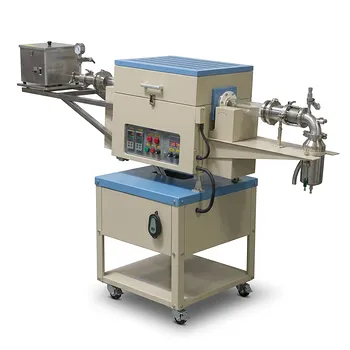
Two Zone Rotary CVD Furnace with Automatic Feeding and Receiving System for Powder Processing
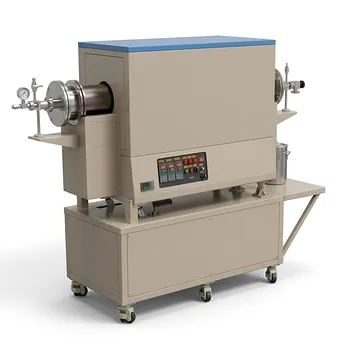
900°C Max Rotary Tube Furnace with 8 Inch 310S Alloy Tube and Optional Multi Zone Heating for Industrial Material Calcination
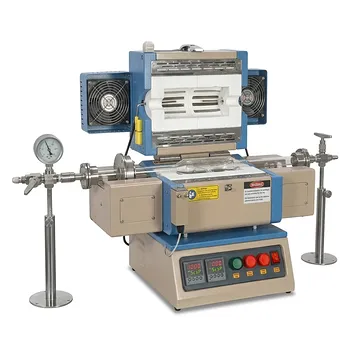
Dual Zone Rotary Tube Furnace for Uniform Powder Calcination 1000C 2 Inch Quartz Tube
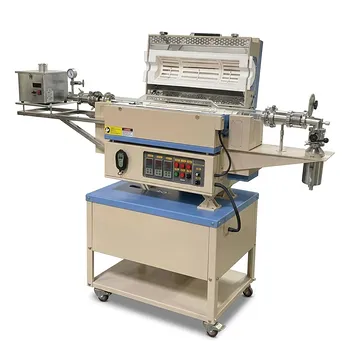
5 Inch Rotary Tube Furnace with Automatic Feeding and Receiving System 1200C Three Zone CVD Powder Processing
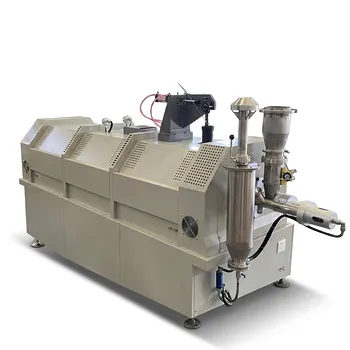
Electric Rotary Kiln Continuous Working Small Rotary Furnace Heating Pyrolysis Plant
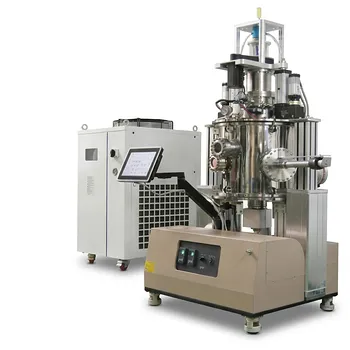
950C Rapid Thermal Processing Furnace for 12 Inch Wafer CSS Coating with Rotating Substrate Holder
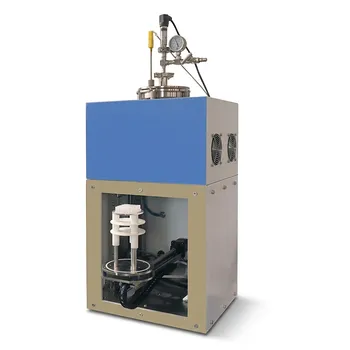
Rapid Thermal Processing RTP Atmosphere Controlled Bottom Loading Furnace 1100C High Throughput 50C per Second Heating Rate
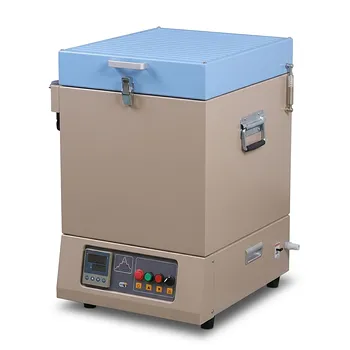
High Temperature Vertical Crucible Furnace with 22L Heating Chamber and 1200C Maximum Temperature

High Temperature 1700C Vertical Tube Furnace for Powder Spherification and Material Sintering
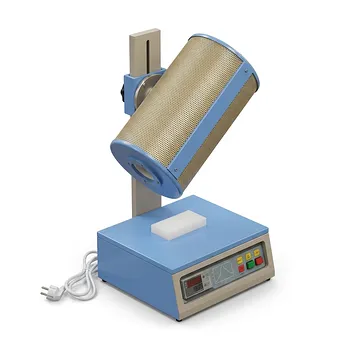
1100°C Vertical Laboratory Furnace for DIY Tubular Reactors with PID Temperature Controller
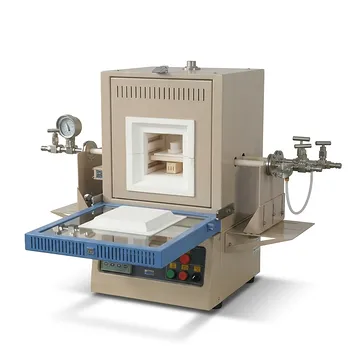
1700C Compact Hybrid Furnace with Dual Layer Box Sintering and Controlled Atmosphere Alumina Tubes
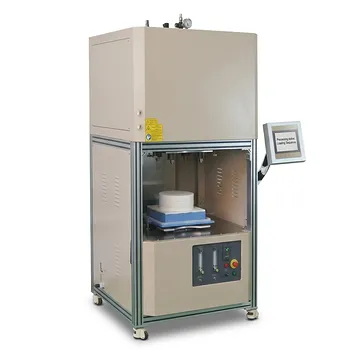
High Temperature Vertical Atmosphere Controlled Furnace with Automatic Bottom Loading and 1700°C Capacity for Advanced Material Research
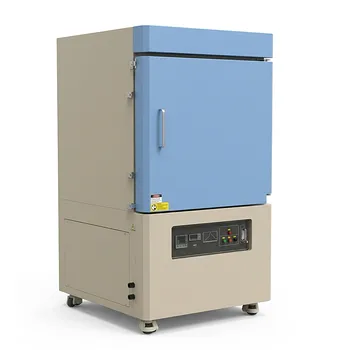
Industrial Large Box Furnace 1700C 216L High Temp Muffle Sintering System
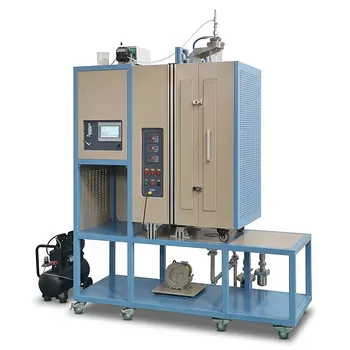
1500C Three Zone Vertical Pyrolysis Furnace for Nanoparticle Synthesis and Advanced Oxide Coating
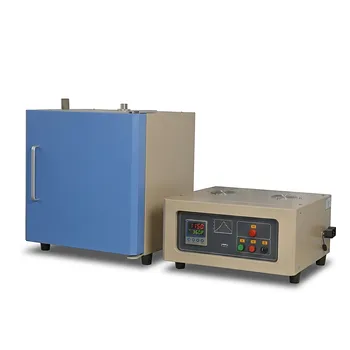
High Temperature Muffle Furnace with Alloy Chamber for Debinding and Sintering Applications
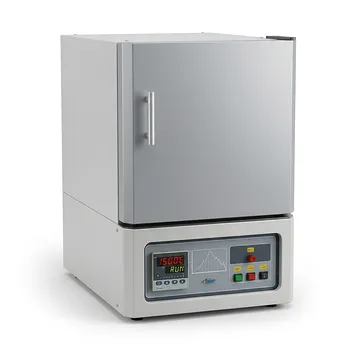
High Temperature 1500C Benchtop Muffle Furnace 3.6L Alumina Fiber Chamber Programmable Controller Sintering Annealing Carbonization Thermal Processing System
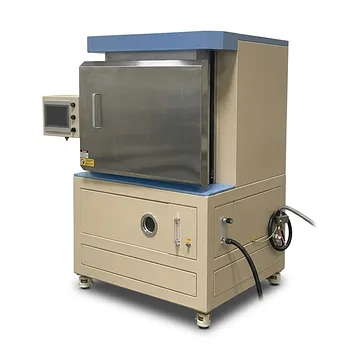
1650C High Temperature Atmosphere Controlled Box Furnace with 65L Chamber for Advanced Material Sintering and Industrial Heat Treatment
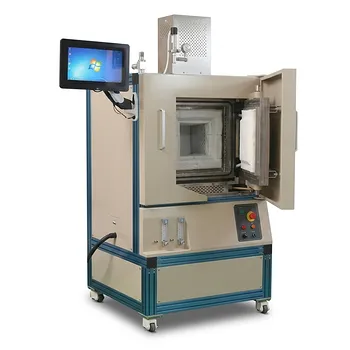
High Temperature Oxygen and Inert Atmosphere Controlled Furnace 8 Liter 1700C Sintering System for Advanced Materials RD
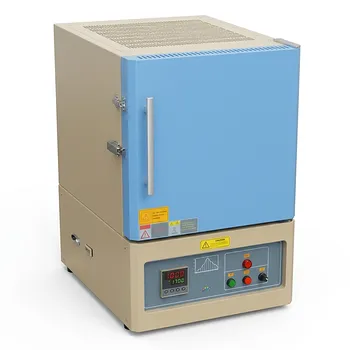
Large Bench Top 1700C High Temperature Muffle Furnace with 19L Chamber for Advanced Material Sintering and Annealing