What is the primary function of a high-temperature ceramic crucible in 4H-SiC sulfurization? Ensure High-Purity Vapor.
Updated 3 months ago
In 4H-SiC sulfurization treatment, the high-temperature ceramic crucible serves as a chemically stable carrier for the sulfur source. It is strategically positioned in the low-temperature zone of a tube furnace to facilitate the generation of high-purity sulfur vapor. By preventing the introduction of metal impurities during this process, the crucible maintains the pristine environment necessary for sensitive electrical property research.
Core Takeaway: The crucible’s primary role is to ensure a contaminant-free sulfur vapor source by leveraging its chemical inertness and thermal stability, which is foundational for the accurate characterization of 4H-SiC semiconductors.
Ensuring High-Purity Vapor Generation
Elimination of Metal Contaminants
The most critical function of the ceramic material is its chemical stability at elevated temperatures. Unlike metal or lower-grade containers, high-temperature ceramics do not leach impurities into the sulfur source during the vaporization phase.
Maintaining this level of purity is essential because even trace metal contaminants can migrate into the 4H-SiC substrate, potentially masking or altering the electrical properties being studied.
Controlled Vaporization in Thermal Zones
The crucible is specifically designed to reside in the low-temperature zone of a tube furnace. This positioning allows for a controlled rate of sulfur sublimation, providing a steady stream of vapor to the reaction site.
This spatial separation ensures that the sulfur source is heated sufficiently to vaporize, while the SiC sample can be maintained at a different, often higher, temperature required for successful sulfurization.
The Role of Material Integrity in Sulfurization
Thermal Stability and Refractoriness
High-temperature ceramic crucibles exhibit excellent refractoriness, meaning they maintain their structural integrity and shape even under prolonged heat. In sulfur-based treatments, this prevents the crucible from deforming or reacting with the sulfur precursor.
This durability allows the crucible to support the entire transformation of the sulfur source, from its solid state through to the final generation of gaseous products, without compromising the experiment.
Facilitating Gas Escape
The physical design of these crucibles—often an open-top structure—is intentional. This configuration allows for the rapid and unobstructed escape of sulfur vapor into the furnace atmosphere.
Efficient vapor flow is necessary to ensure a consistent concentration of sulfur reaches the 4H-SiC surface, which is a requirement for achieving uniform surface treatment and reliable data.
Understanding the Technical Trade-offs
Thermal Shock Sensitivity
While these crucibles are designed for high heat, they can be vulnerable to instantaneous thermal shocks. Rapid temperature fluctuations can lead to micro-cracking or structural failure if the heating and cooling curves are not precisely managed.
Porosity vs. Density
There is a constant trade-off between the density of the ceramic matrix and its weight. A denser, vacuum-sintered crucible effectively eliminates pores that might otherwise trap contaminants, but it may be more susceptible to thermal stress than a more porous structure.
Atmospheric Reactivity
While the crucible is inert to the sulfur source, it must be protected from oxidation in certain environments. In some high-temperature applications, a vacuum or controlled atmosphere is required to prevent the degradation of the crucible material itself over multiple cycles.
How to Apply This to Your Project
Recommendations for Implementation
- If your primary focus is Electrical Precision: Prioritize high-purity alumina or specialized ceramic crucibles to ensure zero metal migration during sulfurization.
- If your primary focus is Process Consistency: Ensure the crucible is placed exactly within the furnace’s calibrated low-temperature zone to maintain a steady sulfur vapor pressure.
- If your primary focus is Crucible Longevity: Implement gradual heating and cooling ramps (Precise Temperature Control Curves) to avoid structural damage from thermal shock.
By viewing the ceramic crucible as a critical component of the purity chain rather than a simple container, you ensure the integrity of your 4H-SiC sulfurization results.
Summary Table:
| Feature | Primary Function | Impact on 4H-SiC Treatment |
|---|---|---|
| Chemical Stability | Prevents metal impurity leaching | Maintains pristine electrical properties |
| Thermal Stability | Maintains structure at high heat | Ensures consistent sulfur source support |
| Placement (Low-Temp Zone) | Controlled sulfur sublimation | Provides steady, uniform vapor flow |
| Open-Top Design | Facilitates rapid gas escape | Achieves reliable surface reaction data |
Elevate Your Material Research with THERMUNITS
As a leading manufacturer of high-temperature laboratory equipment for material science and industrial R&D, THERMUNITS provides the precision tools necessary for sensitive processes like 4H-SiC sulfurization. We offer a comprehensive range of thermal processing solutions, including Tube, Vacuum, and Atmosphere furnaces, CVD/PECVD systems, and high-purity ceramic components designed to ensure contaminant-free environments.
Whether you require specialized Muffle furnaces, Rotary kilns, or Hot Press systems, our equipment is engineered for the highest reliability and temperature control.
Ready to optimize your heat treatment process? Contact our technical experts today to discuss how our solutions can enhance your lab's efficiency and research accuracy.
References
- Fabrizio Roccaforte, Filippo Giannazzo. Schottky contacts on sulfurized silicon carbide (4H-SiC) surface. DOI: 10.1063/5.0192691
Mentioned Products
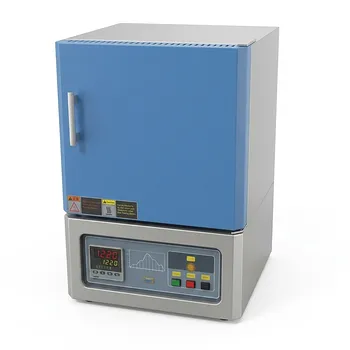
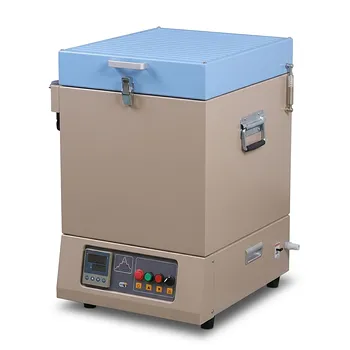
- High Temperature Vertical Crucible Furnace with 22L Heating Chamber and 1200C Maximum Temperature
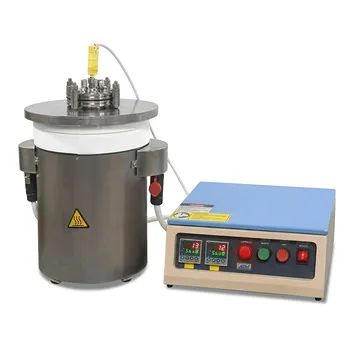
- 600°C Vertical Crucible Furnace with SS316 Alloy Reactor and 6 Port Vacuum Flange
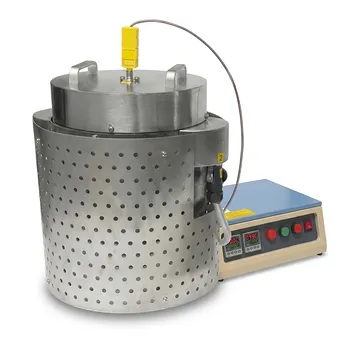
- Vertical Crucible Furnace 1000C High Temperature Laboratory Equipment 4.7 Inch Diameter Chamber SS316 Anti Corrosive Enclosure
- 1100C High Temperature Vacuum Crucible Furnace with Quartz Chamber for Thermal Processing and Sintering
- 1100C Crucible Melting Furnace with Stirring Function for Glovebox and Air Sensitive Alloy Research
People Also Ask
- What role does a high-temperature vertical tube furnace play in simulating high-carbon ferromanganese slag formation?
- How should the choice between a Quartz crucible and an Alumina crucible be made for La2O2S? Optimize Material Purity
- Why use ceramic crucibles for coal nano-hybrid heat treatment? Ensure Purity and Thermal Stability.
- How does a high-temperature solution furnace affect the evolution of strengthening phases in Fe-Co-Mo alloys? Expert Guide
- What critical conditions does a high-temperature electric heating furnace provide for rice husk ash melting research?

Tech Team · ThermUnits
Last updated on Jun 02, 2026
Related Products
High Temperature Vertical Crucible Furnace with 22L Heating Chamber and 1200C Maximum Temperature
600°C Vertical Crucible Furnace with SS316 Alloy Reactor and 6 Port Vacuum Flange
Vertical Crucible Furnace 1000C High Temperature Laboratory Equipment 4.7 Inch Diameter Chamber SS316 Anti Corrosive Enclosure
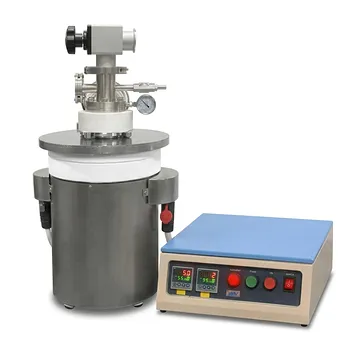
1100C High Temperature Vacuum Crucible Furnace with Quartz Chamber for Thermal Processing and Sintering
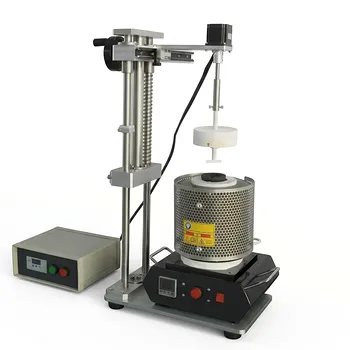
1100C Crucible Melting Furnace with Stirring Function for Glovebox and Air Sensitive Alloy Research
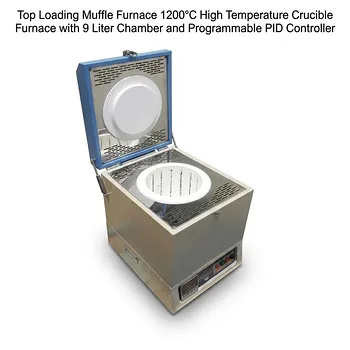
Top Loading Muffle Furnace 1200°C High Temperature Crucible Furnace with 9 Liter Chamber and Programmable PID Controller
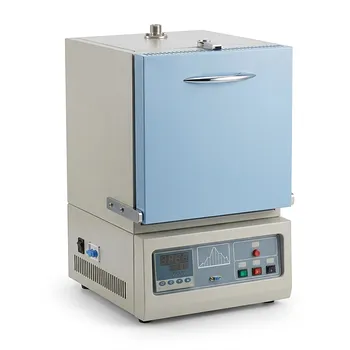
1750C Compact Muffle Furnace 1.7L Ultra High Temperature Laboratory Sintering System for Advanced Ceramics and Material Science Research
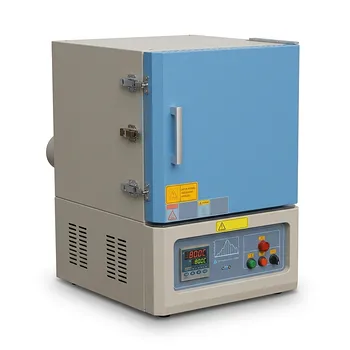
1800C Bench Top Muffle Furnace 18 Liters with Kanthal Super 1900 Heating Elements for High Purity Ceramic Sintering and Material Research
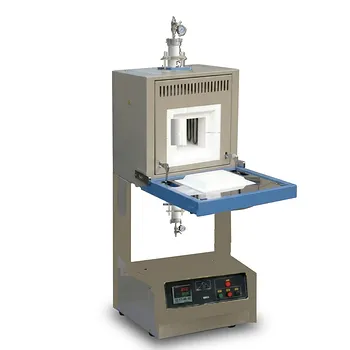
High Temperature Vertical Hybrid Furnace with Alumina Tube and SiC Heating for SOFC Coin Cell Testing and Atmosphere Processing

High Temperature 1700C Vertical Tube Furnace for Powder Spherification and Material Sintering
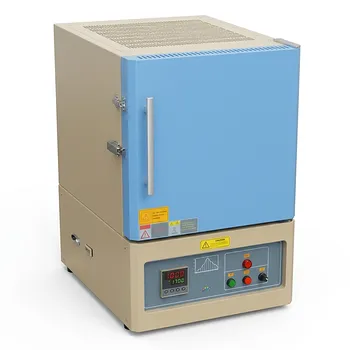
Large Bench Top 1700C High Temperature Muffle Furnace with 19L Chamber for Advanced Material Sintering and Annealing
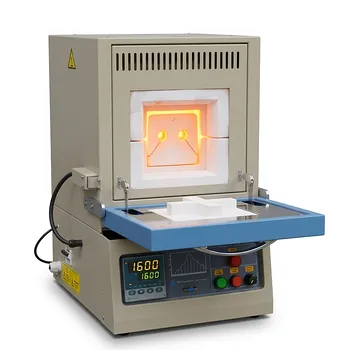
High Temperature Compact Muffle Furnace 1700 C with 30 Segment Programmable Controller and 1.7L Cubic Chamber

Compact High Temperature 1600C Tube Furnace with 50mm Alumina Tube and Vacuum Flanges for Material Sintering
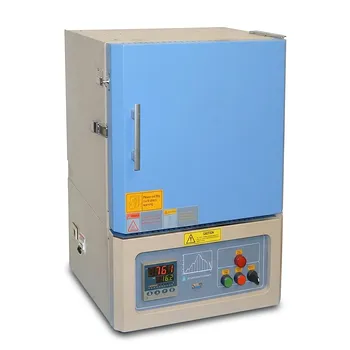
High Temperature 1700C Bench Top Muffle Furnace with Alumina Fiber Insulation and 3.6L Chamber Capacity for Precision Sintering and Heat Treatment
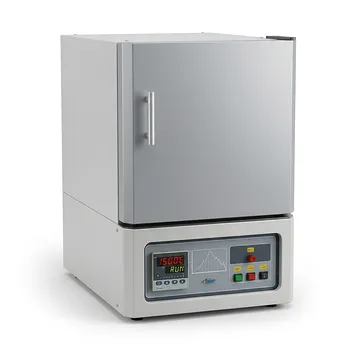
High Temperature 1500C Benchtop Muffle Furnace 3.6L Alumina Fiber Chamber Programmable Controller Sintering Annealing Carbonization Thermal Processing System
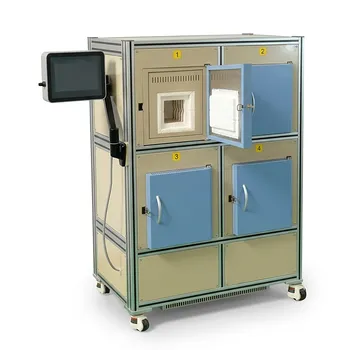
High Temperature Four Chamber Box Furnace for High Throughput Materials Research and Space Saving Thermal Processing
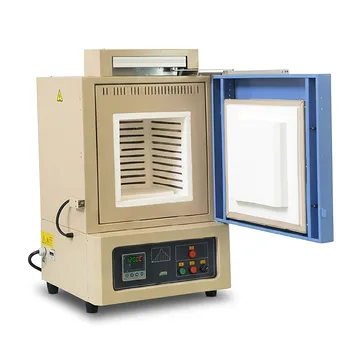
1200C High Temperature Muffle Furnace with Motorized Door and Automated PC Control for Industrial Sintering and Material Processing 27 Liter
Ultra High Temperature Bench Top Muffle Furnace 1750C Sintering System with Kanthal Super Heating Elements and Precision Digital Control

1800C High Temperature Compact Vacuum Tube Furnace with 60mm OD Alumina Tube and Kanthal MoSi2 Heating Elements