What is the primary purpose of IR sensors in automated ceramic sintering systems? Expert Insights
Updated 3 months ago
Non-contact infrared temperature sensors are integrated into automated ceramic sintering systems primarily to provide precise, real-time surface temperature monitoring without physical interference. This capability is critical for controlling rapid cooling rates, which directly influences the material's phase stability and the accuracy of subsequent dielectric property measurements.
Core Takeaway: IR sensors enable high-precision thermal management by decoupling temperature measurement from mechanical movements. This ensures that the ceramic's microstructural evolution during cooling is controlled, resulting in predictable and measurable material properties.
The Advantage of Non-Invasive Monitoring
Eliminating Mechanical Interference
Traditional contact sensors, like thermocouples, require physical attachment which can hinder the movement of automated components. Non-contact infrared (IR) sensors eliminate this constraint, allowing for seamless automation without the risk of tangling wires or damaging delicate samples.
Preserving the Sample Environment
Contact sensors can act as heat sinks, drawing thermal energy away from the measurement point and distorting data. By measuring infrared radiation emitted from the surface, these sensors provide a "pure" temperature reading that reflects the true state of the ceramic sample.
High-Speed Data Acquisition
Automated sintering often involves rapid thermal changes that require immediate response. IR sensors provide real-time feedback, allowing the control system to make millisecond-level adjustments to heating or cooling elements.
Mastering the Critical Cooling Phase
Controlling Rapid Cooling Rates
The transition from sintering temperatures to room temperature is a high-stakes phase for ceramic materials. Precise cooling control is necessary to prevent thermal shock and ensure the material reaches its desired structural state.
Studying Phase Stability
Many ceramics undergo phase transformations during cooling that dictate their final characteristics. Real-time IR data allows researchers to observe exactly how temperature fluctuations impact the stability of these phases during the cooling process.
Ensuring Dielectric Measurement Accuracy
The final quality of a ceramic is often judged by its dielectric properties. Because these properties are highly sensitive to the thermal history of the sample, accurate temperature tracking during sintering is the only way to ensure that subsequent measurements are valid and repeatable.
Understanding the Trade-offs and Limitations
The Emissivity Variable
The accuracy of an IR sensor depends heavily on the emissivity of the ceramic surface, which is its efficiency in emitting thermal energy. If the material's surface properties change during sintering, the sensor may require recalibration to avoid reading errors.
Line-of-Sight Requirements
IR sensors require a clear, unobstructed path to the target sample. In a crowded automated furnace, maintaining this optical path can be challenging, as dust, vapors, or mechanical shields can block the sensor's view and lead to false data.
Surface vs. Core Temperature
An infrared sensor only measures the surface temperature of the ceramic. In very thick or large samples, a significant thermal gradient may exist between the surface and the core, requiring sophisticated modeling to understand the internal state of the material.
How to Apply This to Your Process
Making the Right Choice for Your Goal
To maximize the benefit of IR integration, align your sensor selection with your specific production or research outcomes.
- If your primary focus is material research and phase analysis: Prioritize sensors with high thermal resolution and fast sampling rates to capture subtle phase changes during cooling.
- If your primary focus is industrial throughput and automation: Focus on ruggedized sensors with stable long-term calibration and easy integration into your existing PLC (Programmable Logic Controller) systems.
- If your primary focus is electrical component manufacturing: Ensure the IR system is calibrated specifically for the emissivity of your dielectric materials to guarantee the integrity of your property measurements.
By moving to non-contact sensing, you transition from reactive heating to proactive thermal management, ensuring every ceramic sample meets its exact performance specifications.
Summary Table:
| Feature | Key Benefit | Impact on Material Quality |
|---|---|---|
| Non-Invasive Monitoring | Eliminates mechanical interference | Ensures sample integrity & seamless automation |
| Real-Time Data | Millisecond response times | Precise control of critical rapid cooling phases |
| Infrared Emission | Surface-true temperature readings | Validates dielectric properties & phase stability |
| Non-Contact Design | Decouples measurement from movement | Prevents thermal data distortion from heat sinks |
Elevate Your Materials Research with THERMUNITS
As a global leader in high-temperature laboratory solutions, THERMUNITS provides cutting-edge thermal processing equipment tailored for material science and industrial R&D. Our comprehensive product range includes Muffle, Vacuum, Atmosphere, and Tube Furnaces, as well as advanced CVD/PECVD systems, Rotary Kilns, and Vacuum Induction Melting (VIM) furnaces.
Whether you are mastering ceramic phase stability or scaling industrial throughput, our equipment is designed to integrate seamlessly with modern sensing technologies for proactive thermal management.
Ready to optimize your heat treatment process? Contact THERMUNITS today to discover how our high-precision solutions can enhance your lab's efficiency and ensure every sample meets exact performance specifications.
References
- Mojan Omidvar, Yang Hao. Accelerated discovery of perovskite solid solutions through automated materials synthesis and characterization. DOI: 10.1038/s41467-024-50884-y
Mentioned Products
- High Temperature Horizontal Electrical Assisted Sintering Furnace with 3KW Programmable Power Source for Advanced Ceramic Materials
- 1750C Compact Muffle Furnace 1.7L Ultra High Temperature Laboratory Sintering System for Advanced Ceramics and Material Science Research
- Vacuum Dental Porcelain Sintering Furnace for High Precision Ceramic Restorations
- Dental Porcelain Zirconia Sintering Ceramic Vacuum Press Furnace
- Dental Porcelain Zirconia Sintering Ceramic Furnace Chairside with Transformer
People Also Ask
- How does the temperature control precision of a high-temperature sintering furnace affect Na1+xLa1-xZr2O6-δ ceramics?
- How does a high-temperature sintering furnace environment enhance NdFeB magnets? Achieve 98%+ density with precision.
- Why is a high-temperature sintering furnace required for the preparation of Li(Nb,Ta)O3 precursors? Essential Insights
- How does a high-temperature sintering furnace contribute to the interfacial strengthening of SS316L and zirconia?
- What role does a sintering furnace play with silver paste? Essential Thermal Management for Power Device Packaging

Tech Team · ThermUnits
Last updated on Jun 02, 2026
Related Products
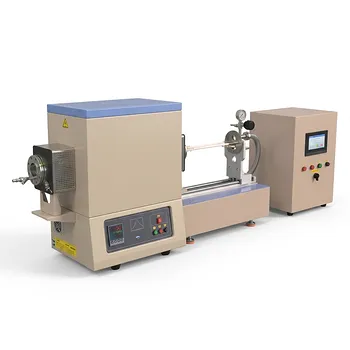
High Temperature Horizontal Electrical Assisted Sintering Furnace with 3KW Programmable Power Source for Advanced Ceramic Materials
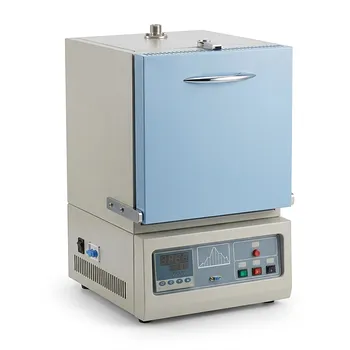
1750C Compact Muffle Furnace 1.7L Ultra High Temperature Laboratory Sintering System for Advanced Ceramics and Material Science Research
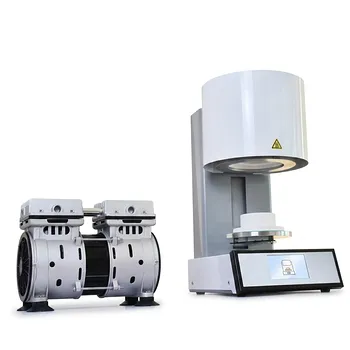
Vacuum Dental Porcelain Sintering Furnace for High Precision Ceramic Restorations
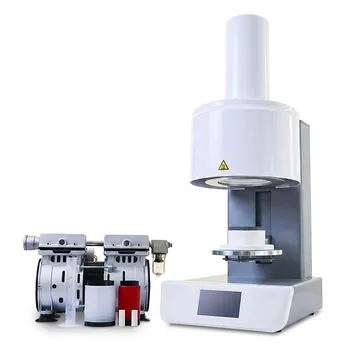
Dental Porcelain Zirconia Sintering Ceramic Vacuum Press Furnace
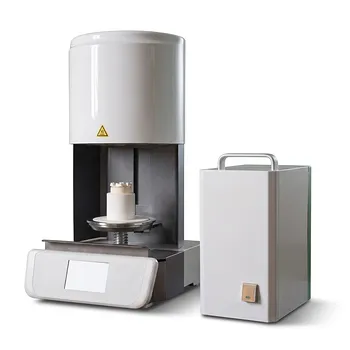
Dental Porcelain Zirconia Sintering Ceramic Furnace Chairside with Transformer
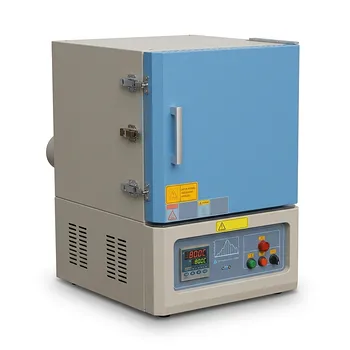
1800C Bench Top Muffle Furnace 18 Liters with Kanthal Super 1900 Heating Elements for High Purity Ceramic Sintering and Material Research
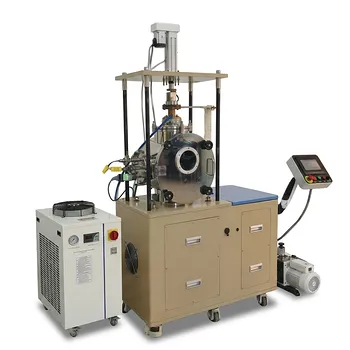
Compact Spark Plasma Sintering SPS Furnace 1200 C Max 100 MPa Pressure High Speed Sintering System for Material Research
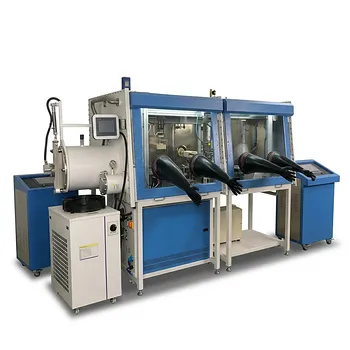
Automatic 10 Crucible Induction Melting and Casting System with Stirring Function and Glovebox Integration 2000C
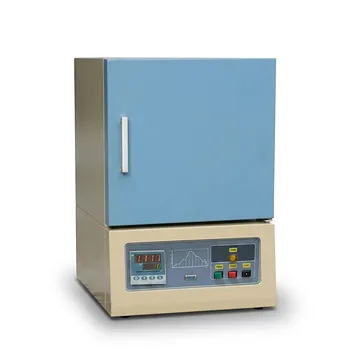
Ultra High Temperature Bench Top Muffle Furnace 1750C Sintering System with Kanthal Super Heating Elements and Precision Digital Control
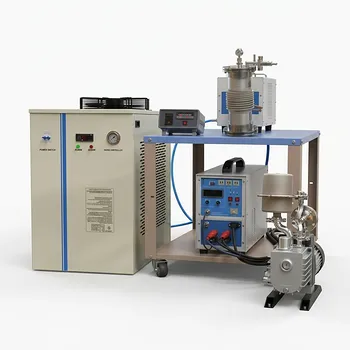
Induction Heating System with Temperature Control for High Temperature Vacuum Sintering and Melting
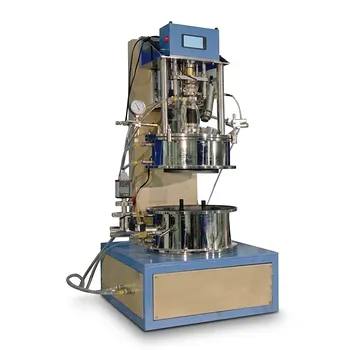
2500C High Vacuum Ultrafast Heating Pellet Press with Automated 8 Sample Loading System
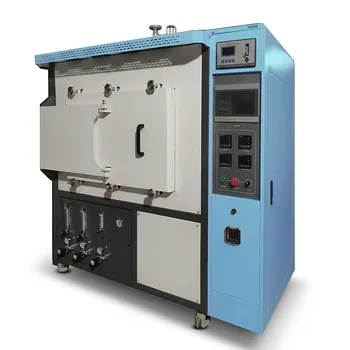
Roller Table Atmosphere Furnace 1500C High Temperature Battery Material Sintering System 112L Capacity
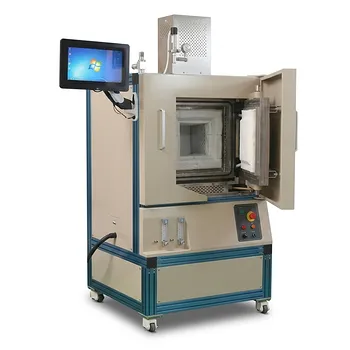
High Temperature Oxygen and Inert Atmosphere Controlled Furnace 8 Liter 1700C Sintering System for Advanced Materials RD
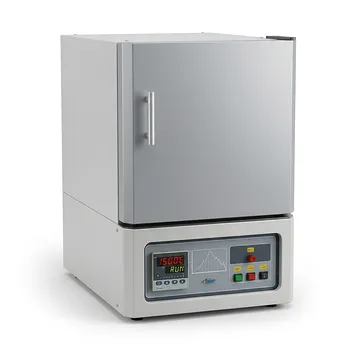
High Temperature 1500C Benchtop Muffle Furnace 3.6L Alumina Fiber Chamber Programmable Controller Sintering Annealing Carbonization Thermal Processing System
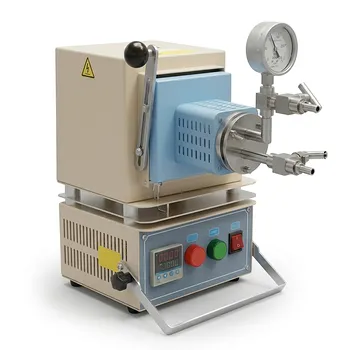
Compact Hybrid Muffle and Tube Furnace for 1000C Controlled Atmosphere Laboratory Material Sintering
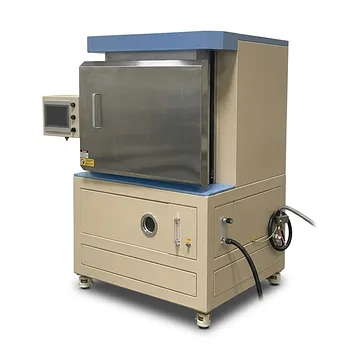
1650C High Temperature Atmosphere Controlled Box Furnace with 65L Chamber for Advanced Material Sintering and Industrial Heat Treatment
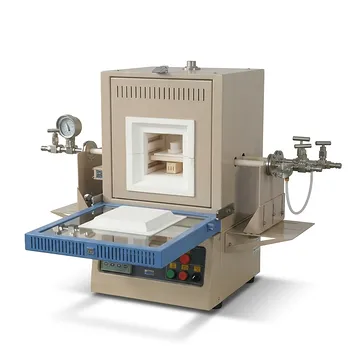
1700C Compact Hybrid Furnace with Dual Layer Box Sintering and Controlled Atmosphere Alumina Tubes
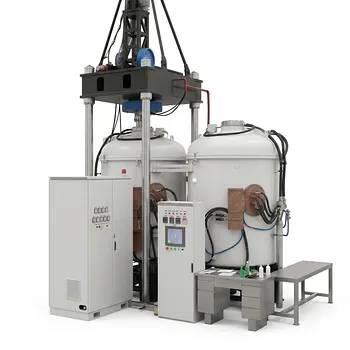
High Pressure 600T Vacuum Induction Hot Press Furnace for Advanced Material Heat Treatment and Sintering

High Temperature 1700C Vertical Tube Furnace for Powder Spherification and Material Sintering