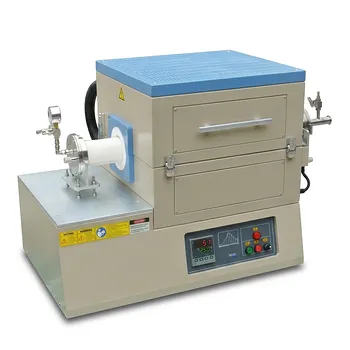
What is the purpose of integrating a camera in tube furnace experiments? Quantify Ignition Delay & Optimize Safety
Updated 3 months ago
Integrating high-resolution cameras into tube furnace experiments is essential for quantifying aluminum powder combustion kinetics in real-time. This technology provides a continuous visual record of the material's physical transformation as it is subjected to intense heat. By syncing these images with a precise time axis, researchers can accurately calculate the ignition delay time, a fundamental metric for both safety modeling and industrial process design.
The high-resolution camera transforms qualitative visual observation into quantitative data by identifying the exact moment of ignition. This allows researchers to calculate ignition delay, which is critical for assessing explosion risks and optimizing the residence time of aluminum powder in thermal processing equipment.
Quantifying the Ignition Process
Real-Time Visual Documentation
The primary function of the camera is to capture the visual evolution of aluminum powder as it undergoes heat treatment. Unlike sensors that only measure temperature or pressure, a high-resolution camera detects the physical transition from inert powder to active combustion.
Determining Ignition Delay Time
By analyzing the captured image sequence against a time axis, researchers can pinpoint the ignition delay time. This is defined as the specific duration from the moment the powder enters the heat zone to the very first visual sign of combustion.
Identifying the First Sign of Flame
High resolution is required to detect the initial spark or glow that signals the onset of a chemical reaction. Without this visual precision, the calculated ignition delay would be inaccurate, leading to flawed safety data.
Safety and Process Optimization
Evaluating Explosion and Fire Risks
The ignition delay time is a critical parameter for assessing the fire and explosion risks associated with waste aluminum powder. Understanding how quickly a material ignites under specific thermal conditions allows facilities to implement better containment and suppression strategies.
Optimizing Equipment Residence Time
For industrial thermal processing, efficiency depends on residence time—how long the material stays inside the furnace. Data from the monitoring camera helps engineers calibrate equipment so that powder is treated long enough to react, but not so long that energy is wasted or equipment is damaged.
Analyzing Waste Powder Behavior
Not all aluminum powder behaves identically; impurities and particle size affect reactivity. Visual monitoring allows for a comparative analysis of different waste streams, ensuring that thermal treatment protocols are tailored to the specific characteristics of the batch.
Understanding the Trade-offs and Challenges
Environmental Interference
High-heat environments within a tube furnace can create optical distortion or "heat shimmer," which may obscure fine details. Furthermore, as combustion begins, smoke or particulate matter can quickly cloud the lens, potentially masking the exact moment of secondary reactions.
Data Processing Demands
High-resolution video generates massive amounts of data that require significant computational power to analyze frame-by-frame. Researchers must balance the need for high frame rates—to capture rapid ignition—against the storage and processing time required for long-duration experiments.
Sensor Calibration
A camera alone provides only visual data; it must be perfectly synchronized with internal furnace thermocouples to be useful. If the time-stamping between the video feed and the temperature sensors is off by even a fraction of a second, the resulting ignition delay calculation will be invalid.
How to Apply This to Your Research
Implementing Visual Monitoring for Thermal Analysis
When integrating a monitoring system into a tube furnace experiment, your specific objectives should dictate the camera configuration and data analysis workflow.
- If your primary focus is safety and risk mitigation: Prioritize high frame rates to capture the exact millisecond of ignition, as this data is vital for calculating explosive potential and designing relief venting.
- If your primary focus is process efficiency and throughput: Focus on the correlation between temperature and ignition delay to determine the shortest possible residence time that ensures complete treatment of the aluminum waste.
- If your primary focus is material characterization: Use the highest resolution possible to observe changes in particle morphology and surface texture prior to the actual moment of combustion.
By bridging the gap between visual observation and temporal data, the high-resolution camera provides the definitive evidence needed to manage the volatile nature of aluminum powder treatment safely and efficiently.
Summary Table:
| Feature | Primary Benefit | Research & Industrial Impact |
|---|---|---|
| Real-Time Visuals | Documents physical transformation | Captures exact ignition moments for kinetic data |
| Time-Sync Analysis | Precise ignition delay calculation | Informs explosion risk modeling and safety codes |
| High-Res Detection | Identifies initial sparks/glow | Prevents data inaccuracies in reactive behavior |
| Process Calibration | Optimizes furnace residence time | Increases throughput and reduces energy waste |
Maximize Experimental Precision with THERMUNITS
At THERMUNITS, we understand that advanced material science requires more than just heat; it requires absolute control and visibility. As a leading manufacturer of high-temperature laboratory equipment, we provide the specialized tools necessary for innovative R&D and industrial applications.
Our comprehensive product line includes:
- Advanced Tube & Rotary Furnaces for precise powder treatment and atmosphere control.
- CVD/PECVD Systems for sophisticated thin-film and nanoparticle research.
- Vacuum, Muffle, and Atmosphere Furnaces tailored to your specific thermal profiles.
- Vacuum Induction Melting (VIM) & Hot Press Furnaces for high-performance metallurgy.
Whether you are quantifying combustion kinetics or developing new materials, THERMUNITS delivers the reliability and technical support your facility deserves. Partner with us today to enhance your lab’s thermal processing capabilities.
References
- Roya Biabani, Mentore Vaccari. Thermal pre-treatment of reactive aluminium alloy waste powders. DOI: 10.1007/s10163-024-01904-y
Mentioned Products
- Mini Rotary Tubular Furnaces for Precision Powder Heat Treatment and Thermogravimetric Analysis
- Vertical Hybrid High Temperature Furnace 1500C Alumina Tube SOFC Fuel Cell Testing Laboratory Heat Treatment Research Equipment
- High Temperature 1700C Vertical Tube Furnace for Powder Spherification and Material Sintering
- Continuous Feeding Rotary Tube Furnace for Industrial Powder Heat Treatment and Material Research
- High Temperature Vertical Hybrid Furnace with Alumina Tube and SiC Heating for SOFC Coin Cell Testing and Atmosphere Processing
People Also Ask
- What are the typical operating temperature ranges and mechanical specifications for rotary furnaces? A Complete Guide
- What parameters must operators control to maintain product quality in a rotary furnace? Master Your Heat Treatment.
- How does a rotary tube furnace improve the processing of granular materials? Enhance Uniformity and Reaction Kinetics
- How do rotary furnaces contribute to effective hazardous waste management and thermal treatment? - High Efficiency Solutions
- How does the rotation speed of a rotary furnace affect the material processing? Optimize Residence Time & Heat Uniformity

Tech Team · ThermUnits
Last updated on Jun 02, 2026
Related Products
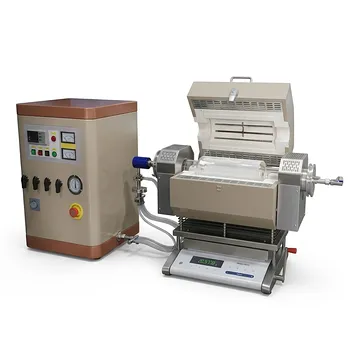
Mini Rotary Tubular Furnaces for Precision Powder Heat Treatment and Thermogravimetric Analysis
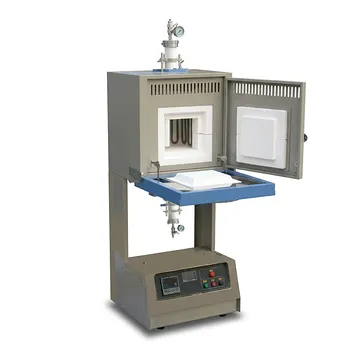
Vertical Hybrid High Temperature Furnace 1500C Alumina Tube SOFC Fuel Cell Testing Laboratory Heat Treatment Research Equipment

High Temperature 1700C Vertical Tube Furnace for Powder Spherification and Material Sintering
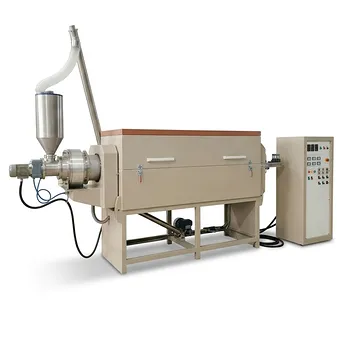
Continuous Feeding Rotary Tube Furnace for Industrial Powder Heat Treatment and Material Research
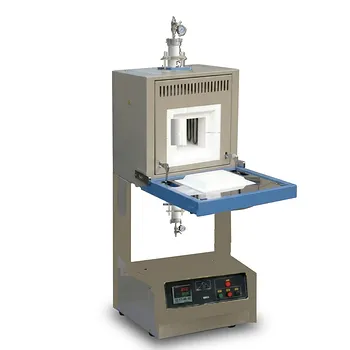
High Temperature Vertical Hybrid Furnace with Alumina Tube and SiC Heating for SOFC Coin Cell Testing and Atmosphere Processing
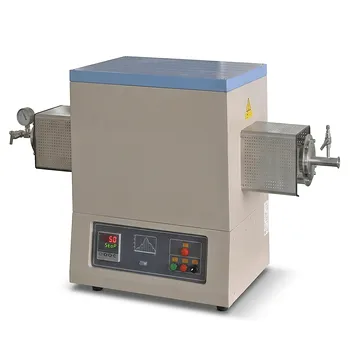
High Temperature 1700C Tube Furnace with 4 Inch OD Alumina Tube and Vacuum Sealing Flanges
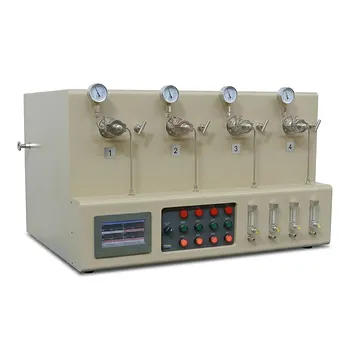
High Temperature 1700C 4 Channel Tube Furnace 1 Inch Alumina Tube for Hi-Throughput Annealing
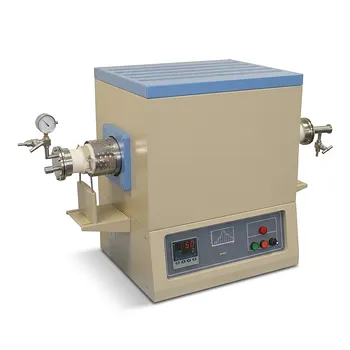
1700C High Temperature Alumina Tube Furnace with 18 Inch Heated Zone and Vacuum Sealing Flanges

Compact High Temperature 1600C Tube Furnace with 50mm Alumina Tube and Vacuum Flanges for Material Sintering

Vertical 1700C Vacuum and Atmosphere Tube Furnace with 80mm Alumina Tube
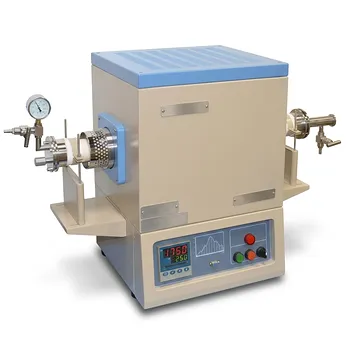
High Temperature Compact Vacuum Tube Furnace 1750C Max 60mm OD Alumina Tube

High Temperature 1700C Six Zone Split Tube Furnace with Alumina Tube and Water Cooled Flanges

1800C High Temperature Compact Vacuum Tube Furnace with 60mm OD Alumina Tube and Kanthal MoSi2 Heating Elements
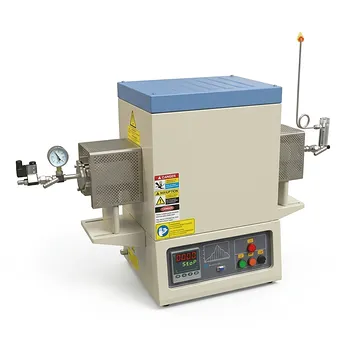
1700C Hydrogen Gas Tube Furnace with 60mm Alumina Process Tube and Integrated Hydrogen Safety Detector
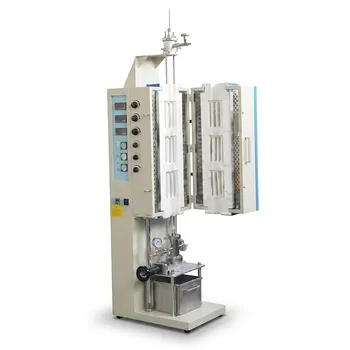
High Temperature Dual Zone Tube Furnace for Material Science Research and Professional Thermal Processing

High Temperature 1700C Benchtop Tube Furnace with 5 Inch Heating Zone High Purity Alumina Tube and Vacuum Sealing Flanges
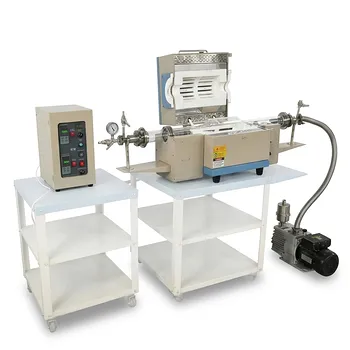
Two Zone Rotary Tube Furnace for Powder CVD Coating and Core Shell Material Synthesis 1100C
5 Inch Rotary Tube Furnace with Automatic Feeding and Receiving System 1200C Three Zone CVD Powder Processing
1700C Compact Hybrid Furnace with Dual Layer Box Sintering and Controlled Atmosphere Alumina Tubes