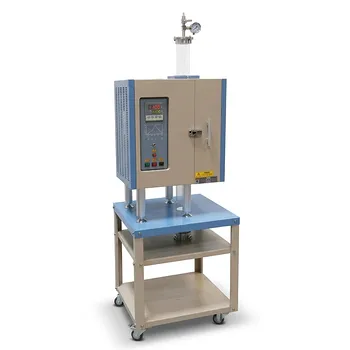
What is the purpose of maintaining a steady nitrogen flow (N2 Flow) during the tube furnace processing of chloride salts?
Updated 3 months ago
Maintaining a steady nitrogen (N2) flow during the processing of chloride salts is a critical safeguard against chemical degradation and equipment failure. This flow establishes a positive-pressure inert environment that isolates the salts from atmospheric oxygen and moisture while simultaneously flushing out corrosive gases evolved during heating. By preventing the transformation of rare earth chlorides into refractory oxychlorides, the nitrogen flow ensures the salts remain fully molten and exhibit the predictable component segregation required for successful zone melting.
Core Takeaway: Nitrogen flow acts as both a protective barrier and a mechanical scavenger, preventing the irreversible oxidation of chloride salts into high-melting-point oxychlorides while protecting the furnace hardware from corrosive chemical byproducts.
Establishing Atmospheric Isolation
Prevention of Oxychloride Formation
The primary risk when heating chloride salts, particularly rare earth chlorides, is their high affinity for oxygen and moisture at elevated temperatures. Without an inert barrier, these salts react to form refractory oxychlorides, which possess significantly higher melting points than the original chlorides. This chemical shift prevents the salts from remaining fully molten, which is a non-negotiable requirement for processes like zone melting.
Positive Pressure Dynamics
A steady flow of high-purity nitrogen creates positive pressure within the furnace tube, ensuring that the internal environment remains higher than the outside atmospheric pressure. This physical pressure gradient acts as a one-way valve, preventing the ingress of air through microscopic leaks or seals. By displacing oxygen, the nitrogen ensures that the thermal reaction occurs under strictly controlled, oxygen-free conditions.
Chemical Equilibrium and Byproduct Management
Removal of Corrosive Byproducts
Heating chloride salts often results in the evolution of gaseous byproducts that can be highly corrosive to the internal components of the tube furnace. A continuous nitrogen flow acts as a carrier gas, effectively "sweeping" these harmful vapors out of the reaction chamber and toward a downstream exhaust or collection system. This proactive removal extends the operational lifespan of the heating elements and the furnace tube.
Shifting Reaction Equilibrium
The continuous removal of volatile gases does more than just protect the equipment; it influences the chemistry of the reaction. By stripping away gaseous byproducts as they form, the nitrogen flow helps maintain a reaction equilibrium that favors the desired material state. This prevents secondary reactions, such as the unwanted polymerization or oxidation seen in other carbon-based furnace processes.
Understanding the Trade-offs
Balancing Flow Rates
Selecting the correct flow rate is a delicate balance; a flow that is too low may fail to maintain the necessary positive pressure or allow byproduct buildup. Conversely, an excessively high flow rate can lead to thermal instability, cooling the sample surface prematurely or causing the unintended sublimation and loss of volatile salt components.
Purity and Contamination Risks
The effectiveness of the nitrogen flow is entirely dependent on the purity of the gas used (typically 99.99% or higher). If the nitrogen source contains trace amounts of water vapor or oxygen, it can inadvertently catalyze the very oxidation it was intended to prevent. Furthermore, in systems involving metallic vapors, the flow must be carefully managed to ensure these vapors are transported to collection zones rather than condensing on cooler parts of the furnace tube.
How to Apply This to Your Process
Managing Nitrogen Flow for Optimal Results
The implementation of a nitrogen atmosphere should be tailored to the specific thermal goals of your material processing.
- If your primary focus is material purity and zone melting: Prioritize maintaining a steady, low-velocity flow that ensures a total absence of oxygen to prevent oxychloride formation.
- If your primary focus is equipment longevity and corrosive salt processing: Increase the flow rate slightly to ensure corrosive byproducts are rapidly flushed into a scrubber or exhaust system.
- If your primary focus is volatile component transport: Utilize a calibrated mass flow controller to maintain a precise velocity that carries vapors to downstream collection points without inducing thermal shock.
Effective nitrogen management transforms the tube furnace from a simple heating chamber into a precision-controlled chemical reactor.
Summary Table:
| Key Function | Primary Purpose | Benefit to Material/Equipment |
|---|---|---|
| Atmospheric Isolation | Prevents oxygen and moisture ingress | Stops the formation of high-melting-point oxychlorides |
| Positive Pressure | Maintains internal pressure above atmospheric | Prevents air from leaking into the reaction tube |
| Byproduct Removal | Flushes out corrosive gaseous vapors | Extends the lifespan of heating elements and furnace tubes |
| Equilibrium Control | Sweeps away volatile gases as they form | Favors the desired material state and prevents unwanted reactions |
Elevate Your Material Research with THERMUNITS
Optimize your chemical reactions and protect your equipment with precision-engineered thermal solutions. THERMUNITS is a leading manufacturer of high-temperature laboratory equipment for material science and industrial R&D. We offer a comprehensive range of thermal processing solutions tailored for sensitive chemical processes, including:
- Atmosphere & Tube Furnaces (Optimized for precise N2 flow management)
- Muffle, Vacuum, & Rotary Furnaces
- CVD/PECVD Systems & Hot Press Furnaces
- Vacuum Induction Melting (VIM), Dental Furnaces, and Electric Rotary Kilns
Our advanced heat treatment equipment ensures the atmospheric purity and temperature uniformity required for high-stakes research. Contact THERMUNITS today to find the perfect thermal solution for your lab and enhance your processing efficiency!
References
- Alex Scrimshire, Paul A. Bingham. Benchtop Zone Refinement of Simulated Future Spent Nuclear Fuel Pyroprocessing Waste. DOI: 10.3390/ma17081781
Mentioned Products
- 1200C Sliding Tube Furnace for Rapid Thermal Processing and CVD Graphene Growth with 100mm OD Capacity
- 1200C High Temperature 5 Inch Sliding Tube Furnace for Rapid Thermal Processing RTP and Wafer Annealing
- 1250C Split Tube Furnace with 3 Inch Mullite Tube and Vacuum Sealing Flanges for Precision Thermal Processing
- High Temperature Dual Zone Tube Furnace for Material Science Research and Professional Thermal Processing
- Automated Sliding Tube Furnace for Fast Heating and Cooling 2 Inch OD 1100C Max
People Also Ask
- Why is a Tube Furnace typically utilized for CVD? Achieve Precision in Graphene and 2D Material Synthesis
- Why use CVD and a tube furnace for Pd3P0.95/NC catalyst phosphidation? Ensure high phase purity and performance.
- What is the function of CVD furnaces in graphene prep? Enhancing Photodetector Charge Transport
- CVD Tube Furnace Advantages for Pd-P Catalyst Durability: Precision Control for 40,000+ Cycles
- How does a tube furnace system equipped with gas mass flow controllers facilitate the MCW process? Optimize Graphene Yield

Tech Team · ThermUnits
Last updated on Jun 03, 2026
Related Products
1200C Sliding Tube Furnace for Rapid Thermal Processing and CVD Graphene Growth with 100mm OD Capacity
1200C High Temperature 5 Inch Sliding Tube Furnace for Rapid Thermal Processing RTP and Wafer Annealing
1250C Split Tube Furnace with 3 Inch Mullite Tube and Vacuum Sealing Flanges for Precision Thermal Processing
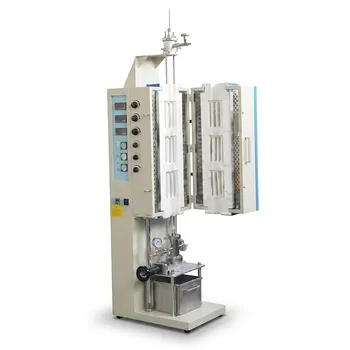
High Temperature Dual Zone Tube Furnace for Material Science Research and Professional Thermal Processing
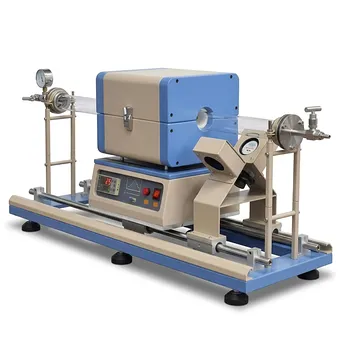
Automated Sliding Tube Furnace for Fast Heating and Cooling 2 Inch OD 1100C Max
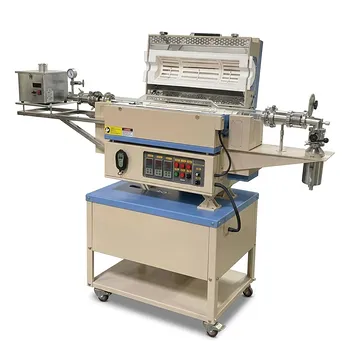
5 Inch Rotary Tube Furnace with Automatic Feeding and Receiving System 1200C Three Zone CVD Powder Processing
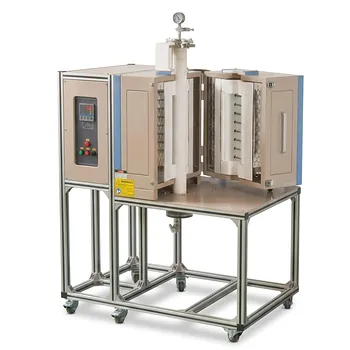
High Temperature 1700C Vertical Split Tube Furnace for Material Quenching and Single Crystal Growth

5 Inch Three Zone Rotary Tube Furnace with Integrated Gas Delivery System and 1200C Capability for Advanced Material CVD Processing
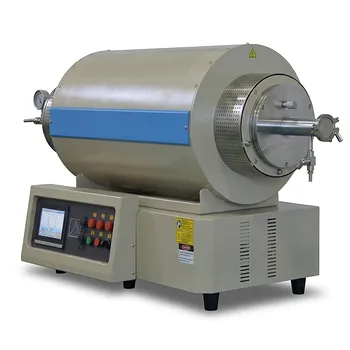
1200C Max Three Zone Tube Furnace 6 Inch OD Max with Tube and Flange
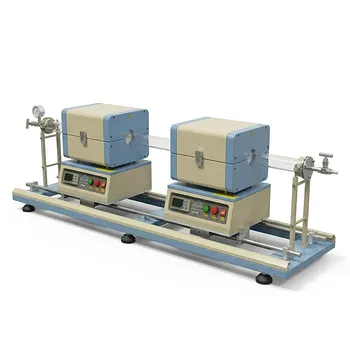
1200C Max Dual Sliding Tube Furnace with 50 mm Tube Flanges for CVD

Compact High Temperature 1600C Tube Furnace with 50mm Alumina Tube and Vacuum Flanges for Material Sintering
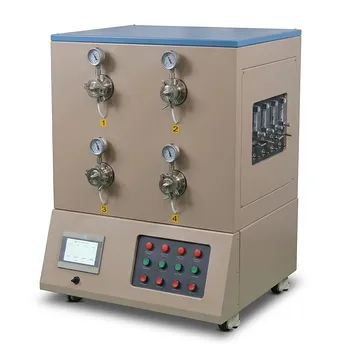
High Throughput 1200C Four Channel Tube Furnace with 3 Inch Quartz Tubes for Multi Zone Annealing and Material Research
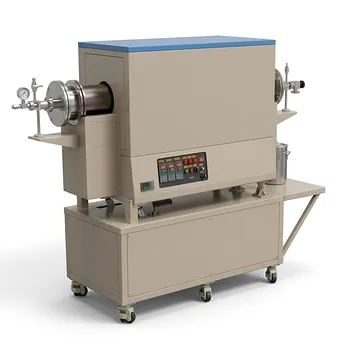
900°C Max Rotary Tube Furnace with 8 Inch 310S Alloy Tube and Optional Multi Zone Heating for Industrial Material Calcination

High Temperature Automated 5 Inch Tube Furnace for Autonomous Material Research and Advanced Laboratory R&D

1200C High Throughput Multi Channel Tube Furnace with 50mm Quartz Tubes for Annealing and Material Phase Diagram Research

1200°C 5 Inch Vertical Quartz Tube Furnace with Stainless Steel Vacuum Flanges
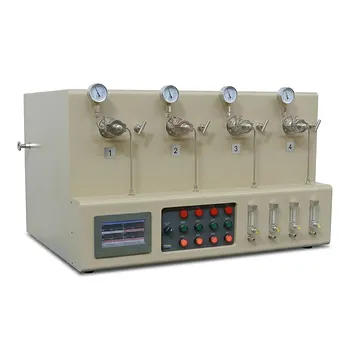
High Temperature 1700C 4 Channel Tube Furnace 1 Inch Alumina Tube for Hi-Throughput Annealing
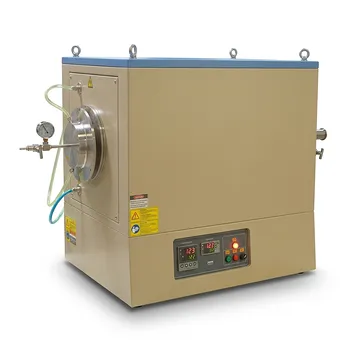
1100°C Large Diameter Quartz Tube Furnace with 24 Inch Heating Zone and Water Cooled Flanges

1800C High Temperature Compact Vacuum Tube Furnace with 60mm OD Alumina Tube and Kanthal MoSi2 Heating Elements