What is the purpose of high-temp treatment in air furnaces for catalysts? Boost SMSI and Prevent Sintering
Updated 3 months ago
Instantaneous high-temperature treatment in an air atmosphere is primarily used to rapidly strip organic ligands from the surface of metal nanoparticles while preventing thermal clumping. By applying intense heat (973 K) for a very short duration (30 seconds), researchers can expose hidden active sites and create a robust bond between the metal and its support without losing the benefits of a small particle size.
This specialized thermal process balances the need for surface cleanliness with the necessity of structural stability. It ensures that the catalyst retains its high surface area while gaining the electronic benefits of a strong metal-support interaction (SMSI).
The Mechanism of Surface Cleaning
Rapid Oxidative Ligand Removal
Catalysts prepared via colloidal deposition often utilize organic surfactants, such as oleylamine, to control particle size during synthesis. These ligands remain on the metal surface and act as physical barriers that block reactants from reaching the catalytic sites. The air atmosphere provides a strong oxidative environment that chemically decomposes and removes these organic layers almost instantly at high temperatures.
Exposing the Active Sites
The removal of these "capping agents" is critical for maximizing the density of active sites. By clearing the metal surface, the treatment ensures that the reactant molecules have direct access to the ruthenium or other metal atoms. This transformation is what converts a stable colloid into a functioning, high-performance catalyst.
Why the "Instantaneous" Factor is Critical
Mitigating Thermal Aggregation
Conventional calcination often involves long heating cycles that cause metal particles to migrate and fuse together, a process known as sintering. By limiting the exposure to high heat to just 30 seconds, the treatment provides enough energy to break chemical bonds in the ligands but not enough time for the metal particles to aggregate. This preserves the high dispersion and small particle size essential for efficiency.
Strengthening Metal-Support Interaction (SMSI)
The high-temperature burst facilitates a physical and electronic reconfiguration at the interface between the metal and the support. This Strong Metal-Support Interaction (SMSI) is vital for long-term stability. It "anchors" the particles more firmly, preventing them from moving or leaching during harsh chemical reactions.
Understanding the Trade-offs
The Risk of Over-Oxidation
While an air atmosphere is necessary for ligand removal, excessive exposure can lead to the formation of unwanted metal oxides. If the treatment lasts too long, the active metal phase may convert into a less conductive or less active oxide state, potentially reducing the catalyst's overall effectiveness.
Precision in Temperature Control
This process requires a high degree of precision in both timing and temperature. Unlike standard atmosphere furnaces used for carbonization or phosphidation (which may run for hours), this method relies on a "shock" approach. If the temperature is too low, ligands remain; if it is too high or too long, the catalyst's nanostructure is destroyed.
How to Apply This to Your Catalyst Design
Effective catalyst activation requires a strict balance between cleaning the surface and protecting the structure.
- If your primary focus is maximizing surface area: Prioritize the "instantaneous" aspect (30 seconds or less) to ensure that the small particle sizes achieved during colloidal deposition are not lost to sintering.
- If your primary focus is long-term durability: Use the high-temperature air treatment specifically to trigger SMSI, which locks the metal particles in place and prevents degradation over multiple reaction cycles.
- If your primary focus is removing stubborn organic surfactants: Ensure the furnace maintains a high-purity air flow to provide the necessary oxygen for complete oxidative decomposition of ligands like oleylamine.
By mastering the timing of high-temperature oxidative bursts, you can transform coated nanoparticles into highly accessible and stable catalytic systems.
Summary Table:
| Key Feature | Functional Mechanism | Strategic Benefit |
|---|---|---|
| Rapid Oxidation | Chemically decomposes surfactants (e.g., oleylamine) | Exposes hidden active sites for reactions |
| 30s Shock Heating | Minimizes heat exposure time at 973 K | Prevents metal sintering and aggregation |
| Oxidative Burst | Facilitates electronic/physical reconfiguration | Strengthens Metal-Support Interaction (SMSI) |
| Air Atmosphere | Provides oxygen for ligand decomposition | Ensures high-purity surface cleaning |
Optimize Your Material Research with THERMUNITS
Precise catalyst activation requires absolute control over temperature and atmosphere. THERMUNITS is a leading manufacturer of high-temperature laboratory equipment for material science and industrial R&D, providing the accuracy needed for specialized processes like instantaneous high-temperature treatment.
Our comprehensive range of thermal processing solutions includes:
- Atmosphere & Muffle Furnaces for precise oxidative ligand removal.
- Vacuum, Tube, & Rotary Furnaces for diverse heat treatment protocols.
- CVD/PECVD Systems & Hot Press Furnaces for advanced material synthesis.
- Specialized Equipment: Including Dental Furnaces, Electric Rotary Kilns, and Vacuum Induction Melting (VIM) furnaces.
Whether you are focusing on maximizing surface area or ensuring long-term catalytic durability, our high-performance thermal elements and systems deliver consistent results.
Ready to enhance your lab's efficiency? Contact THERMUNITS today to discuss your specific thermal processing needs with our experts!
References
- Chengshuang Zhou, Matteo Cargnello. Steam‐Assisted Selective CO<sub>2</sub> Hydrogenation to Ethanol over Ru−In Catalysts. DOI: 10.1002/anie.202406761
Mentioned Products
- 1650C High Temperature Atmosphere Controlled Box Furnace with 65L Chamber for Advanced Material Sintering and Industrial Heat Treatment
- High Temperature Vertical Atmosphere Controlled Furnace 1700C Automatic Bottom Loading 13 Liter Vacuum Thermal System
- Atmosphere Controlled Muffle Furnace 1700C Maximum Temperature 80L High Capacity Vacuum Inert Gas Box Furnace
- High Temperature Vertical Atmosphere Controlled Furnace with Automatic Bottom Loading and 1700°C Capacity for Advanced Material Research
- Roller Table Atmosphere Furnace 1500C High Temperature Battery Material Sintering System 112L Capacity
People Also Ask
- What role does atmosphere control play in technical ceramics and glass? Master Material Purity and Precision
- What role does a high-temperature atmosphere furnace play in the direct electrochemical reduction of CO2? - Key Insights
- What is the role of a high-temperature box furnace in the solid-state synthesis of Europium-doped M3MgSi2O8 phosphors?
- What is the role of a high-temperature box furnace in Na3MnZr(PO4)3 synthesis? Engineering High-Performance NASICON.
- What physical conditions does a high-temperature atmosphere furnace provide for MXene exfoliation? Process Guide

Tech Team · ThermUnits
Last updated on Jun 02, 2026
Related Products
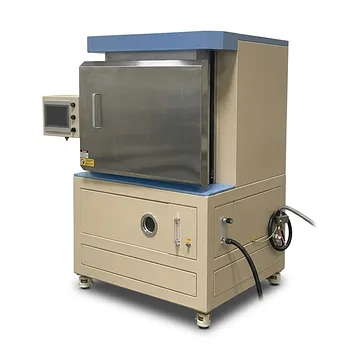
1650C High Temperature Atmosphere Controlled Box Furnace with 65L Chamber for Advanced Material Sintering and Industrial Heat Treatment
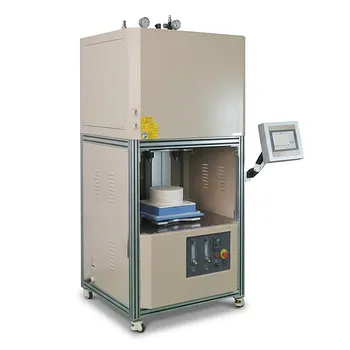
High Temperature Vertical Atmosphere Controlled Furnace 1700C Automatic Bottom Loading 13 Liter Vacuum Thermal System
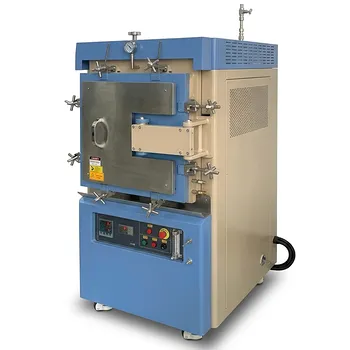
Atmosphere Controlled Muffle Furnace 1700C Maximum Temperature 80L High Capacity Vacuum Inert Gas Box Furnace
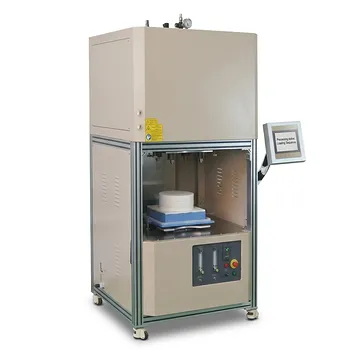
High Temperature Vertical Atmosphere Controlled Furnace with Automatic Bottom Loading and 1700°C Capacity for Advanced Material Research
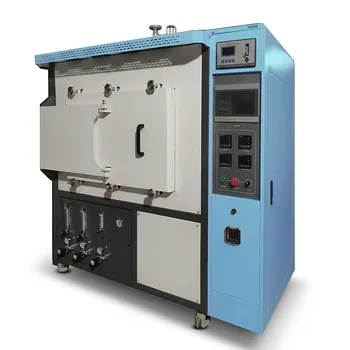
Roller Table Atmosphere Furnace 1500C High Temperature Battery Material Sintering System 112L Capacity
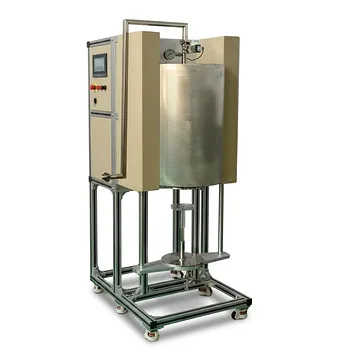
1200°C Atmosphere Controlled Automatic Bottom Loading Furnace with 6 Inch Quartz Tube
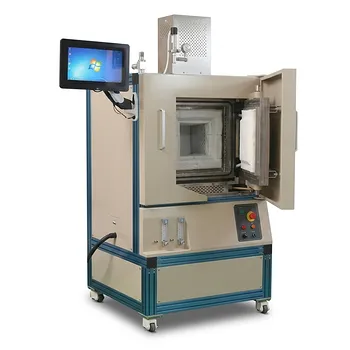
High Temperature Oxygen and Inert Atmosphere Controlled Furnace 8 Liter 1700C Sintering System for Advanced Materials RD
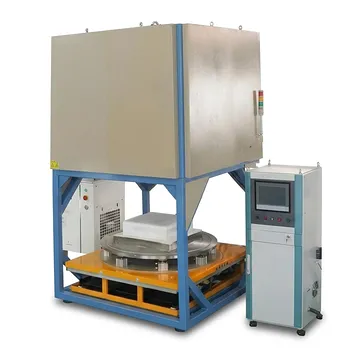
Bottom Loaded Inert Gas Atmosphere Box Furnace 1400C Maximum Temperature 125L High Capacity Laboratory Heat Treatment System
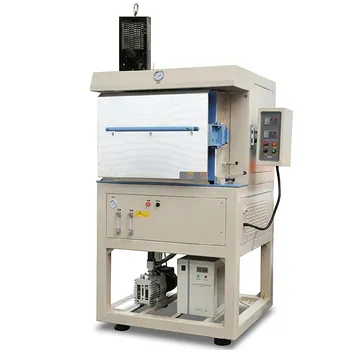
1200C Hydrogen Atmosphere Box Furnace with 5 Heated Sides and 64L Chamber
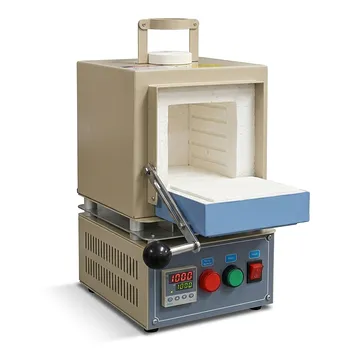
Compact 1000C Muffle Furnace with Programmable Controller and 2 Inch Top Port for Vacuum and Atmosphere Material Research
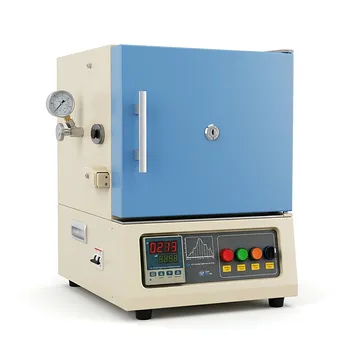
1200C Hybrid Muffle and Tube Furnace for Material Research with Dual Atmosphere Control Quartz Tubes
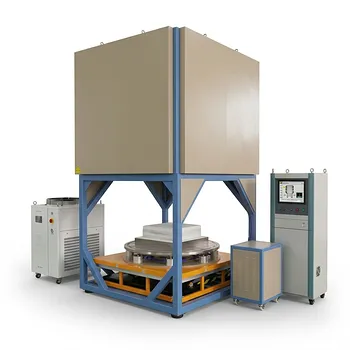
Bottom Loaded Inert Gas Atmosphere Box Furnace 1700C 1300C 216L Large Capacity Industrial Thermal Processing System
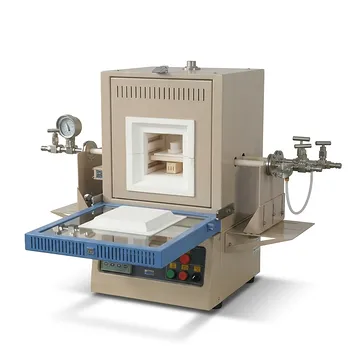
1700C Compact Hybrid Furnace with Dual Layer Box Sintering and Controlled Atmosphere Alumina Tubes
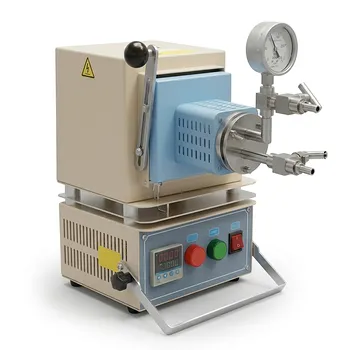
Compact Hybrid Muffle and Tube Furnace for 1000C Controlled Atmosphere Laboratory Material Sintering
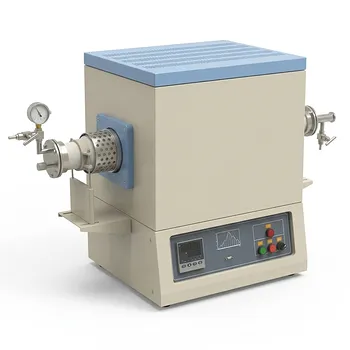
1750°C High Temperature Benchtop Vacuum Atmosphere Tube Furnace with Kanthal Super 1800 Heating Elements and 60mm Alumina Processing Tube
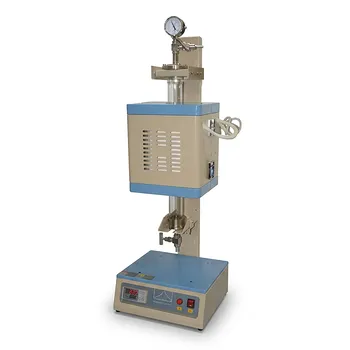
Compact Vertical Split Quartz Tube Furnace with Stainless Steel Vacuum Flanges for Rapid Thermal Quenching and Controlled Atmosphere Material Processing
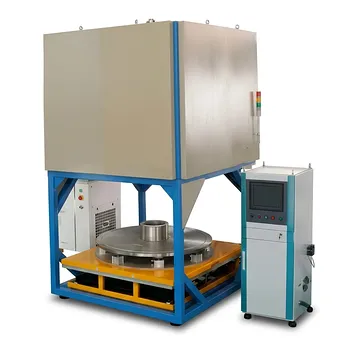
1400C Bottom Loaded Inert Gas Atmosphere Box Furnace with 125L Capacity and Precision Hydraulic Lift
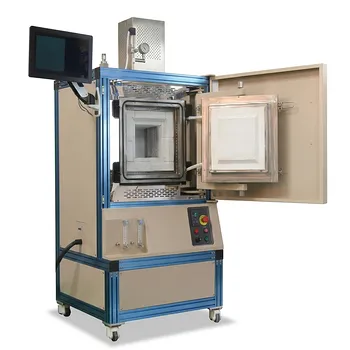
High Temperature Hydrogen Atmosphere Box Furnace 1650C Max Reducing Environment Material Synthesis System 8x8x8 Chamber
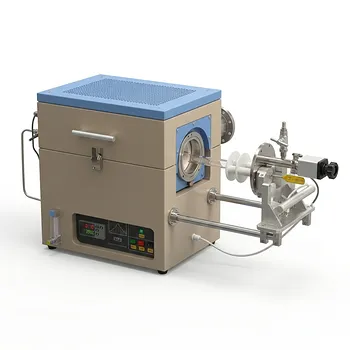
Compact Atmosphere Controlled Rapid Thermal Processing RTP Furnace with 4 Inch ID Quartz Tube 1100C